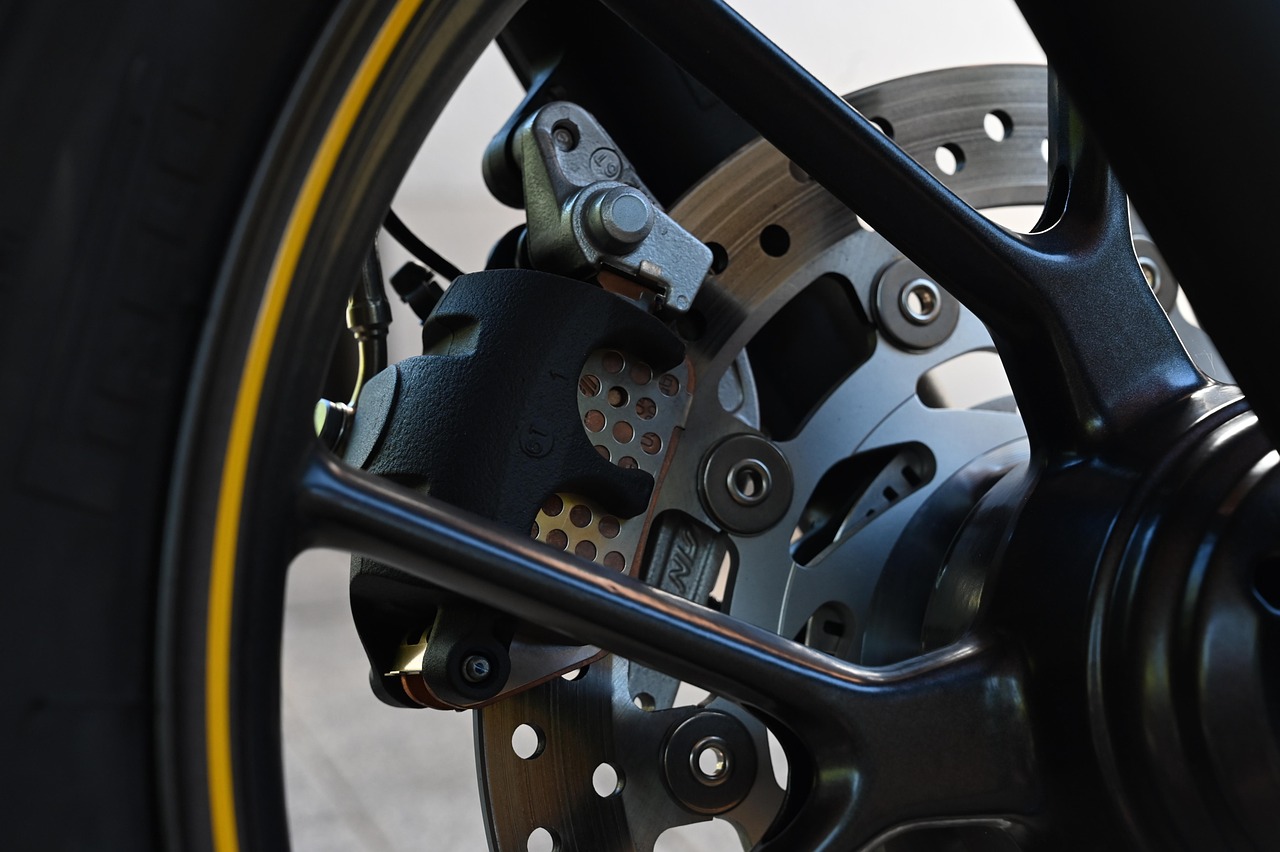
The brake fluid reservoir sits in plain view once the hood of an X5 is up. That is where most owners look when a brake fluid item starts counting down on the service menu, and a level sitting between the marks reads as fine. The color is worth a glance too, because fresh fluid runs close to clear and darkens as it ages. You cannot read the water content from either one. Ordinary driving keeps the fluid well below the temperatures that matter, and the grades a Dublin X5 climbs in August are where the heat arrives. We measure the condition of that fluid at Driven Auto Care of San Ramon.
Most X5 Owners Book This Without a Symptom
Most X5 owners who book this service arrive with no complaint at all. The pedal feels normal and the stops feel normal. Moisture enters the fluid whether the X5 runs every day or sits in the garage all week. That puts a garage-kept X5 in Dublin on the same clock as a daily commuter. You don't need a symptom to justify this one, and the fluid's condition can be measured long before you would feel anything change.
Where the Water Comes From and Why It Boils First
Brake fluid takes on moisture as it ages, and the water lowers the temperature at which the fluid boils. The water works in past the seals and the reservoir cap, a little at a time. That's why this item runs on a calendar. BMW schedules the fluid by time, and the countdown moves with the date. Your car keeps its own record of when that item was last completed.
Brakes work because liquid doesn't compress. You press the pedal, the fluid moves, and the push reaches all four corners. Water boils at a much lower temperature than brake fluid does, so the water is what boils first. On one grade in wide use, water in the fluid can pull the boiling point down by more than 130 degrees Fahrenheit. When the water boils it turns to gas, and gas compresses under your foot. Part of your pedal stroke then goes into squeezing those bubbles, and the pedal travels farther before the car slows.
A Loaded X5 on a Long Grade Builds Heat
Braking turns your speed into heat, and an X5 loaded with family and gear sends more of it into the brakes. Add summer stop-and-go with the air conditioning running, then a long descent, and that's one full heat cycle. Moisture shows up as a pedal that goes longer near the bottom of a grade. It firms back up once the brakes cool. A leak stays with you cold as well as hot, so a pedal that recovers points at heat. Boiled moisture and air are the common causes, and a worn master cylinder or a swelling hose can produce the same feel. If the reservoir level has fallen, that most often reflects pad wear and sometimes a leak, so have it inspected first.
Why Does a Top-Up Leave the Old Fluid?
Topping the reservoir off adds fresh fluid on top of old fluid. The old fluid stays in the lines and calipers, and that's where the water sits. A flush replaces what is in the system. The anti-lock unit holds fluid in passages a simple bleed does not reach. We open those up as part of the flush when the procedure calls for it. Fresh fluid also carries corrosion protection, and water left in an aging system works on lines and calipers.
Put Brake Fluid on the Calendar in Dublin
We settle this one with two readings. We read the moisture content of the fluid and the temperature at which it boils, and we check your car's record. A boiling point still up high means the fluid has margin left. A low one puts the flush on the list. While the X5 is up we check the lines and caliper seals for weeping, because that is what water eventually produces.
August is when those Dublin grades put the most heat into a brake system, so this is the stretch of the year to know the number. Come in for a brake fluid reading in place of a top-up, and reserve the time by calling Driven Auto Care of San Ramon at (925) 830-4701. We measure moisture content and boiling point, check where the item sits in its countdown, and show you both numbers. The whole reading takes minutes, and it covers what the reservoir level cannot.