 You know that feeling when your MDX climbs Redwood Road just fine for six months, then one Tuesday morning, it shudders like someone’s tapping the brakes from inside the transmission? It happens right around 38 mph, disappears the second you push the throttle harder, and leaves you wondering if you imagined the whole thing. You didn’t imagine it, and that shudder is your torque converter telling you something important about your transmission fluid. We hear this story constantly from Castro Valley drivers who pull into our San Leandro shop, frustrated because nobody can seem to catch the problem on a test drive.
Here’s what most shops miss: that shudder only shows up under very specific conditions, and you can’t diagnose it by feel alone. At Precision Auto Care, we connect factory diagnostic equipment that captures what’s happening inside your transmission at the exact moment the shudder occurs. We record converter slip percentage, lockup command status, fluid temperature, and throttle position simultaneously, which gives us hard data instead of guesswork. That data tells us whether you’re looking at a fluid service, a software update, or something that requires a more serious conversation.
Why Your Acura Shudders at Exactly 38 MPH
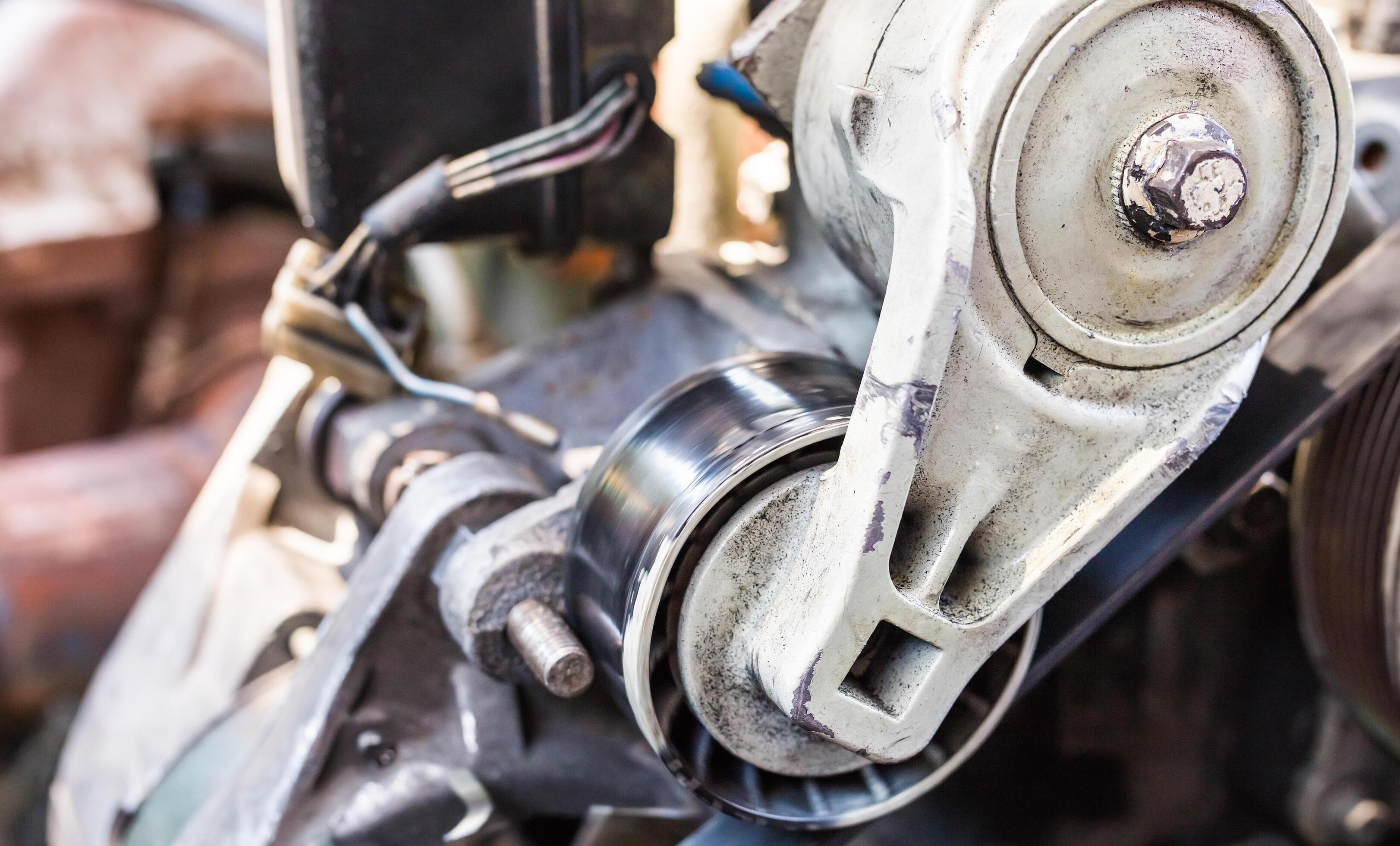
The torque converter in your MDX or RDX contains a lockup clutch that engages during steady-state cruising to eliminate slippage and improve fuel economy. When that clutch tries to grab against degraded transmission fluid, it micro-slips instead of locking cleanly, and you feel that unmistakable shudder through the seat and steering wheel. Acura knows about this issue on 2013 through 2017 models, and they’ve issued service bulletins 17-017 and 17-018 with a specific fix: PCM software updates combined with a triple fluid flush using genuine ATF-DW1. The software update changes how aggressively the transmission manages heat during stop-and-go driving, and fresh fluid restores the friction characteristics that the lockup clutch needs to engage smoothly.
Snapshot Data That Proves What You’re Feeling
Castro Valley’s hills are perfect for reproducing transmission symptoms that flat East Bay driving never triggers. We road test your Acura on grades that load the drivetrain the same way Crow Canyon Road or Palomares Road does, while our scan tool records everything the transmission is doing in real time. When the shudder happens, we’ve got documentation showing exactly what percentage the converter was slipping, what temperature the fluid had reached, and whether the lockup command was cycling on and off abnormally. That data eliminates the “we couldn’t duplicate your concern” response that drives Acura owners crazy, and it supports the correct repair the first time.
Reading Your Transmission Fluid Like a Story
We pull a fluid sample and inspect it on a white cloth before we recommend anything. Pink fluid with no burnt smell tells us the friction modifiers are degrading but the transmission hasn’t suffered internal damage yet. Dark fluid with a burnt odor means the clutch packs have been slipping under heat stress, and metallic particles on the cloth indicate wear that a flush alone won’t reverse. Your fluid’s condition tells us whether we’re catching this early enough for the bulletin procedure to work, or whether we need to have a different conversation about what’s happening inside your transmission.
When It’s Actually Your Engine, Not Your Transmission
Power loss and hesitation can fool you, because misfires and fuel delivery problems create vibrations that feel exactly like transmission shudder. We monitor fuel trims, misfire counters, and oxygen sensor data during our road test to make sure we’re not chasing a transmission problem that’s actually an engine concern. Acura’s Variable Cylinder Management system can also create vibration during cylinder deactivation that owners mistake for driveline issues. We correlate any vibration with VCM activation status, and if the engine is the real culprit, we tell you before you spend money on transmission work that can’t possibly help.
Castro Valley Acura Owners Get Real Answers
That shudder you’re feeling won’t improve on its own, and every heat cycle degrades your fluid a little more. We serve Castro Valley from our San Leandro shop with the diagnostic equipment, factory software access, and road-test routes that let us reproduce and document your concern under real-world conditions. You’ll see the data, understand what it means, and know exactly what your Acura needs before you authorize any work. Call Precision Auto Care at (510) 351-8211 and let’s figure out what your transmission is trying to tell you.