 You bought a BMW because you wanted something that drives like nothing else on the road. The inline-six pulls smoothly to redline, the chassis tracks through corners with precision, and every detail says this car was engineered by people who actually care about driving. But now there’s a dark spot on your San Leandro garage floor, and you’re wondering if ownership’s about to get expensive. We see that look on faces every week at Precision Auto Care, and here’s what we tell nervous BMW owners: catching a leak early is the difference between a gasket job and a bottom-end rebuild.
German engineering creates incredible driving machines, but these engines don’t tolerate neglect the way your old Toyota might have. The N54 twin-turbo that made the 335i legendary needs its seals and cooling system maintained with precision, or it punishes you with repair bills that hurt. We’ve built our San Leandro shop around understanding these platforms inside and out, because BMW owners deserve better than guesswork from technicians who learned everything on Hondas.
Valve Cover Gaskets and That Burning Smell
You’re sitting in traffic on East 14th Street when you catch something acrid coming through the vents. That burning oil smell means your valve cover gasket has been weeping onto the exhaust manifold for weeks, maybe months. BMW made these covers from plastic on the N54 and N55 engines, and that plastic warps after years of heat cycles until the rubber gasket underneath can’t seal anymore. We pull the cover, check it against a straightedge for warping, and replace both components when the plastic has lost its shape. Skipping the cover replacement just means you’re paying for another gasket job in 18 months when the same warp ruins another seal.
Oil Filter Housing Leaks and Cross-Contamination
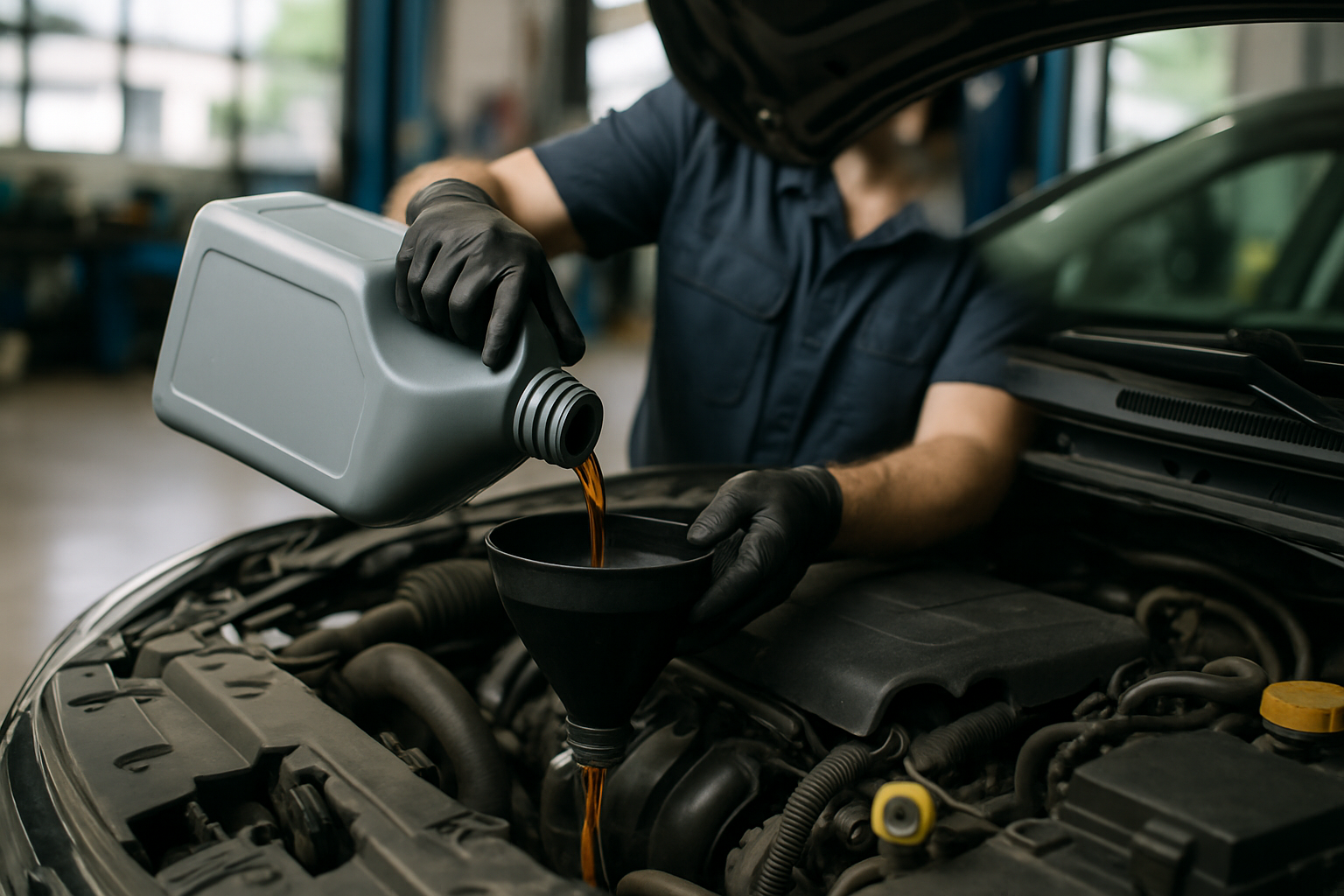
The oil filter housing on your BMW bolts directly to the block and includes passages for both oil and coolant in many applications. When the gasket between this housing and the engine fails, you get more than an oil leak; you risk coolant mixing with your engine oil. We’ve seen milky sludge in oil caps that tells the story of an ignored housing gasket, and the internal damage from that contamination costs far more than catching the leak early. Our approach starts with separate pressure tests on the coolant system, a visual check of the oil for any signs of mixing, and complete gasket replacement, including every O-ring on the housing cap and sensor ports.
VANOS Solenoids and Front Engine Oil
BMW’s variable valve timing system relies on solenoids sealed by O-rings that get brittle after heat exposure and mileage accumulation. When those seals fail, oil weeps down the front of the engine and makes a mess that looks worse than it actually is. The real concern with the 2010-2017 N54 and N55 engines involves the VANOS bolts themselves, which were recalled because they could loosen and drop into the oil pan. We check solenoid seals, test electrical response, verify bolt torque, and correlate any front-engine oil accumulation with the drivability symptoms that failing VANOS components create at idle and under throttle.
Cooling Systems That Fail Without Warning
Your BMW’s cooling system runs at higher pressure than most cars, somewhere between 19 and 22 PSI, because that elevated pressure raises the boiling point and keeps vapor pockets from forming in the cylinder head during aggressive driving. The tradeoff is that plastic components like expansion tanks, thermostat housings, and water pump impellers degrade faster under that constant stress. We pressure test cold and hot, inspect every plastic component for stress cracks, and dye-test seam areas that tend to develop hairline failures. Finding a weak tank in our shop beats finding it on Interstate 880 when your temperature gauge spikes into the red.
Electric Water Pumps and Sudden Overheating
BMW started using electric water pumps on the N52 engine and continued that design through the current B58, giving the ECU control over coolant flow rates that a mechanical pump can’t match. The downside is that these pumps fail electrically rather than gradually, sometimes with zero warning before complete failure leaves you overheating on the Nimitz. We test pump operation by commanding flow rates through factory-level diagnostics and monitoring the current draw that reveals a struggling motor before it quits entirely. A pump showing elevated current or sluggish response under commanded duty gets flagged for replacement, and we show you the data so the recommendation makes sense.
San Leandro BMW Owners Get Real Answers
We built Precision Auto Care for drivers who chose their BMW because they wanted something special and expect their shop to treat it that way. Every leak gets traced to its source with dye testing, pressure analysis, or thermal imaging before we quote a repair. Every cooling system gets pressure tested cold and hot to catch failures that only appear under operating temperature. Every completed job gets a hot restart and a loaded drive to verify the repair holds under real conditions. Call us at (510) 351-8211 when that oil spot shows up, because early intervention on these engines saves you real money and keeps your BMW driving the way Munich intended.