 Subaru Outback owners depend on firm performance and reliability, yet certain model years are known for two specific issues: increased oil consumption and head gasket failures. At Precision Auto Care, we regularly help San Leandro Subaru drivers diagnose problems linked to these conditions. Early detection remains the best way to avoid costly repairs, so we want to outline the symptoms we most often see.
We understand that engine concerns can be stressful, especially when problems develop slowly. Outback owners frequently mention small changes at first—slightly low oil between services, faint odors, or mild overheating. When those signs appear, professional inspection becomes essential.
Early Signs of Excessive Oil Consumption
Oil consumption problems appear across various Subaru engines, particularly those using older boxer-style designs. Drivers usually notice the symptoms long before performance suffers.
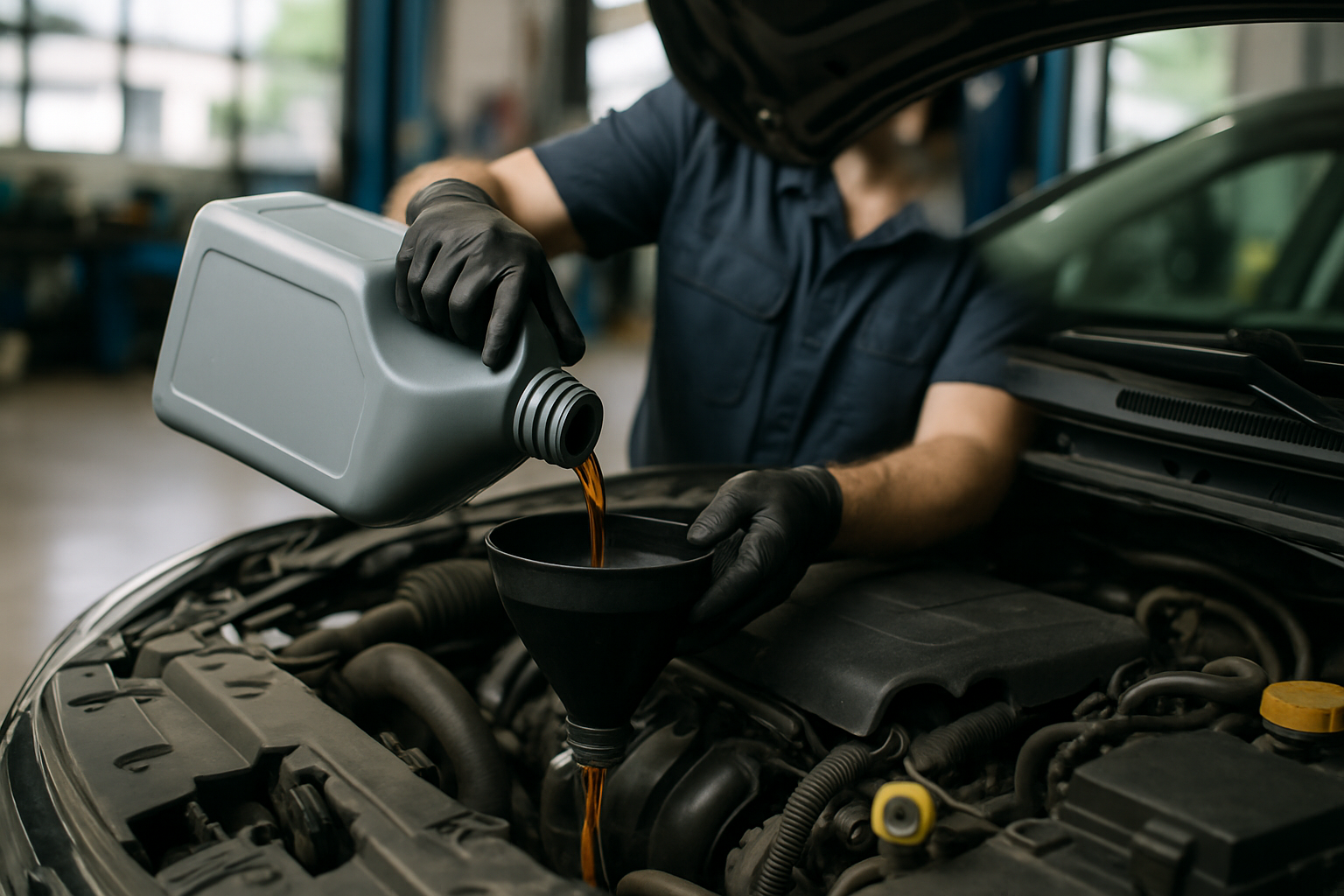
One of the first signs is a need to add oil between scheduled oil changes. Outback owners often mention topping off the oil every few weeks, even when no leaks appear. This steady decrease indicates internal oil loss through worn rings or valve seals.
Another symptom involves visible exhaust changes. Light blue smoke during cold starts suggests burning oil, especially when paired with reduced engine smoothness. Some drivers also report a burning oil smell after longer drives, indicating oil contacting hot engine components.
Oil warning lights should not be ignored for any reason—even brief flickering signals low pressure, which can quickly damage internal components. We always recommend pulling over safely and scheduling service immediately when the light activates.
Symptoms Linked to Head Gasket Failures
Head gasket issues remain one of the most widely recognized Subaru concerns. They appear gradually and produce a range of symptoms. Drivers often notice overheating first, as coolant leaks into the combustion chamber or out of the engine entirely. Fluctuating temperature readings or sudden spikes indicate a developing problem.
Coolant loss occurs frequently as well. Outback owners may find themselves refilling coolant more often without any visible external leak. The loss usually indicates internal seepage between the cylinders and the coolant passages.
We also see oil and coolant mixing, producing a milky residue under the oil cap. This mixture compromises lubrication, leading to significant engine wear if left unaddressed. Exhaust with a sweet odor or white smoke during warm-up also signals coolant entering the combustion chamber.
Another common sign involves poor performance. Rough idling, reduced power, or a failing head gasket can sometimes cause persistent misfires. When coolant reaches a spark plug, combustion becomes inconsistent, and the vehicle may feel unstable during acceleration.
Why These Issues Appear in Certain Subaru Engines
Subaru’s boxer engines offer excellent balance and smoothness, but earlier designs experienced long-term stress on head gaskets and piston rings. Over time, seals weaken and allow oil or coolant to migrate into areas they should not. Heat cycles, age, and high mileage accelerate this process. Regular maintenance delays these issues, though some engines eventually require significant repairs.
Protecting Your Subaru With Accurate Diagnosis
Both high oil consumption and head gasket failures share overlapping symptoms, which makes professional diagnosis essential. We use pressure testing, chemical block testing, leak detection, and oil analysis to identify the exact source of the problem. Accurate findings help Subaru owners make informed decisions and avoid unnecessary part replacements.
Once we confirm the issue, we review repair options, expected timelines, and long-term solutions. Our priority remains restoring reliability and providing honest guidance through each step.
Reliable Subaru Repairs in San Leandro
Addressing oil consumption or head gasket symptoms early will prevent significant engine damage. Subaru Outback owners in San Leandro trust us to evaluate these concerns quickly and provide long-lasting repairs.
Contact Precision Auto Care today to schedule a Subaru inspection or ask about symptoms you’ve noticed. We will help keep your Outback running smoothly, safe, and dependable.