Summer heat puts two separate Toyota Corolla systems under pressure: engine cooling and cabin air conditioning. One protects the engine from excessive temperature, while the other removes heat and humidity from the passenger area. If coolant service is overdue or the AC has stopped cooling, an inspection before peak summer driving may prevent an uncomfortable trip or an overheated engine.
At Driven Auto Care of San Jose, CA, we help Willow Glen drivers address both concerns through testing rather than guesswork. Our shop provides cooling system flushes, coolant leak repairs, AC diagnosis, refrigerant service, compressor replacement, and related repairs. We first identify the source of the problem, then explain which maintenance or repair will restore dependable operation.
When a Corolla Coolant Flush Makes Sense
Coolant carries heat away from the engine and helps protect internal passages from corrosion. Over time, fluid may age, become contaminated, or lose protective qualities. Toyota explains coolant replacement timing depends on the specific vehicle and coolant used, so the correct maintenance schedule should come from the owner’s manual and service history.
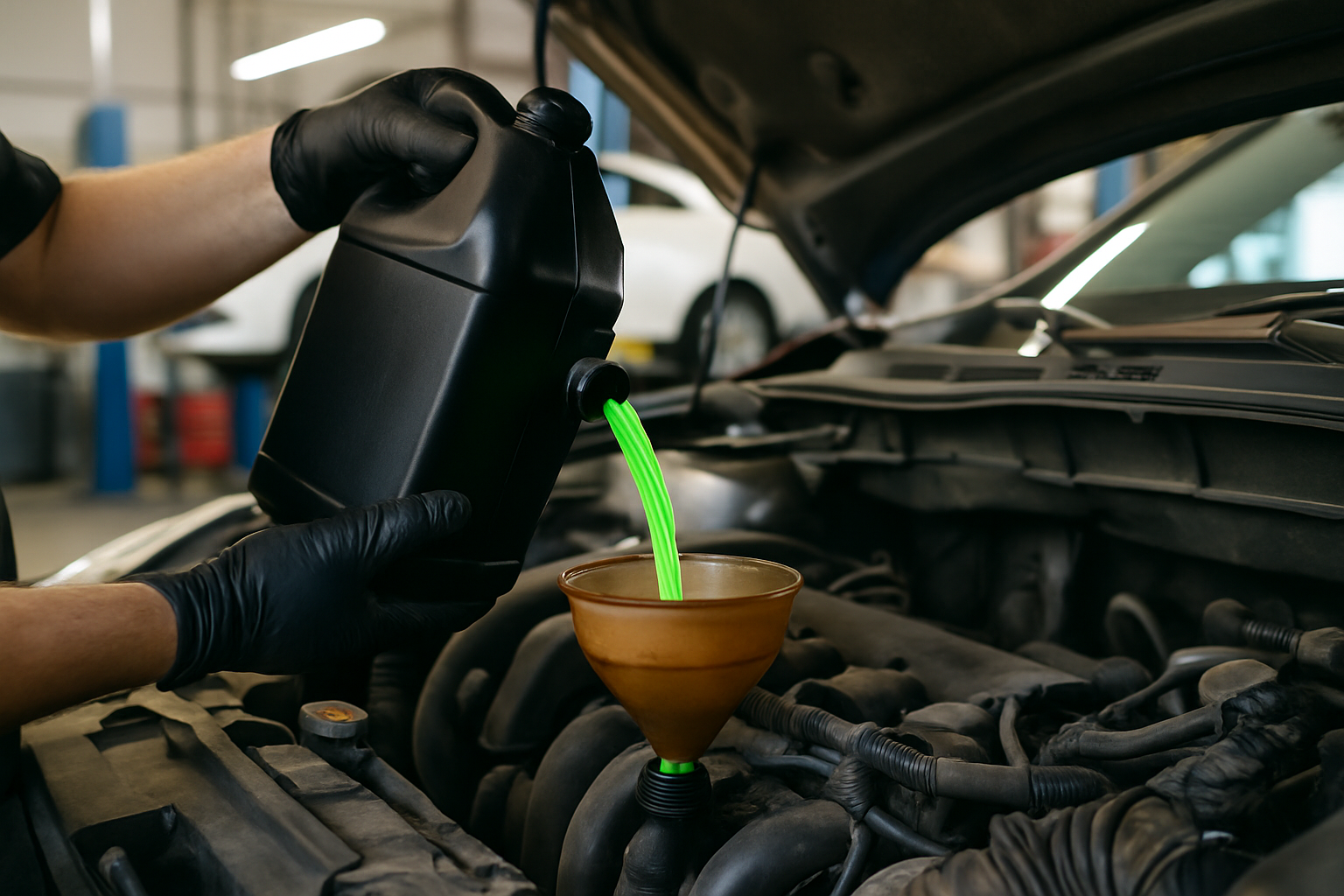
A coolant flush may make sense when fluid is dirty, mixed with an unknown product, or overdue based on the applicable schedule. During service, old coolant is removed, the system is refilled with the correct fluid, and trapped air is cleared. Using the proper coolant matters because Toyota recommends following the fluid specifications listed in the vehicle’s owner’s manual.
A Flush Will Not Repair Cooling System Damage
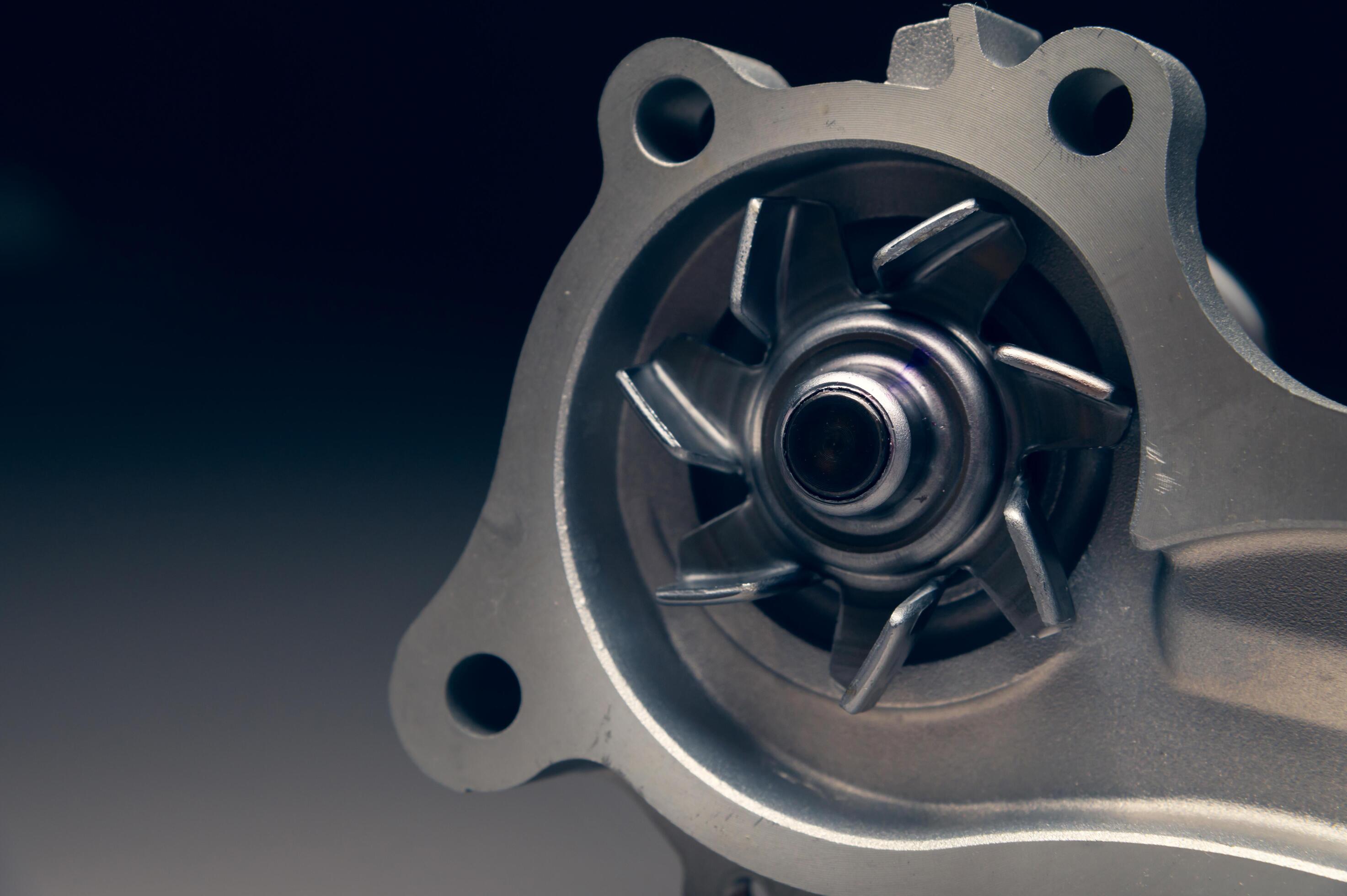
Fresh coolant will not seal a leaking hose, restore a failed water pump, open a stuck thermostat, or repair a damaged radiator. Warning signs such as recurring coolant loss, sweet odors, puddles, steam, weak cabin heat, or a rising temperature gauge call for diagnosis before any flush. Toyota advises drivers to stop safely when the temperature gauge enters the red zone and inspect the vehicle only after the engine cools.
We inspect the reservoir, hoses, radiator, thermostat, water pump, cooling fans, pressure cap, and visible connections. Pressure testing may reveal small leaks hidden while the engine is cold. If a mechanical failure is present, we repair it first and complete coolant service as part of the proper repair process.
Why the AC Blows Warm During Summer
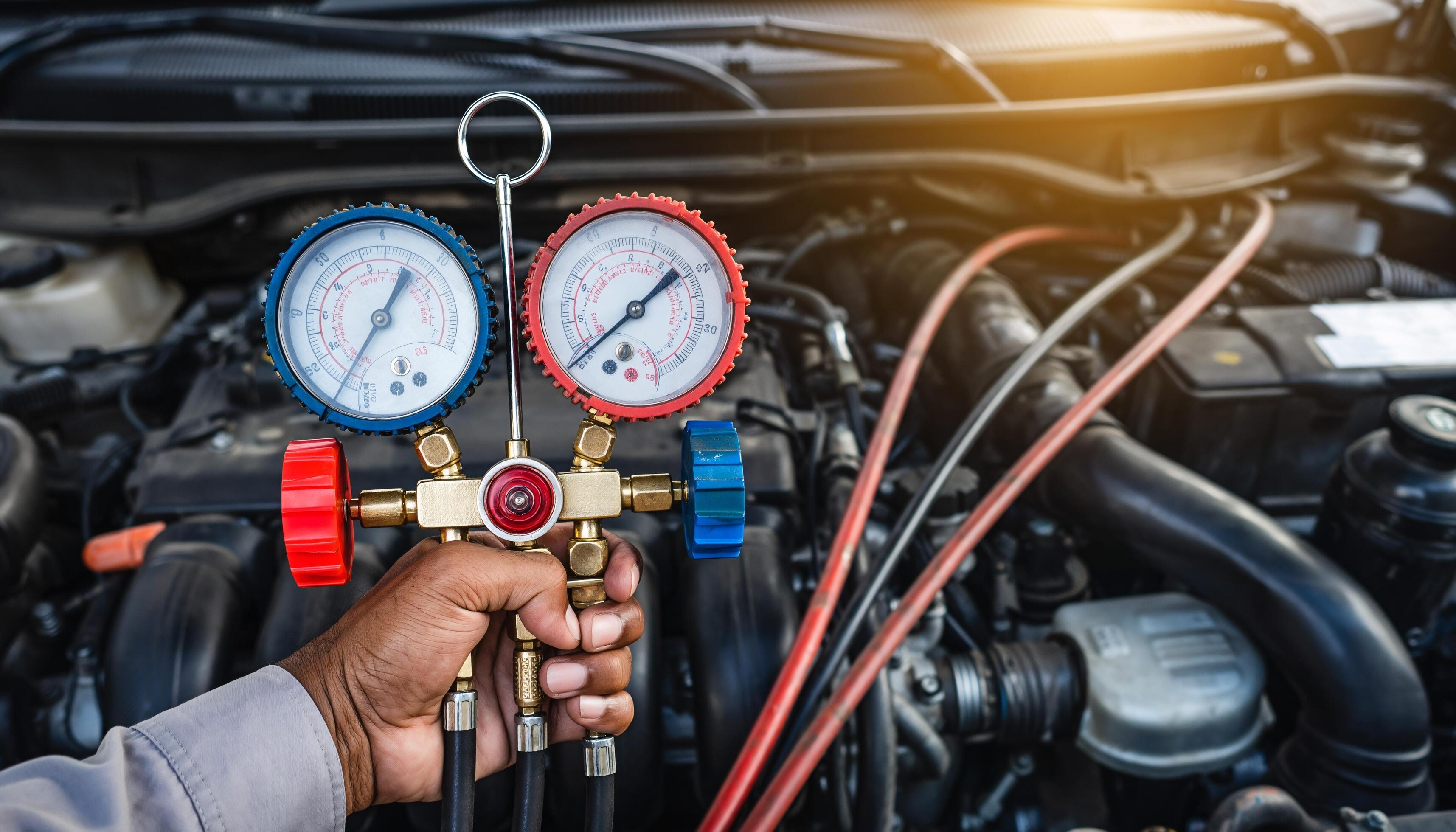
Low refrigerant is a common cause of poor AC performance. Toyota notes low refrigerant generally points to a leak, which may occur around the condenser, O-rings, seals, fittings, or hoses. A recharge without leak repair may restore cold air briefly, but the problem will return.
Warm air may also result from compressor trouble, a dirty condenser, a restricted cabin air filter, cooling fan failure, or an electrical fault. If the Corolla cools while moving but turns warm in traffic, condenser airflow and fan operation deserve close attention.
Summer AC Service Tips
Run the AC periodically, even during cooler weeks, and pay attention to changes in vent temperature, airflow, odors, or noise. Replace a restricted cabin filter when needed, keep debris away from the front grille, and schedule service when cooling performance begins fading. Toyota recommends checking the applicable maintenance schedule because heavy traffic or dusty conditions may require earlier cabin filter replacement.
Schedule Corolla Cooling and AC Service
If your Toyota Corolla is running hot, losing coolant, or blowing warm air near Willow Glen, contact Driven Auto Care of San Jose, CA. We will inspect both systems, explain the findings clearly, and recommend the service needed for dependable summer driving.