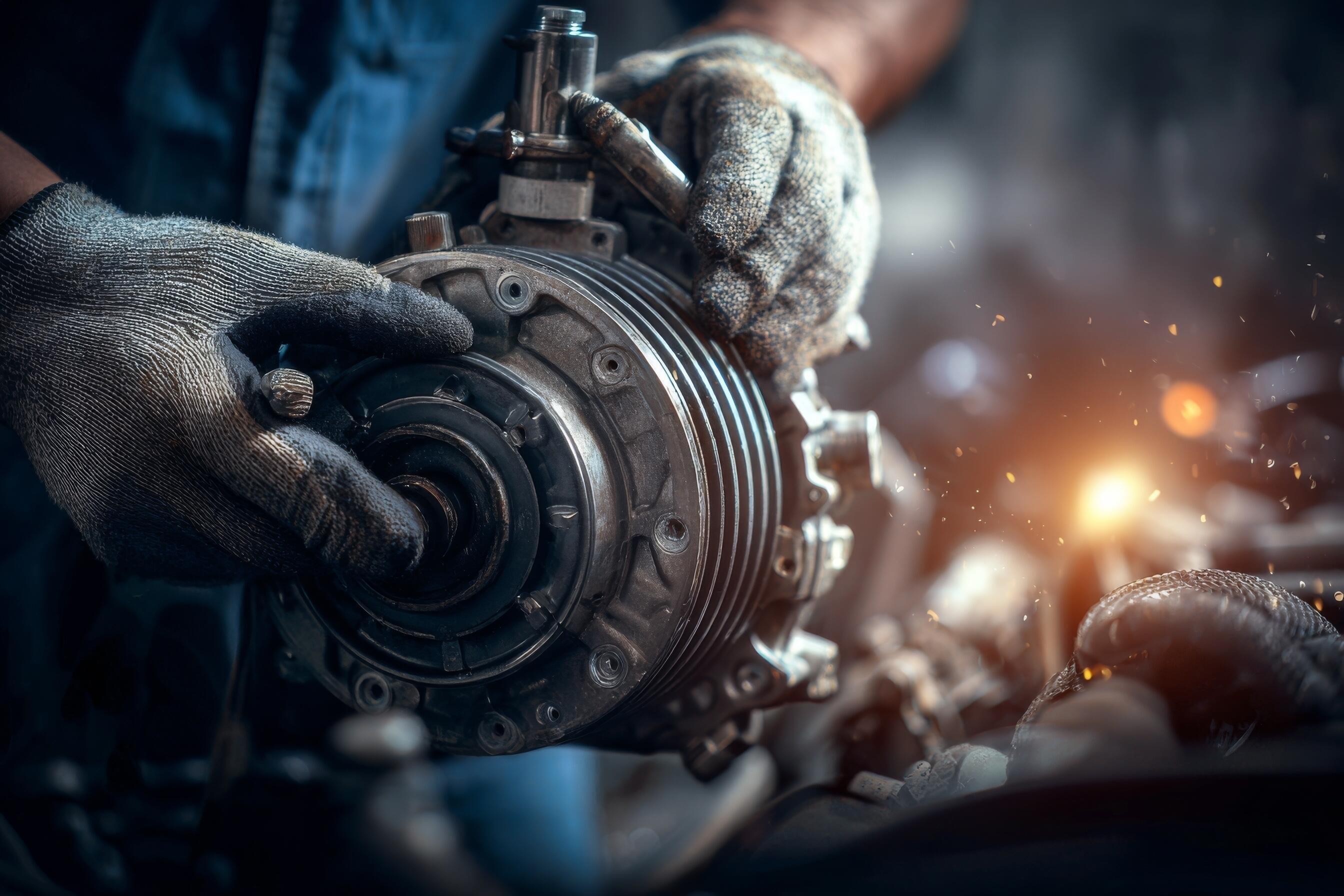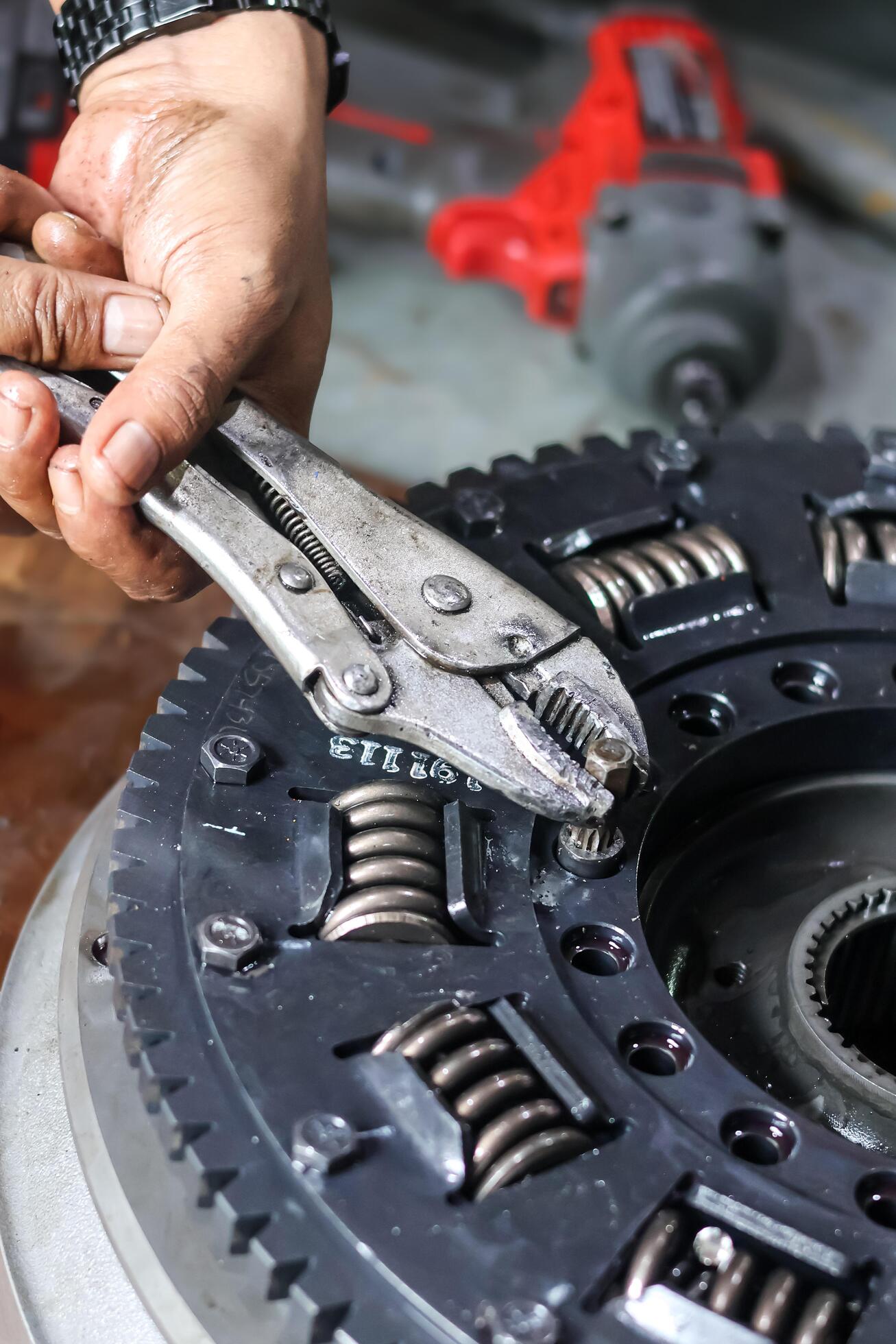
A Ford Explorer should move smoothly from park into drive and shift without hesitation. When engine speed rises, but road speed does not, the transmission may be slipping. Other warnings include delayed engagement, harsh shifts, shuddering, fluid leaks, or a dashboard message. These symptoms deserve prompt attention because continued driving may increase heat and internal wear.
At Driven Auto Care of San Jose, CA, we help Santa Clara drivers identify transmission problems before recommending repairs. Our shop provides transmission diagnosis, fluid service, repair, rebuild, and replacement. We begin with testing because slipping may come from low fluid, hydraulic pressure loss, electronic controls, valve-body wear, torque-converter trouble, or internal clutch damage.
Slipping Gears and Delayed Acceleration
Transmission slip often feels like a brief loss of connection between the engine and wheels. The engine may rev during acceleration while the Explorer responds slowly. A driver may also notice an unexpected gear change, hesitation while merging, or repeated searching between gears.
Ford owner information advises checking transmission fluid when a vehicle slips, shifts slowly, or shows signs of a leak. Low fluid may create engagement trouble and possible damage, so the vehicle should not be driven when fluid falls below the proper range.
Harsh or Delayed Gear Engagement
A delay after selecting drive or reverse may point to fluid pressure, solenoid, valve-body, software, or internal clutch concerns. Harsh engagement may feel like a bump or jolt when the transmission finally applies a gear.
Ford issued technical guidance for certain 2020–2023 Explorers equipped with specific 10-speed transmissions. Reported conditions included harsh or delayed engagement and harsh or delayed shifting. Ford’s bulletin lists possible software, solenoid strategy, valve-body, and clutch-cylinder causes, which shows why model year, transmission type, fault codes, and test results matter before repair.
Shuddering, Vibration, and Burning Odors
A shudder may feel like driving across small road grooves, especially during acceleration or steady-speed cruising. Vibration may come from the transmission, torque converter, driveline, engine mounts, tires, or suspension, so a road test helps separate the possibilities.
A hot or burning odor may signal overheated or degraded fluid. Fluid under the vehicle also needs inspection. Transmission fluid loss does not correct itself, and topping it off without repairing the leak leaves the underlying problem in place.
Transmission Warning Messages
Ford owner information includes “Transmission Fault Service Now” and “Transmission Overheating Stop Safely” messages. If an overheating warning appears, stop in a safe location, switch off the engine, and allow the transmission to cool.
Do not keep driving through severe slipping, delayed engagement, or repeated overheating. Reduced power transfer may make merging, turning across traffic, or maintaining speed unpredictable.
How We Diagnose Explorer Transmission Problems
We review the symptoms, scan the powertrain and transmission modules, inspect fluid condition and leaks, and road-test the vehicle when safe. We may also evaluate shift timing, commanded gear, pressure-related data, wiring, mounts, axles, and driveline behavior.
Once we confirm the cause, repair options may include correcting a leak, servicing fluid, updating controls, replacing a sensor or solenoid, repairing the valve body, addressing the torque converter, rebuilding the transmission, or installing a replacement unit. Driven Auto Care of San Jose, CA, lists transmission repair, rebuild, replacement, fluid flush, and drivetrain service among its available services.
Schedule Ford Explorer Transmission Service
If your Ford Explorer slips, shifts harshly, hesitates, shudders, or displays a transmission warning near Santa Clara, schedule an inspection. We will explain the findings clearly and recommend a repair plan focused on safe, dependable operation.