 Compression therapy and massage are very different from one another. However, it’s only natural to be curious how these two services are different. After all, they do share some similarities, like in their ability to improve blood circulation and the fact they’re both considered wellness services.
At the end of the day, compression therapy and massage are distinct. They’re different in how they’re accomplished, who might be best for them, the areas of the body they target, and their primary benefits.
Compression Therapy
During a compression therapy session, the user wears special boots or sleeves on their limbs. These boots or sleeves squeeze the muscles, which trigger improved blood flow and reduce fluid build-up.
Massage
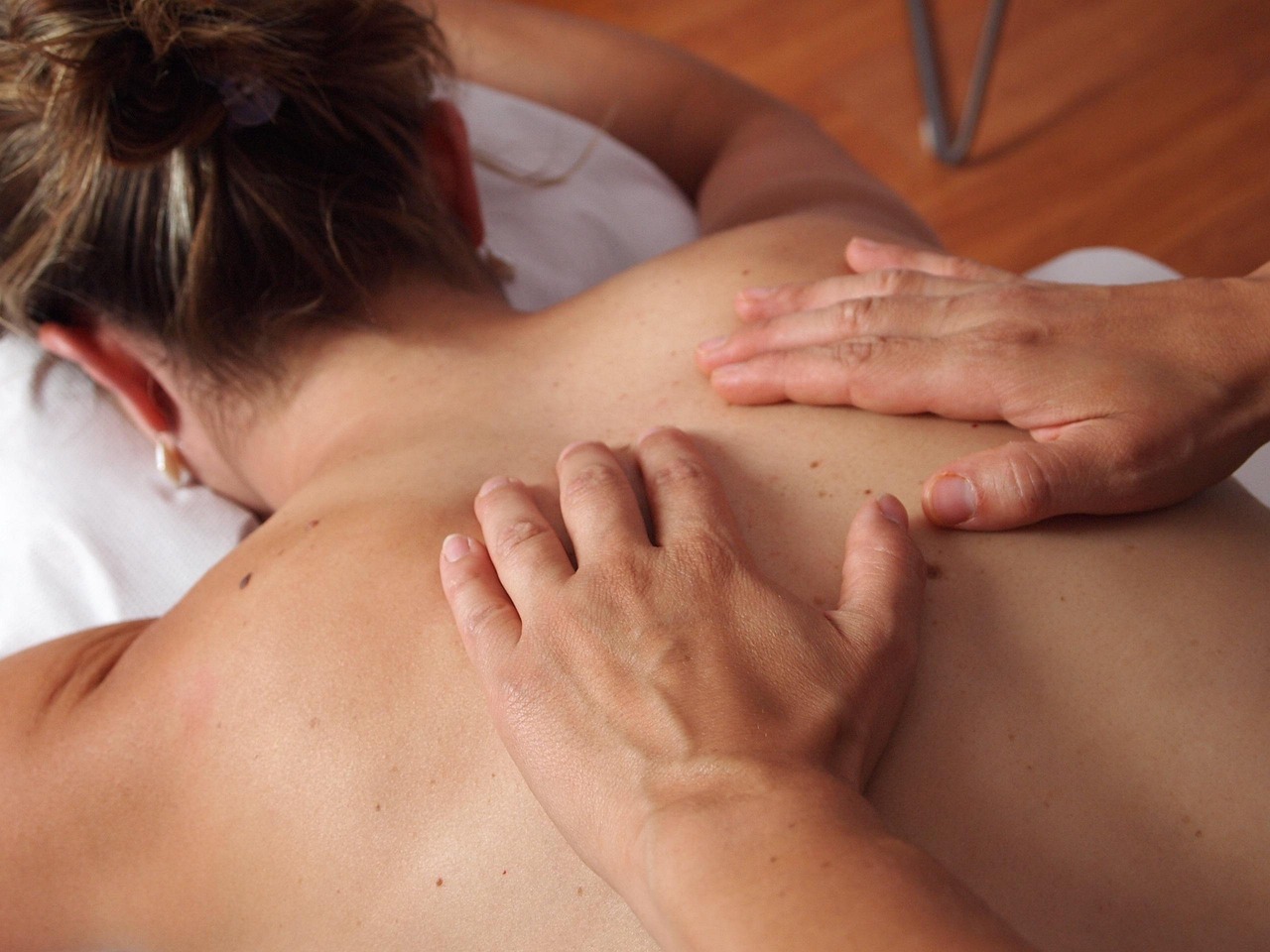
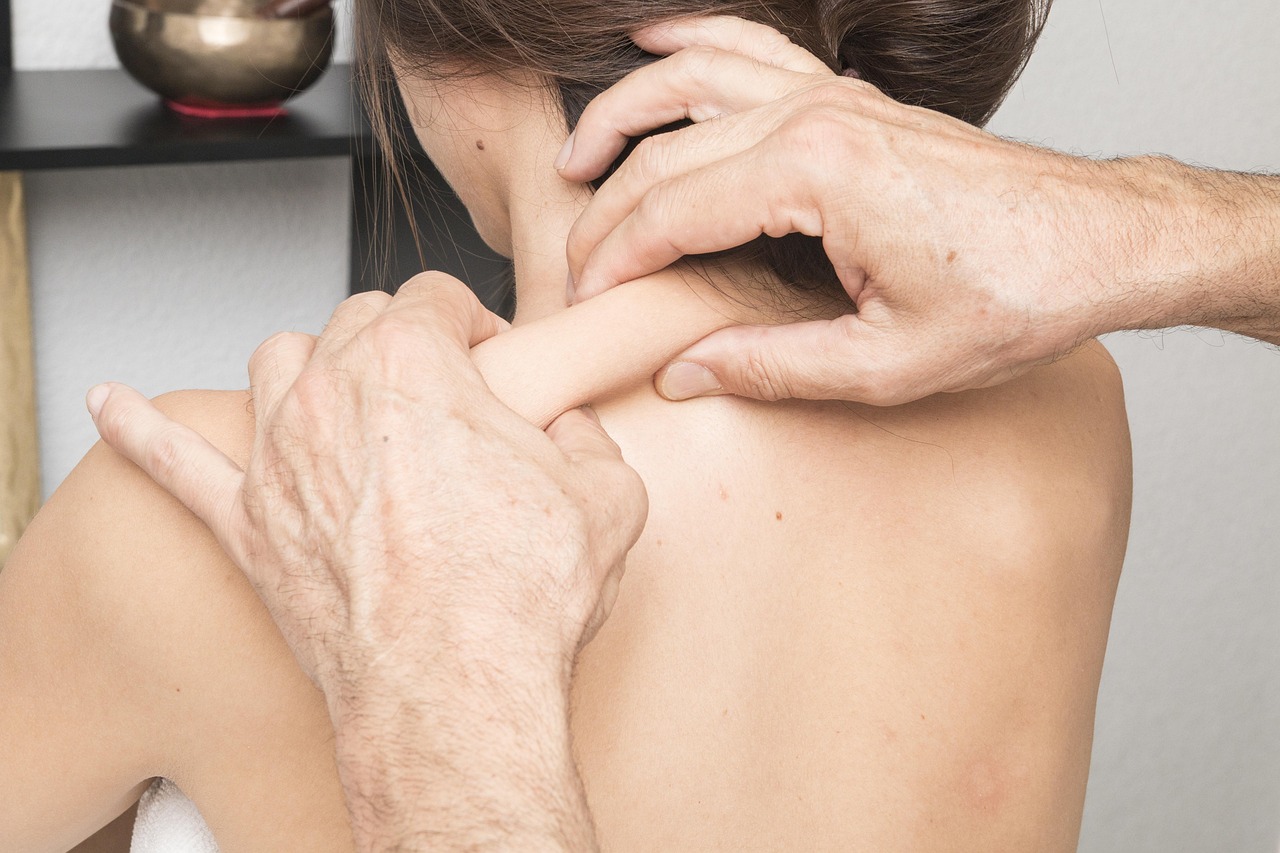
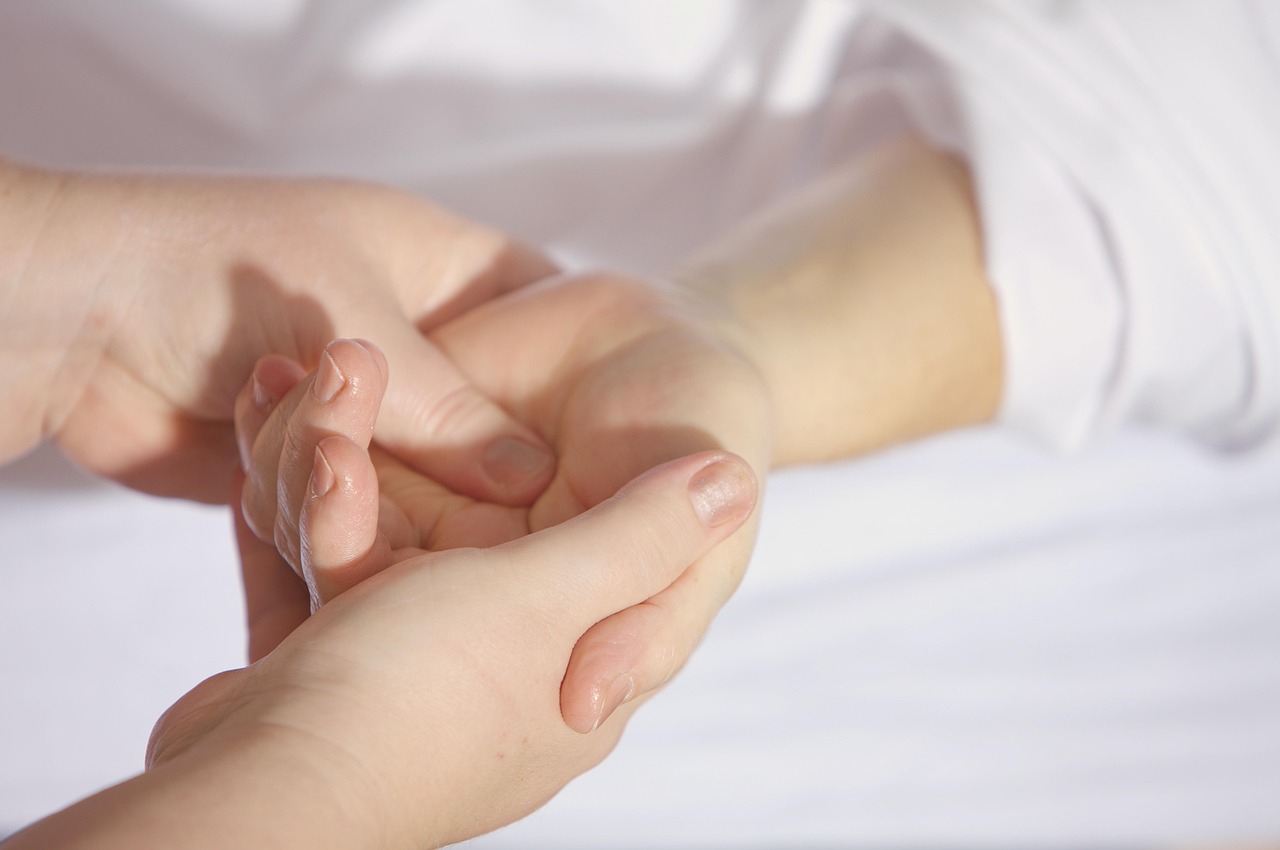
Using the hands or a tool, massage involves pressing and moving the soft tissue to achieve results. The primary goal is to loosen the muscles to reduce pain and improve flexibility, provide relaxation, and encourage better circulation.
How They Differ
One of the biggest differences between compression therapy and massage is how they’re carried out. Both can be done professionally. However, compression is a less hands-on approach than its massage counterpart. Compression therapy is done with compression boots or sleeves, while massage is performed with the hands or a device.
They also tend to have different target areas on the body. Compression therapy typically focuses on the legs or arms. Meanwhile, massage can be done on any part of the body, or even targeted to one specific section, like the upper back.
The applications and purposes for compression therapy and massage also differ, which we’ll discuss in the next section.
Common Applications
Compression therapy is a common recovery option for athletes, frequent travelers, people with office jobs, and those with blood circulation problems.
Massage is also an ideal option for athletes. This recovery option is additionally suitable for those with labor-intensive jobs, people recovering from injuries, and those who experience knots or tightness in their muscle tissue. Massage can also be helpful for increasing mobility in those with tight muscles due to stress or trauma.
Both of these wellness services can be relaxing, soothing, and pain-free. However, massage tends to be more stress-relieving than compression therapy.
The costs can also differ from service to service. However, it all comes down to the targeted area, your body’s needs, and how comprehensive of a wellness service your body requires at the time of your appointment.
Types of Compression and Massage Services We Offer
At Recovery Lab, we offer compression in the form of Normatec therapy. During a session, clients wear special Normatec boots, which rhythmically inflate and deflate to encourage better blood flow.
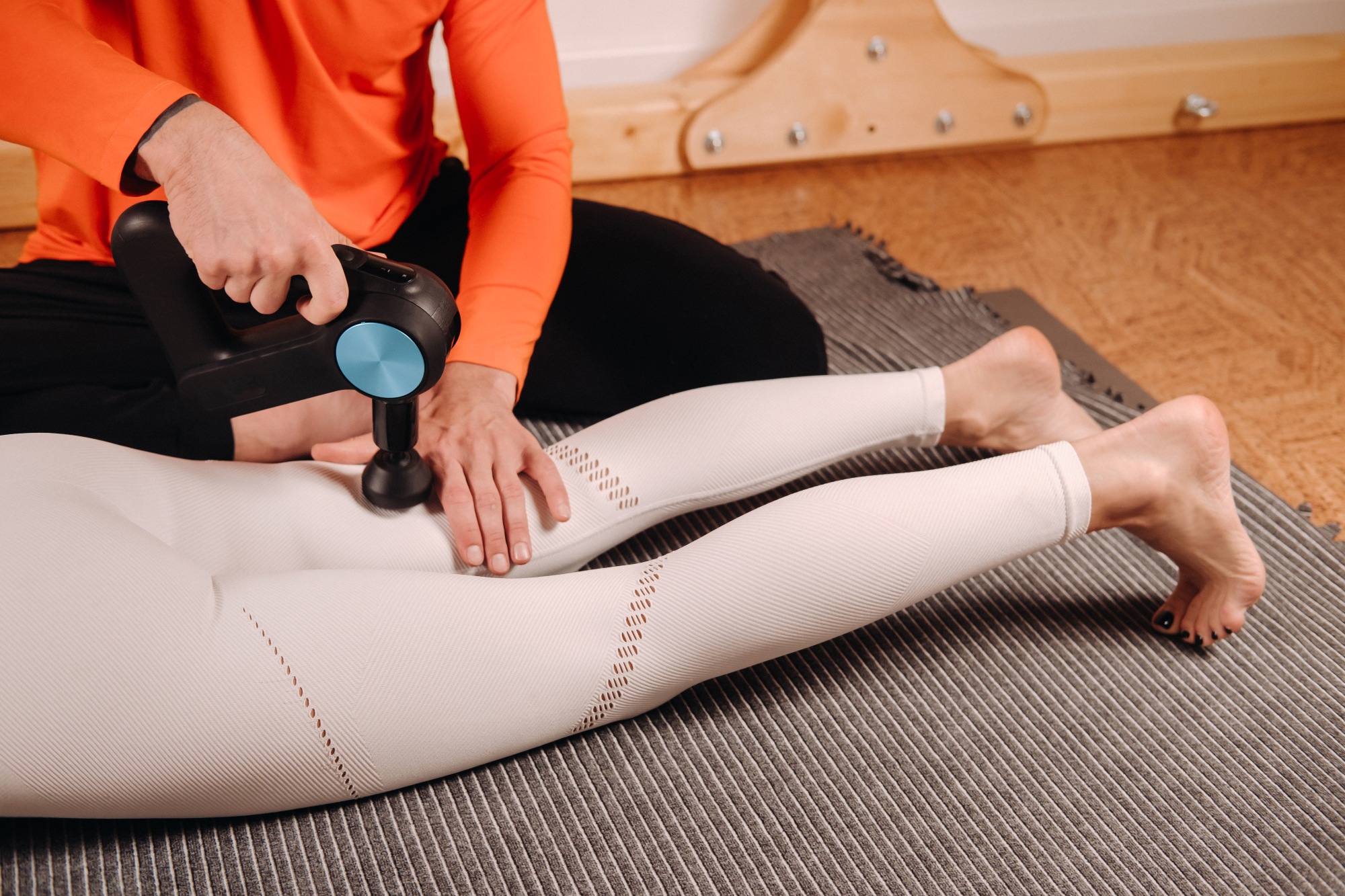
Our wellness facility also offers massage services in the form of percussion therapy. Using a percussion gun, the muscles are directly pressed and vibrated to break up tight tissue and encourage the transport of metabolic waste.
Are you interested in compression therapy via Normatec recovery or massage through percussion therapy? We’re currently accepting new clients! Call Recovery Lab today to get your first session set up.