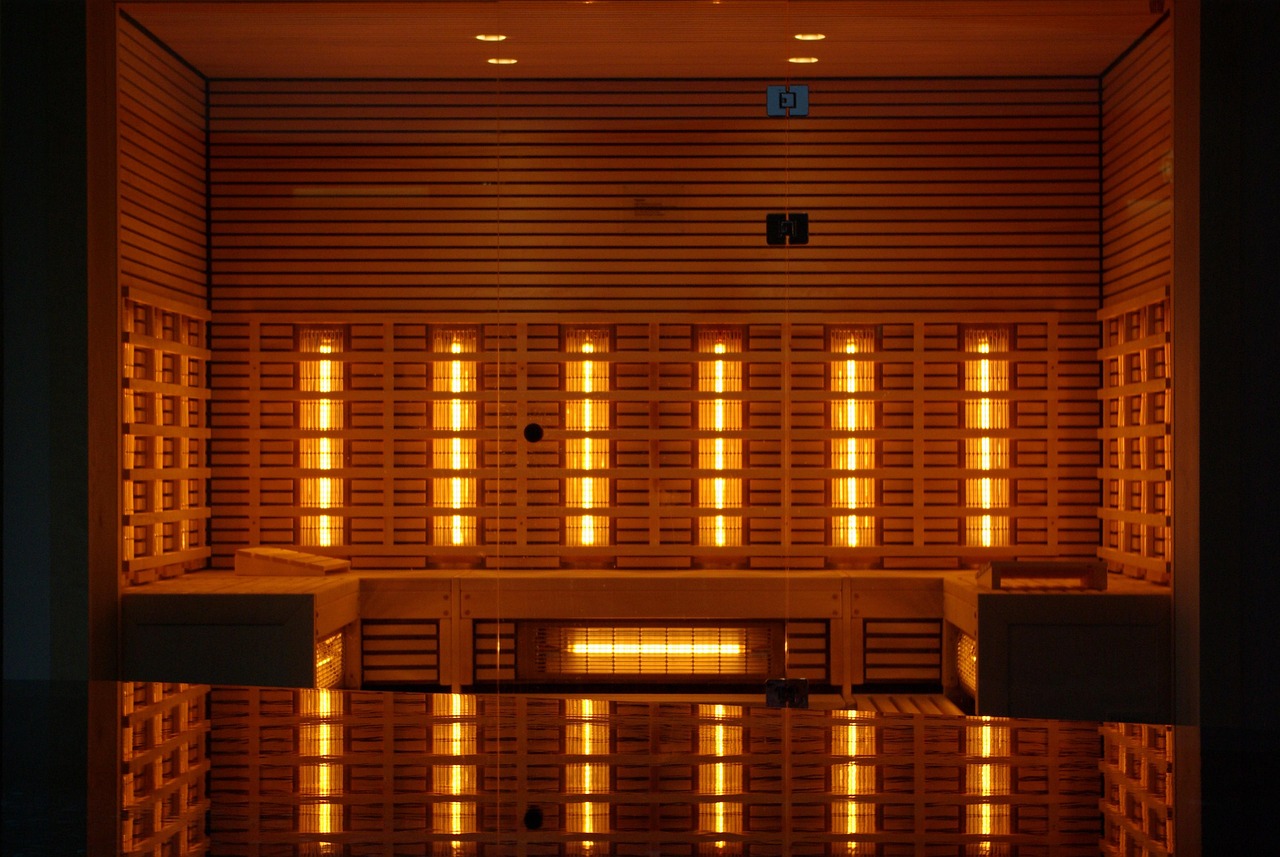
Wellness services like infrared sauna therapy are becoming all the rage for those exploring all-natural, non-invasive muscle recovery options or general wellness support.
But before jumping on the wellness service bandwagon, it’s crucial to learn more about why muscle recovery is necessary and signs you could benefit from such services. We’ll also help you compare similar wellness services to help you find the right fit for your needs.
The Importance of Quick Muscle Recovery
Muscle recovery takes time, no doubt. However, delayed muscle recovery doesn’t have to be, and shouldn’t be, an option.
When your muscles are able to recover promptly, this allows you to resume your regular daily activities, perform your best at work, and engage in less downtime between workout sessions. Less muscle tension and pain mean putting your life on pause less, all while minimizing the level of discomfort you’d feel.
Signs Your Muscles Could Use Some Help
Your muscle tissue doesn’t stay silent when it’s struggling; it will make it known. However, sometimes we ignore or misinterpret the signs it gives to us.
Signs your muscles could use help during recovery include:
- Lingering pain
- Recurring tension or stiffness
- Tissue feels tender to the touch
- Physical heaviness of the limbs/body
- Reduced range of motion or mobility
- Muscle weakness or fatigue
Infrared Sauna Therapy vs Red Light Therapy
Looking for a recovery option similar to infrared sauna therapy but don’t want to sweat? Try red light therapy.
Both services can make for relaxing experiences capable of supporting muscle recovery. However, while infrared sauna therapy utilizes light-emitting heaters, red light therapy uses red and near-infrared light, minus the heat.
As a result, many may find red light therapy to be less intimidating and more calming, especially if they’re not fond of the heat.
Infrared Sauna Therapy vs Cryotherapy
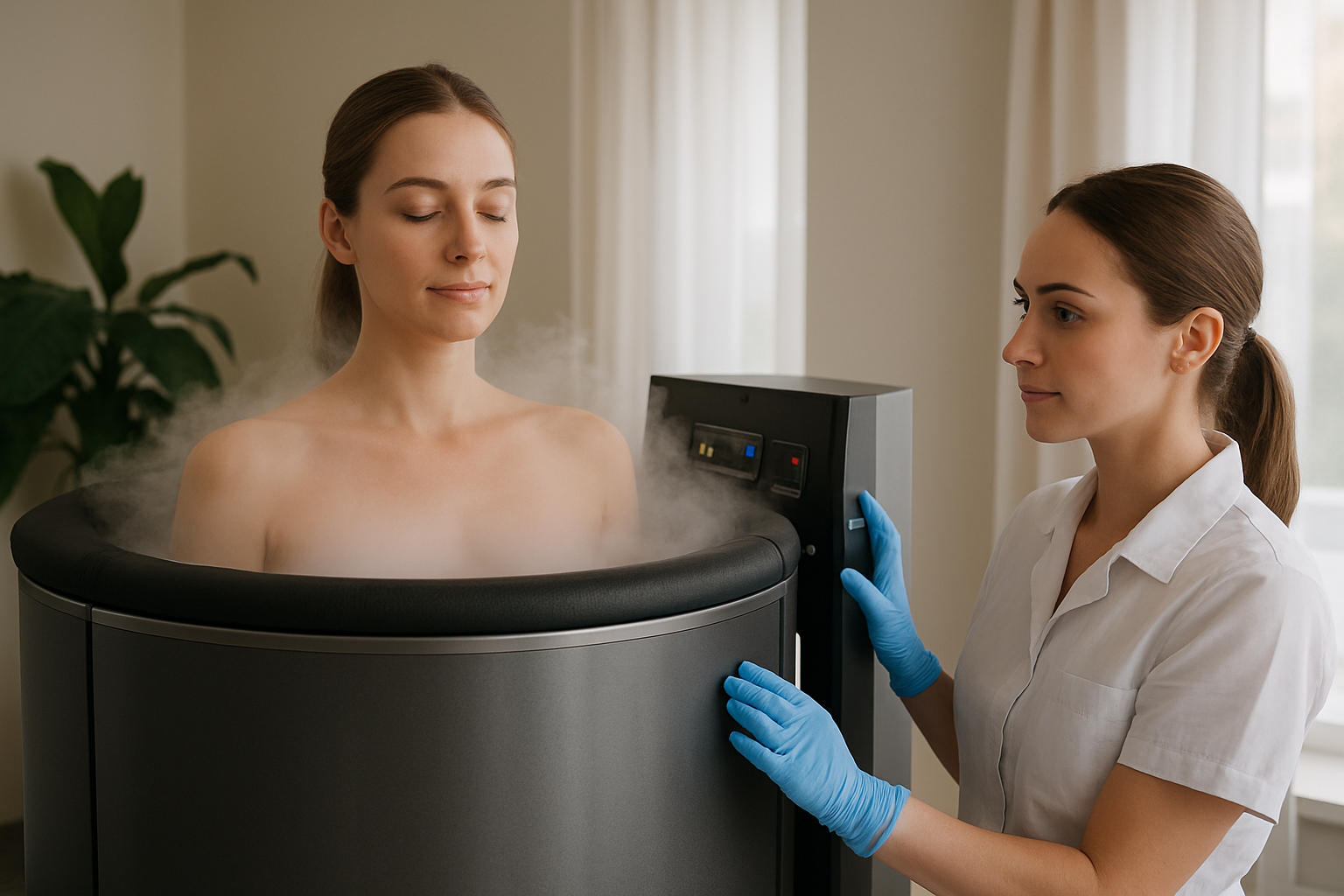
While infrared sauna therapy uses a combination of heat and light, cryotherapy does the opposite: no heat or light. Instead, it uses extremely cold air.
Despite being near opposites, these two wellness services have similar benefits in terms of reducing muscle tension and pain, boosting blood flow, and encouraging physical recovery. Not to mention, both use temperature as their primary application, despite the temperatures being polar opposites.
Another major difference between infrared sauna therapy and cryotherapy is the length of time a session takes. Cryotherapy takes mere minutes while infrared sauna therapy involves longer, more drawn-out sessions.
Does Recovery Lab Offer Infrared Sauna Therapy?
While we don’t currently offer infrared sauna therapy as part of our wellness service lineup, we do offer both red light therapy and cryotherapy, which are the closest options we offer in terms of potential benefits. These two separate services can complement one another when both are present in one’s weekly routine.
Not sure if red light therapy and/or cryotherapy might be right for you? We’re just a quick phone call away. Contact Recovery Lab today to discuss your wellness needs, and we’d be happy to make relevant service suggestions to ensure you book the right session with us.