 You haven’t yet sold your old property, and it has been on the market for a long time now. Every weekend your realtor visits your home with new potential buyers to show them your house. But it is the same old story all the time – they do not feel the vibe in there, or they cannot imagine themselves living in the place you have designed to be “your” home. You might start thinking that you should have paid attention to what your realtor suggested a few months back – maybe take down the old painting in the drawing room wall or update the window dressing. Or move the cluttered trophies beside the bed to some other place. It could be that your buyer does not like the bowling set lying right behind the couch. You can never be sure of these things. There are indeed plenty of ways to show your home to all your potential buyers, but it is also necessary to understand the difference between staging a vacant or occupied home. There is nothing to worry about as here, you’ll discover the primary differences and gain some insight on staging your property in any scenario.
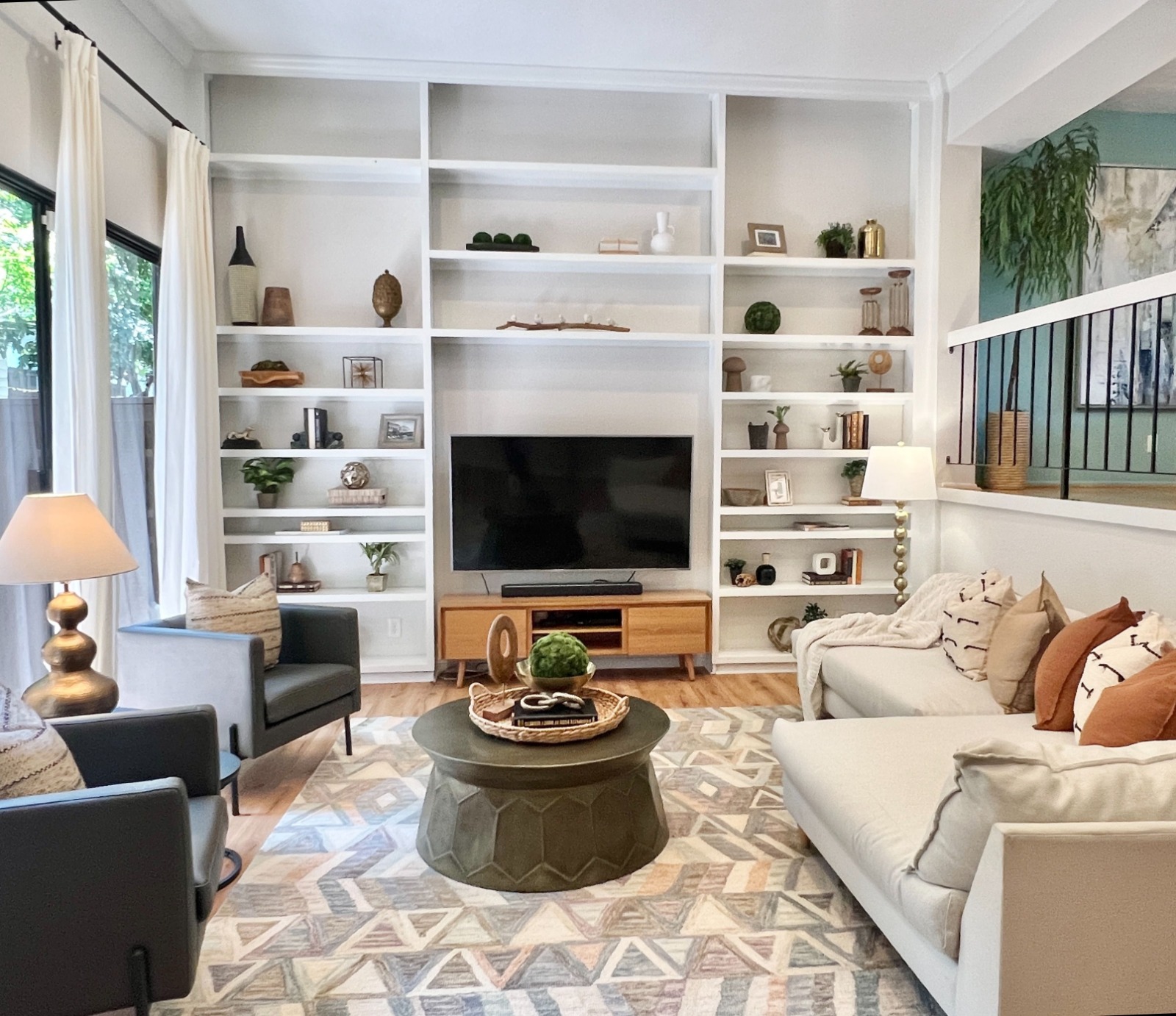
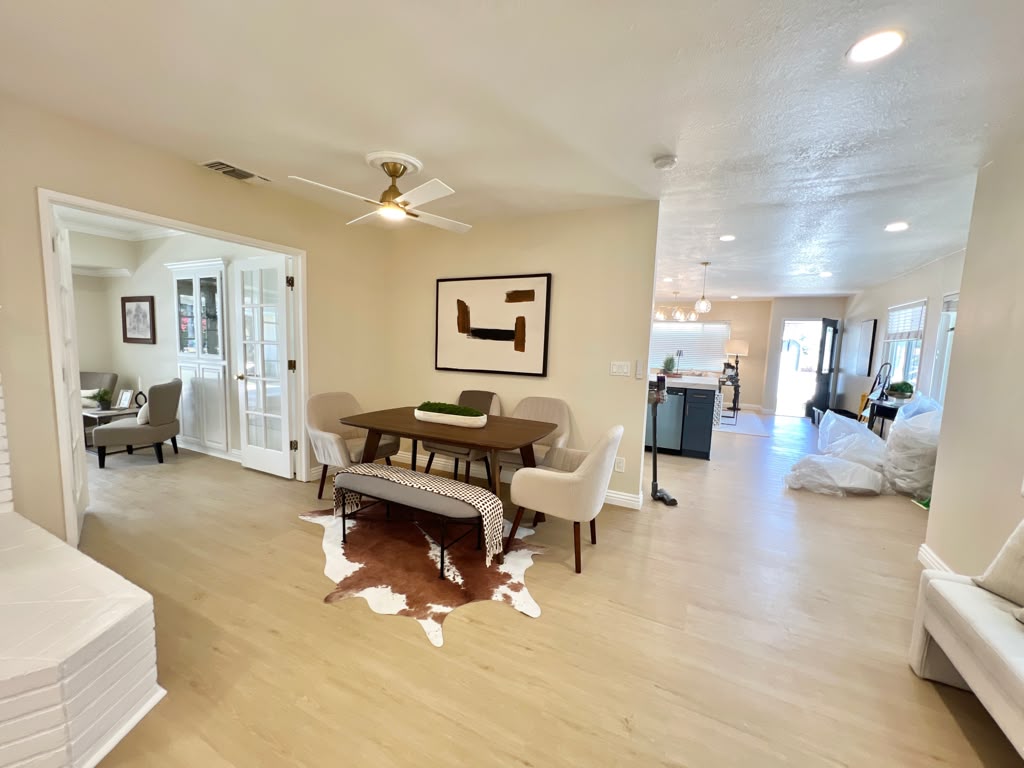
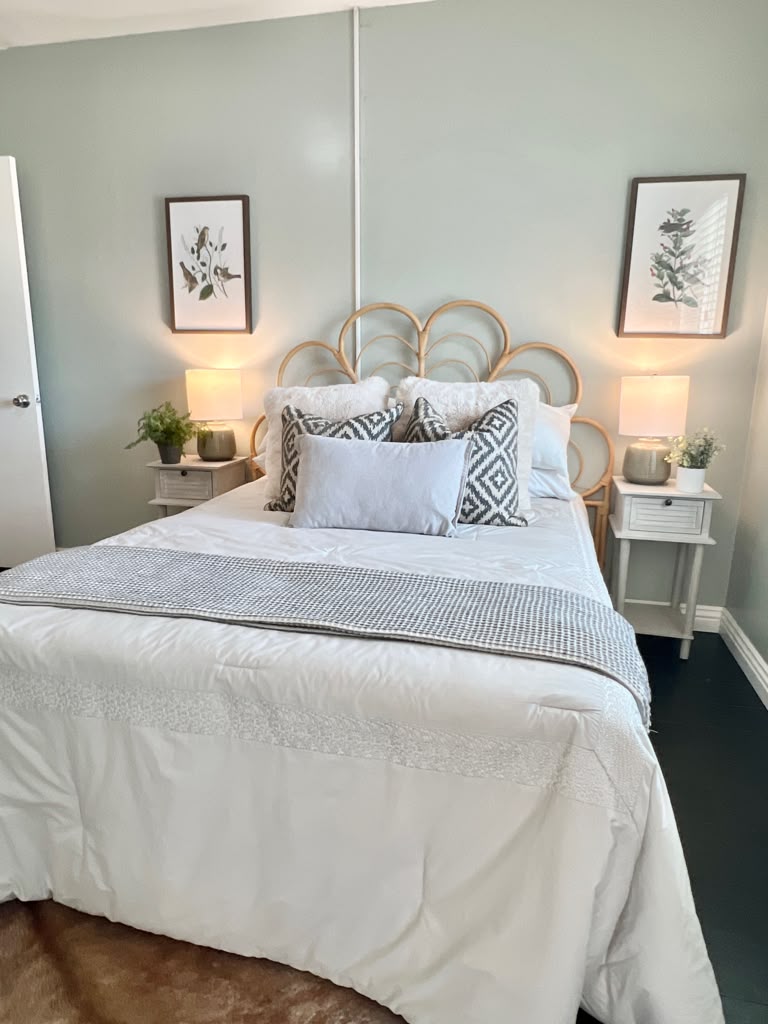
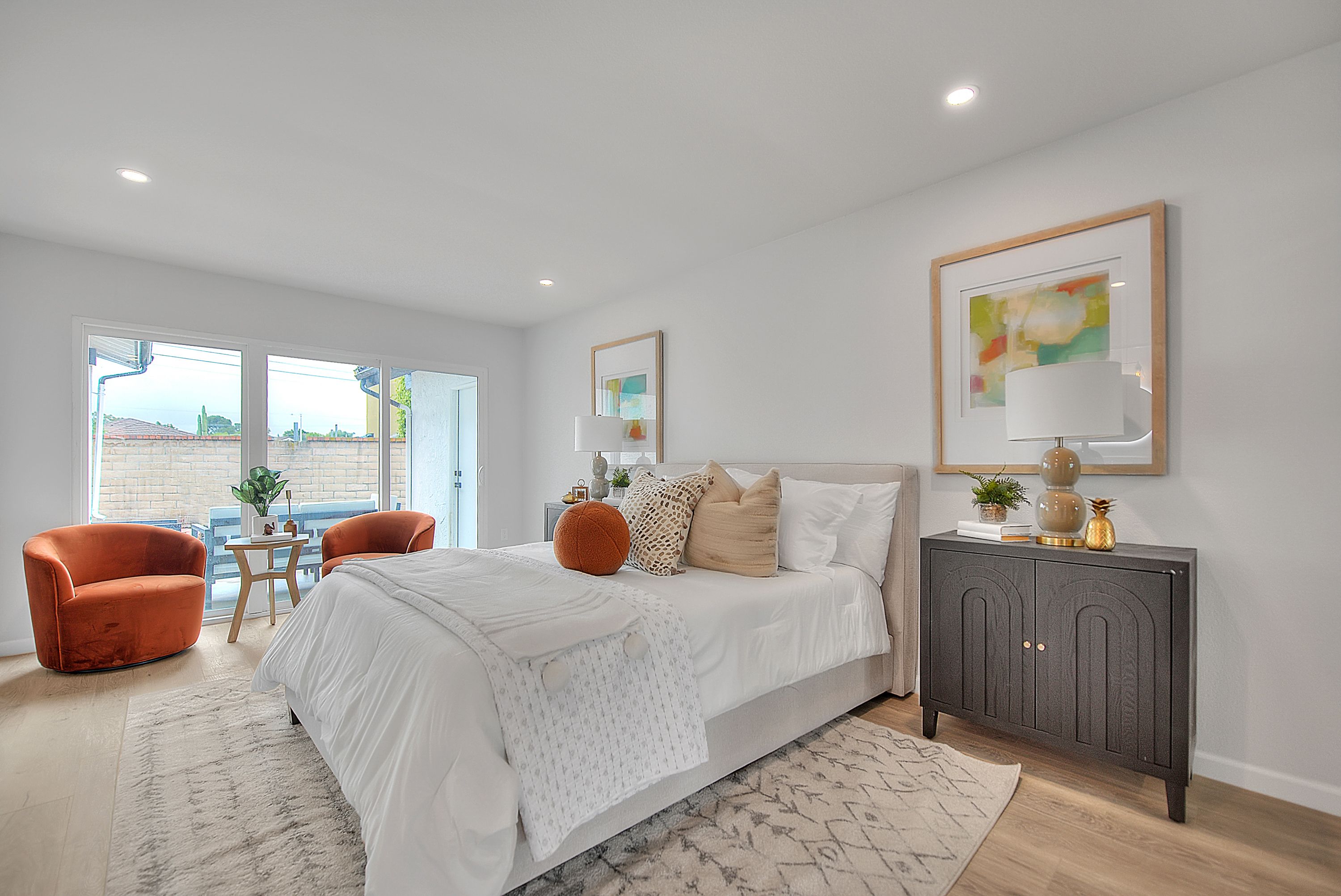
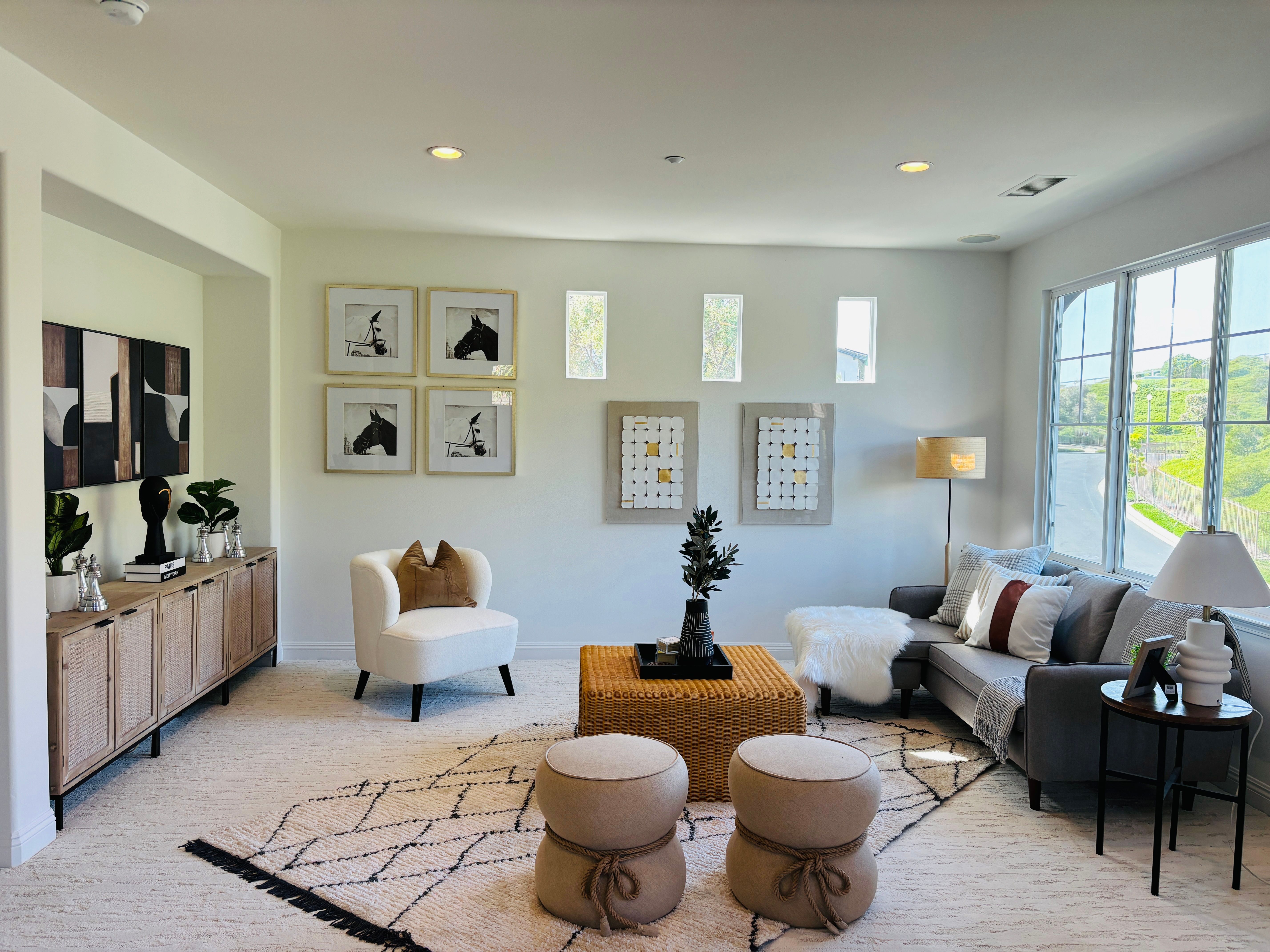
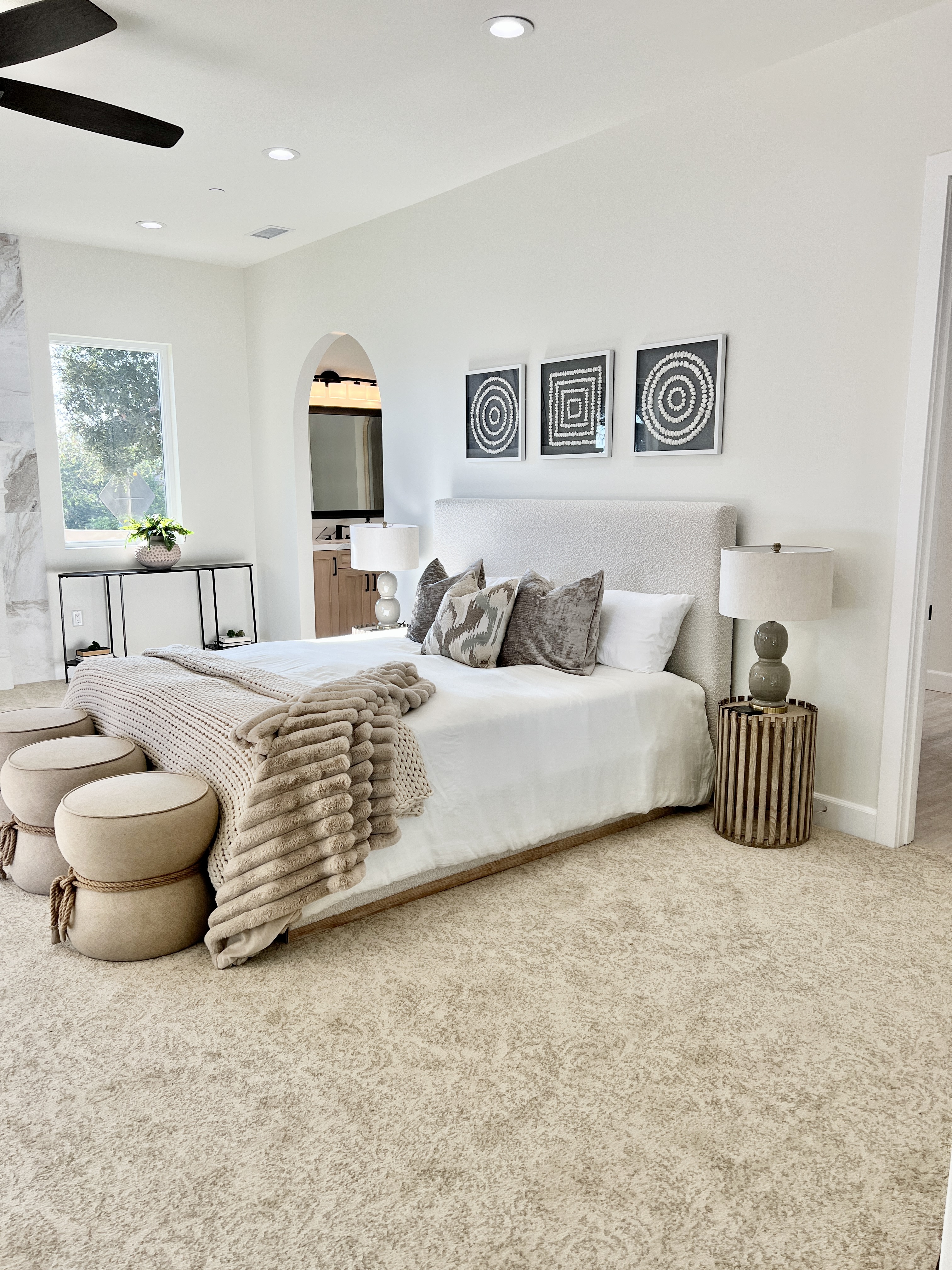
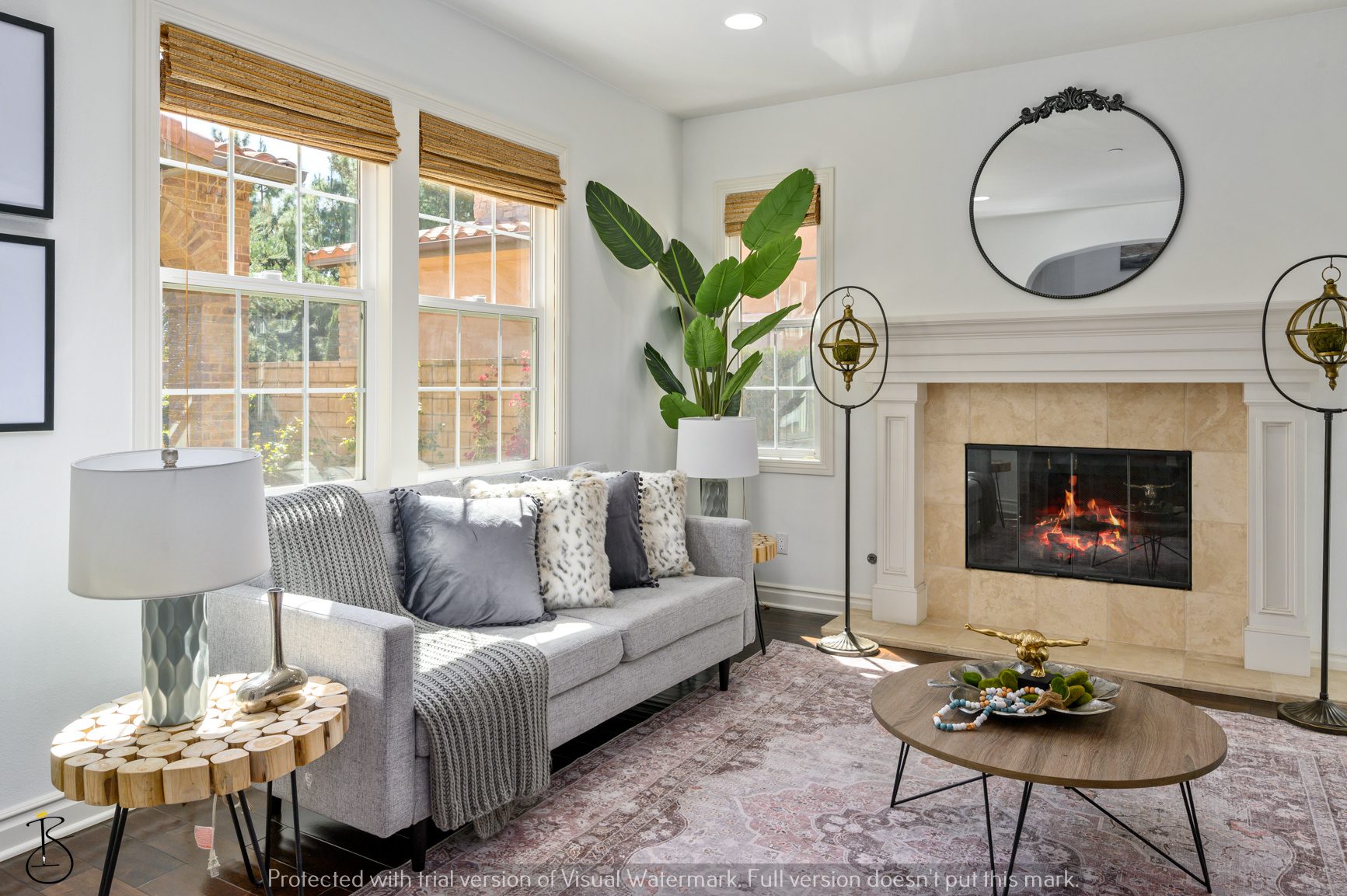
In the case of occupied home staging, a professional home stager can get some starting points to begin working on. So, it gets a bit easier on the part of the seller. Otherwise, a professional might have to remove all the furniture, de-personalize, and start reimagining the place while having the extra burden of securing the owner’s belongings. It could be a bit of a distraction to the “fast selling” objective that some sellers tend to look out for. With vacant home staging, a professional home stager will get the chance to treat the property as a blank canvas and make the home come to life in a way that will attract buyers. The best thing about vacant home staging is that a professional will get the chance to experiment with the trends of the real estate market and interior design. It is possible to downplay your home's flaws and play up all the usable elements.
In most cases, homes remain occupied, presenting a professional stager with more of a challenge and the need to work around some obstacles. First, the professional might have to depend on the occupants or homeowners for participation. A professional stager will have to collaborate with the sellers with feedback regarding why their wooden chair does not fit in the corner, for instance. A proper balance exists between home staging based on the design strategies and trends and the homeowners' wishes. Sellers might agree that selling an empty house is no easy job, but it does not matter whether your home is occupied or vacant; it needs to be staged by a professional who can make the best of the space.
You haven’t yet sold your old property, and it has been on the market for a long time now. Every weekend your realtor visits your home with new potential buyers to show them your house. But it is the same old story all the time – they do not feel the vibe in there, or they cannot imagine themselves living in the place you have designed to be “your” home. You might start thinking that you should have paid attention to what your realtor suggested a few months back – maybe take down the old painting in the drawing room wall or update the window dressing. Or move the cluttered trophies beside the bed to some other place. It could be that your buyer does not like the bowling set lying right behind the couch. You can never be sure of these things. There are indeed plenty of ways to show your home to all your potential buyers, but it is also necessary to understand the difference between staging a vacant or occupied home. There is nothing to worry about as here, you’ll discover the primary differences and gain some insight on staging your property in any scenario.
In the case of occupied home staging, a professional home stager can get some starting points to begin working on. So, it gets a bit easier on the part of the seller. Otherwise, a professional might have to remove all the furniture, de-personalize, and start reimagining the place while having the extra burden of securing the owner’s belongings. It could be a bit of a distraction to the “fast selling” objective that some sellers tend to look out for. With vacant home staging, a professional home stager will get the chance to treat the property as a blank canvas and make the home come to life in a way that will attract buyers. The best thing about vacant home staging is that a professional will get the chance to experiment with the trends of the real estate market and interior design. It is possible to downplay your home's flaws and play up all the usable elements.
In most cases, homes remain occupied, presenting a professional stager with more of a challenge and the need to work around some obstacles. First, the professional might have to depend on the occupants or homeowners for participation. A professional stager will have to collaborate with the sellers with feedback regarding why their wooden chair does not fit in the corner, for instance. A proper balance exists between home staging based on the design strategies and trends and the homeowners' wishes. Sellers might agree that selling an empty house is no easy job, but it does not matter whether your home is occupied or vacant; it needs to be staged by a professional who can make the best of the space.
Pomona, CA - Comparing Vacant vs. Occupied Home Staging from a Certified Stager
SYNOPSIS: Occupied home staging and vacant home staging are the hot topics of the real estate industry. There are certain things that you should know about both, and you can find them here.
Vacant home staging vs. occupied home staging
BY: Pantea Bionki, Bionki Interiors
You haven’t yet sold your old property, and it has been on the market for a long time now. Every weekend your realtor visits your home with new potential buyers to show them your house. But it is the same old story all the time – they do not feel the vibe in there, or they cannot imagine themselves living in the place you have designed to be “your” home. You might start thinking that you should have paid attention to what your realtor suggested a few months back – maybe take down the old painting in the drawing room wall or update the window dressing. Or move the cluttered trophies beside the bed to some other place. It could be that your buyer does not like the bowling set lying right behind the couch. You can never be sure of these things. There are indeed plenty of ways to show your home to all your potential buyers, but it is also necessary to understand the difference between staging a vacant or occupied home. There is nothing to worry about as here, you’ll discover the primary differences and gain some insight on staging your property in any scenario.
In the case of occupied home staging, a professional home stager can get some starting points to begin working on. So, it gets a bit easier on the part of the seller. Otherwise, a professional might have to remove all the furniture, de-personalize, and start reimagining the place while having the extra burden of securing the owner’s belongings. It could be a bit of a distraction to the “fast selling” objective that some sellers tend to look out for. With vacant home staging, a professional home stager will get the chance to treat the property as a blank canvas and make the home come to life in a way that will attract buyers. The best thing about vacant home staging is that a professional will get the chance to experiment with the trends of the real estate market and interior design. It is possible to downplay your home's flaws and play up all the usable elements.
In most cases, homes remain occupied, presenting a professional stager with more of a challenge and the need to work around some obstacles. First, the professional might have to depend on the occupants or homeowners for participation. A professional stager will have to collaborate with the sellers with feedback regarding why their wooden chair does not fit in the corner, for instance. A proper balance exists between home staging based on the design strategies and trends and the homeowners' wishes. Sellers might agree that selling an empty house is no easy job, but it does not matter whether your home is occupied or vacant; it needs to be staged by a professional who can make the best of the space.