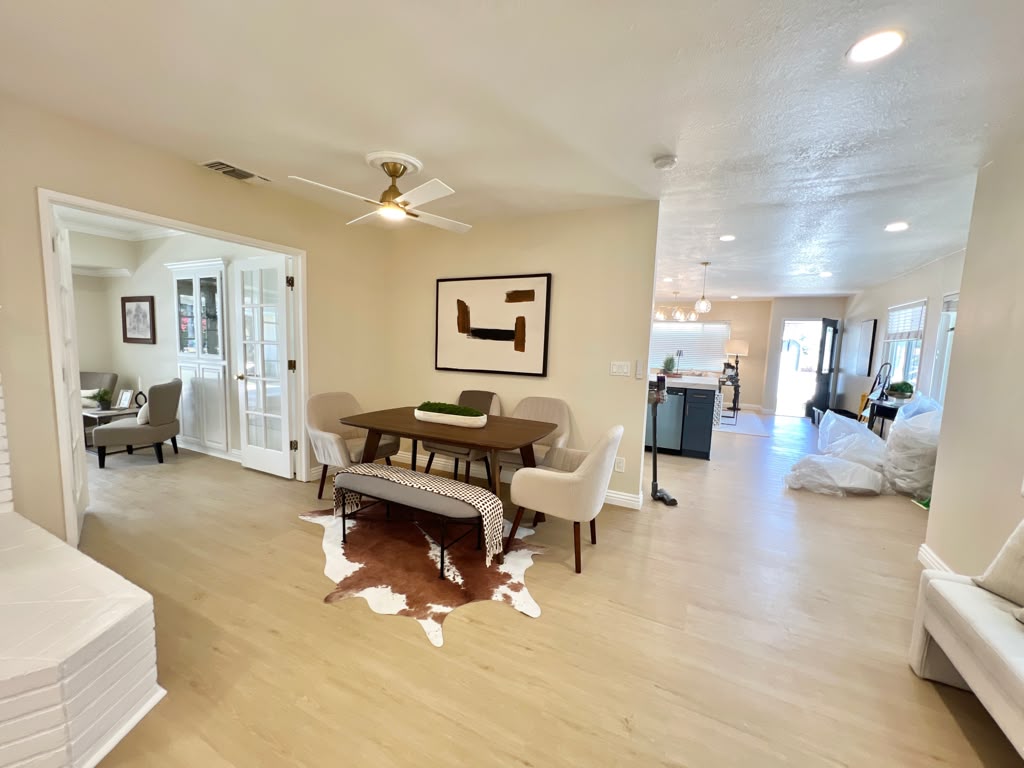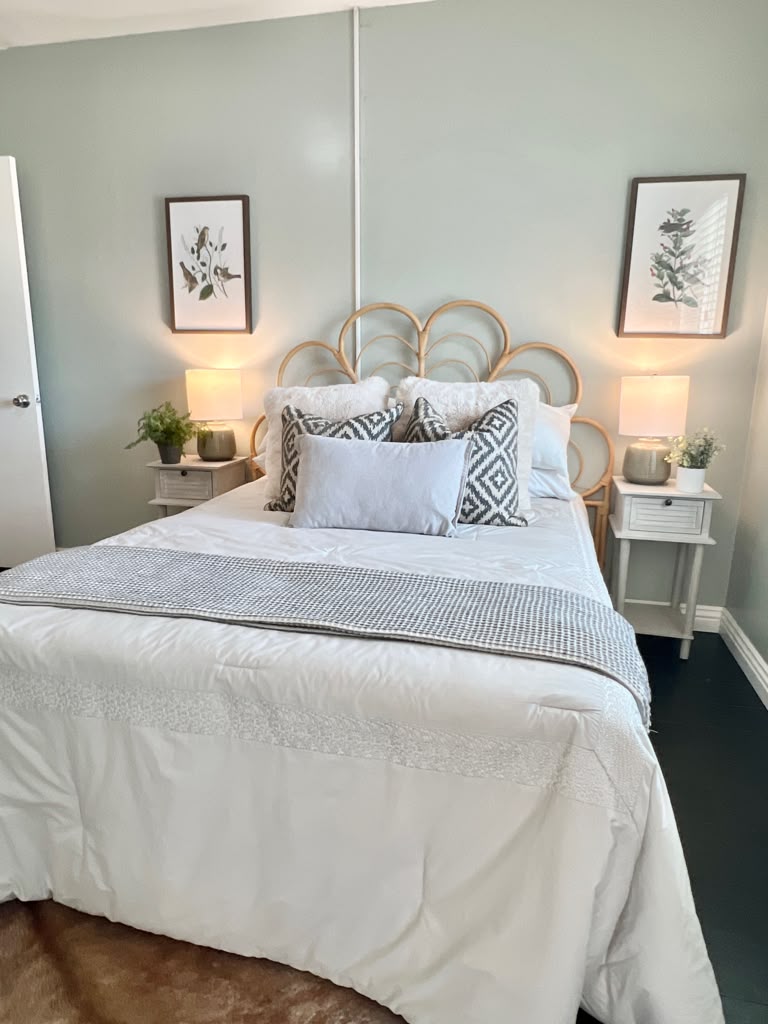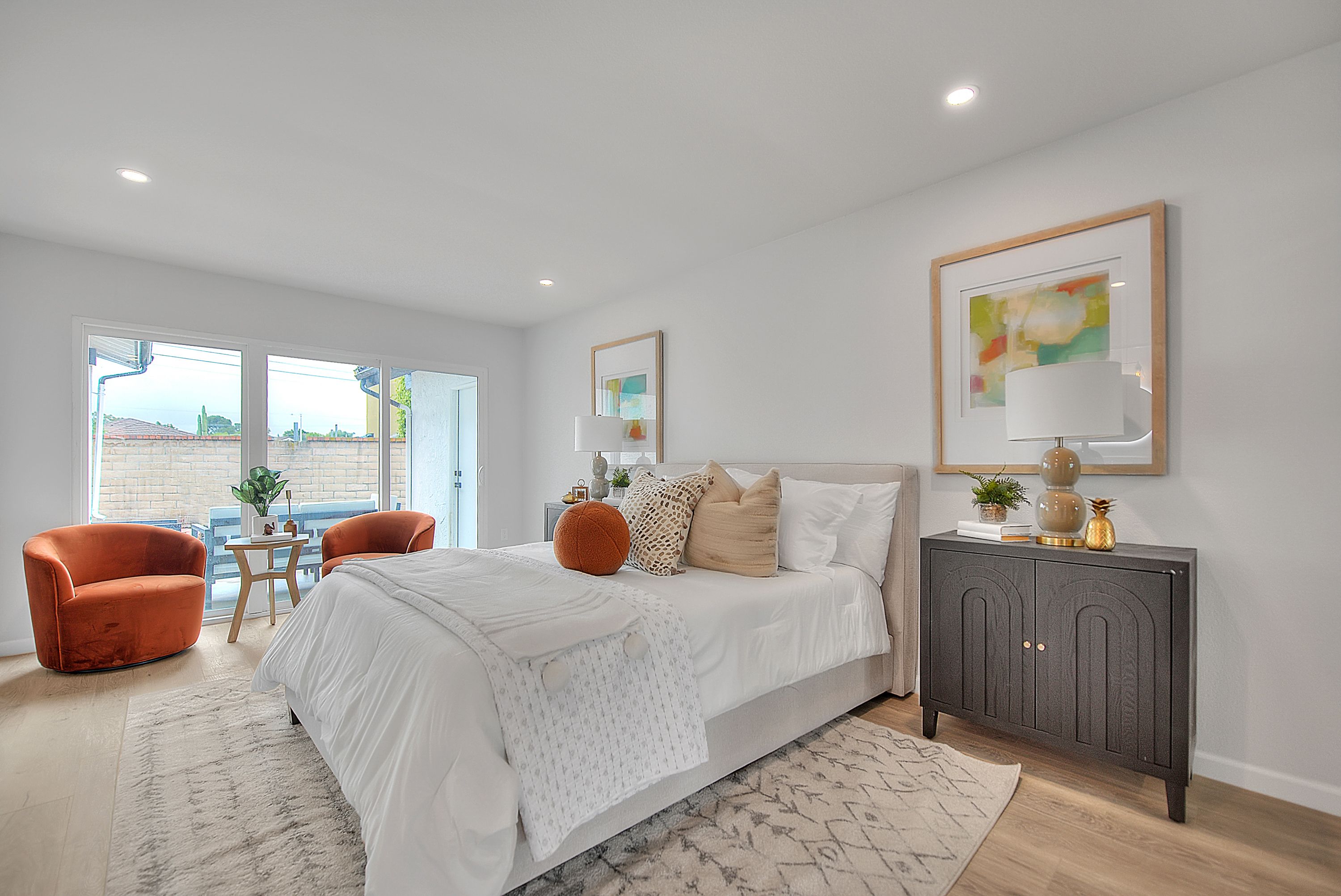
When a home is staged with the help of a professional stager, it can make the home stand out among all the competitors. In fact, staging your home can lead to a quicker sale and higher selling price compared to an unstaged property. Home staging can change the essence of a property by highlighting the primary features and arranging décor and furniture in every room that would appeal to potential buyers. Unsure about how the overall home staging process works or what it entails? Rest assured, you'll find everything you need to know right here.
- Setting a budget: The first step in home staging is setting a budget. It's important to discuss your overall budget with the professional you've hired. Keep in mind that the cost of staging will rely on various factors, like home type, location, floor area, and the extent to which the stager utilizes your belongings. In addition to the home staging fees, there could be a few additional costs associated with moving and storing your belongings. Discussing the budget before implementing your plans is always recommended.
- Defining every room: Once the budget is confirmed, a professional will tour the house to assess how each room can be defined in terms of style and usage. There is no need to stage every room if you have a limited budget. However, it's important to ensure that all rooms are decluttered, cleaned, and any necessary repairs are addressed. Remember, not every room needs to resemble a magazine spread. The key is to keep them tidy, organized, and clean, with every item appropriately arranged.
- Repair work: While it might be fun to concentrate on enhancing the home decor to impress potential buyers, it's crucial not to overlook any unattended repair work. This could reduce the overall chances of selling your home. As a seller, you will have to focus on fixing the significant problems in the first place. A professional stager will access the entire space and inquire about any unresolved issues in your home. After the repair work is done, make sure to remove any remaining debris and materials before moving on to the staging phase.
- Declutter and depersonalize: Clutter can make any space look stressful and is one of the things that buyers won’t overlook. Potential buyers would like to envision themselves living in the house and think of where they would place all their belongings. A professional home stager will expertly handle the clutter, removing unnecessary things that might disturb the setting of the house. In addition to decluttering, the stager may also suggest depersonalizing the space by removing personal photographs, keepsakes, and unique decor choices. This allows potential buyers to imagine the house as their own. Furthermore, your home's furniture might be rearranged by the stager to make the space look even more appealing.
- Cleaning and painting: Once your home is free of clutter, it's essential to have it professionally cleaned to ensure a fresh and tidy appearance. If the walls show signs of wear, the stager might suggest repainting, if that fits your budget.
- Staging day: The final phase of the home staging process is the actual staging day. This is when the professional stager brings in furniture, accessories, rugs, lamps, and other essential elements to transform the house to better attract potential buyers. Each room is carefully staged to highlight its unique features and the stager will strategically arrange the furniture, add decorative accents, and create inviting vignettes throughout the home. This attention to detail can significantly enhance the overall appeal of the property.