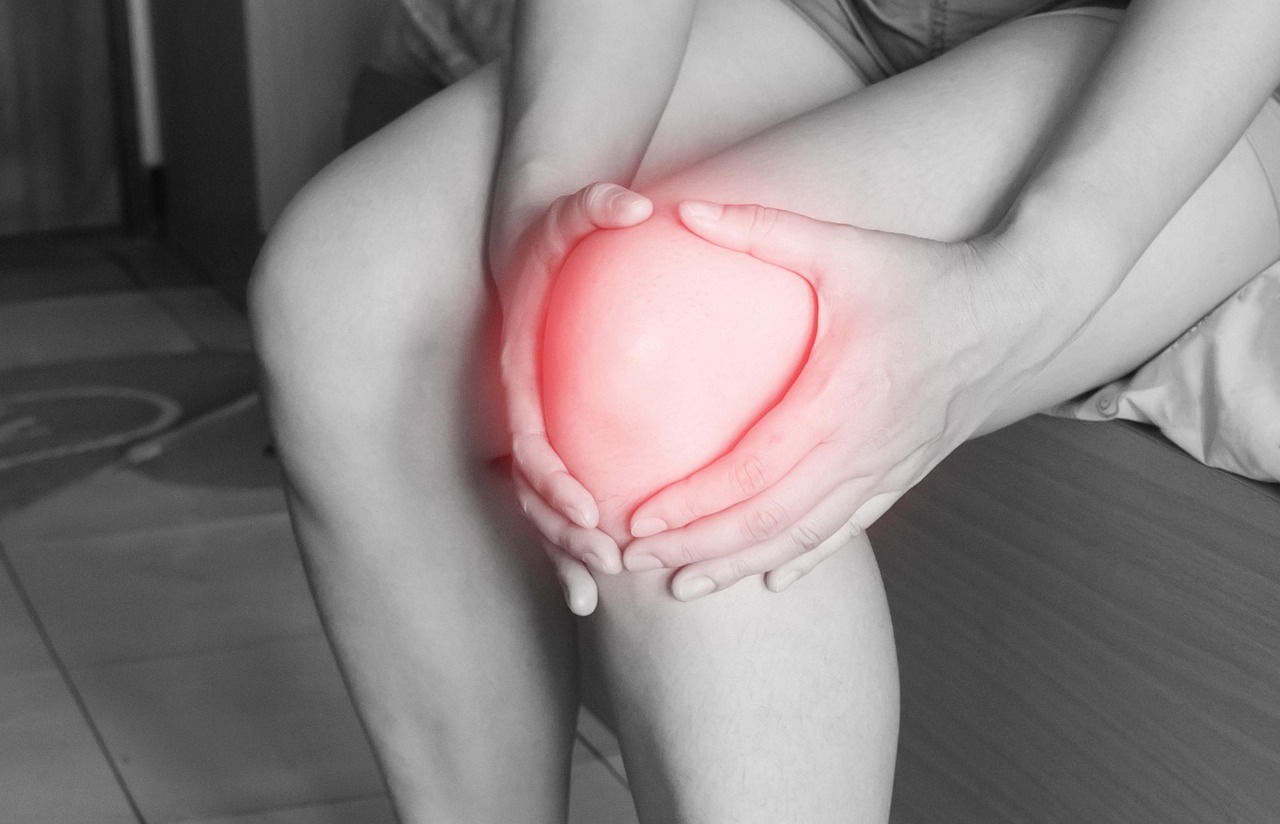
Chronic tendonitis is a special kind of stuck. A tendon gets irritated, and instead of healing and moving on like most injuries, it just stays cranky for months. Rest doesn’t fix it. Ice doesn’t fix it. Anti-inflammatories barely touch it. There’s a reason for that, and it explains why a treatment like dry needling, which seems almost too simple, can help where the usual things fail. It comes down to what’s actually happening in a tendon that’s been hurting for a long time.
Why a Chronic Tendon Won’t Heal
Here’s the surprising part. A tendon that’s been cranky for months usually isn’t inflamed anymore, even though people keep reaching for anti-inflammatories. What’s happened is that the repair process has stalled. The tendon tissue has started breaking down and becoming disorganized, and the body has essentially stopped actively trying to fix that spot.
That’s why rest and ice do so little. They’re aimed at calming inflammation that isn’t really the problem anymore. The actual issue is a healing process that quit, and calming things down further doesn’t restart it. If anything, complete rest lets it stall harder.
How the Needle Restarts It
This is where dry needling does something clever. A thin needle passed into that stalled, degenerated area of tendon creates a small, controlled bit of disruption. That disruption is the whole point. It gets the body’s attention, prompting fresh blood flow to the spot and kicking the repair process back into gear.
So rather than releasing a muscle knot, which is what needling does elsewhere, here it’s essentially rebooting a healing response that had gone dormant. It gives a stalled tendon a reason to start fixing itself again. That’s why it can help a tendon that’s ignored months of rest.
Why the Muscle Around It Gets Treated Too
Chronic tendon problems usually come with tight, knotted muscle nearby, and that tightness piles extra pull on the already-struggling tendon. So a session often addresses both, restarting the tendon and releasing the trigger points in the muscle loading it. That eases the strain from two directions at once.
Why Loading Has to Follow
Here’s the part that makes or breaks it. Restarting the healing is only half the job. The needle wakes the tendon up, but what actually rebuilds it into strong, resilient tissue is loading, controlled progressive strengthening, especially eccentric work. Without that, you’ve restarted a repair process with nothing guiding it toward strength.
And the cause has to be handled. A cranky tendon is usually paying for weakness elsewhere, so that gets addressed too, or the tendon just gets overloaded again. Dry needling opens the door. The loading walks you through it.
When to Try Dry Needling
This suits tendon problems that have gone chronic, the ones stuck for months that rest and ice haven’t moved. A freshly irritated tendon usually doesn’t need it. An assessment sorts out where yours falls.
If a tendon’s been stuck for months, come see us at Modern Medicine of Phoenix, AZ. We’ll tell you honestly whether needling could get it moving again. Give us a call to get started.