Start With What Caused the Problem
Diagnosis begins with what happened. Was there a specific moment, a twist or a pivot with your foot planted, that set it off? Or did it come on gradually? A sudden twisting injury points one direction, toward an acute tear, while a gradual onset in an older knee suggests the wear-related kind. That distinction shapes everything that follows.
They’ll also ask what the knee is doing now. Catching, locking, swelling, giving way. Each of those is a clue, and the pattern points toward whether the meniscus is involved and how.
The Hands-On Exam
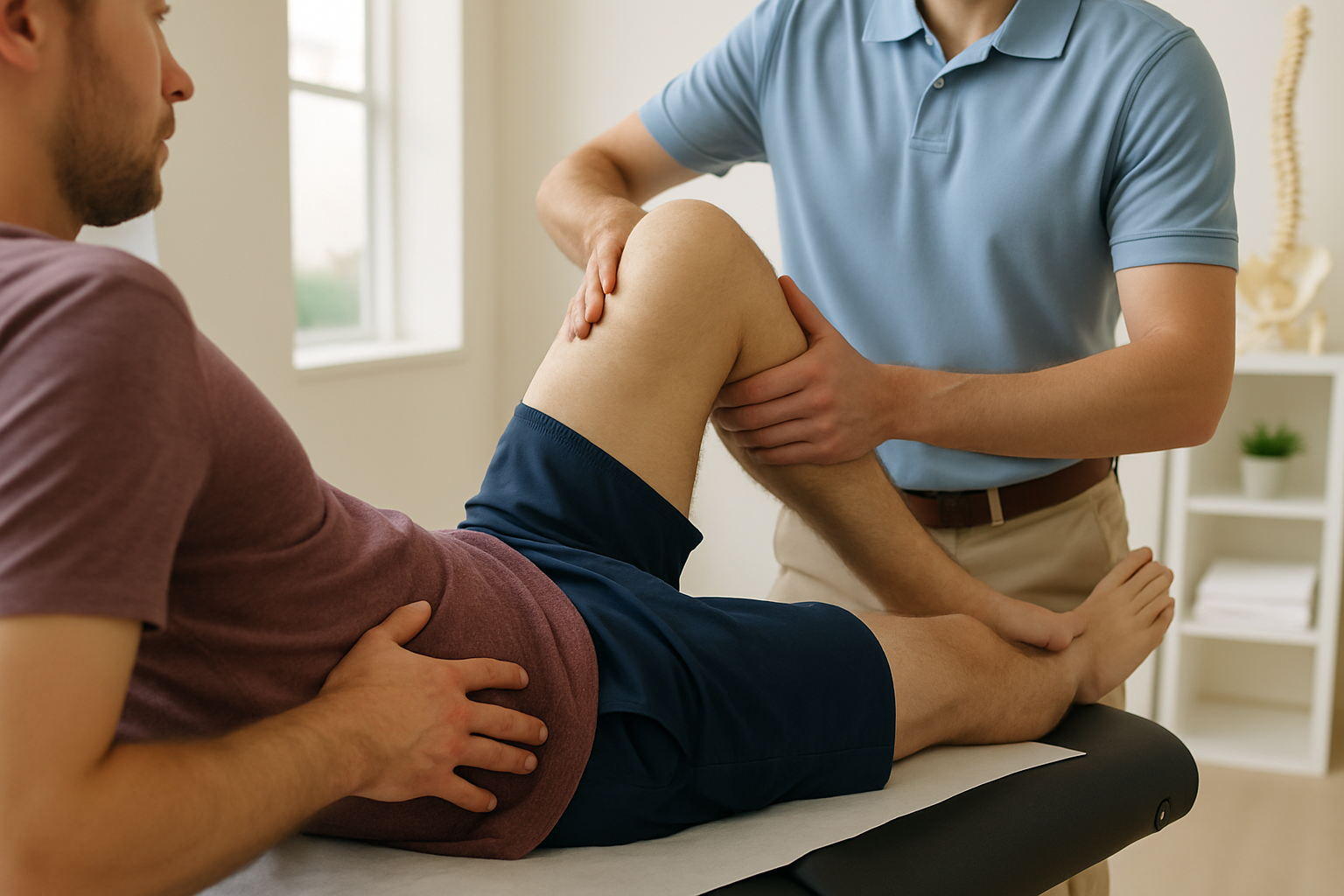
Next comes the physical exam, and a lot gets learned here. The clinician feels around the joint line for tenderness in the spots where the meniscus sits. They bend, rotate, and load the knee in specific ways designed to stress the meniscus and see if that reproduces your pain or catching. Certain movements light up a meniscus problem fairly reliably.
They’ll check the ligaments and the rest of the knee too, since meniscus tears sometimes come alongside other injuries, and since other problems can masquerade as one.
Where Imaging Fits
People expect an immediate MRI, but it isn’t always the first move. A lot can be figured out from the history and exam. When imaging is warranted, an MRI shows soft tissue like the meniscus well and can confirm a tear, its type, and its location. That said, imaging gets interpreted alongside your symptoms, because meniscus tears show up on scans of plenty of people who have no pain at all. The scan supports the picture rather than deciding it on its own.
How the Diagnosis Shapes Treatment
Here’s why all that diagnostic care matters. The type of tear drives the plan. A degenerative tear in a knee with some arthritis usually starts with conservative care, strengthening, hands-on work, and managing symptoms, and often does well without surgery. A tear that’s truly locking the knee, or certain repairable tears in younger, active people, may point toward a procedure.
So the diagnosis isn’t academic. It’s what determines whether you’re looking at a rehab plan or a surgical conversation, which is why a clinic takes the time to get it right.
When to Get It Looked At
It’s worth getting checked when your knee catches, locks, or gives way, when it swelled up after a twist, when pain and stiffness have lingered, or when you want a clear read on what’s actually going on in there.
If your knee’s been acting up since a twist or a tweak, come get it properly assessed at Modern Medicine of Phoenix, AZ. We’ll figure out what’s going on and what to do about it. Give us a call to get started.