Most running injuries feel like bad luck. The knee just started hurting. The Achilles flared out of nowhere. But dig into what happened in the weeks before, and there's almost always a pattern. A jump in mileage. Skipped rest days. Running injuries are rarely random. They're usually a training problem that finally caught up, and that's actually good news, because a training problem can be fixed.
The Mistakes Behind Most of Them
Run the tape back on a typical running injury and you'll usually find one of these:
- Ramping up mileage or pace faster than the body could adapt to
- Skimping on rest, so tissue never fully recovered between runs
- Going hard every run instead of mixing easy days in
- Adding hills, speed, or a race buildup all at once
The familiar injuries grow out of these. Runner's knee, shin splints, IT band pain, Achilles trouble, a cranky plantar fascia. Different spots, same root. The load went up faster than the body could keep pace with.
What a Sports Medicine Clinic Actually Fixes
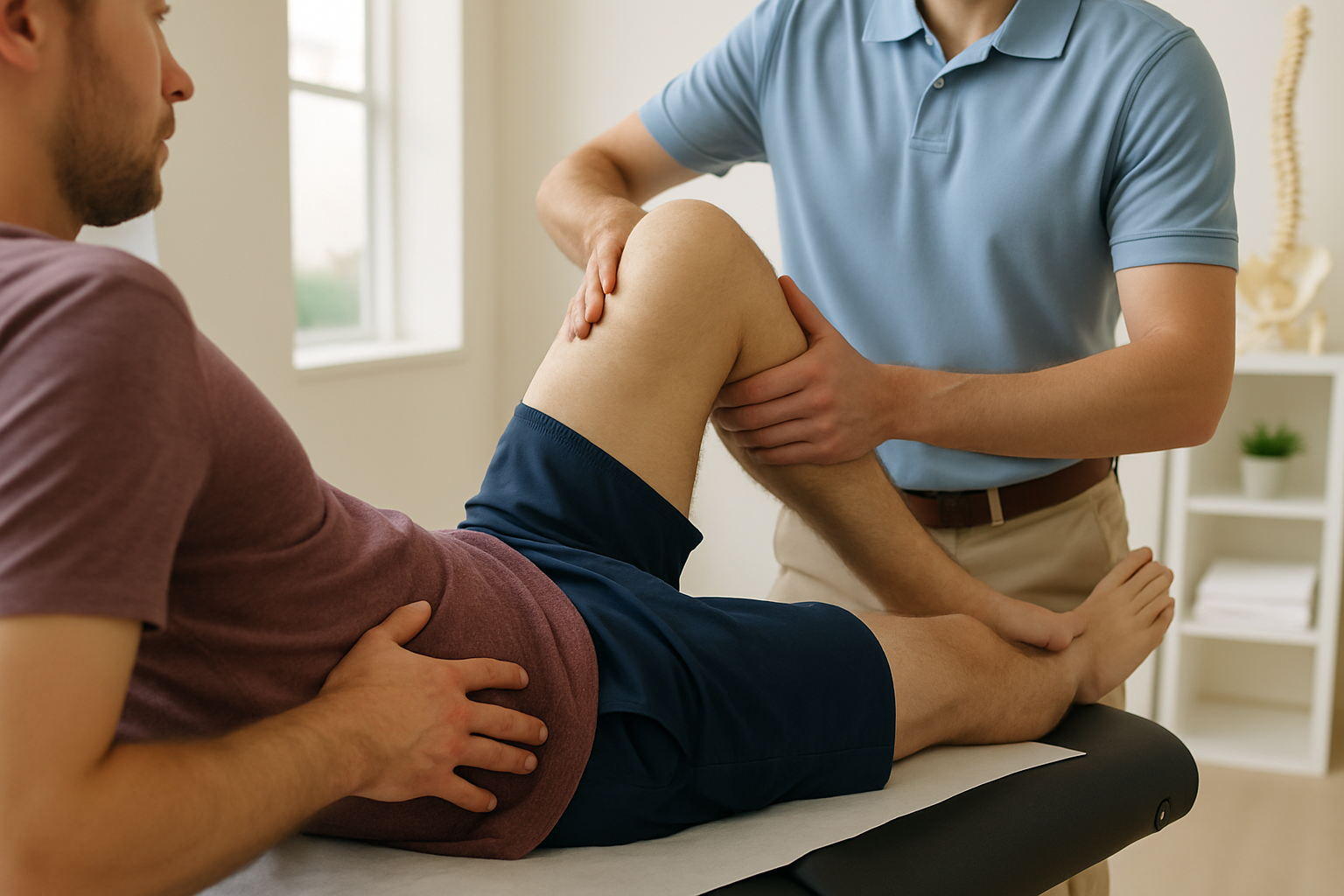
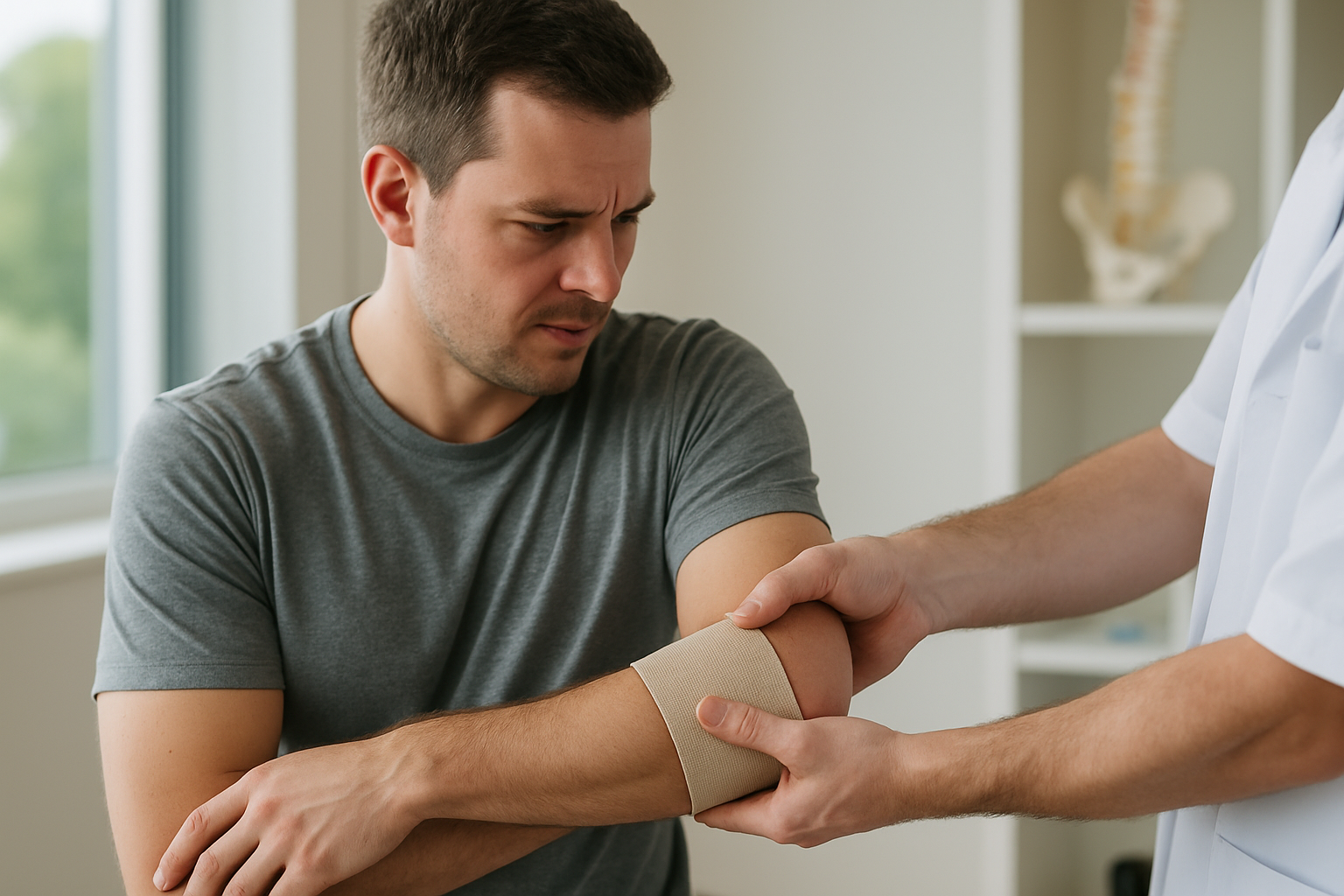
Here's where it goes past just resting the sore part. A sports medicine approach treats the injury and the training that caused it, so it doesn't come straight back when you start running again:
- Pinning down the real source, which often sits up the chain from where it hurts
- Strengthening the weak links, usually the hips, glutes, and core
- Hands-on work to loosen tight tissue throwing off your stride
- A hard look at your training load and a smarter way to build it
- A return plan that ramps you back up without repeating the mistake
That training piece is what separates it from just waiting for the pain to fade. Plenty of runners rest up, feel better, jump back to the same mileage that hurt them, and land right back on the sideline. Fixing the body without fixing the training only solves half of it.
The Comeback Matters Too
How you return decides whether the fix holds. A paced build, easing from shorter easy runs back toward your old volume, with the body proving it can handle each step, is what keeps the injury from circling back. Rushing the return is the single most common way runners re-injure themselves. Coming back smart beats coming back fast every time.
When to Get It Looked At
Runners push through too much. Worth getting checked when pain sticks around after the run instead of just during it, when it's getting worse week to week, when it's showing up earlier in each run, or when you're changing your stride to dodge it. Anything that hurts walking around, not just running, counts too.
If a nagging injury keeps cutting your runs short, Modern Medicine of Phoenix, AZ can find the cause, fix the training behind it, and map your way back. Booking takes one phone call.