 Common Causes of Sprains
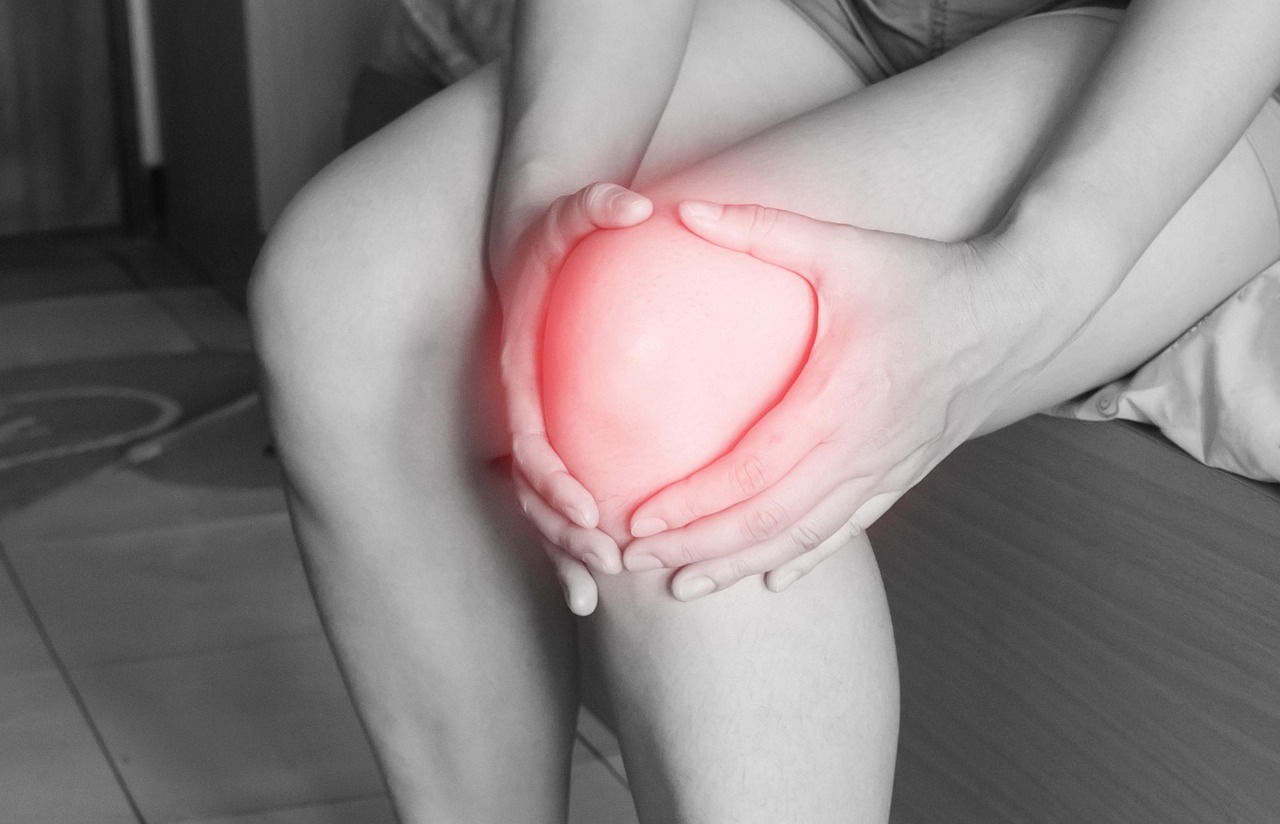
A sprain is a ligament that has been stretched too far or torn. Ligaments are the tissue connecting bone to bone, the things that keep a joint stable. Push a joint past where it's meant to go and the ligament pays for it. The common ones:
- Ankle sprains, far and away the most frequent
- Knee sprains, often from a twist or a quick cut
- Wrist sprains, usually from catching yourself in a fall
- Thumb and finger sprains are common in ball sports
They get graded by how bad the damage is. A mild one overstretches the ligament. A severe one tears it through. That grade shapes the whole timeline, which is why guessing at it instead of getting it checked tends to backfire.
What a Sports Medicine Plan Does at Each Stage
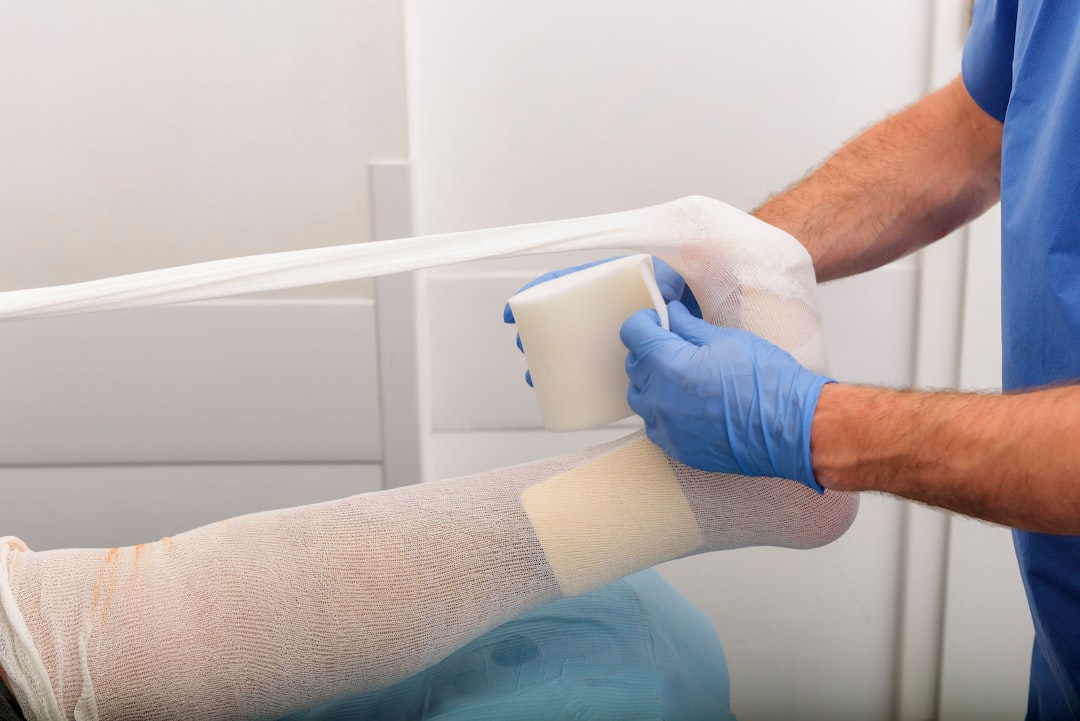
This is where structure beats winging it. A real plan moves through phases, and each one has a job. Rush a phase or skip one and you pay for it later.
The early phase is about control:
- Settling the swelling and protecting the joint
- Keeping the motion going so it doesn't stiffen up
- Figuring out the grade so the timeline is realistic
The middle phase rebuilds:
- Strengthening the muscles around the joint that went quiet
- Restoring full range so the joint moves the way it should
- Reintroducing weight and load at a pace the tissue can take
The late phase prepares you for real life:
- Balance and control work, since sprains wreck your sense of stability
- Sport or activity-specific drills that match what you'll do
- A clear set of checkpoints before you're cleared to go full speed
Each step gets cleared before the next begins. That's the part that gets people back faster, not slower. It feels like more steps, but it cuts out the setbacks that come from jumping ahead.
Why Structure Beats Toughing It Out
Plenty of people skip all this. They rest for a few days, the swelling drops, they feel okay, and they jump right back in. Then the joint, still weak and unstable, gives out again. That's how one ankle sprain becomes a habit of three a year.
The problem isn't the original sprain. It's the gap left behind. A sprained joint loses strength, loses its sense of position, and stays vulnerable until it gets rebuilt. A structured plan closes that gap before you load the joint back up.
Instead of wondering whether today's the day to test it, you've got clear markers. Can you walk without a limp? Hop on it? Cut and pivot? Each answer tells you exactly where you stand.
Just rolled or tweaked a joint and want to handle it right? Modern Medicine of Phoenix, AZ, builds sprain recovery plans that get you back without repeat trips. Call today to set up an evaluation.