A shoulder injury makes itself known fast. You go to grab something off a high shelf and the arm won't cooperate. Putting on a shirt turns into a careful negotiation. And sleep gets wrecked, because there's no good side to lie on once that shoulder is hurting. Of all the joints, the shoulder might be the one you notice most when it stops working, simply because you use it for nearly everything.
The good news is that most shoulder injuries have solid treatment paths, and most of them don't start with surgery.
What Goes Wrong in a Shoulder
The shoulder gives up stability to gain range. It moves more freely than any joint you've got, and that freedom is exactly what leaves it open to trouble. The common injuries:
- Rotator cuff strains and tears, from overhead work or a sudden yank
- Tendonitis from doing the same motion over and over
- Bursitis, when the cushioning sac in the joint gets inflamed
- Labral tears in the cartilage rim that helps hold the joint together
- Frozen shoulder, where the joint stiffens and locks up over time
- Dislocations or separations from a fall or a hard hit
Some come from one clear moment. A fall, a bad lift, a wrong reach. Others creep in over months of repeating the same motion. Pinning down which kind you're dealing with shapes everything that comes after.
Orthopedic Treatments That Help It Heal
Once the cause is clear, the treatment options open up wider than most people expect. The first stop is almost never the operating room. What orthopedic care usually pulls from:
- Physical therapy to rebuild strength and restore the motion you lost
- Targeted exercise for the rotator cuff and the muscles around the shoulder blade
- Injections to settle inflammation and break a stubborn pain cycle
- Activity changes that give an irritated shoulder room to calm down
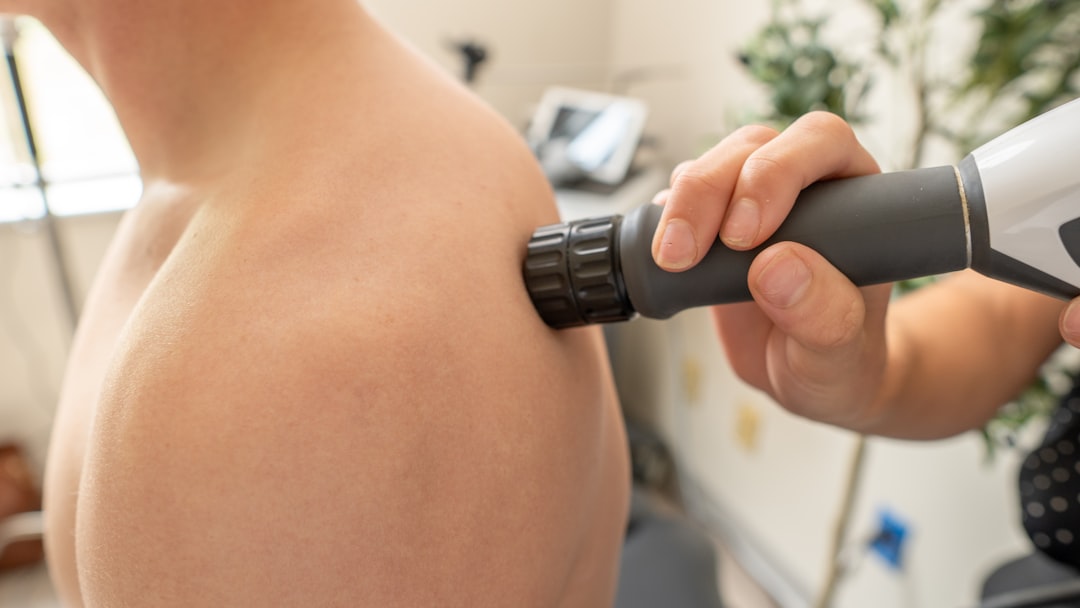
- Hands-on treatment to loosen tight tissue and free up movement
- A graded loading plan that pushes the tissue just enough to heal it
The pacing is the part people get wrong on their own. Load it too hard, too soon and the shoulder flares. If you baby it too long, the joint stiffens while the muscles fade. Good treatment keeps you in that middle lane, adjusting as the shoulder tells you how it's doing.
How We Choose the Right Approach
Not every shoulder needs the same thing, which is why the evaluation matters so much. A torn rotator cuff and a frozen shoulder both hurt, but they need very different work. Treat them the same, and you waste time at best, make it worse at worst.
A real exam looks at how the shoulder moves, where it catches, what's weak, and what's actually driving the pain. From there, the plan gets built around your specific injury and what you need to get back to. The person who has to lift boxes all day needs a different endpoint than the one who just wants to sleep through the night.
There's also the bigger picture. Shoulder trouble often traces back to a stiff upper back or a weak shoulder blade. Chase only the sore spot and you miss why it happened. The better approach treats the whole system that moves the arm.
Dealing with a shoulder that won't cooperate? Modern Medicine of Phoenix, AZ, helps people get hurt shoulders moving and strong again. Call today to set up an evaluation.