Everyone wants to recover quickly. That part makes sense. But faster recovery is not the same as skipping steps or pushing through things that are not ready to be pushed.
Real speed comes from doing the right things at the right time. Starting rehab at the correct point. Loading tissue in a way that drives healing rather than setting it back. Catching compensation patterns before they turn into habits. Treating the full picture, not just the part that hurts most.
Orthopedic care that is actually focused on recovery speed looks different from care that just monitors healing and waits.
What Slows Recovery Down
Most recoveries that stall do so for a handful of reasons. Some are easy to miss.
- Starting rehab too late: Scar tissue builds. Muscles weaken. The range of motion that could have been maintained gets lost and has to be fought back.
- Starting too aggressively: Tissue that gets overloaded before it is ready breaks down again. Inflammation returns. The timeline resets.
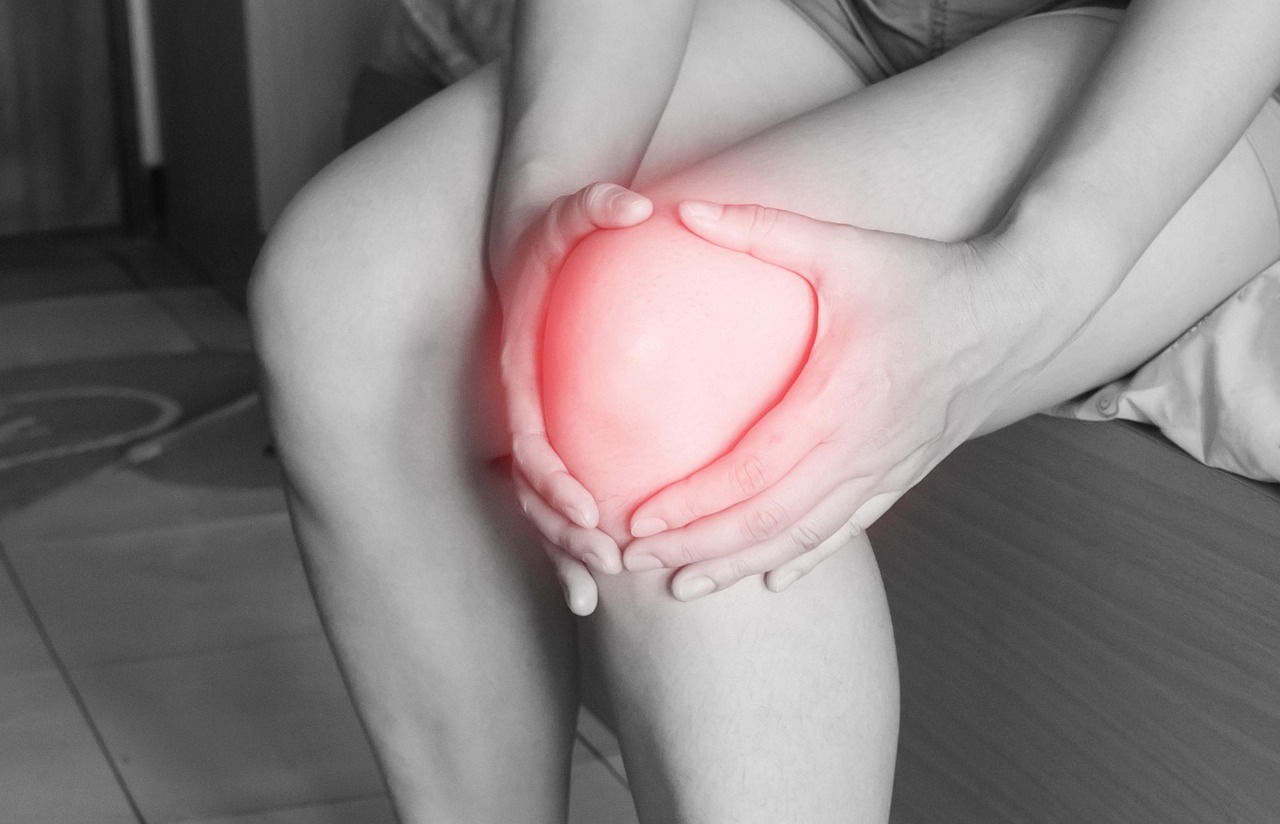
- Ignoring compensation patterns: A sore knee shifts the load to the hip. A repaired shoulder finds movement paths that avoid the painful range. Those workarounds feel fine until they cause a secondary problem nobody expected.
- Missing the underlying issue: Some injuries keep recurring because the cause, a muscle imbalance, a movement fault, or a stability deficit, never got addressed. Treating the injury without treating the cause is how people end up back in the same place six months later.
What Orthopedic Care Is Looking At
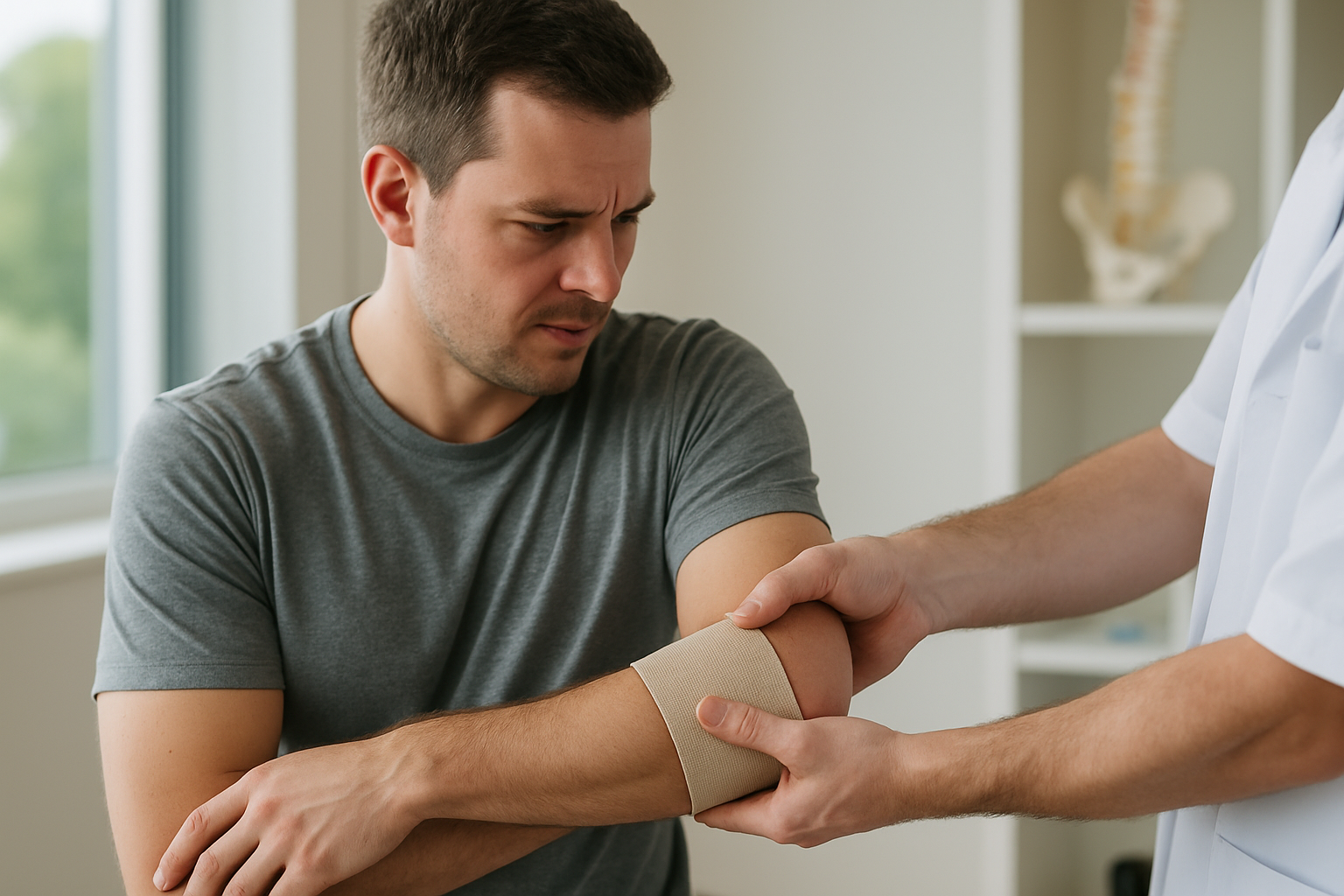
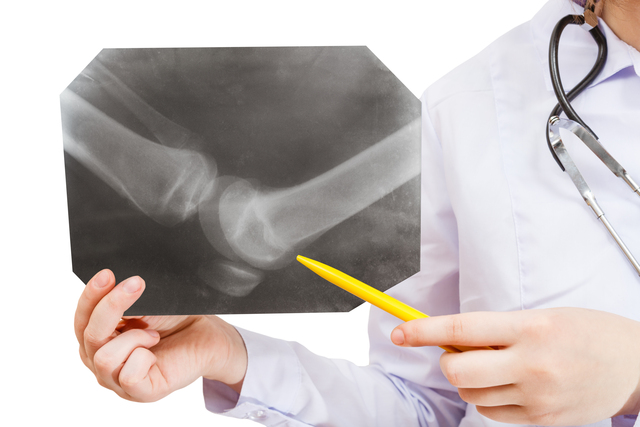
A proper orthopedic evaluation after an injury looks beyond the injury site.
How are the surrounding structures holding up? Where strength has dropped off. What the movement pattern looks like now versus how it should. Whether swelling, restricted range, or guarding is going to limit progress, if it does not get addressed directly.
Scottsdale patients come in with everything from acute sports injuries to post-surgical stalls to chronic issues that flare after a specific incident. Each one has a different starting point. The evaluation defines the path forward.
What Faster Recovery Actually Looks Like in Practice
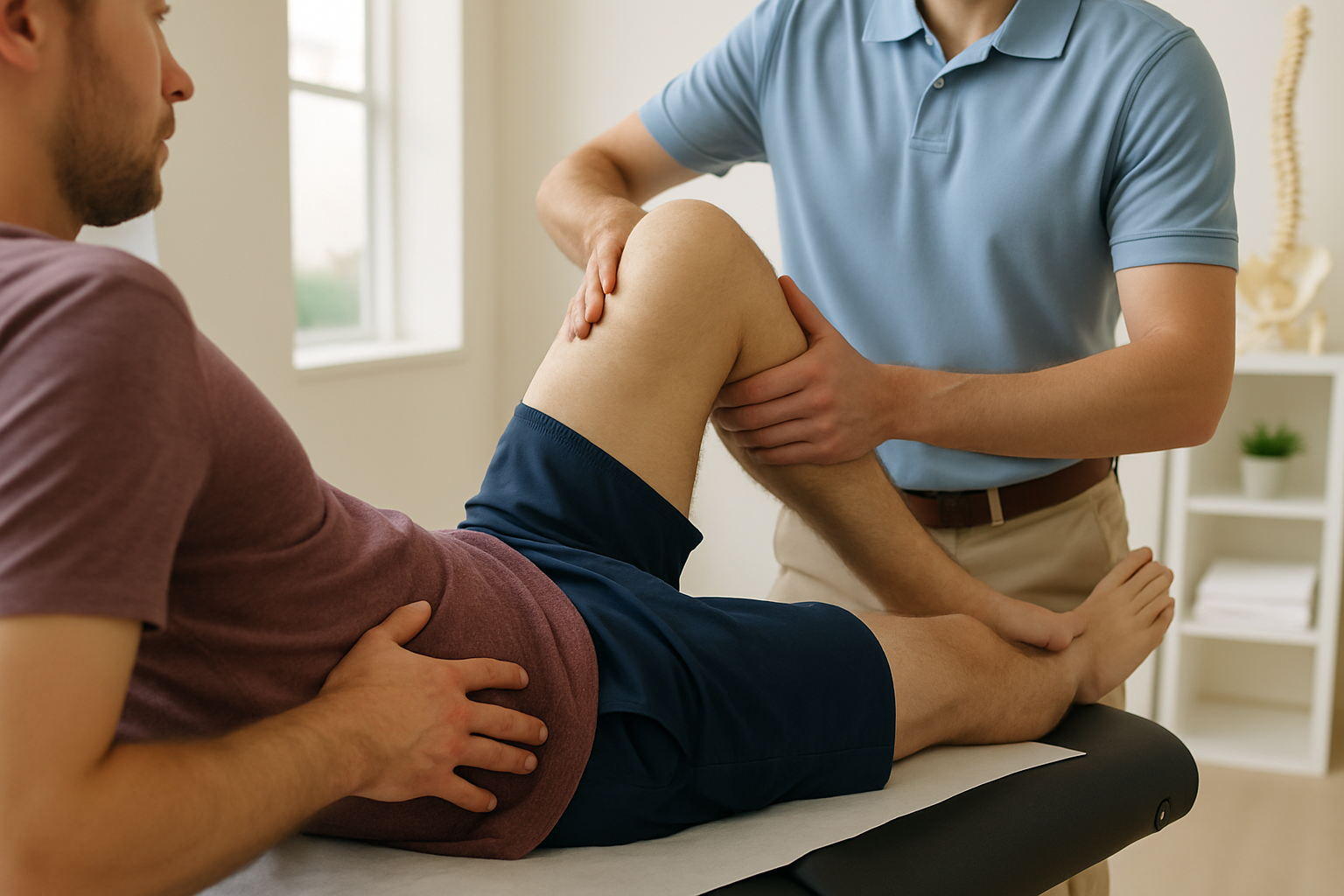
Manual therapy addresses tissue quality and joint mobility early, before stiffness becomes the new normal. Targeted injections reduce inflammation in a specific structure when that is what is holding things back. Physical therapy rebuilds the strength and movement patterns that let the injured area handle load again.
The plan adjusts week to week based on how things are actually responding. A good recovery is not a fixed protocol applied to every patient the same way. It is a sequence of decisions made around real progress and real setbacks.
What People Want To Get Back To
The specific goal matters more than people realize. Some common ones:
- Back on the tennis court at one of the clubs off Scottsdale Road
- Running the canal paths without the knee or hip being a problem
- Getting through a full workweek without the injury, deciding what is and is not possible each day
- Back in the gym without working around the shoulder or ankle that has been limiting things for weeks
A recovery plan built around what the patient is actually trying to return to produces better results than a generic protocol.
Recovery Done Right Sticks
A recovery that cuts corners tends to produce an injury that comes back. One that addresses the full picture tends to hold.
Get in touch with Modern Medicine of Phoenix, AZ, to schedule an orthopedic evaluation and find out what a proper recovery plan looks like for your situation.