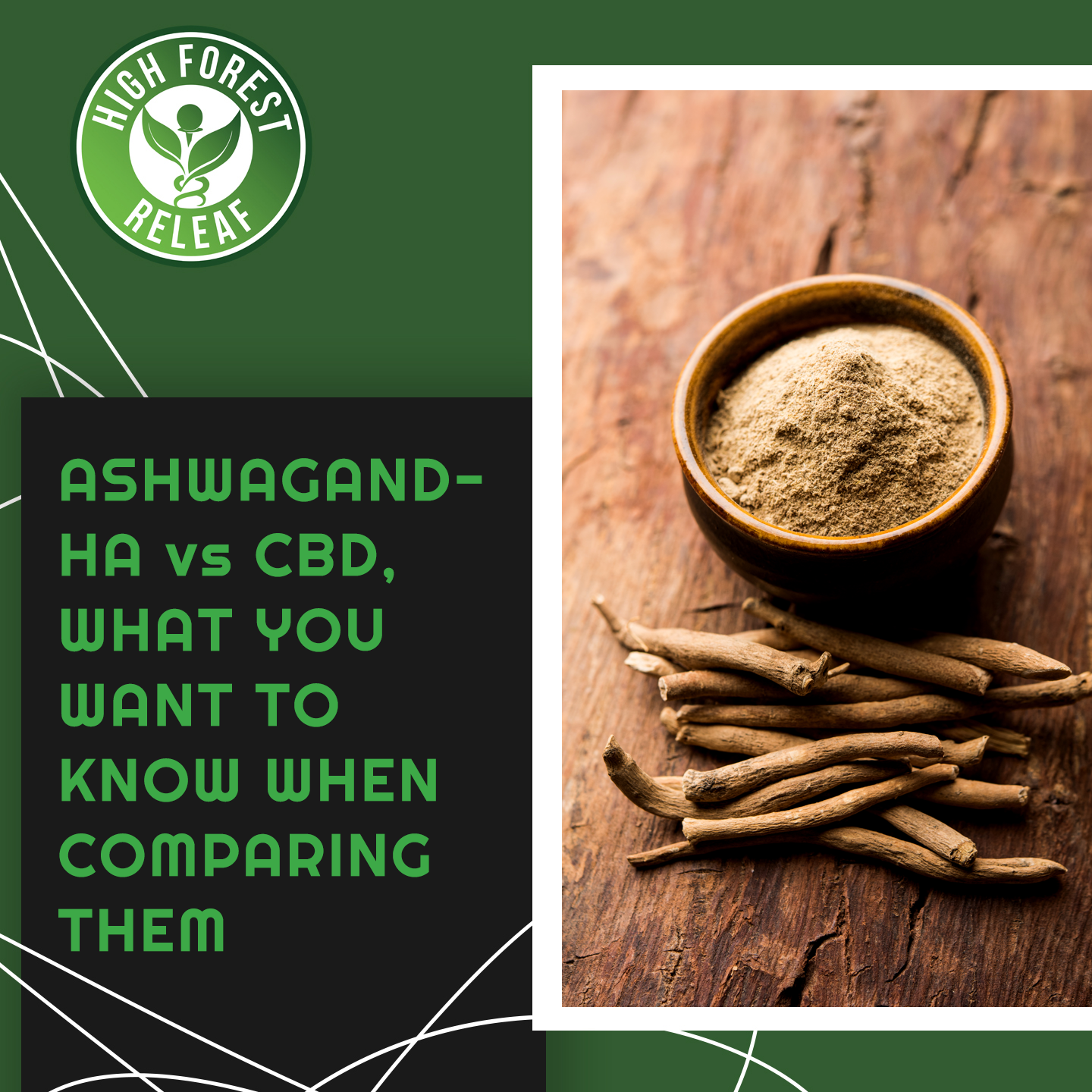
 In a world full of wellness trends and natural remedies, two popular options that often come up are Ashwagandha and CBD (Cannabidiol). Both are praised for their potential health benefits, but they come from entirely different sources and work in distinctly different ways. If you're wondering which one might be right for you, you've come to the right place. In this article, we'll dig into the topic of Ashwagandha and CBD to explore their differences, benefits, and how to make an informed choice.
Ashwagandha: The Ancient Adaptogen
Ashwagandha, also known as Withania Somnifera, is an ancient herb used in traditional Ayurvedic medicine. It is valued for its potential adaptogenic properties, which suggest that it may help the body manage stress and promote overall balance and well-being. Ashwagandha is believed to support the body's natural resilience and ability to cope with various stressors. Its traditional uses include promoting vitality, supporting emotional well-being, and enhancing overall health.
It is renowned for its ability to reduce stress and anxiety by helping lower cortisol levels. Many people also turn to Ashwagandha for better sleep, as it may improve sleep quality by calming the mind. Additionally, it is used by some athletes and fitness enthusiasts to enhance physical performance and muscle strength. Its anti-inflammatory properties may benefit conditions like arthritis, and it is also thought to support the immune system, helping the body defend against illnesses.
CBD (Cannabidiol): The Cannabis Compound
CBD, short for Cannabidiol, is a compound found in the Cannabis plant. Unlike its cousin THC (Tetrahydrocannabinol), CBD doesn't produce a "high." Instead, it interacts with the endocannabinoid system in the body, which plays a role in regulating various physiological processes. Here's what you need to know about CBD:
Pain Relief: CBD is often used for pain management, including chronic pain conditions. It may reduce pain by affecting endocannabinoid receptor activity.
Anxiety and Depression: Similar to Ashwagandha, CBD has been studied for its potential to alleviate symptoms of anxiety and depression.
Seizures: It gained significant attention for its ability to reduce the frequency and severity of seizures in certain types of epilepsy.
Neuroprotective Properties: CBD is believed to have neuroprotective properties, which means it may help protect the nervous system from damage.
Anti-Inflammatory: Like Ashwagandha, CBD also has anti-inflammatory effects that can benefit various conditions.
Key Differences Between Ashwagandha and CBD
While Ashwagandha and CBD share some potential benefits, they have significant differences.
First, consider their sources. They are two popular herbal remedies, each derived from different plants. Ashwagandha comes from its namesake plant, while CBD is extracted from the Cannabis plant, making it a cannabinoid. Both have gained attention for their potential health benefits and are used in various forms, from supplements to oils, to promote overall well-being and balance in the body.
It's important to be aware of the legal status of different supplements and products you may be interested in. Ashwagandha is widely available and legal in most countries as a dietary supplement. On the other hand, the legal status of CBD varies across the world, with some places allowing its use while it is restricted or prohibited in others. It's always a good idea to research and understand the regulations regarding any supplement or product you plan to use.
In terms of mode of action, they both have distinct mechanisms. Ashwagandha primarily works on the body's stress response and hormonal balance, while CBD interacts with the endocannabinoid system, affecting various bodily functions. Each substance offers unique benefits based on their specific modes of action, which can be advantageous for different individuals depending on their health needs.
When considering the use of either of these, it's important to be aware of the potential side effects associated with these supplements. Ashwagandha is generally well-tolerated, but it may not be appropriate for pregnant or nursing women due to potential risks. On the other hand, CBD can lead to side effects such as dry mouth, diarrhea, and changes in appetite. It's also important to note that CBD can interact with certain medications, so it's crucial to consult with a healthcare professional before using it, especially if you are taking other medications.
Potential uses are also best to understand fully before taking any supplement. Ashwagandha is often recommended for stress, anxiety, and sleep issues, while CBD has a broader range of potential uses, including pain management, epilepsy, and neuroprotection.
Choosing Between Ashwagandha and CBD
Deciding between Ashwagandha and CBD depends on your specific needs and preferences. For instance, you may want to check the legal status of CBD in your area before considering it as an option.
Identifying your primary health goals can help you make a more directed decision. If you're looking for stress relief and better sleep, Ashwagandha might be a good starting point. For pain management or epilepsy, CBD could be worth exploring.
It's essential to consult a healthcare professional, regardless of your choice, especially if you have underlying health conditions or are taking medications. They can provide personalized guidance on which option may be suitable for you.
Sometimes, the best way to decide what you take for your health is through trial and observation. You might try one option for a few weeks, monitor its effects, and then decide if it's meeting your needs. Of course, this is always best and most safely done with the help of a healthcare professional.
In some cases, combining Ashwagandha and CBD might offer a synergistic effect, addressing a broader range of health concerns. However, always consult a healthcare provider before combining any supplements.
How High Forest ReLeaf Can Help
In the world of natural remedies, both Ashwagandha and CBD hold promise for various health issues. While they have some overlapping benefits, they are distinct in their sources, legal status, and modes of action. Choosing between the two should be a thoughtful decision based on your specific health goals and individual circumstances.
For more information about how CBD could possibly benefit you, as well as some creative (and delicious!) ways to enjoy it, give us a call today at (931) 253-1991.