You climbed into your vehicle this afternoon, gripped a wheel too hot to hold, and noticed the top of the dash has started to gray and crack. A dealership just quoted you a new one, and that’s usually the point a driver calls us at Black Optix Tint. There are two forces doing that damage, and they work together. Ultraviolet light breaks down the dyes in your seats, dashboard, and trim, which is the fading. Solar heat builds inside the cabin and dries and cracks leather and vinyl, which is the graying and splitting. The sun fades your interior and dries it out at the same time, every afternoon it sits in a Cape Coral driveway.
Your Windshield Blocks The Sun, Your Side Glass Doesn’t
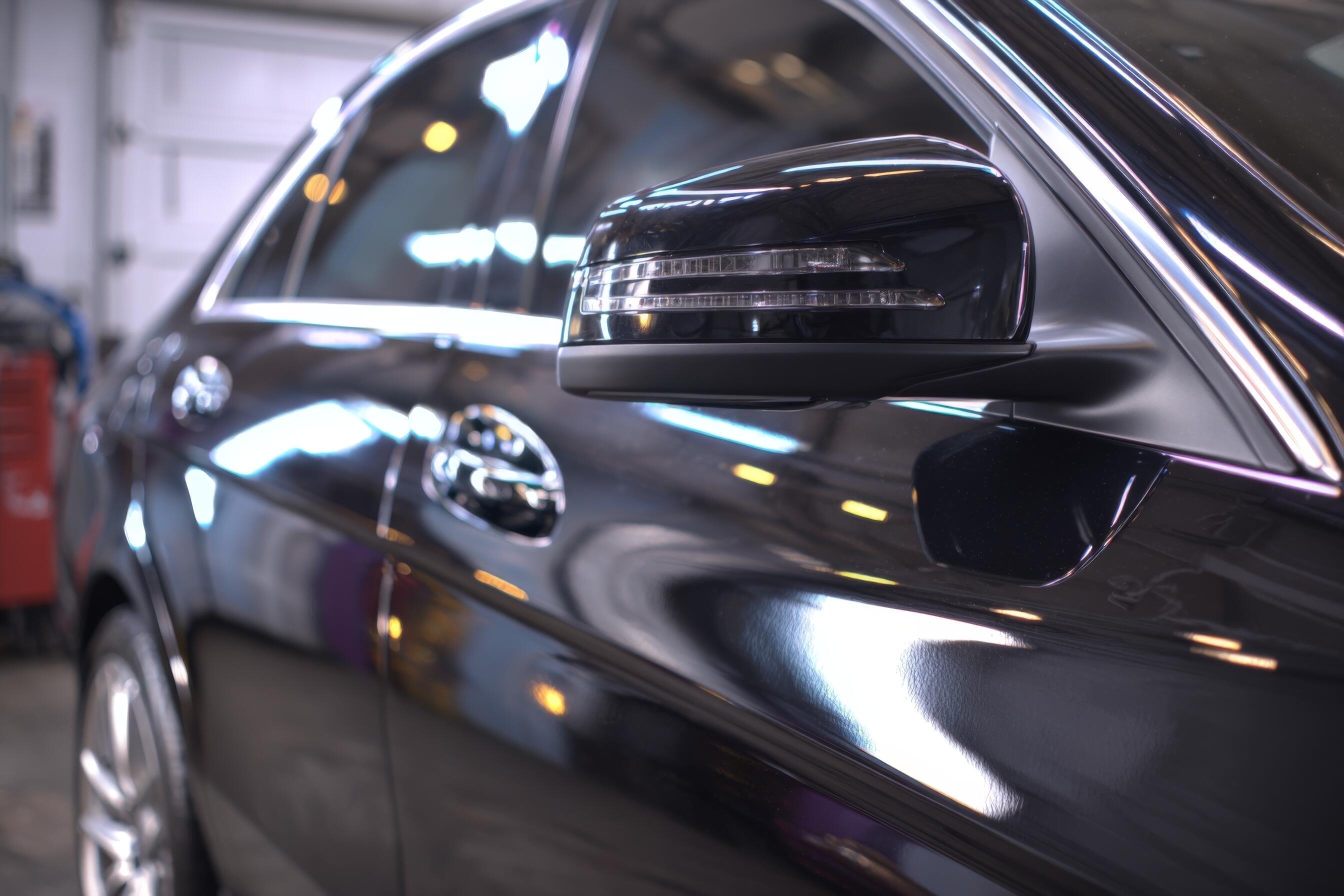
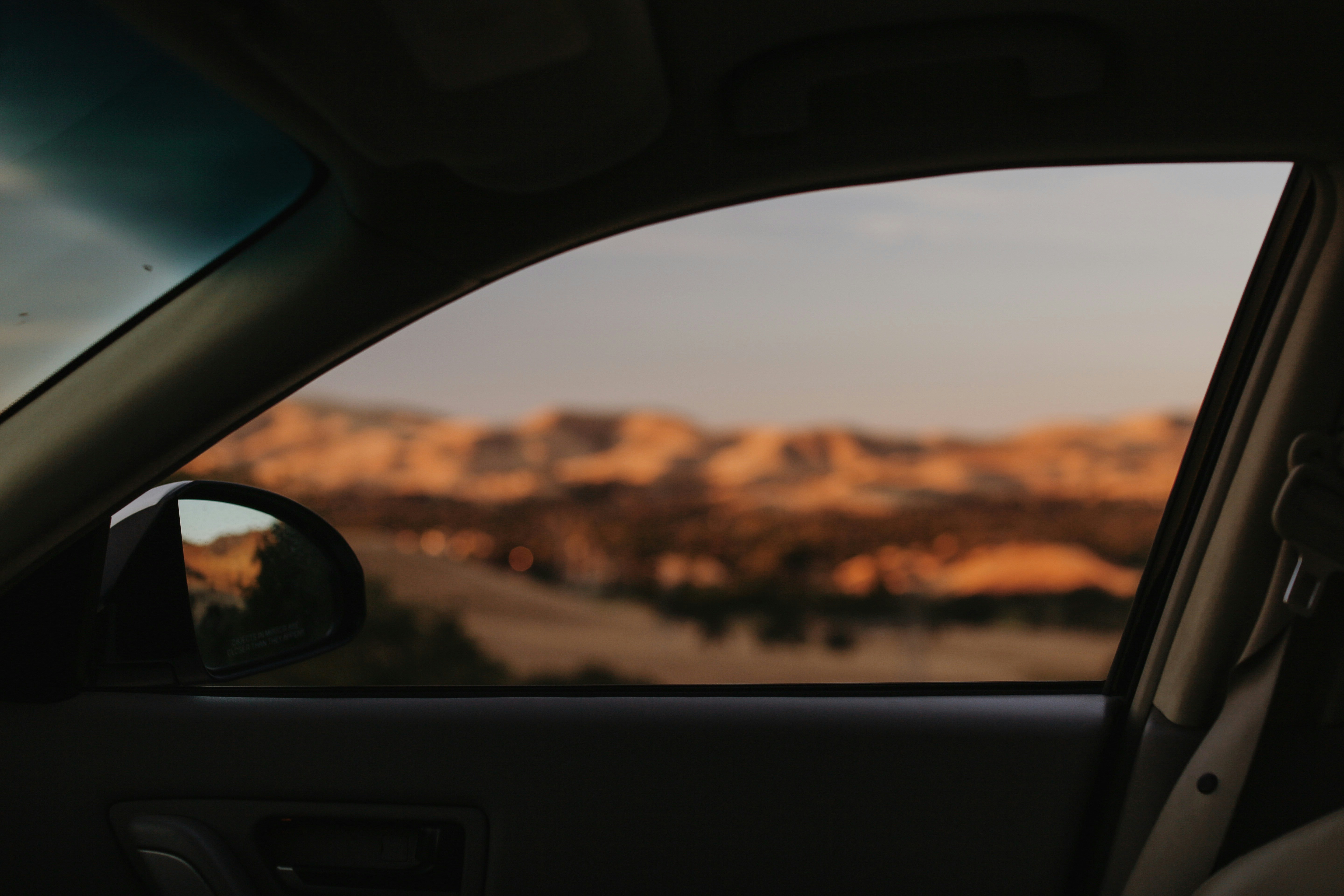
Here’s the part almost nobody explains. Your windshield is laminated glass, two sheets bonded around a plastic interlayer, and that interlayer blocks nearly all of the UV on its own. Your side and rear windows are different. They’re tempered glass, a single hardened pane with no interlayer, so they stop the burning UVB but let most of the fading UVA straight through. That side and rear glass is exactly where the sun reaches your seats and your dash. So when you figured your windows already blocked the sun, you were right about the windshield and wrong about the side glass doing the real damage. We add film to give your side glass the block it never had.
Ceramic Cuts The Heat Without Blacking Out The Vehicle
You don’t have to turn your vehicle into a cave to protect it. Ceramic film rejects the infrared heat and blocks the UV no matter how dark or light it looks, so a legal front window still cuts a large share of the heat and blocks the UV. Florida caps your front side windows at 28% VLT, which means darkness is already limited by law. What matters is the film type, not how black the glass looks. So we can keep your front windows legal and still take the heat load off your interior, and your phone and key fob keep working because the ceramic is metal-free.
The Protection Starts The Day You Drive Off
You’re protected from the day you drive off. The UV block and the heat rejection start the moment the film’s on your glass. What takes a few days is the adhesive curing underneath, which is why we ask you to leave the windows up for the first three to five days, and a full five in the Lee and Collier County humidity. Rolling a window down early drags the uncured edge across the seal and scuffs it, and that’s the most common way an owner damages a fresh tint job. Anthony walks every customer through it before the vehicle leaves our Fort Myers shop, and we’re a short trip up from Cape Coral.
A Protected Interior Shows Up Later
A few summers from now, the difference shows. The dash holds its color instead of graying and cracking, the seats hold theirs instead of fading on the sun side, and a fresher interior is the one a buyer notices when you sell. The film we put on your vehicle is backed by our lifetime warranty, on U.S.-made window tint, manufactured in North Carolina. Hand us the keys and we’ll meter the finished window in front of you, so you see the same number a trooper’s meter reads before you drive off protected.
Let’s Get Your Vehicle On The Schedule
Your side glass is where the sun reaches the seats and the dashboard, and that’s exactly the gap we close with film, starting the day you drive off. Hand us the keys and we’ll set the time aside for it, with an easy drop-off at the Black Optix Tint shop in Fort Myers. Give us a call at (239) 666-1541 and we’ll get your vehicle protected.