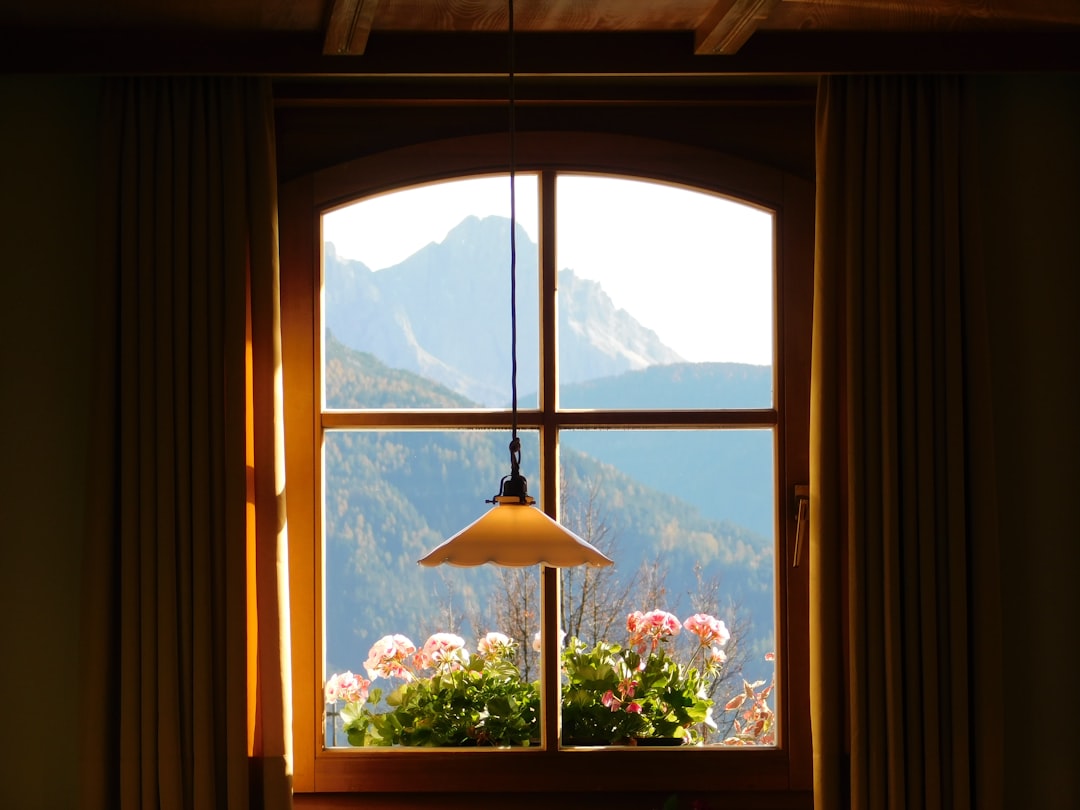
Your 2pm patient is reclined in the chair, squinting against the window behind your shoulder. You've adjusted the overhead light twice, and the glare on the monitor still washes out the X-ray you're trying to show them. Glare follows the sun's angle through the day, which makes it a building problem instead of a one-room lighting problem. We're at Black Optix Tint in Fort Myers, so the same afternoon sun reaches our block and yours. The questions below are the ones to settle before anyone quotes film for your windows.
Which Windows Cause The Glare?
Direct sun through west-facing glass is the obvious half, and it moves room to room as the afternoon angle drops. Bounce glare is the half that gets missed, because pavement and parked windshields reflect light up into the windows all day. That reflected light comes in low and flat, which is why a half-drawn blind doesn't catch all of it. An hour spent standing in the office at peak glare maps the problem better than a floor plan. Both sources matter for the film choice, which is why the diagnosis comes before the spec.
Why Does Glare Hit A Dental Practice Harder?
Patients spend their entire visit reclined, looking up and outward at angles nobody else's customers hold for long. A window that feels fine to standing staff can sit directly in a reclined patient's eye line for the whole appointment. Glare reaches the clinical screens next, because a washed-out monitor makes X-rays and intraoral images harder to read and show. Precision work under task lighting depends on controlled contrast, and a bright window behind the chair works against it all afternoon. The combination is specific to dental work, which is why generic office advice doesn't quite cover it.
Why Haven't The Blinds Fixed It?
Blinds trade the glare for a darker room, and a waiting room without daylight feels smaller to everyone in it. Slatted blinds let bright stripes through at low angles, so part of the glare stays in the room. Closed blinds also absorb the sun and release that heat inward, which keeps the room warm after the daylight is gone. Blinds handle direct light reasonably well, and the bounce glare off the parking lot is what they miss. Waiting rooms show the trade most clearly, since patients sit facing the windows longer than staff do.
What Window Film Does Differently
Window film does its work at the pane, cutting the glare across the full spread of glass without covering it. The room keeps its daylight and its view, and the harsh edge comes off the light. One treated pane covers the reclined patient, the standing staff, and the chairside monitor at the same time. Heat comes down along with the glare, since a film that moderates light also rejects part of the solar load. We match the film's strength to the exposure, because an operatory facing a bright parking lot needs a different build than a shaded consult room.
Will The Install Disrupt Patient Days?
A film install brings no demolition and no dust, and the work fits a space that has to stay clinical. The install schedule follows your patient calendar, and closed days or slow afternoon blocks can carry most of the work. Fresh film can look lightly hazy while the mounting solution dries, and the haze clears on its own as the cure finishes. By the next full week of appointments, the film is the only thing that changed in the room. Operatories can be treated one at a time, so the rest of the office keeps running.
Call While The Glare Is Happening
Glare is easiest to describe while it's on the glass, so the worst stretch of your afternoon is a good time to call. Call (239) 666-1541 and tell us which operatories get it first and where the light lands on your screens. Those details shape the film recommendation we make later. If the description warrants a visit, we'll come stand in the room at that hour and look at the light with you. Black Optix Tint is in Fort Myers, and we work under the same afternoon sun.