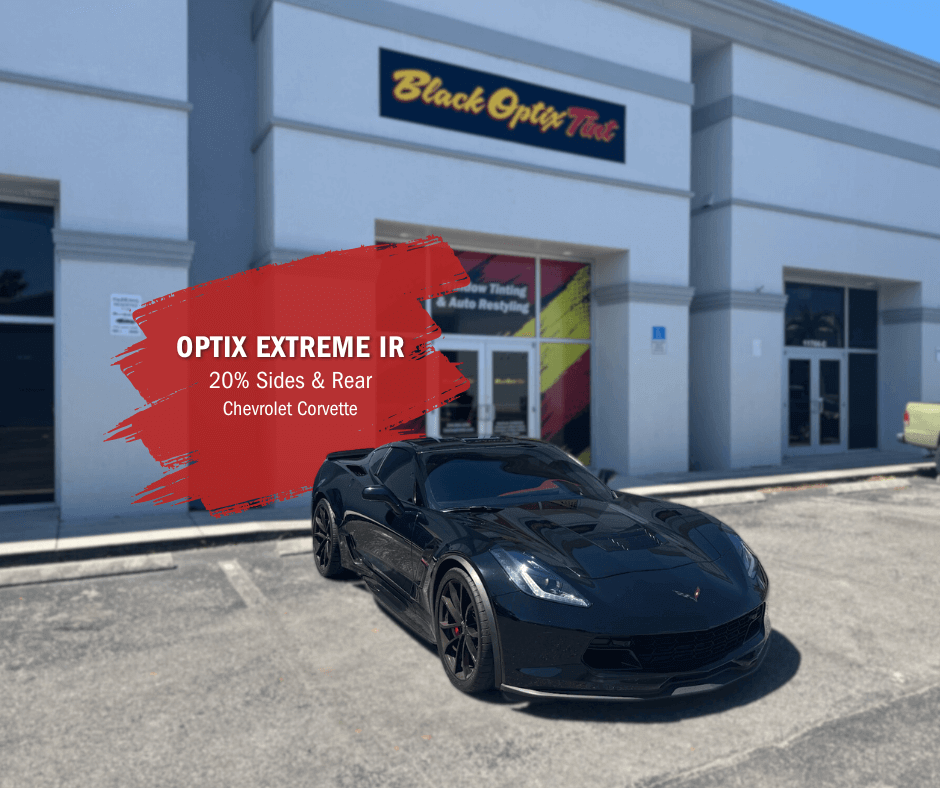
A lot of drivers in Fort Myers pay extra for ceramic tint because they were told it's the only film that blocks UV rays. The UV half of that pitch doesn't hold up, and we explain why before anyone signs paperwork at Black Optix Tint, our Fort Myers shop. Films at every price point post the same 99% UV rating, and the rating doesn't change with the shade. Ceramic costs more because of heat rejection, which is a separate property of the film. This article covers what your factory glass already handles and where the film fits in. Both facts are easy to confirm on a manufacturer spec sheet.
The UV Rating Is The Same Across Films
Manufacturer spec sheets show the same UV number on films at very different prices. A near-clear film posts 99% UV blocking, and so does the darkest legal shade we stock. Carbon and dyed films from serious manufacturers post it too. The real differences between films show up in heat rejection and durability, and that's where the comparison belongs. Dyed film does fade over the years, but that's a durability difference, and the UV rating starts at the same place. The spec sheets are public, and any installer can hand you one for the film they quote.
Your Windshield And Your Side Windows Are Different Glass
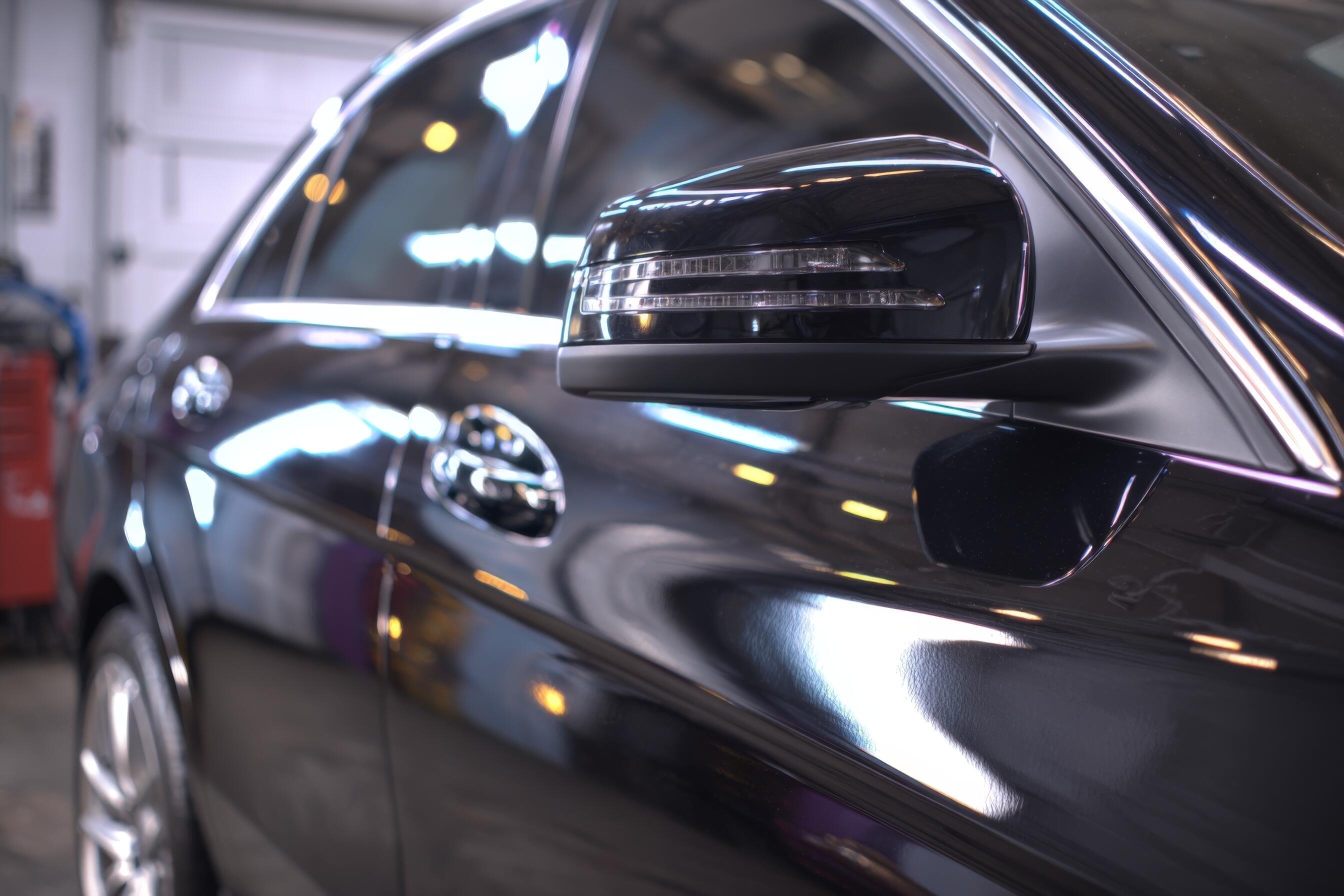
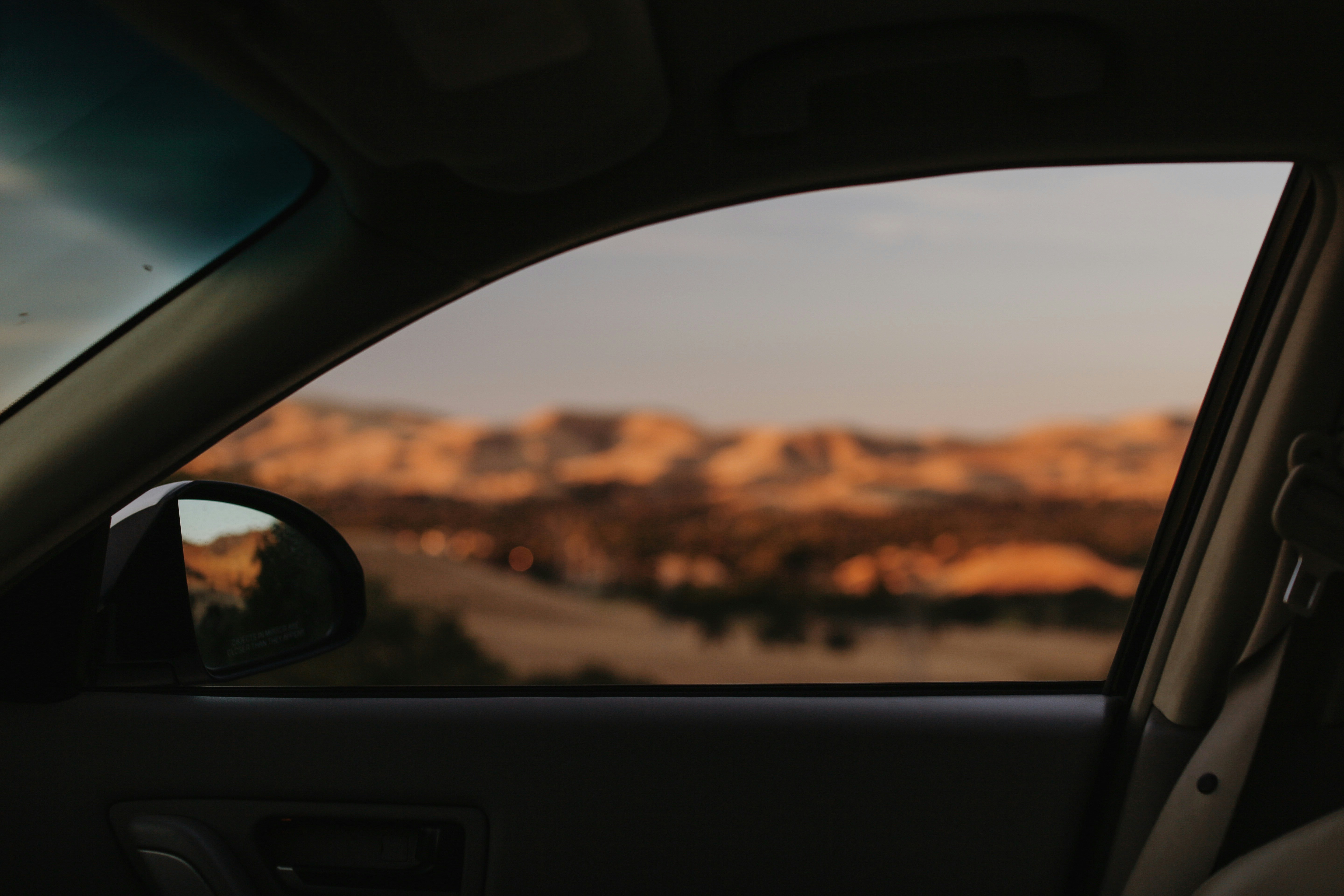
Your windshield is laminated glass, which means two sheets bonded around a plastic interlayer. That interlayer stops nearly all UV on its own. The side and rear windows are tempered glass instead, a single hardened pane with no interlayer in it. Tempered glass stops the UVB band that burns skin and lets a share of the deeper UVA band through. How much gets through varies from one vehicle to the next. Factory glass differences are why two cars parked side by side can give their drivers different UV exposure.
Where The UV Protection Sits Inside The Film
Professional window film is layered polyester with an adhesive that bonds the stack to your glass. Manufacturers blend UV absorbers into the adhesive and the polyester while the film is being made. The absorbers capture ultraviolet light and convert it into a small amount of heat before it reaches the cabin. Shade plays no part in that chemistry, which is why the 99% rating appears on clear film and dark film alike. You can't see UV protection by looking at a window, so the spec sheet is the only reliable check.
What The Ceramic Premium Pays For
Ceramic particles work on infrared light, which carries most of the heat you feel through closed glass. A film loaded with those particles turns that energy back before it crosses the pane, so the cabin warms slower and cools faster. That difference is what you notice by midsummer, and it's the spec worth comparing between films. UV blocking comes standard on any film we install, so the extra money goes to heat performance. A lighter ceramic film can keep a cabin cooler than darker dyed options, since the particles do the heat work rather than the color.
Why The Side Glass Matters For Passengers
Your window arm takes sun on every commute through Fort Myers traffic. Kids in the back seat sit close to rear side glass, and that glass runs tempered on most vehicles just like the fronts. UVA doesn't sting on contact, and the damage it does to skin builds over years instead of showing up the same day. Film on the side windows closes that gap for every seat in the car. The exposure builds gradually across normal driving rather than from any single trip.
Ask Each Shop One Question
If you're comparing tint quotes, ask each shop which layer of the film blocks the UV. The answer tells you whether you're talking to people who know the product. Tint installs here run under Anthony, and he'll go through the film build with anyone who calls or visits. We're at Black Optix Tint in Fort Myers, and the number is (239) 666-1541. If you already have a quote from somewhere else, bring it along and we'll explain what each line on it means. The conversation costs nothing, and you'll know what's on the quote before you sign it.