 Professional in-home caregivers offer more than just medical services for patients with an existing condition. At ComForCare, our compassionate staff also offer personal care and companion care, which are useful services for those who need them.
While personal and companion care might sound synonymous, in reality, they have their fair share of differences. Here, we’ll compare the two types of care’s differing emphasis, offerings involved, required staff training, and expertise, and ultimately, we’ll help you determine which one might be best for you or your family member.
Emphasis
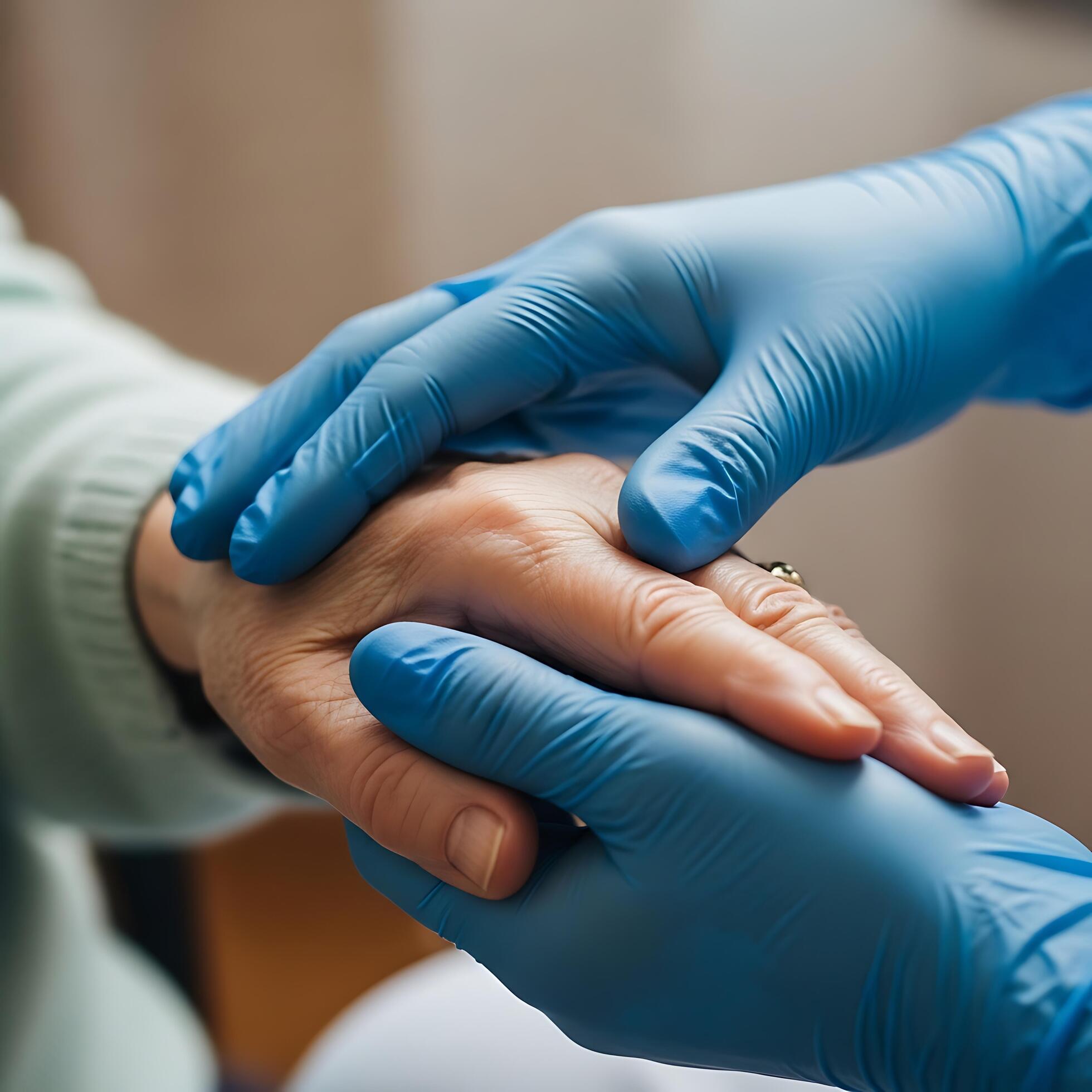
Personal care focuses mainly on engaging in personal assistive tasks and providing some mobility and medical support for their patients as needed. Generally, personal care aides are more hands-on.
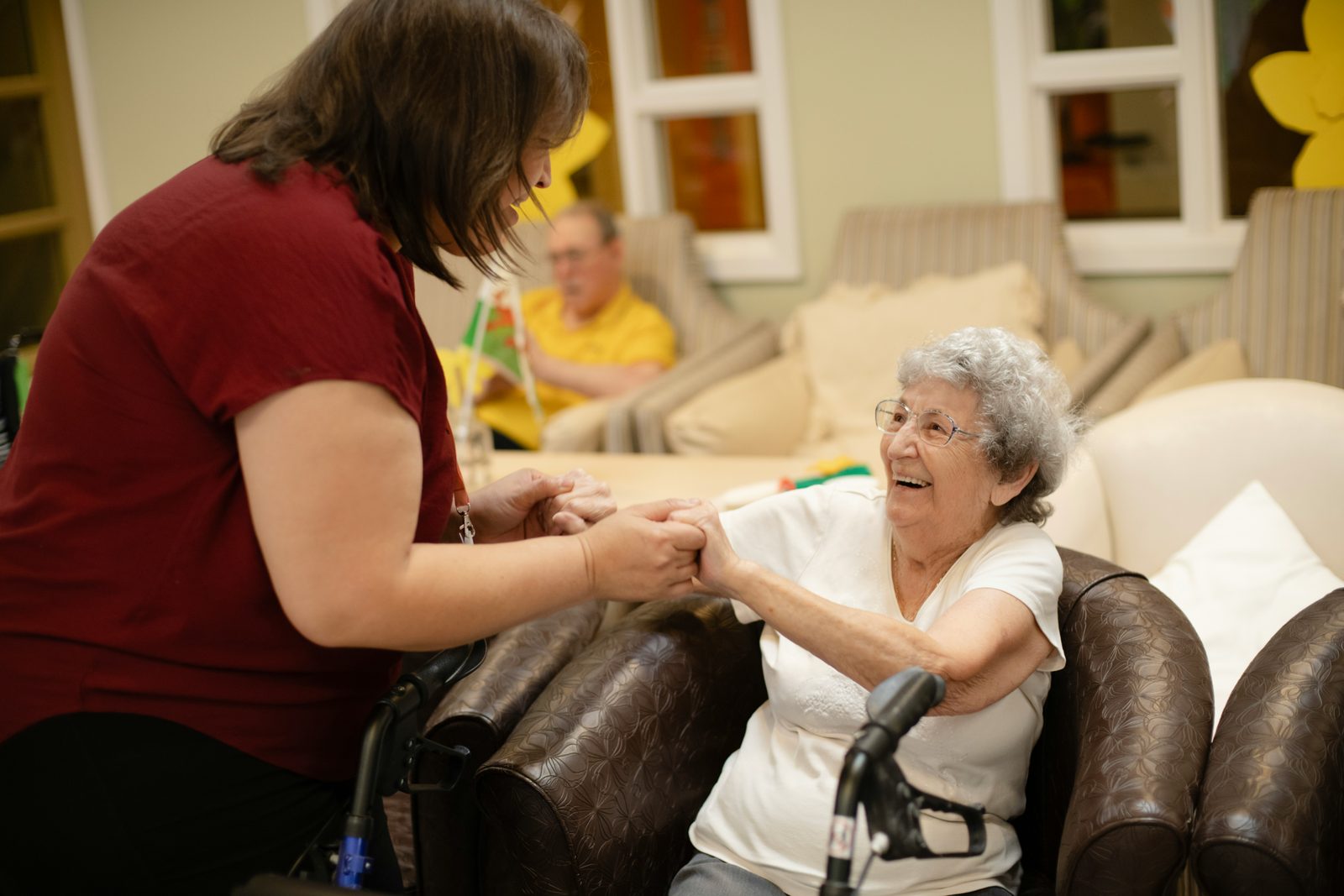
Meanwhile, you can think of companion care as more of a “friend-like” service, focusing on tending to the social and emotional needs of the patient and assisting with non-medical daily tasks like errands.
Services Offered
With a different focus comes different services offered.
Personal care services may involve helping the patient bathe and groom, get dressed, and go to the restroom. Our personal care assistants can also help distribute medication and monitor the vitals of their patients.
Services of companion care, on the other hand, might include making the patient’s meals, transporting the patient to their appointments, going grocery shopping, engaging in friendly social interaction with the patient, and providing supervision of their patients if necessary.
Training and Expertise
Due to the possibility of engaging in medical responsibilities, personal care aides require more training and often need special certification. They also typically have a greater level of expertise due to the wider range of tasks they engage in on the job.
Companion care staff, on the other hand, don’t require specific medical training as their patients tend to have minor, non-medical support needs. Instead, their expertise tends to lie more towards emotional and social support.
While personal care aides have more intensive training, education, and experience, it doesn’t necessarily make them the better option. The reason they need this intensive expertise is due to the level of job duties required of them. Companion care staff are still capable of performing their specific job duties, minus the extra level of training.
Which is Best?
Personal care and companion care are both essential in-home services for many. Some patients may require one, some may need both, and others may benefit from a different service altogether.
In the end, personal care services are best for those with medical needs. Companion care, however, is ideal for those who may have mobility setbacks but not necessarily have a medical condition which may necessitate care and monitoring.
Companion care is also better for seniors who are still relatively independent, while personal care is suitable for those who aren’t able to be as independent due to their condition or state of health.
Are you unsure which type of in-home service you or a family member may need? At ComForCare, we personalize our services based on the needs of our clients. Contact us today to get a personalized care plan created.
Professional in-home caregivers offer more than just medical services for patients with an existing condition. At ComForCare, our compassionate staff also offer personal care and companion care, which are useful services for those who need them.
While personal and companion care might sound synonymous, in reality, they have their fair share of differences. Here, we’ll compare the two types of care’s differing emphasis, offerings involved, required staff training, and expertise, and ultimately, we’ll help you determine which one might be best for you or your family member.
Emphasis
Personal care focuses mainly on engaging in personal assistive tasks and providing some mobility and medical support for their patients as needed. Generally, personal care aides are more hands-on.
Meanwhile, you can think of companion care as more of a “friend-like” service, focusing on tending to the social and emotional needs of the patient and assisting with non-medical daily tasks like errands.
Services Offered
With a different focus comes different services offered.
Personal care services may involve helping the patient bathe and groom, get dressed, and go to the restroom. Our personal care assistants can also help distribute medication and monitor the vitals of their patients.
Services of companion care, on the other hand, might include making the patient’s meals, transporting the patient to their appointments, going grocery shopping, engaging in friendly social interaction with the patient, and providing supervision of their patients if necessary.
Training and Expertise
Due to the possibility of engaging in medical responsibilities, personal care aides require more training and often need special certification. They also typically have a greater level of expertise due to the wider range of tasks they engage in on the job.
Companion care staff, on the other hand, don’t require specific medical training as their patients tend to have minor, non-medical support needs. Instead, their expertise tends to lie more towards emotional and social support.
While personal care aides have more intensive training, education, and experience, it doesn’t necessarily make them the better option. The reason they need this intensive expertise is due to the level of job duties required of them. Companion care staff are still capable of performing their specific job duties, minus the extra level of training.
Which is Best?
Personal care and companion care are both essential in-home services for many. Some patients may require one, some may need both, and others may benefit from a different service altogether.
In the end, personal care services are best for those with medical needs. Companion care, however, is ideal for those who may have mobility setbacks but not necessarily have a medical condition which may necessitate care and monitoring.
Companion care is also better for seniors who are still relatively independent, while personal care is suitable for those who aren’t able to be as independent due to their condition or state of health.
Are you unsure which type of in-home service you or a family member may need? At ComForCare, we personalize our services based on the needs of our clients. Contact us today to get a personalized care plan created.
Castro Valley, CA - Comparing Personal Care vs. Companion Care from a Caregiver
SYNOPSIS: Personal care and companion care are two different types of services professional caregivers can provide. But what exactly makes them different? Here, we'll explain all you need to know.
Main Differences of Personal and Companion Care
BY: Brian Vogl, ComForCare of Castro Valley
Professional in-home caregivers offer more than just medical services for patients with an existing condition. At ComForCare, our compassionate staff also offer personal care and companion care, which are useful services for those who need them.
While personal and companion care might sound synonymous, in reality, they have their fair share of differences. Here, we’ll compare the two types of care’s differing emphasis, offerings involved, required staff training, and expertise, and ultimately, we’ll help you determine which one might be best for you or your family member.
Emphasis
Personal care focuses mainly on engaging in personal assistive tasks and providing some mobility and medical support for their patients as needed. Generally, personal care aides are more hands-on.
Meanwhile, you can think of companion care as more of a “friend-like” service, focusing on tending to the social and emotional needs of the patient and assisting with non-medical daily tasks like errands.
Services Offered
With a different focus comes different services offered.
Personal care services may involve helping the patient bathe and groom, get dressed, and go to the restroom. Our personal care assistants can also help distribute medication and monitor the vitals of their patients.
Services of companion care, on the other hand, might include making the patient’s meals, transporting the patient to their appointments, going grocery shopping, engaging in friendly social interaction with the patient, and providing supervision of their patients if necessary.
Training and Expertise
Due to the possibility of engaging in medical responsibilities, personal care aides require more training and often need special certification. They also typically have a greater level of expertise due to the wider range of tasks they engage in on the job.
Companion care staff, on the other hand, don’t require specific medical training as their patients tend to have minor, non-medical support needs. Instead, their expertise tends to lie more towards emotional and social support.
While personal care aides have more intensive training, education, and experience, it doesn’t necessarily make them the better option. The reason they need this intensive expertise is due to the level of job duties required of them. Companion care staff are still capable of performing their specific job duties, minus the extra level of training.
Which is Best?
Personal care and companion care are both essential in-home services for many. Some patients may require one, some may need both, and others may benefit from a different service altogether.
In the end, personal care services are best for those with medical needs. Companion care, however, is ideal for those who may have mobility setbacks but not necessarily have a medical condition which may necessitate care and monitoring.
Companion care is also better for seniors who are still relatively independent, while personal care is suitable for those who aren’t able to be as independent due to their condition or state of health.
Are you unsure which type of in-home service you or a family member may need? At ComForCare, we personalize our services based on the needs of our clients. Contact us today to get a personalized care plan created.