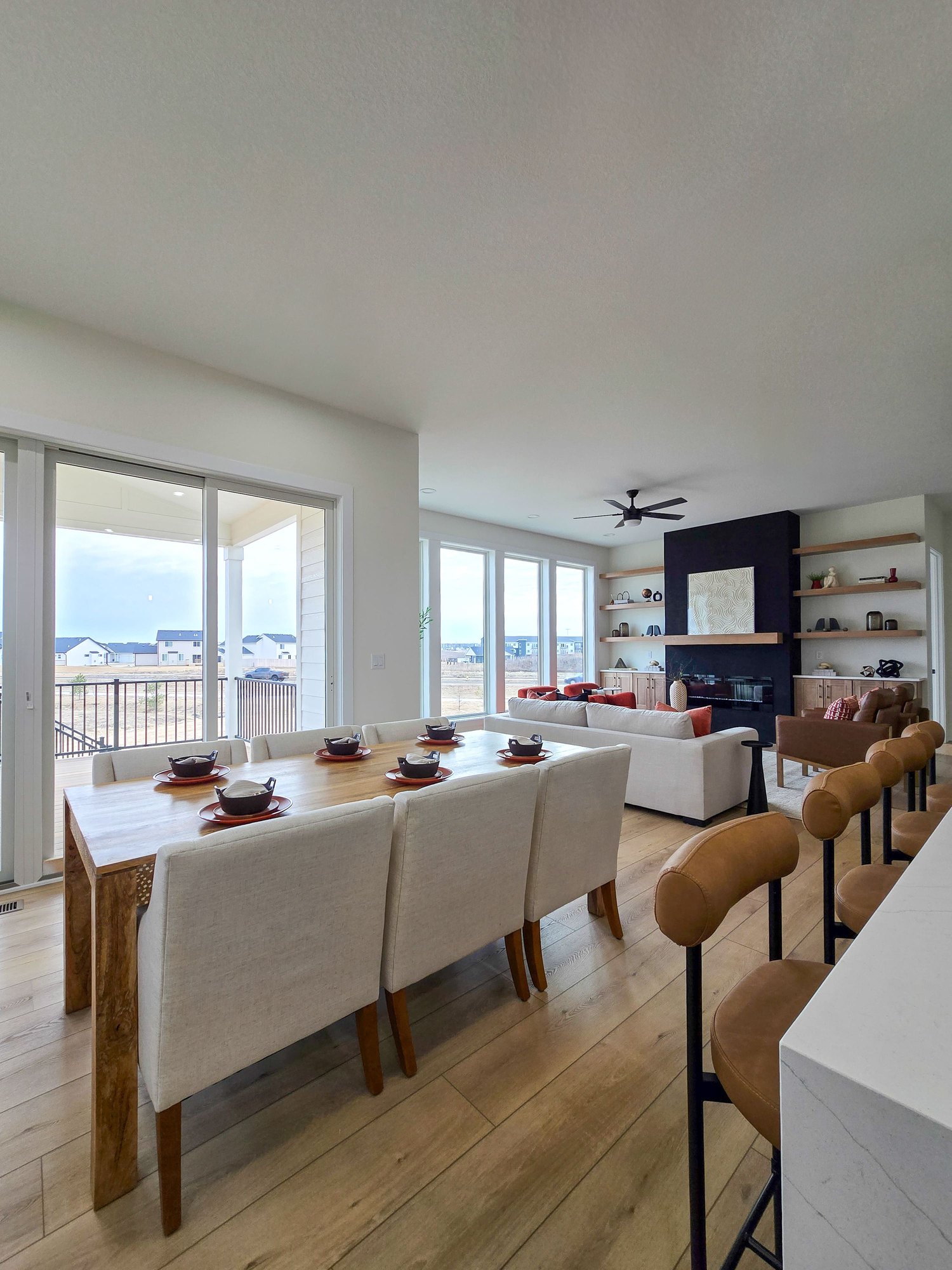
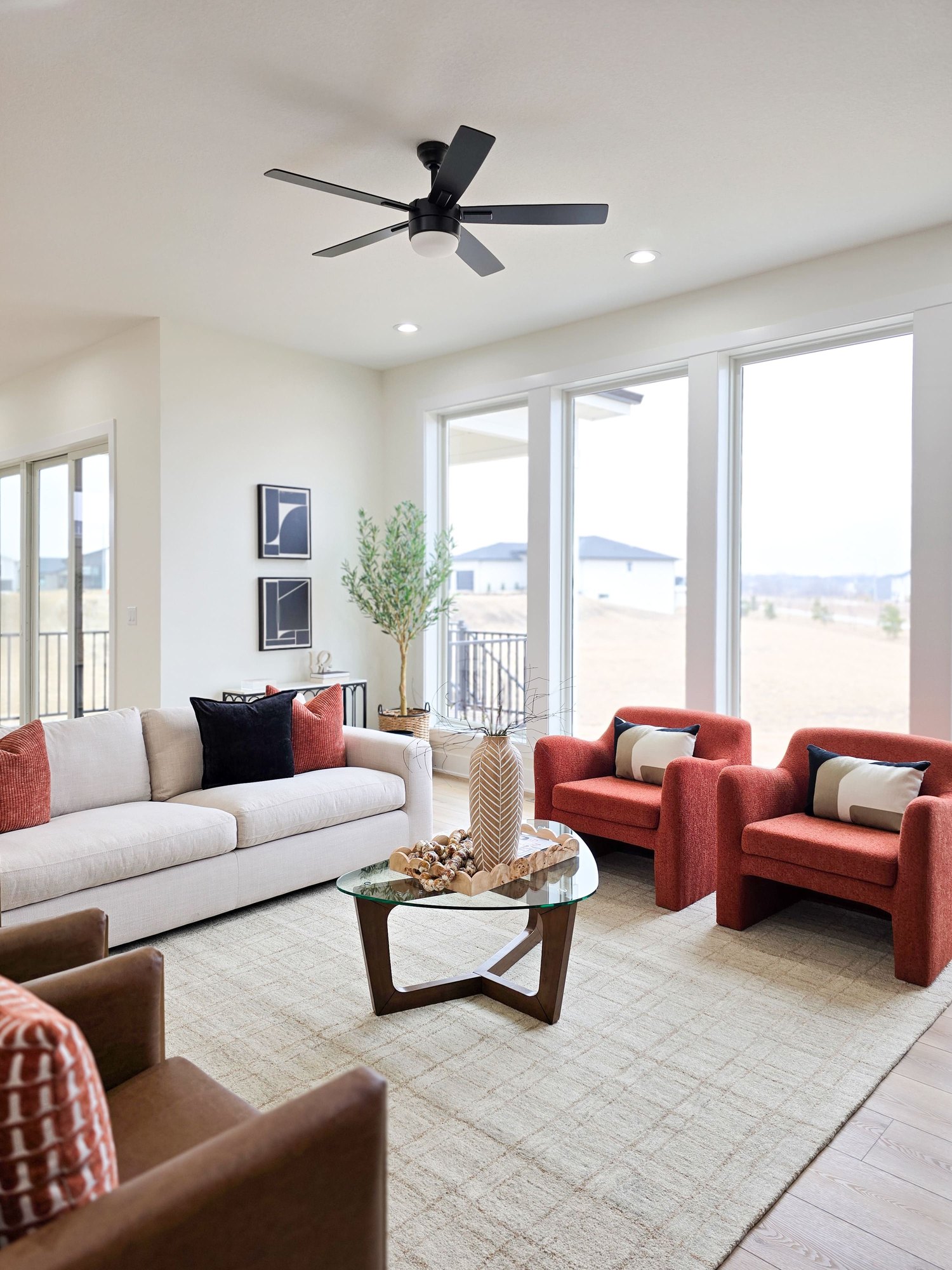
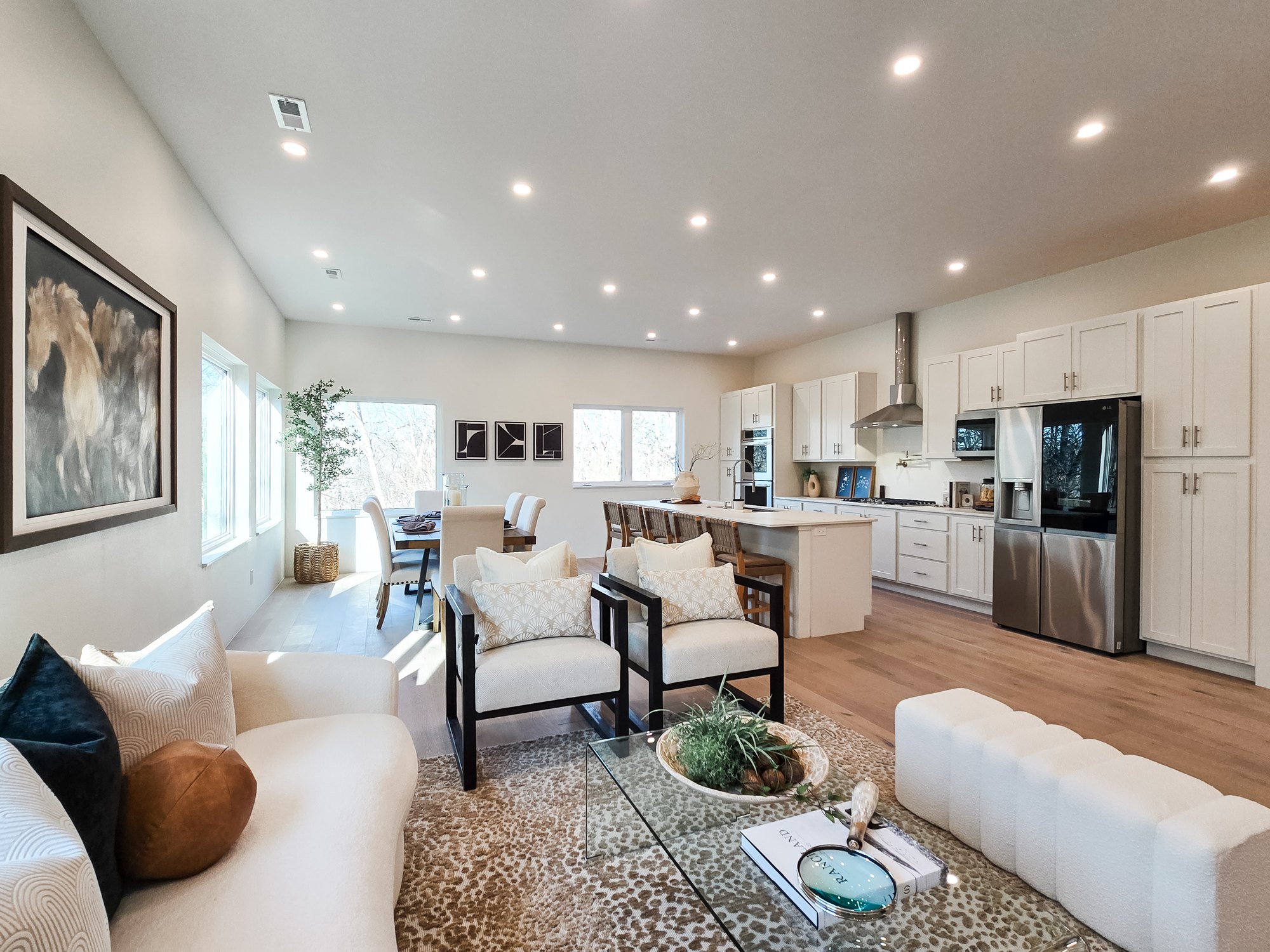
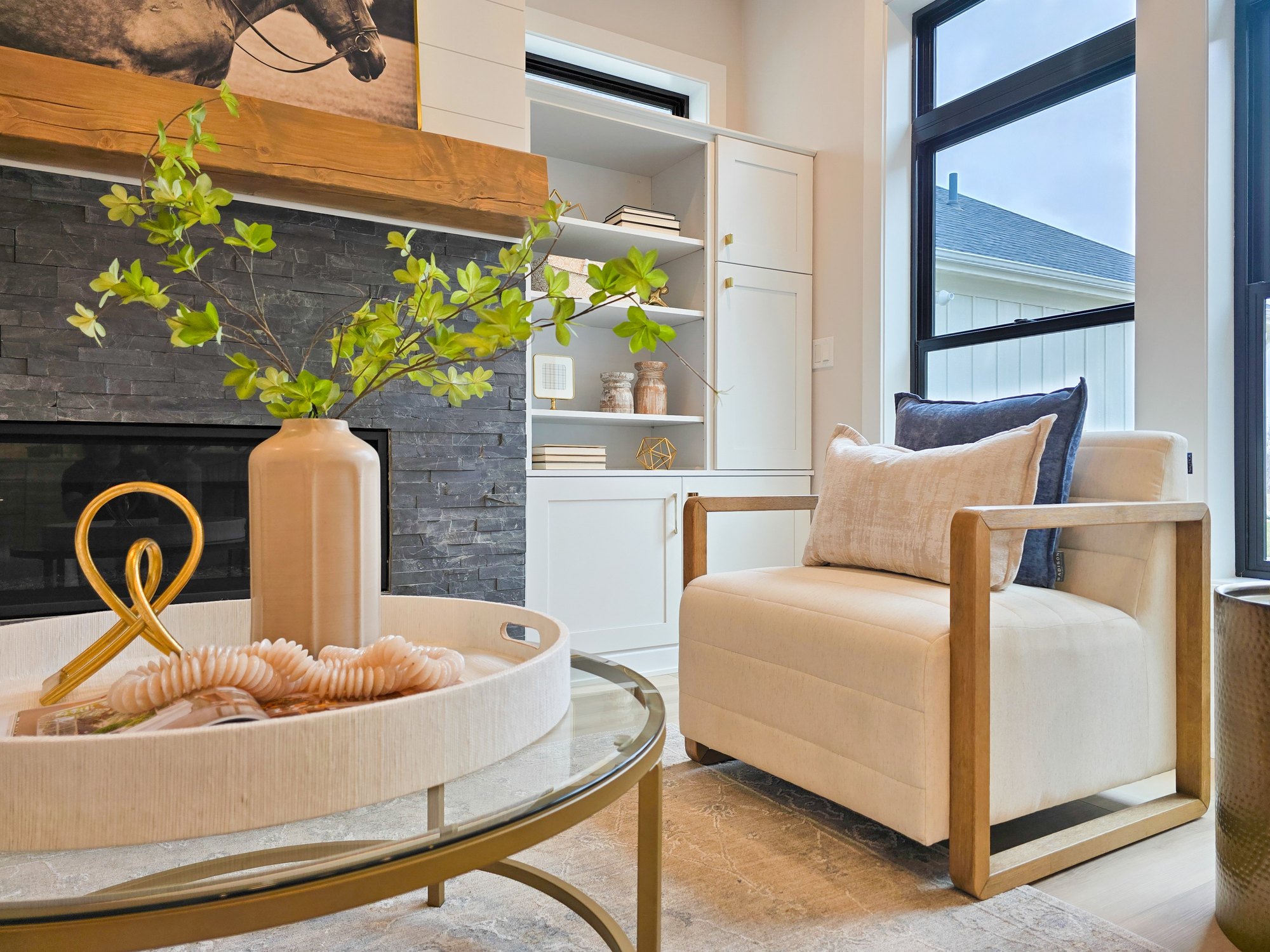
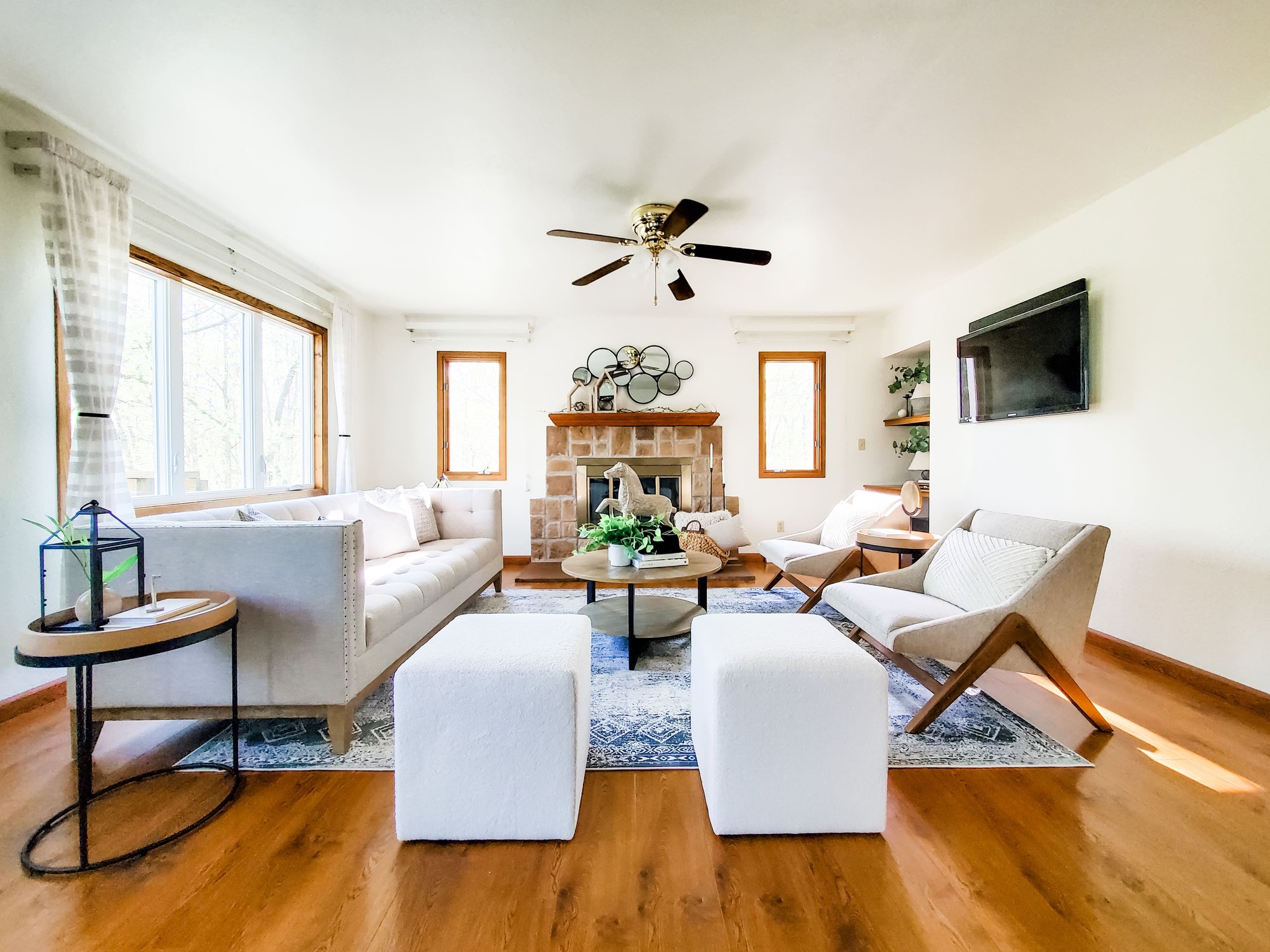
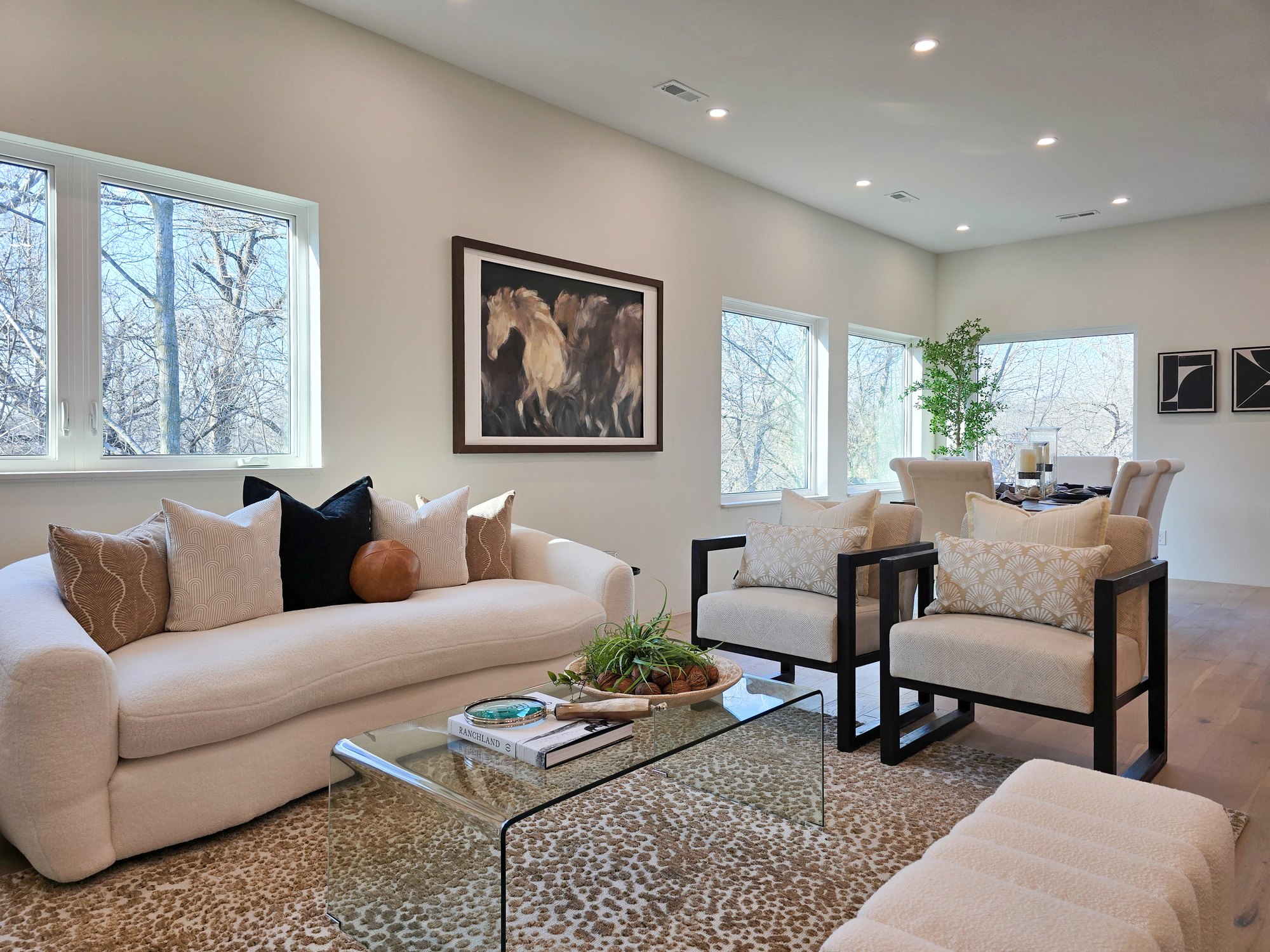
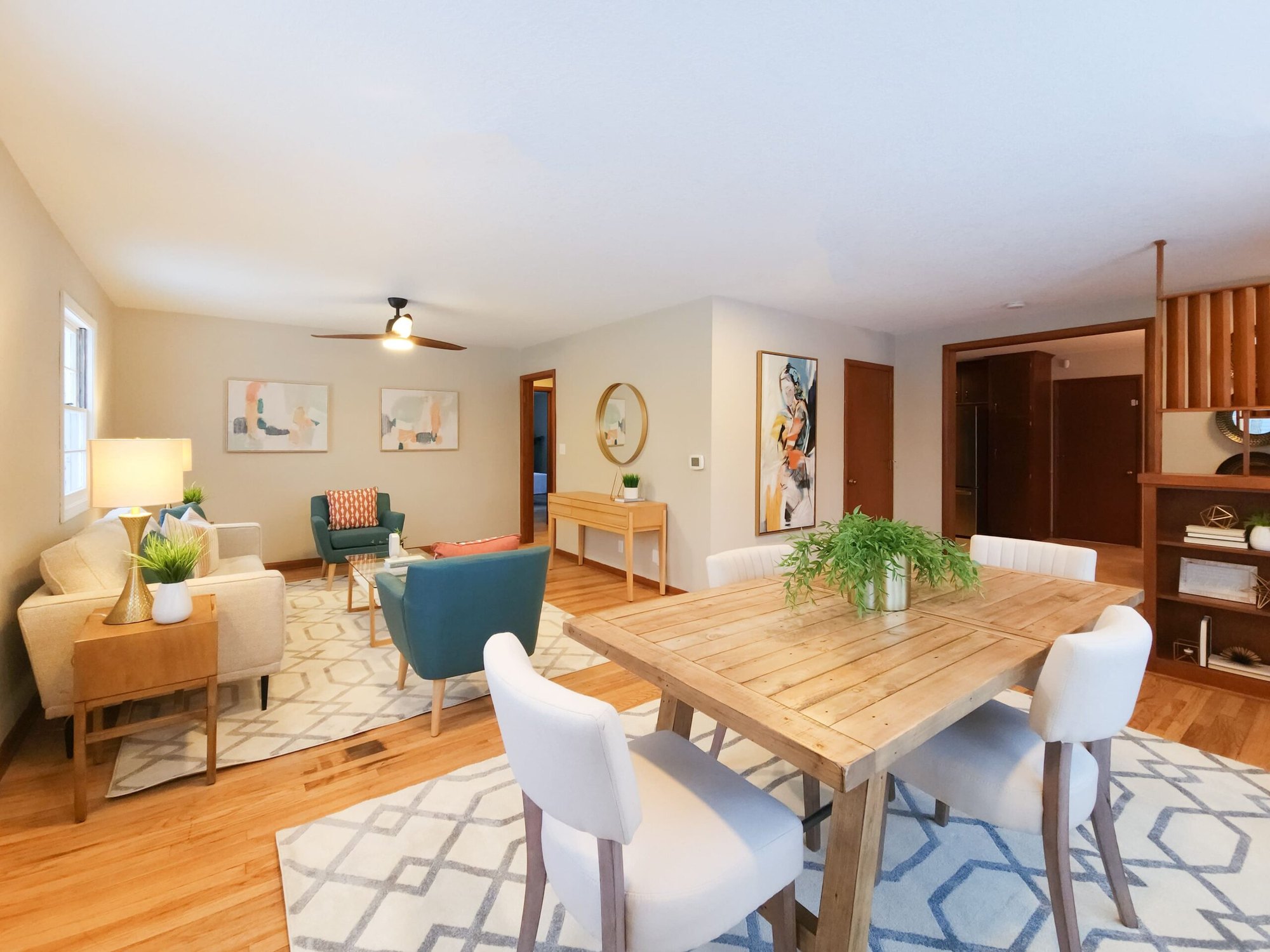
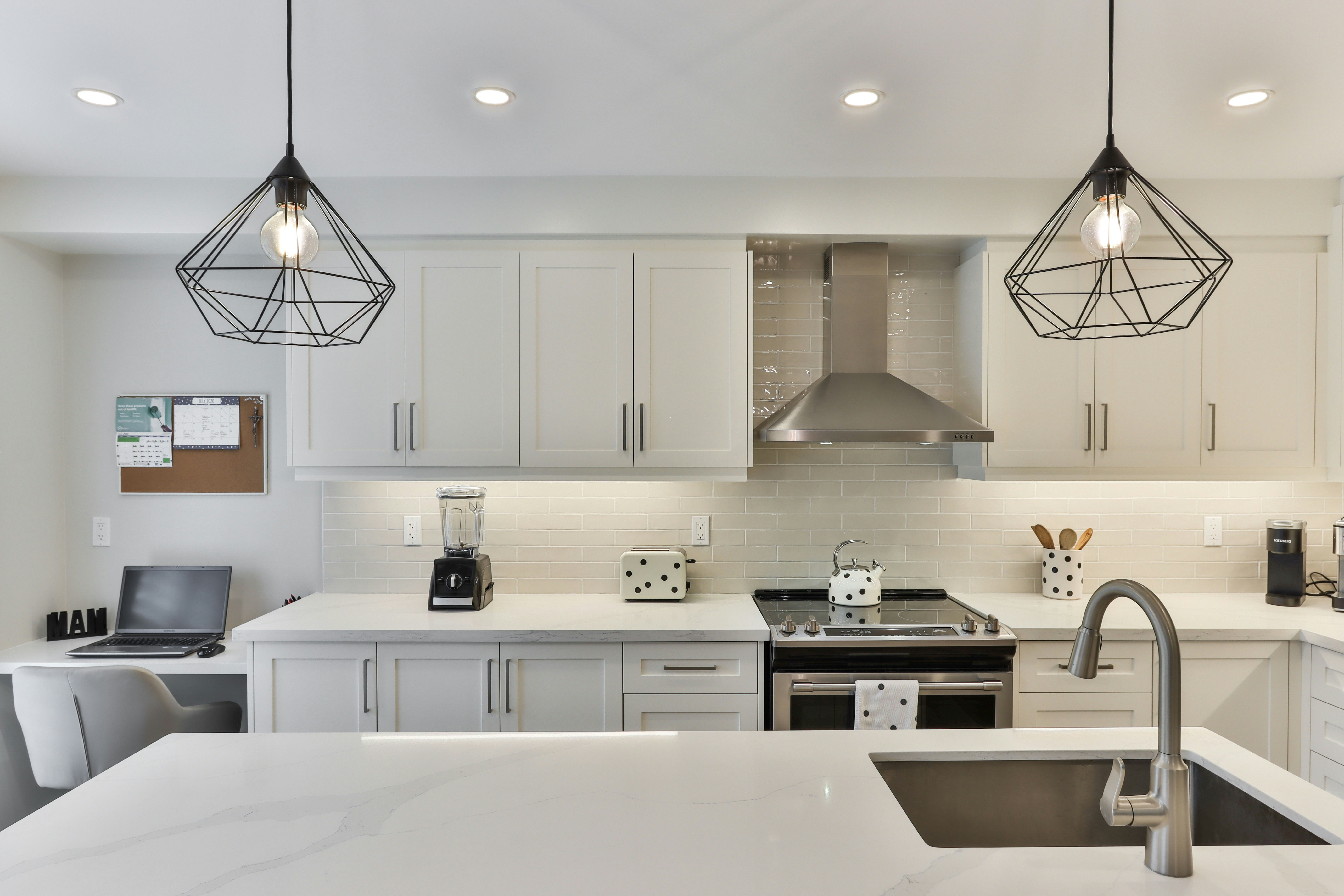
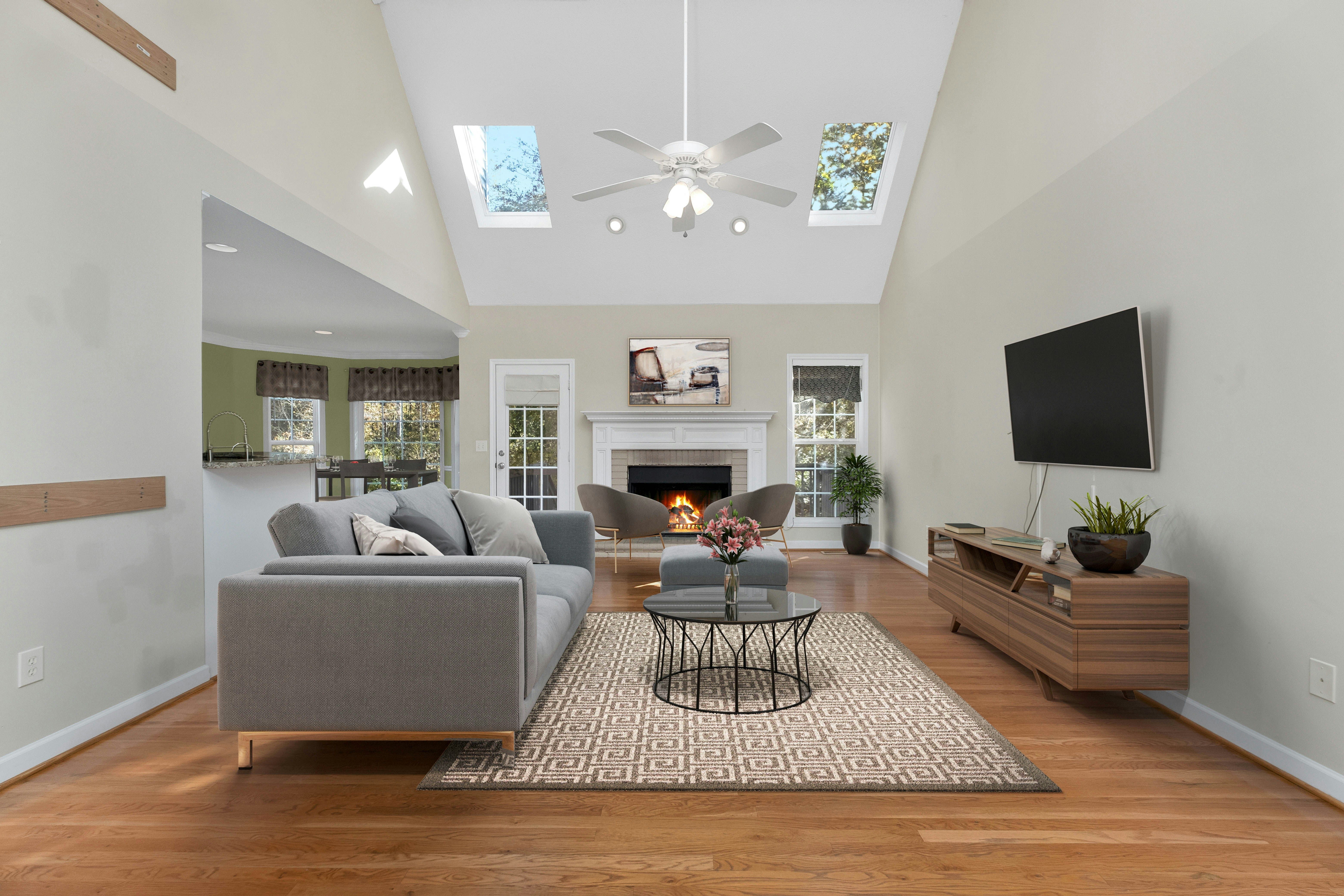
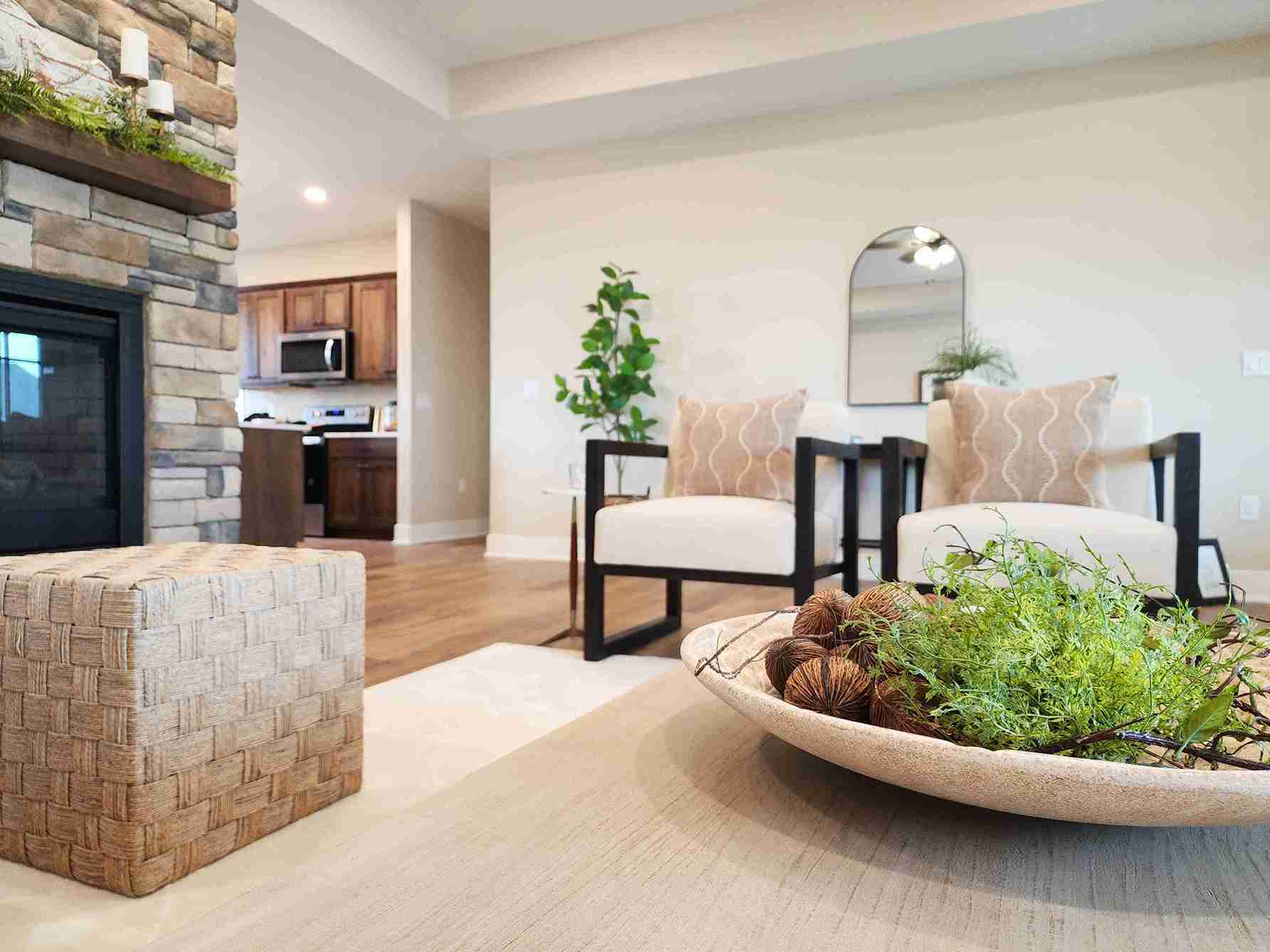
 Buyers in Ames make decisions about your house before they ever see it in person, and those decisions happen fast. They’re scrolling through listings on their phone while waiting for coffee, swiping past anything that looks dark, cluttered, or confusing. Your property is one of maybe forty they’ll look at this week, and you’ve got a few seconds to make them curious enough to tap for more photos. That’s the game, whether we like it or not.
Sell It Well Home Staging is based in Boone, and we work with Ames homeowners who want their listing to photograph well before it goes live. We’ve seen what works and what doesn’t, and we’re going to be straight with you about both. This article covers what staging actually does and what questions you should be asking yourself before you list.
Your Phone Camera Lied To You
Here’s something sellers don’t realize until it’s too late: the room you’re standing in and the room in your listing photos are two different things. Cameras flatten everything, compress corners, and make dark spaces look like caves. That cozy den you love? It might photograph like a storage closet. Staging sets up each room so the camera captures something closer to what you see when you’re standing there, with furniture that gives the eye something to land on and establishes how big the space actually is.
Nobody Knows What To Do With An Empty Room
Vacant houses are tough to sell, and the photos are a big part of why. When buyers look at an empty room, their brain struggles to figure out scale and purpose. Is this the living room or a bedroom? Will my couch fit? They don’t know, so they move on to a listing where somebody already answered those questions for them. We put furniture in vacant properties so buyers can see what the rooms are for and whether their stuff will fit.
The Couch Against The Wall Problem
You’d be surprised how much furniture placement matters in photos and during showings. Most people push their couch against the far wall because that’s what you do, right? But it makes the room feel like a waiting room at the DMV, cold and awkward. Pull that furniture into the room, angle it toward something worth looking at, and suddenly the space feels like somewhere you’d actually want to sit down. Buyers notice this, even if they couldn’t tell you why.
That Paint Color Might Not Photograph The Way You Think
Color is tricky because what looks great in person can look completely different in photos. Your warm beige walls might photograph as muddy yellow depending on how light comes through your windows. Cool grays photograph well in bright rooms, but they can look depressing in a basement. We look at each room’s lighting and figure out which colors and textures will actually translate when the photographer shows up.
What We’re Looking At During A Walkthrough
When we come through your house, we’re noting things you probably don’t think about anymore. Where does your eye go when you walk into each room? What will the camera emphasize? Where are the awkward angles? We check traffic flow, natural light at different times of day, and how furniture could be arranged to make each room photograph better. You get a plan that tells you exactly what we’d do and how long it takes.
We Talk To Your Realtor So You Don’t Have To Referee
Timing matters when you’re listing a house, and staging has to fit the schedule your realtor already set. We coordinate directly with them on installation dates and make sure we’re done before the photographer arrives. Nobody wants to be making phone calls the morning of the photo shoot because something fell through.
Ames Has Different Neighborhoods With Different Buyers
A house near Somerset and a condo near Iowa State attract completely different people, and staging them the same way misses the point. Family buyers want to see a home that works for kids and daily life. Young professionals and grad students want something that feels efficient and put-together. We adjust based on who’s most likely walking through your door, because generic staging is just expensive furniture rental.
The Photos Stick Around Longer Than You Think
Whatever photos go up in that first week will represent your house for months, shaping what buyers think before they ever schedule a showing. Staging is one way to make sure those photos do their job instead of working against you.
Sell It Well Home Staging, based in Boone, works with Ames sellers who want honest answers about what staging involves and whether it makes sense for their house. If you’re getting ready to list and want to talk through your specific situation, call (515) 238-3795 and we’ll figure it out together.