Stand at your own kitchen counter, close enough to set down a grocery bag, and look at what the surface shows first. In most lived-in kitchens it shows the toaster, the mail, the drying rack, and the row of oils beside the stove, and the workspace underneath stays mostly hidden. A buyer touring your Ankeny home stands in that same spot and tries to answer three questions at once: where would I cook, where would everything go, and what would an ordinary morning look like here. Kitchen staging makes those three answers visible on sight. At Sell It Well Home Staging, we get there mostly by taking things away, which is good news for a seller who wants the kitchen to help the sale without funding a remodel.
Buyers Measure the Counter by Its Longest Clear Stretch
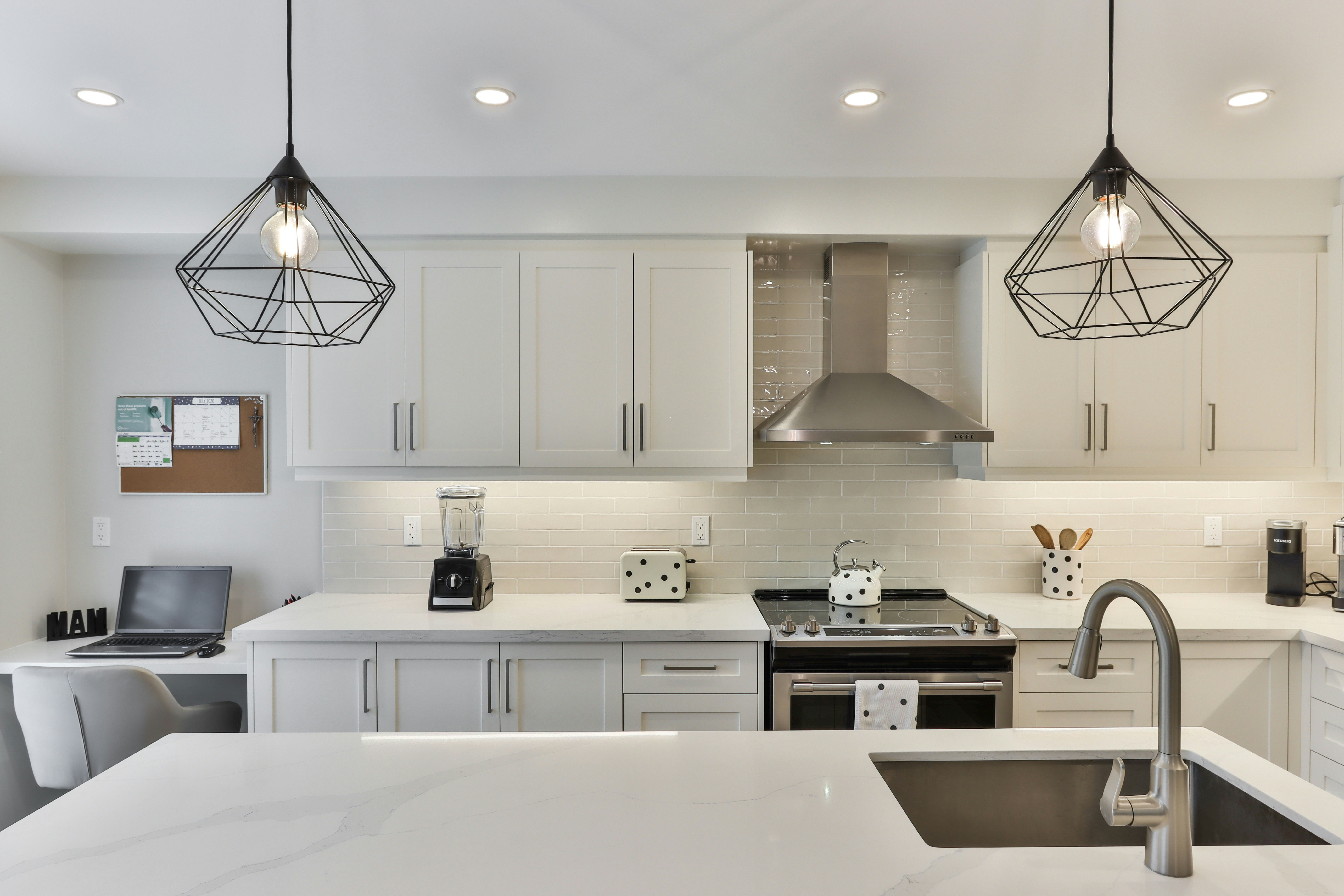
Buyers judge workspace by the longest uninterrupted run of counter they can see, and every object that breaks the line shortens it. A coffee station, a knife block, and a drying rack can cut a ten-foot counter down to three visible feet, and a buyer weighing the kitchen takes the three feet at face value. Agents rank the kitchen among the top rooms to stage, and workspace is a large part of why. We clear the counters down to almost nothing, small appliances included, so the full run from the sink to the stove sits in plain view. The counter has not gained an inch, and it no longer looks like it needs to.
Packed Cabinets Make the Storage Look Too Small
Buyers open cabinets and pantries, and when every shelf is filled to the front edge, they conclude the kitchen is already out of room. The cabinetry may hold plenty, but a buyer estimates capacity from the air around the contents, so we edit each shelf until some of that air shows. Nothing gets concealed in the edit; the shelves simply show what they can hold instead of everything you currently own. The refrigerator face gets the same treatment, because magnets and school papers pull a buyer’s eye away from the appliances and finishes you want judged. You cook in this kitchen every day, so we set the whole edit up as a showing arrangement you can reset in a few minutes after dinner.
Clean the Kitchen at the Distance a Buyer Stands
Most sellers clean to the doorway view and stop there, and buyers do not stay in the doorway. They stand at the sink, look into the oven, and examine grout lines, cabinet fronts, fixture bases, and appliance faces from a foot away. Cleaning to that inspection distance matters more in the kitchen than anywhere else in the house, because this is the room where a buyer judges upkeep most closely. A dated kitchen that is spotless at close range comes across as cared for, and a buyer takes a cared-for kitchen as the sign of a house that has been maintained everywhere they cannot see. Cleanliness, light, and the counter line can all change in a single week, whatever year the kitchen was built.
Show One Ordinary Morning, Then Stop Adding
That leaves the buyer’s third question, the ordinary morning, and the answer needs less help than most sellers think. We open the blinds fully, ask you to swap any failed bulbs, and check that the sink and stove zones are as bright as the rest of the room, so the whole room is easy to take in. Then we add one restrained cue at most: two stools pulled up to the island, or a small breakfast table set simply. One believable cue helps a buyer picture coffee, homework, and breakfast in this exact room, while a counter styled like a catalog covers the workspace we just cleared. If a piece does not make the daily routine easier to picture, it does not go in.
Run the Test Yourself, Then Call for the Trained Read
You can run most of this sequence before we ever meet: clear the counters, edit the shelves, clean to inspection distance, and brighten the work zones. Those steps cost a weekend of effort, and each one makes the next easier to judge. The step that is hard to do alone is the read that follows, deciding what we bring back and where it sits. A kitchen you cook in every day is hard to see with first-time eyes, and the first-time view is the only one a buyer gets. That read changes kitchen by kitchen; the bowl that carries color in one room crowds the sink line in the next. Call Sell It Well Home Staging at (515) 238-3795, and we will bring the first-time view to your Ankeny kitchen before it goes on the market.