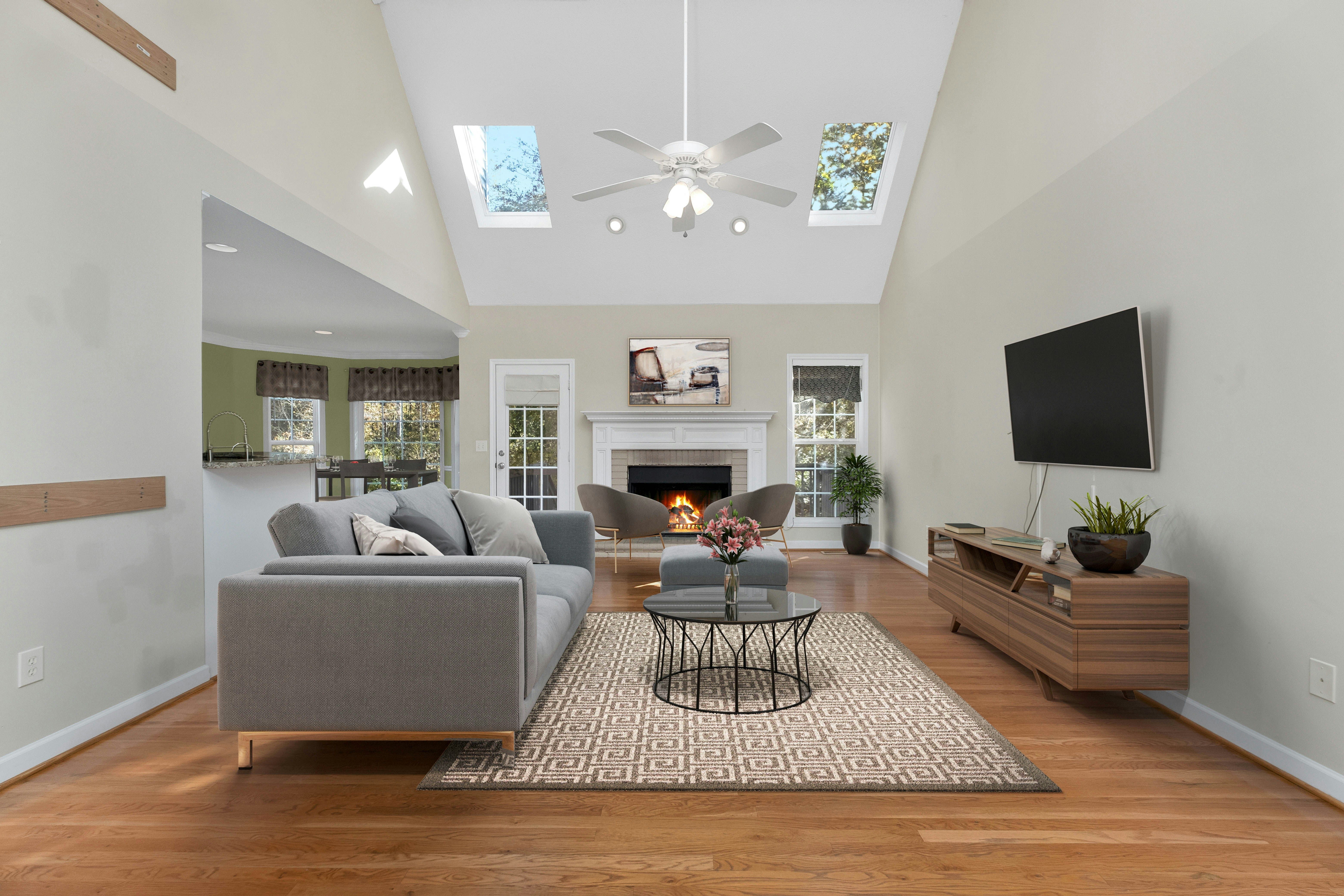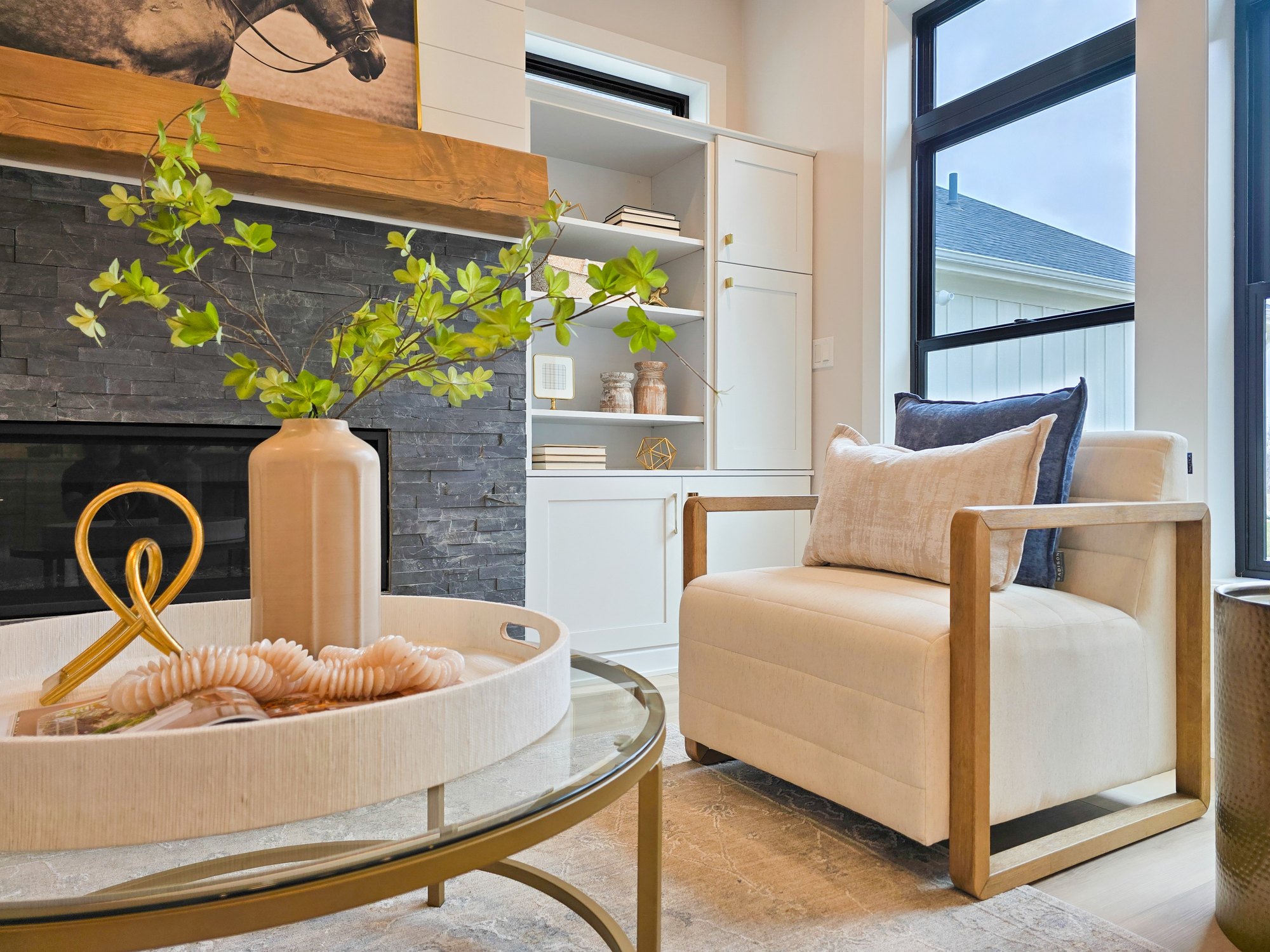
If you own a vacant storefront on Story Street or an empty office suite elsewhere in Boone County, the stager you hire needs a different skill set from one who stages houses. Home staging and commercial staging share the same basic methods, yet a home buyer shops for a feeling and a commercial prospect shops for fit. We're Sell It Well Home Staging, headquartered in Boone, and we stage office suites and showrooms across the county. The first question we'd put to any commercial stager is what staging will do to your appraisal, and the answer shows how straight that stager will be with you.
Straight Answers About Property Value
Staging won't raise a commercial appraisal, because commercial property is valued on the income it produces. Any staging business that promises you a higher commercial valuation is making a claim that doesn't hold up, and that promise should end the interview on the spot. Staging shortens the stretch a floor sits empty, and every vacant month is a carrying cost the owner absorbs. The staged floor also widens the pool of prospects who can picture their business there, which is where a faster lease or sale comes from.
Layouts Planned From the Floor Plan
A prospect touring an office suite is checking whether their operation physically fits and runs there. Good commercial stagers start with the floor plan and the most likely use, and the furniture list comes after both. In a staged office suite, a buyer counts the workstations and looks for the reception and waiting area as soon as they step inside, since those two details show where a team would sit and where clients would arrive. A stager who brings throw pillows and a cozy reading chair to that floor is applying house instincts to the wrong building. Ask each company how they'd lay out your floor, and notice whether they start with seat counts or with a furniture catalog.
One Specific Business on Display
Standing in empty square footage, a prospect has to dream up a use for it, and few people do that work during a showing. The strongest staging businesses choose one plausible operation and stage for it completely, so the space looks like a business somebody already runs. Any floor staged for no business in particular leaves the prospect with nothing to recognize. A suite set up as a small accounting office shows an accountant at a glance that the rooms already work. Buyers from nearby fields can still read that layout, and they adjust it in their heads far more easily than they invent one from bare carpet.
A Plan for Storefronts and Upstairs Suites
For a Story Street building with a storefront below and offices upstairs, a good stager brings a separate plan for each. Narrow storefronts look like a tunnel when they're empty, so we place pieces that carry a buyer's eye all the way to the back wall. Upstairs suites need a plan that starts with the first room a client reaches at the top of the stairs. We stage that first room as the reception area, so the tour opens on the space a business would show its clients.
Range Beyond the Standard Office Suite
Commercial staging covers more than offices, and the best businesses know how each property type changes the plan. On a retail or showroom floor, a buyer follows the path a customer would walk, so we arrange pieces to make that path easy to trace from the entrance. Showroom buyers look for display space near the front windows, so we keep that frontage open. Large open floors get divided into defined zones, so a buyer can see where each part of a business would sit. A retail floor staged like an office leaves the buyer searching for a customer path that isn't there.
Start With the Businesses That Have Toured
When you call Sell It Well Home Staging at (515) 238-3795, name the kinds of businesses that have toured your Boone County space so far, or the ones your broker expects. That list gives us a starting point before we see the floor in person. Once we've walked it, we'll name the operation we'd stage for and show you where its customers or clients would arrive.