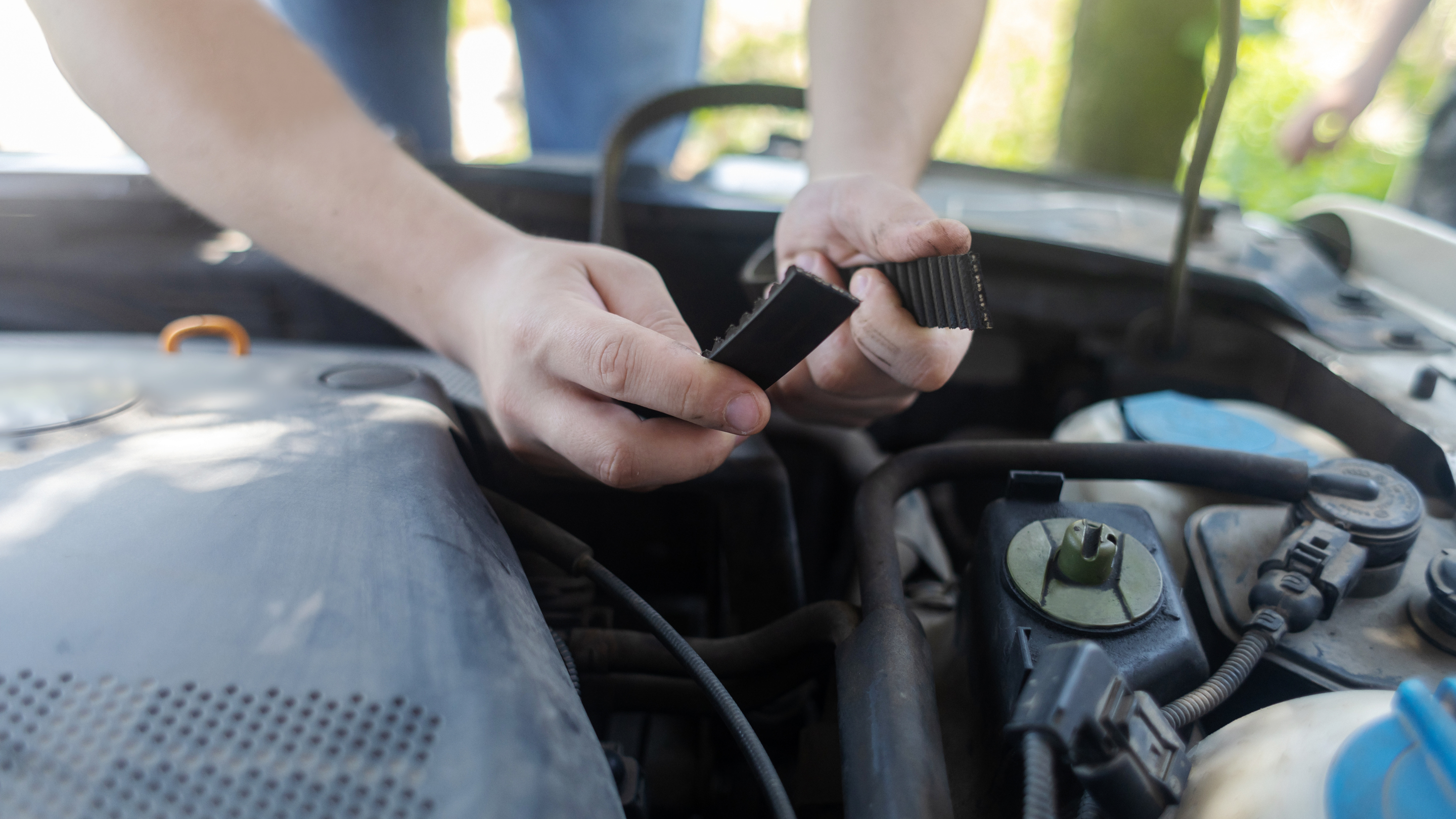
 What A Timing Belt Is
A timing belt is a reinforced rubber belt inside your engine. It links the crankshaft and the camshaft. Those parts must stay in sync. The pistons move up and down. The valves open and close. The belt keeps that motion timed correctly so the engine can run as designed.
Why The Timing Belt Protects The Engine
Engines run on precise timing. A small change can affect power, fuel use, and smoothness. A worn belt can stretch over time. It can also lose teeth or crack. When timing slips, the engine may run poorly or stall. When a belt breaks, the engine often stops right away.
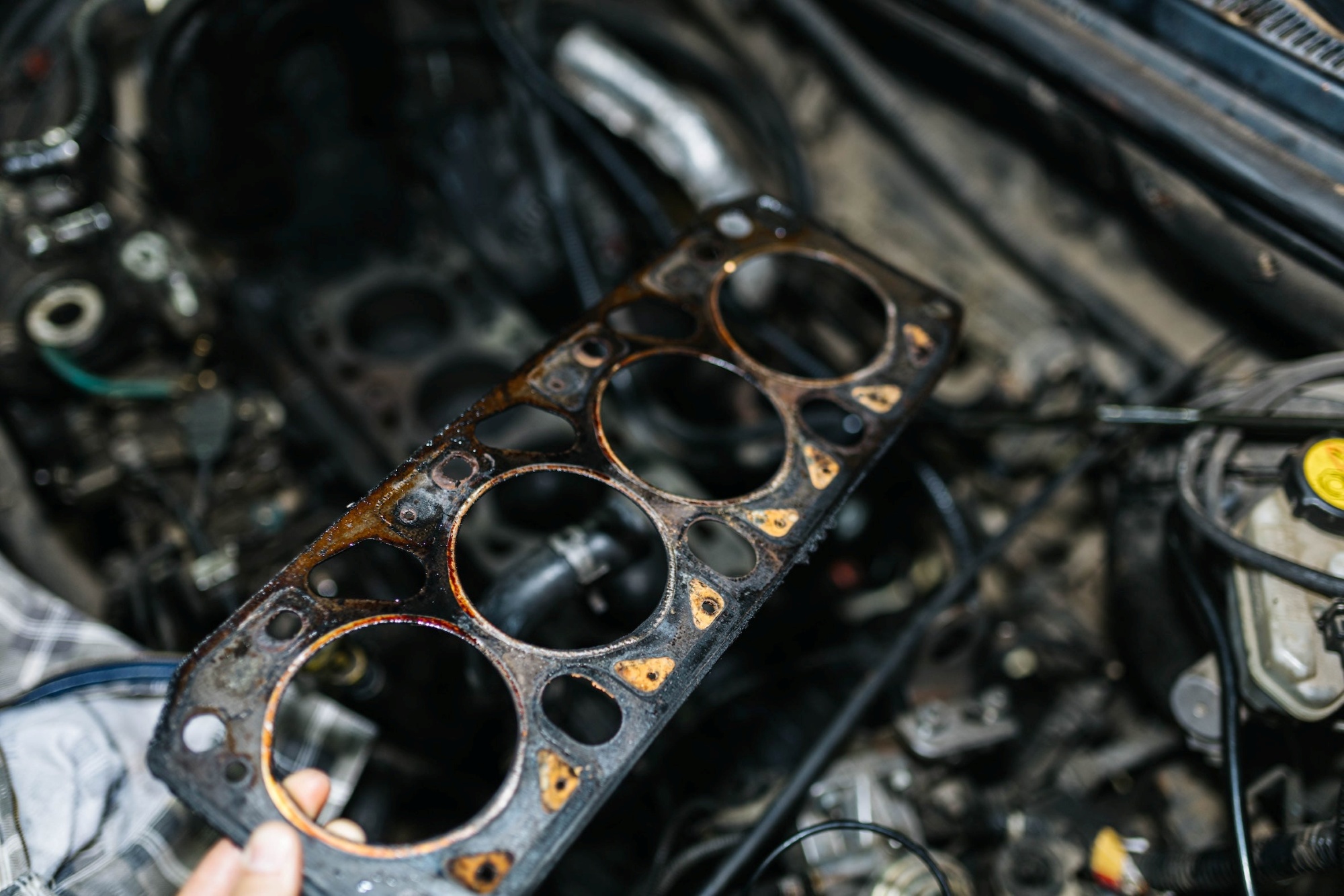
On many engines, a broken belt can allow internal contact between valves and pistons. That can bend valves and damage other parts. Repairs can jump from a planned service to a major engine job. That is the main reason we treat timing belt replacement as a preventive service, not a “wait and see” item.
When Replacement Makes Sense
Manufacturers set timing belt intervals by mileage and time. Many fall between 60,000 and 105,000 miles. Many also list a time limit, often 7 to 10 years.
At Oceanworks Berkeley, we check the factory schedule for your specific car. Then we compare it with your maintenance records. No record means no proof.
Signs A Timing Belt May Need Service
Some timing belts give warning signs. Some fail with little notice. Still, drivers sometimes report changes that point to belt wear or a related part in the timing system. You may notice a rough idle at stoplights. You may feel a loss of power on acceleration. You may hear a ticking or slapping sound near the front of the engine.
A check engine light can also show up with cam or crank timing codes. Oil leaks near the timing cover area also matter. Oil can weaken belt material over time. These symptoms can come from other causes, so we diagnose first and do not guess.
What Timing Belt Replacement Includes AtOceanworks Berkeley
We start by confirming your engine type and the correct service interval. Then we inspect for leaks and worn drive components.
Next, we remove the necessary covers and set the engine at the correct timing position using factory marks.
We remove the old belt and inspect the tensioner and idler pulleys. Those parts guide the belt and hold proper tension. They wear them too, so we often replace them as part of the same job.
We also look at the water pump on engines, where it runs off the timing belt. Many cars call for water pump replacement during timing belt service.
Schedule Your Timing Belt Service at Oceanworks Berkeley
Call Oceanworks Berkeley to book a timing belt inspection or replacement. We will confirm your factory interval, review your records, and quote the right service for your engine.
What A Timing Belt Is
A timing belt is a reinforced rubber belt inside your engine. It links the crankshaft and the camshaft. Those parts must stay in sync. The pistons move up and down. The valves open and close. The belt keeps that motion timed correctly so the engine can run as designed.
Why The Timing Belt Protects The Engine
Engines run on precise timing. A small change can affect power, fuel use, and smoothness. A worn belt can stretch over time. It can also lose teeth or crack. When timing slips, the engine may run poorly or stall. When a belt breaks, the engine often stops right away.
On many engines, a broken belt can allow internal contact between valves and pistons. That can bend valves and damage other parts. Repairs can jump from a planned service to a major engine job. That is the main reason we treat timing belt replacement as a preventive service, not a “wait and see” item.
When Replacement Makes Sense
Manufacturers set timing belt intervals by mileage and time. Many fall between 60,000 and 105,000 miles. Many also list a time limit, often 7 to 10 years.
At Oceanworks Berkeley, we check the factory schedule for your specific car. Then we compare it with your maintenance records. No record means no proof.
Signs A Timing Belt May Need Service
Some timing belts give warning signs. Some fail with little notice. Still, drivers sometimes report changes that point to belt wear or a related part in the timing system. You may notice a rough idle at stoplights. You may feel a loss of power on acceleration. You may hear a ticking or slapping sound near the front of the engine.
A check engine light can also show up with cam or crank timing codes. Oil leaks near the timing cover area also matter. Oil can weaken belt material over time. These symptoms can come from other causes, so we diagnose first and do not guess.
What Timing Belt Replacement Includes AtOceanworks Berkeley
We start by confirming your engine type and the correct service interval. Then we inspect for leaks and worn drive components.
Next, we remove the necessary covers and set the engine at the correct timing position using factory marks.
We remove the old belt and inspect the tensioner and idler pulleys. Those parts guide the belt and hold proper tension. They wear them too, so we often replace them as part of the same job.
We also look at the water pump on engines, where it runs off the timing belt. Many cars call for water pump replacement during timing belt service.
Schedule Your Timing Belt Service at Oceanworks Berkeley
Call Oceanworks Berkeley to book a timing belt inspection or replacement. We will confirm your factory interval, review your records, and quote the right service for your engine.
Berkeley, CA - Timing Belt Replacement Services to Prevent Engine Damage
SYNOPSIS: This article covers what a timing belt does, why it matters, signs it is wearing out, typical replacement timing, what our service includes, and more. Schedule your appointment now.
Everything to Know About Timing Belt Replacement
BY: ,
What A Timing Belt Is
A timing belt is a reinforced rubber belt inside your engine. It links the crankshaft and the camshaft. Those parts must stay in sync. The pistons move up and down. The valves open and close. The belt keeps that motion timed correctly so the engine can run as designed.
Why The Timing Belt Protects The Engine
Engines run on precise timing. A small change can affect power, fuel use, and smoothness. A worn belt can stretch over time. It can also lose teeth or crack. When timing slips, the engine may run poorly or stall. When a belt breaks, the engine often stops right away.
On many engines, a broken belt can allow internal contact between valves and pistons. That can bend valves and damage other parts. Repairs can jump from a planned service to a major engine job. That is the main reason we treat timing belt replacement as a preventive service, not a “wait and see” item.
When Replacement Makes Sense
Manufacturers set timing belt intervals by mileage and time. Many fall between 60,000 and 105,000 miles. Many also list a time limit, often 7 to 10 years.
At Oceanworks Berkeley, we check the factory schedule for your specific car. Then we compare it with your maintenance records. No record means no proof.
Signs A Timing Belt May Need Service
Some timing belts give warning signs. Some fail with little notice. Still, drivers sometimes report changes that point to belt wear or a related part in the timing system. You may notice a rough idle at stoplights. You may feel a loss of power on acceleration. You may hear a ticking or slapping sound near the front of the engine.
A check engine light can also show up with cam or crank timing codes. Oil leaks near the timing cover area also matter. Oil can weaken belt material over time. These symptoms can come from other causes, so we diagnose first and do not guess.
What Timing Belt Replacement Includes AtOceanworks Berkeley
We start by confirming your engine type and the correct service interval. Then we inspect for leaks and worn drive components.
Next, we remove the necessary covers and set the engine at the correct timing position using factory marks.
We remove the old belt and inspect the tensioner and idler pulleys. Those parts guide the belt and hold proper tension. They wear them too, so we often replace them as part of the same job.
We also look at the water pump on engines, where it runs off the timing belt. Many cars call for water pump replacement during timing belt service.
Schedule Your Timing Belt Service at Oceanworks Berkeley
Call Oceanworks Berkeley to book a timing belt inspection or replacement. We will confirm your factory interval, review your records, and quote the right service for your engine.