Many drivers treat oil changes as simple maintenance. They know the service matters, but it often slips down the to do list. The car still starts. The engine sounds normal. Nothing feels urgent.
Inside the engine, though, the oil is working constantly. It coats moving metal parts, absorbs heat, and carries away debris created during normal driving. After enough miles, that oil loses its ability to do those jobs well.
At Oceanworks Berkeley, we see the difference routine oil service makes. Engines that receive steady oil changes often run smoothly far past the mileage many drivers expect.
Why Engines Depend on Clean Oil
An engine contains dozens of moving components. Pistons travel up and down inside the cylinders. The crankshaft spins thousands of times each minute. Valves open and close to control fuel and air flow.
These parts operate extremely close to one another. Without lubrication, metal would grind against metal. Engine oil forms a thin protective layer between those surfaces.
That layer reduces friction and helps carry heat away from the engine. It also captures tiny particles that develop as the engine runs. The oil filter then removes many of those particles from circulation.
Types of Oil Drivers Commonly Use
Vehicles today use a few different kinds of engine oil. Each serves the same basic purpose but performs differently under heat and stress.
Conventional oil comes from refined petroleum. Many vehicles have used it for decades. It works well for engines that follow shorter oil change intervals.
Synthetic oil is engineered to remain stable under higher temperatures. It resists breakdown longer than conventional oil and often supports longer service intervals. Many newer engines recommend synthetic oil for that reason.
Some vehicles use synthetic blend oil. This mixture combines conventional oil with synthetic components to provide stronger protection than conventional oil alone.
Typical Oil Change Intervals
Oil service schedules vary by engine design and oil type. Many drivers follow these general guidelines.
- Conventional oil often requires replacement around 3,000 to 5,000 miles.
- Synthetic blend oil usually lasts about 5,000 to 7,500 miles.
- Full synthetic oil may remain effective up to 10,000 miles in certain vehicles.
Vehicle manuals often provide the most accurate interval for each model.
Driving Conditions in Richmond
Daily driving conditions can shorten the life of engine oil. Short trips, steady traffic, and warm weather all increase engine heat.
Richmond drivers often encounter stop-and-go traffic during local commutes. That type of driving keeps engines working harder than long highway trips. More heat and friction develop inside the engine during those short city drives.
Keeping Your Engine Running Well
Clean oil allows an engine to operate smoothly. The service takes little time, yet it protects the engine through thousands of miles of driving.
Oil Change Service at Oceanworks Berkeley
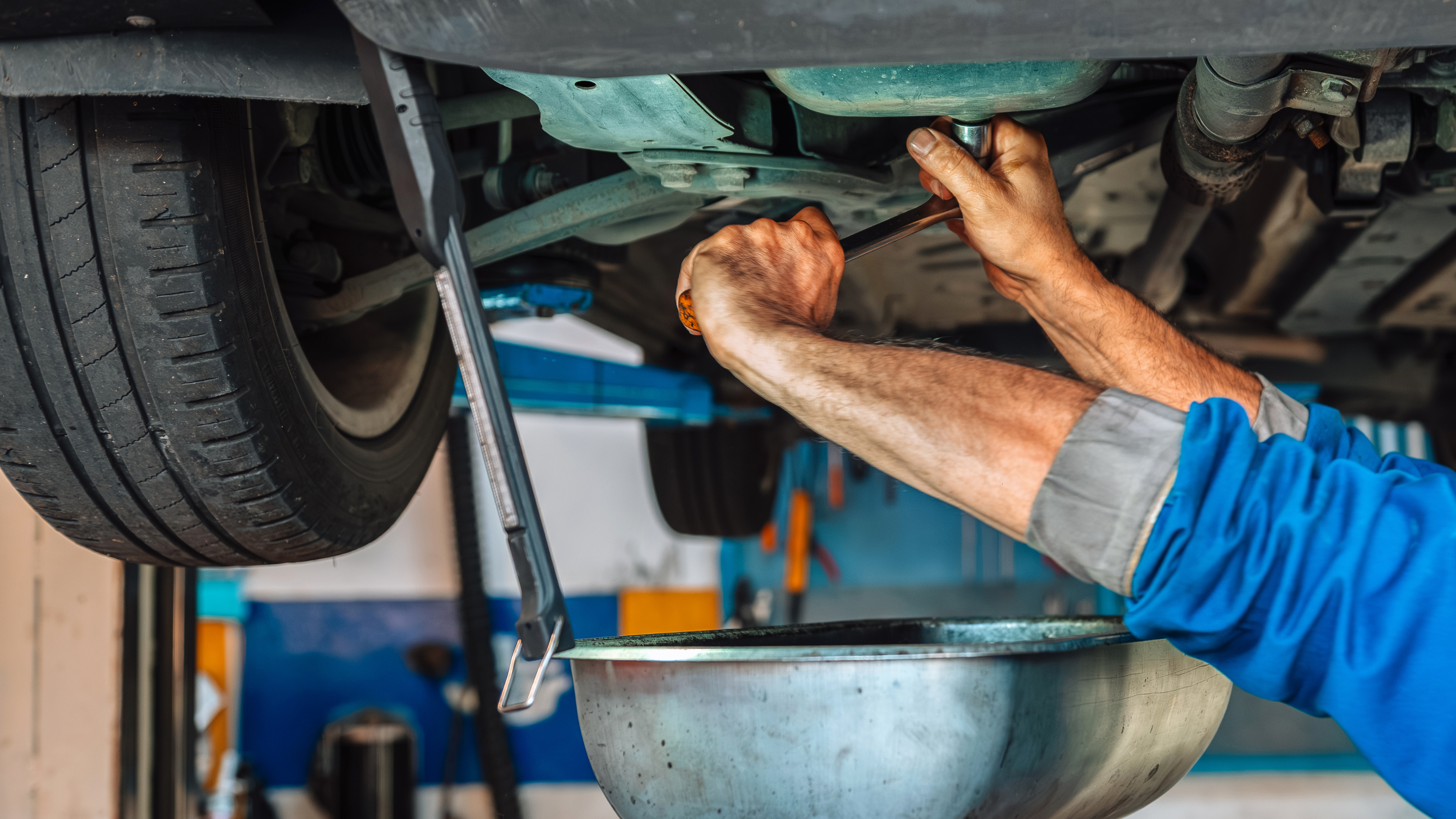
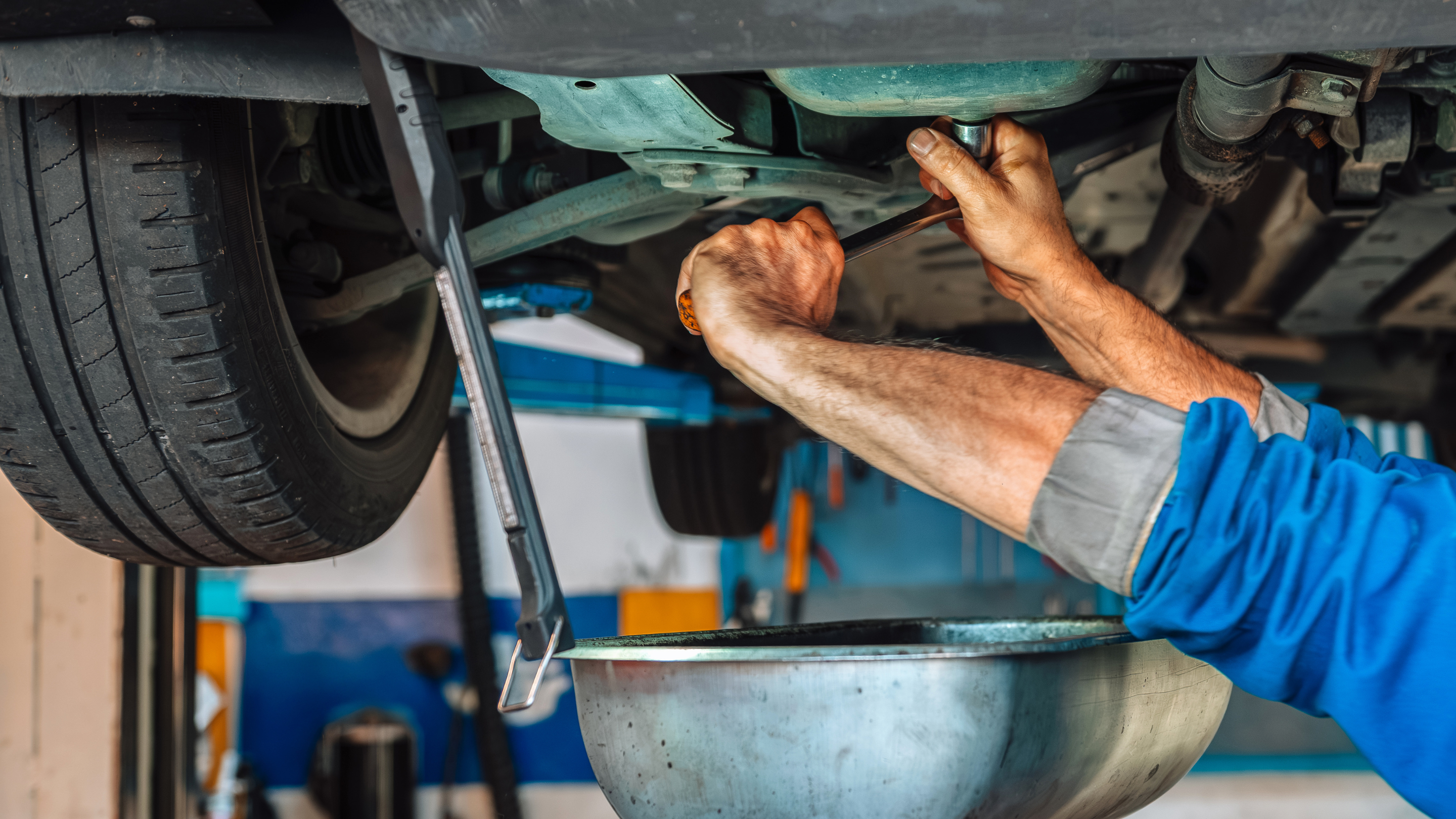
Drivers in Richmond who need an oil change can visit nearby Oceanworks Berkeley for professional service. Our technicians replace worn oil, install a new filter, and help keep engines running reliably for years to come.