 Most Honda CR-V owners who visit us describe the same scene. The vehicle rolls up to a Berkeley intersection, the brakes hold the SUV still, and the cabin starts a slow, rhythmic pulse you can feel in the steering wheel and seat. The shake quiets the second the brake releases. That on-and-off pattern is the most useful clue in the whole story, and it points our team at Oceanworks Auto Repair Shop toward the right answer before a wrench comes out.
The Passenger-Side Hydraulic Mount Era
Second-generation CR-Vs from 2002 through 2006 use a fluid-filled hydraulic mount on the passenger side, which absorbs vibration from the K24A1 engine. Heat cycles eventually crack the rubber, the fluid weeps out, and the mount stiffens into a near-solid block. Owners then feel a strong vibration at idle in Drive or Reverse, exactly when the engine is loaded against the brake. We confirm the failure by checking for fluid traces and watching engine movement under brake-loaded torque.
When One Cylinder Carries A Quiet Story
Third-generation CR-Vs from 2007 through 2011 use the R20A engine, and idle vibration in these years often hides a single weak cylinder. A failing coil-on-plug or a fouled iridium spark plug logs misfire counts under codes P0301 through P0304 long before the dashboard light comes on. We used to expect owners to call us once the check engine light appeared; the misfire counter taught us better, since it climbs in silence for weeks. Our scanner pulls those counts directly from the engine control module.
Two Engines, One Generation, Two Conversations
Fourth-generation CR-Vs split into two distinct chapters. Models from 2012 through 2014 carry the K24Z7 engine with port injection, where idle shake usually points toward a worn rear differential mount or a sticky variable valve timing solenoid. Models from 2015 through 2016 introduced the K24W direct-injection engine alongside the CVT, which changed the failure pattern toward fuel-related concerns and intake valve carbon build-up. Knowing which K24 sits in your CR-V changes the first three checks we run.
The 1.5T Story And A Mostly Cold-Weather Footnote
Fifth-generation CR-Vs from 2017 onward carry the L15B7 turbocharged 1.5-liter engine, which Honda addressed through TSBs 19-032 and 19-037 after owners in cold-weather states reported fuel-diluted oil and rough idle behavior. Berkeley sits well outside that climate zone, so the issue surfaces less often here than in the bulletin's target region. Failed fuel injectors are a separate, well-documented L15B7 concern that can cause rough idling regardless of climate. We pull live fuel trim data and check oil dilution before any parts conversation begins.
How Our Bay Sequences The Truth
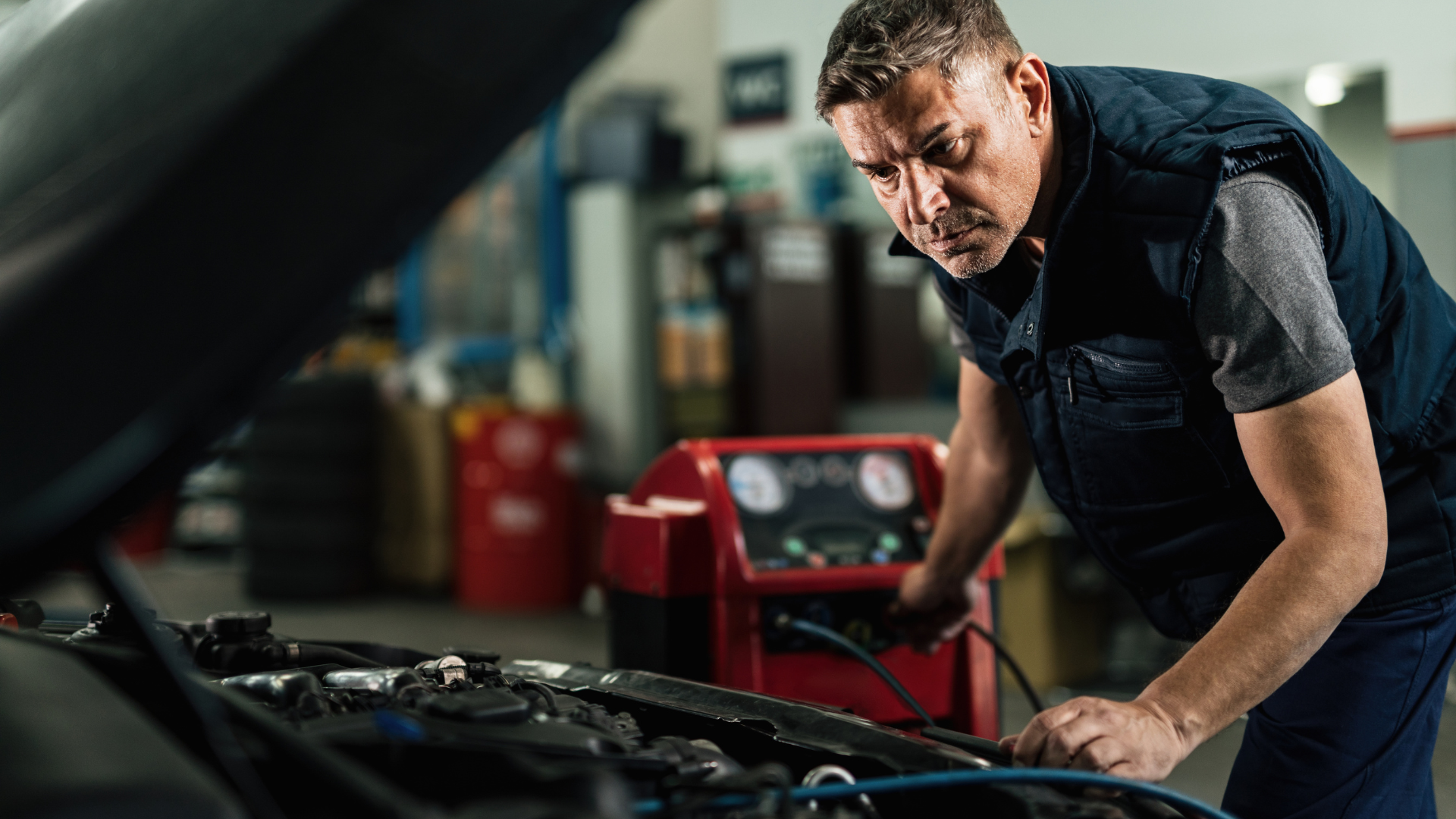
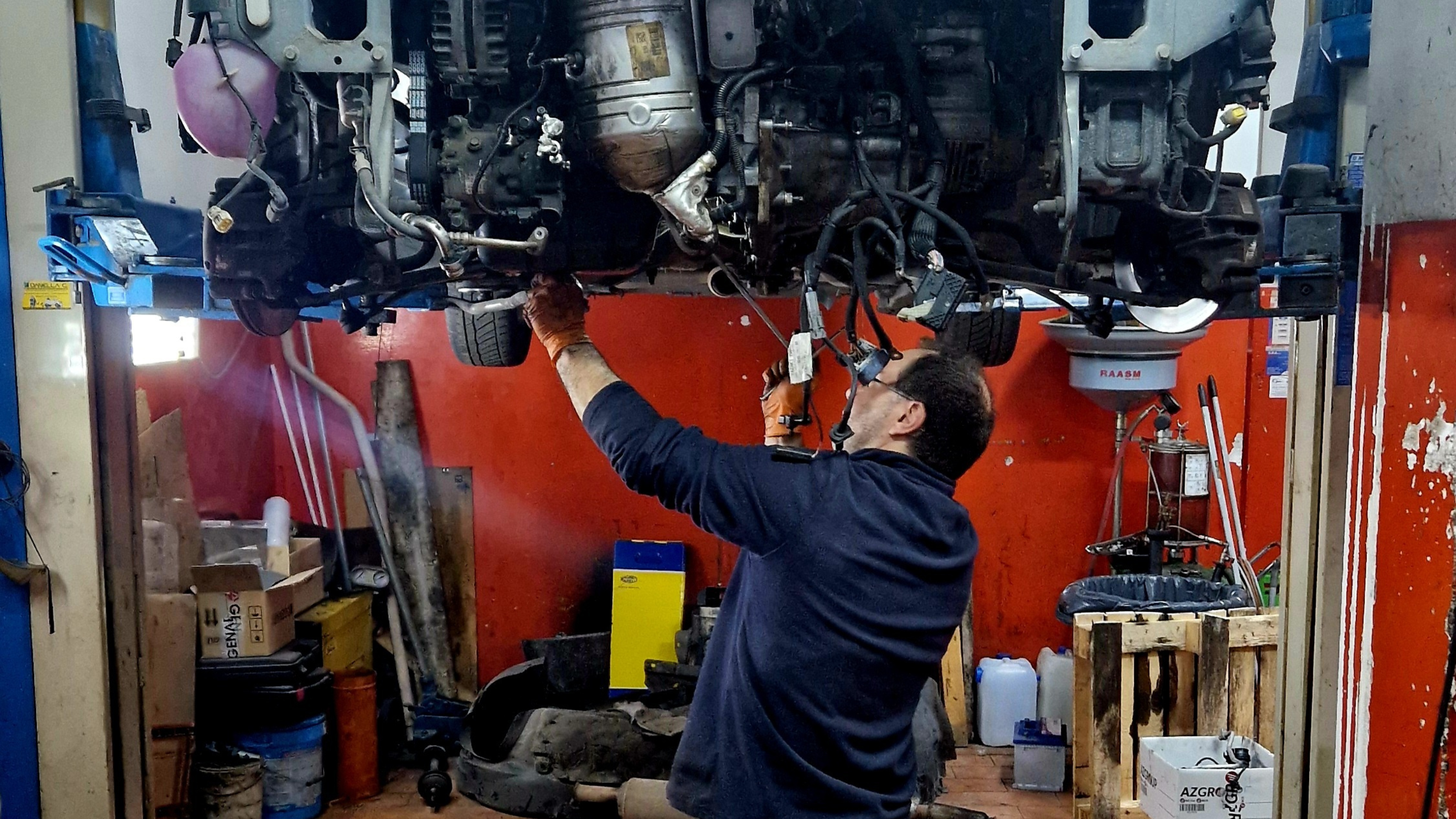
Our diagnostic approach follows the same logic on every CR-V that comes through the door. We pull live engine data first, review misfire counters second, and load-test the mounts third with the transmission engaged and the brake firmly held. Visual inspection arrives only after the data points us at a target. This order keeps every finding anchored in evidence and keeps owners from paying for parts that never needed replacing.
Berkeley CR-V Drivers, We're One Call Away
Reading this far means you already suspect your CR-V is trying to tell you something at every stop. Pick up the phone, dial (510) 345-0606, and our Berkeley team will book your CR-V in for the full diagnostic sequence. We explain every finding plainly and stand behind the work that follows.
Most Honda CR-V owners who visit us describe the same scene. The vehicle rolls up to a Berkeley intersection, the brakes hold the SUV still, and the cabin starts a slow, rhythmic pulse you can feel in the steering wheel and seat. The shake quiets the second the brake releases. That on-and-off pattern is the most useful clue in the whole story, and it points our team at Oceanworks Auto Repair Shop toward the right answer before a wrench comes out.
The Passenger-Side Hydraulic Mount Era
Second-generation CR-Vs from 2002 through 2006 use a fluid-filled hydraulic mount on the passenger side, which absorbs vibration from the K24A1 engine. Heat cycles eventually crack the rubber, the fluid weeps out, and the mount stiffens into a near-solid block. Owners then feel a strong vibration at idle in Drive or Reverse, exactly when the engine is loaded against the brake. We confirm the failure by checking for fluid traces and watching engine movement under brake-loaded torque.
When One Cylinder Carries A Quiet Story
Third-generation CR-Vs from 2007 through 2011 use the R20A engine, and idle vibration in these years often hides a single weak cylinder. A failing coil-on-plug or a fouled iridium spark plug logs misfire counts under codes P0301 through P0304 long before the dashboard light comes on. We used to expect owners to call us once the check engine light appeared; the misfire counter taught us better, since it climbs in silence for weeks. Our scanner pulls those counts directly from the engine control module.
Two Engines, One Generation, Two Conversations
Fourth-generation CR-Vs split into two distinct chapters. Models from 2012 through 2014 carry the K24Z7 engine with port injection, where idle shake usually points toward a worn rear differential mount or a sticky variable valve timing solenoid. Models from 2015 through 2016 introduced the K24W direct-injection engine alongside the CVT, which changed the failure pattern toward fuel-related concerns and intake valve carbon build-up. Knowing which K24 sits in your CR-V changes the first three checks we run.
The 1.5T Story And A Mostly Cold-Weather Footnote
Fifth-generation CR-Vs from 2017 onward carry the L15B7 turbocharged 1.5-liter engine, which Honda addressed through TSBs 19-032 and 19-037 after owners in cold-weather states reported fuel-diluted oil and rough idle behavior. Berkeley sits well outside that climate zone, so the issue surfaces less often here than in the bulletin's target region. Failed fuel injectors are a separate, well-documented L15B7 concern that can cause rough idling regardless of climate. We pull live fuel trim data and check oil dilution before any parts conversation begins.
How Our Bay Sequences The Truth
Our diagnostic approach follows the same logic on every CR-V that comes through the door. We pull live engine data first, review misfire counters second, and load-test the mounts third with the transmission engaged and the brake firmly held. Visual inspection arrives only after the data points us at a target. This order keeps every finding anchored in evidence and keeps owners from paying for parts that never needed replacing.
Berkeley CR-V Drivers, We're One Call Away
Reading this far means you already suspect your CR-V is trying to tell you something at every stop. Pick up the phone, dial (510) 345-0606, and our Berkeley team will book your CR-V in for the full diagnostic sequence. We explain every finding plainly and stand behind the work that follows.
Berkeley, CA - Why Is Your Honda CR-V Shaking at Stops? Auto Repair Shop Tips ?
SYNOPSIS: Oceanworks Auto Repair explains why Honda CR V vehicles shudder at idle and how model year helps identify the likely cause and correct repair. Cylinders, hydraulic mounts, and more cause the shakes.
Berkeley CR-V Idle Shake, Decoded By Year
BY: ,
Most Honda CR-V owners who visit us describe the same scene. The vehicle rolls up to a Berkeley intersection, the brakes hold the SUV still, and the cabin starts a slow, rhythmic pulse you can feel in the steering wheel and seat. The shake quiets the second the brake releases. That on-and-off pattern is the most useful clue in the whole story, and it points our team at Oceanworks Auto Repair Shop toward the right answer before a wrench comes out.
The Passenger-Side Hydraulic Mount Era
Second-generation CR-Vs from 2002 through 2006 use a fluid-filled hydraulic mount on the passenger side, which absorbs vibration from the K24A1 engine. Heat cycles eventually crack the rubber, the fluid weeps out, and the mount stiffens into a near-solid block. Owners then feel a strong vibration at idle in Drive or Reverse, exactly when the engine is loaded against the brake. We confirm the failure by checking for fluid traces and watching engine movement under brake-loaded torque.
When One Cylinder Carries A Quiet Story
Third-generation CR-Vs from 2007 through 2011 use the R20A engine, and idle vibration in these years often hides a single weak cylinder. A failing coil-on-plug or a fouled iridium spark plug logs misfire counts under codes P0301 through P0304 long before the dashboard light comes on. We used to expect owners to call us once the check engine light appeared; the misfire counter taught us better, since it climbs in silence for weeks. Our scanner pulls those counts directly from the engine control module.
Two Engines, One Generation, Two Conversations
Fourth-generation CR-Vs split into two distinct chapters. Models from 2012 through 2014 carry the K24Z7 engine with port injection, where idle shake usually points toward a worn rear differential mount or a sticky variable valve timing solenoid. Models from 2015 through 2016 introduced the K24W direct-injection engine alongside the CVT, which changed the failure pattern toward fuel-related concerns and intake valve carbon build-up. Knowing which K24 sits in your CR-V changes the first three checks we run.
The 1.5T Story And A Mostly Cold-Weather Footnote
Fifth-generation CR-Vs from 2017 onward carry the L15B7 turbocharged 1.5-liter engine, which Honda addressed through TSBs 19-032 and 19-037 after owners in cold-weather states reported fuel-diluted oil and rough idle behavior. Berkeley sits well outside that climate zone, so the issue surfaces less often here than in the bulletin's target region. Failed fuel injectors are a separate, well-documented L15B7 concern that can cause rough idling regardless of climate. We pull live fuel trim data and check oil dilution before any parts conversation begins.
How Our Bay Sequences The Truth
Our diagnostic approach follows the same logic on every CR-V that comes through the door. We pull live engine data first, review misfire counters second, and load-test the mounts third with the transmission engaged and the brake firmly held. Visual inspection arrives only after the data points us at a target. This order keeps every finding anchored in evidence and keeps owners from paying for parts that never needed replacing.
Berkeley CR-V Drivers, We're One Call Away
Reading this far means you already suspect your CR-V is trying to tell you something at every stop. Pick up the phone, dial (510) 345-0606, and our Berkeley team will book your CR-V in for the full diagnostic sequence. We explain every finding plainly and stand behind the work that follows.