Many transmission problems start with a small change. The car pauses before moving. A shift feels rough instead of smooth. The engine revs higher than normal before the car picks up speed. These changes often appear gradually.
At Oceanworks Berkeley, drivers often tell us the same thing when they arrive. The car feels different. It may still drive, but something is not quite right. That feeling is usually the first sign that the transmission needs attention.
Signs to Look Out For
Transmission trouble often shows up during normal driving. The car may hesitate or shift harder than usual.
Common signs include:
- A delay when shifting into drive or reverse
- Hard or jerky gear changes
- The engine revs without the car speeding up right away
- A humming or whining sound while driving
- Dark fluid spots on the ground where the car was parked
Each of these signs points to a different issue. Some relate to a fluid condition. Others connect to internal wear.
What a Mechanic Looks For
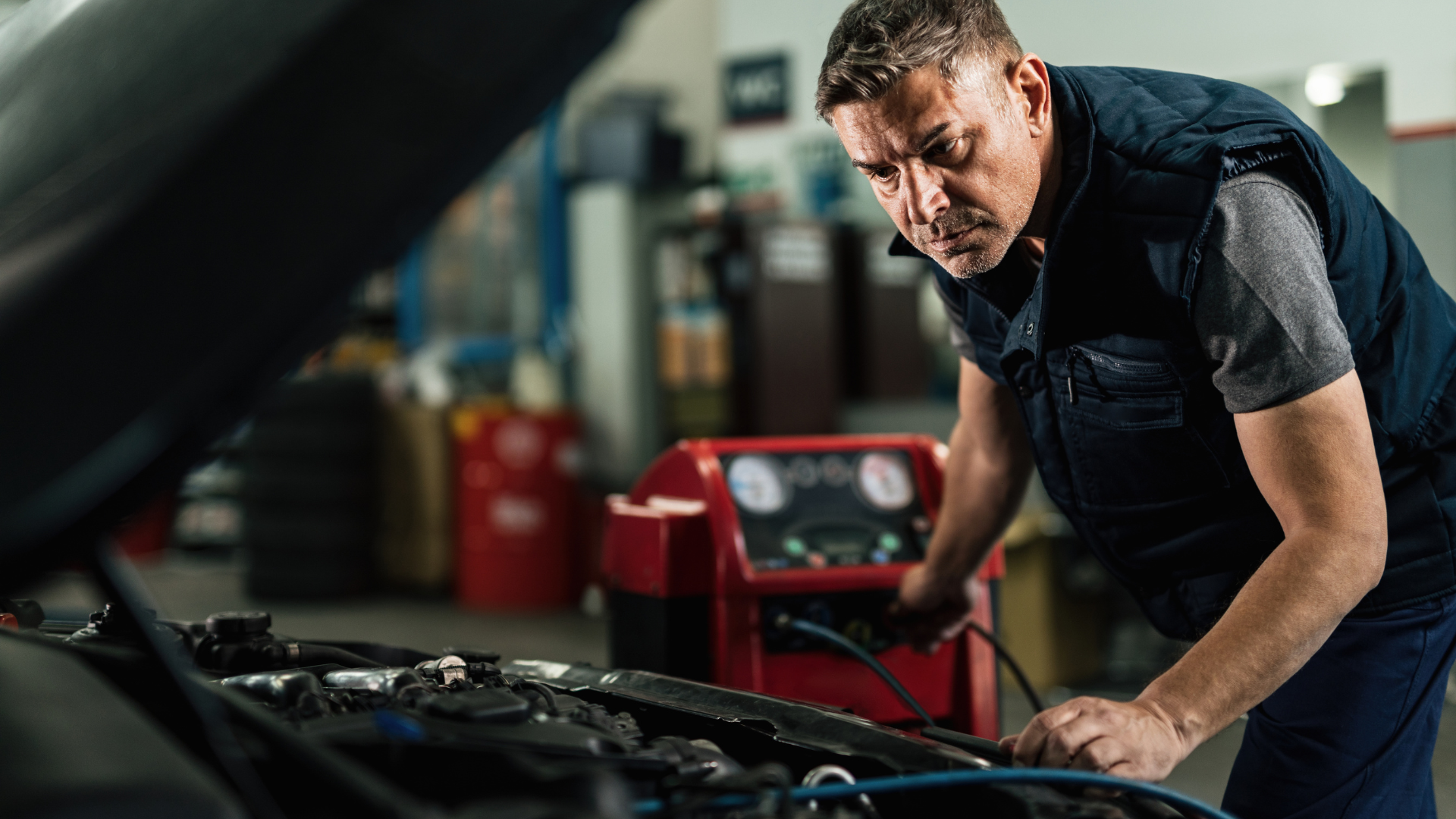
The inspection usually begins with a short drive. This allows the technician to feel how the vehicle shifts in real conditions. A smooth transmission should change gears quietly and without hesitation.
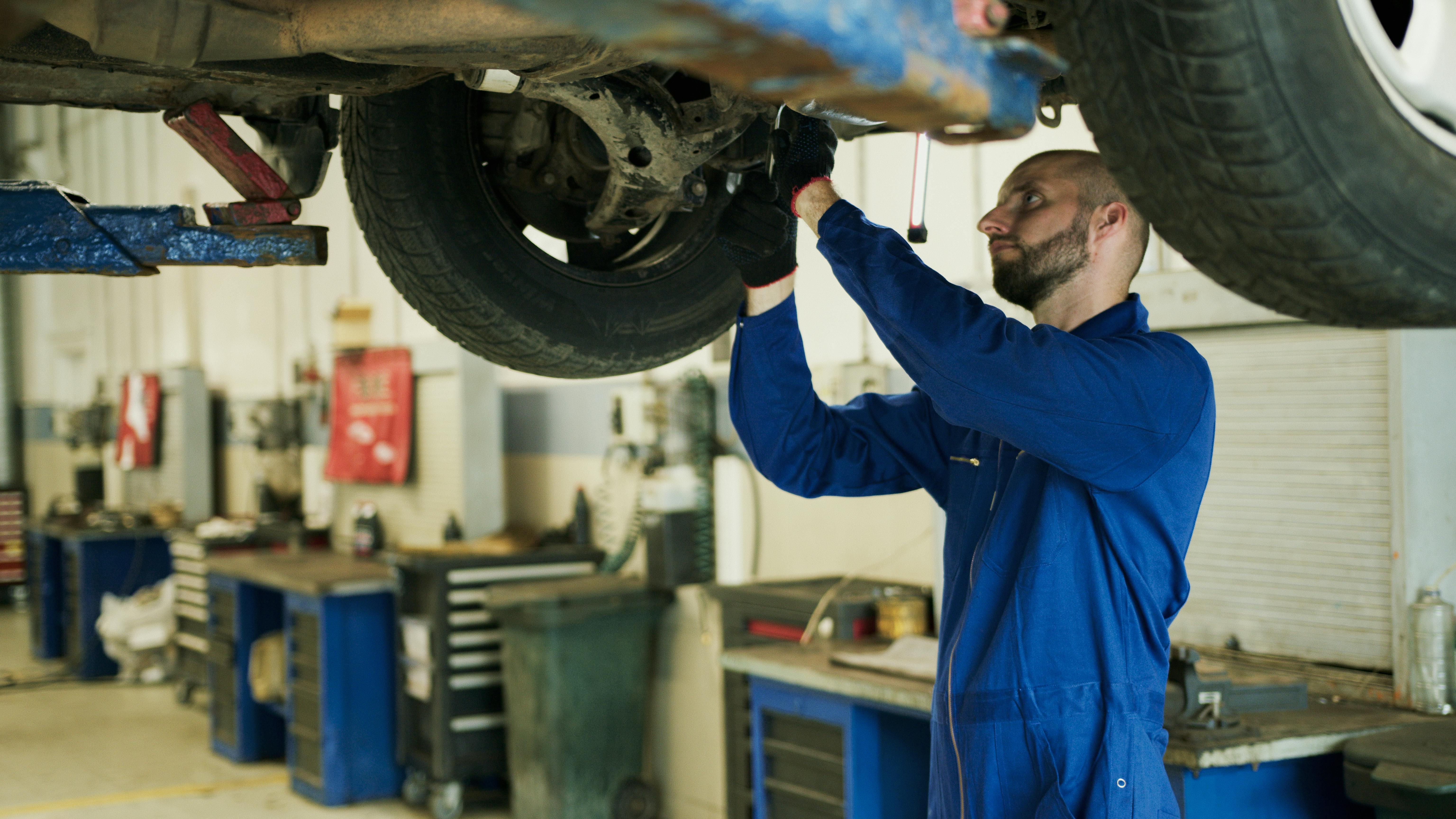
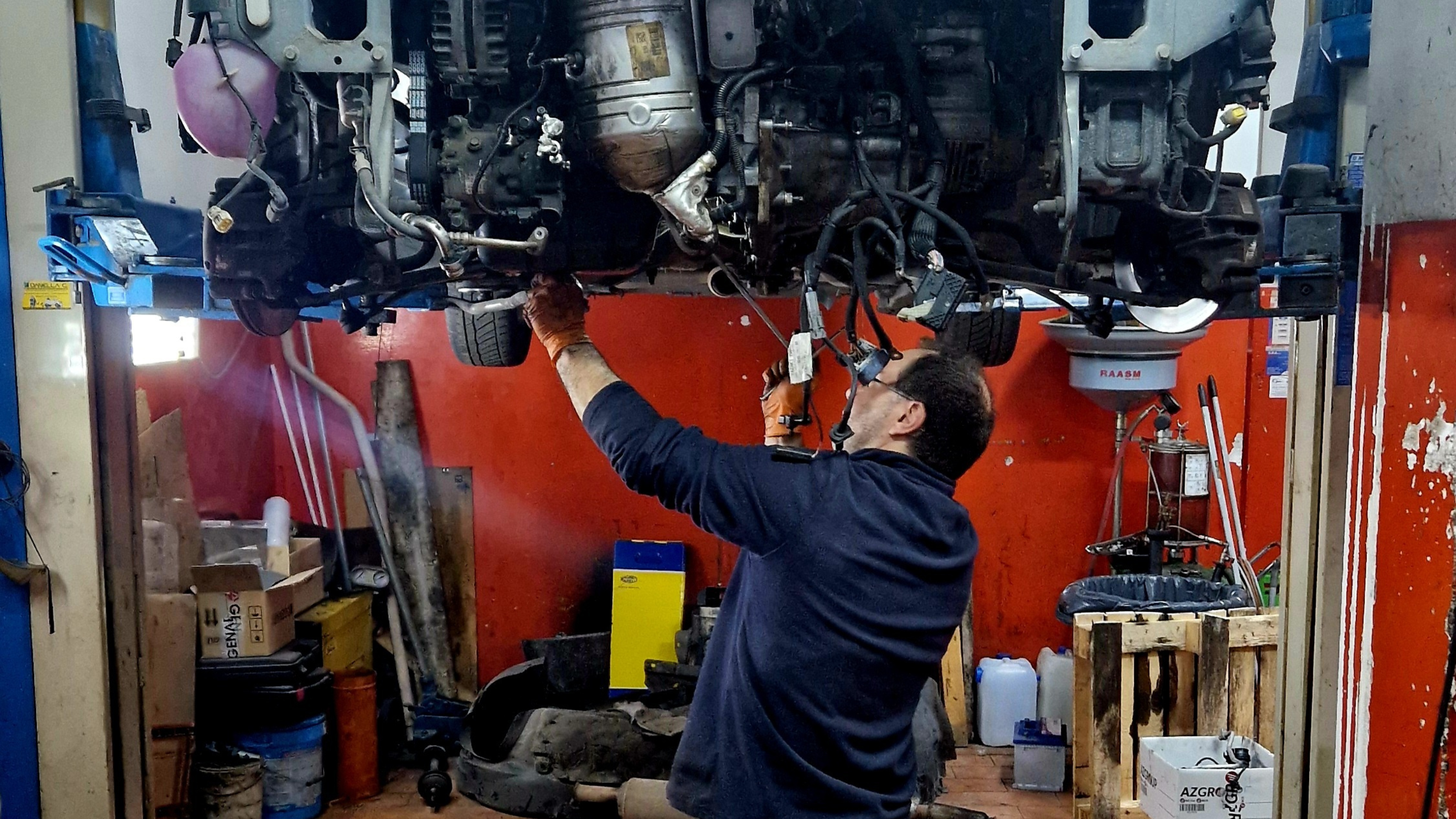
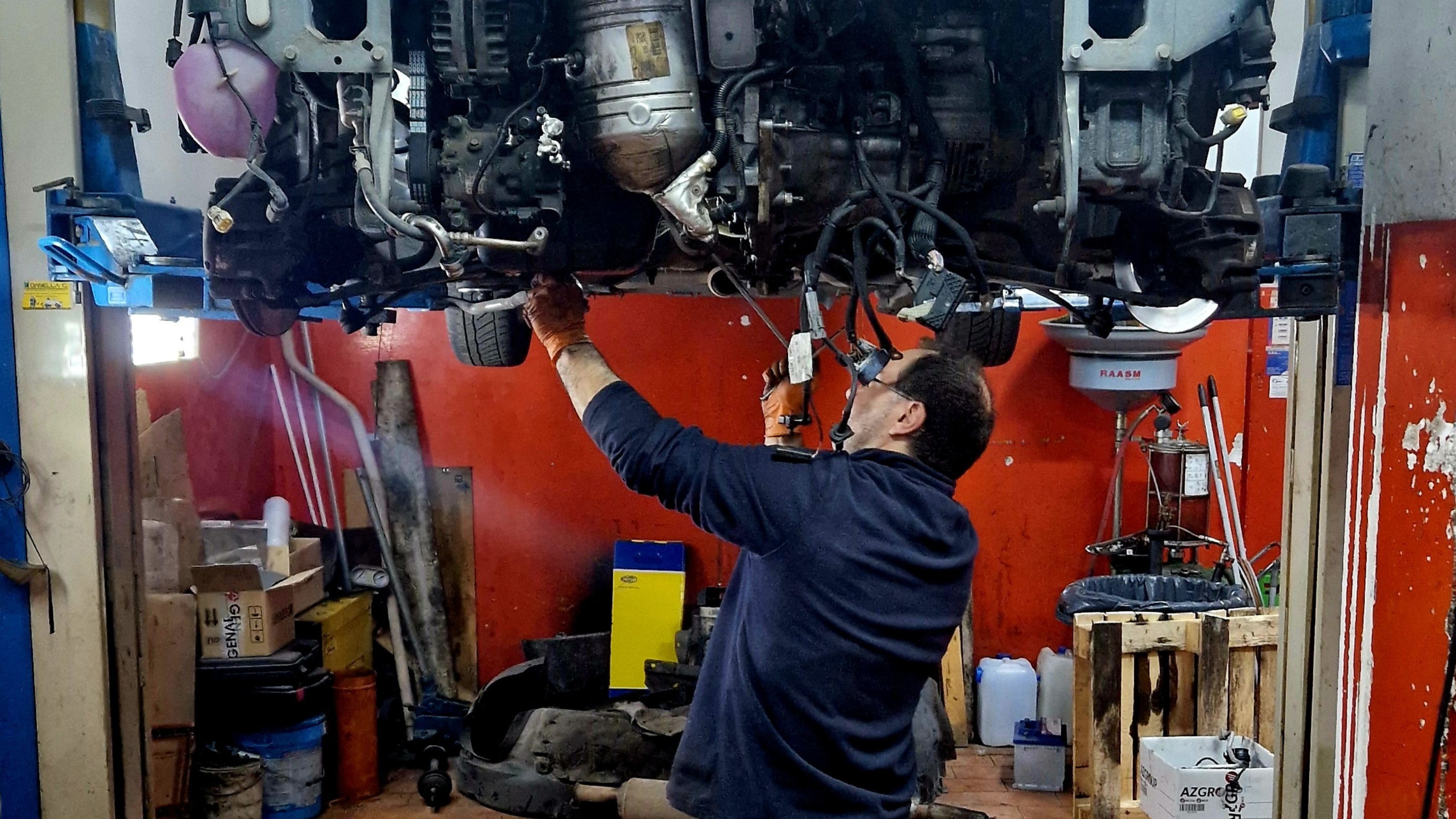
After the drive, the vehicle goes into the shop for a closer look. The technician checks the fluid level and color and looks for leaks around the transmission housing and lines. Modern vehicles also store diagnostic information in the computer system, which can help identify the source of the problem.
A typical inspection includes:
- Checking transmission fluid condition
- Looking for leaks under the vehicle
- Scanning the vehicle computer for trouble codes
- Inspecting mounts and surrounding components
- Testing how the transmission responds during a drive
These steps help determine whether the problem is simple or more involved.
Why Fluid Condition Matters
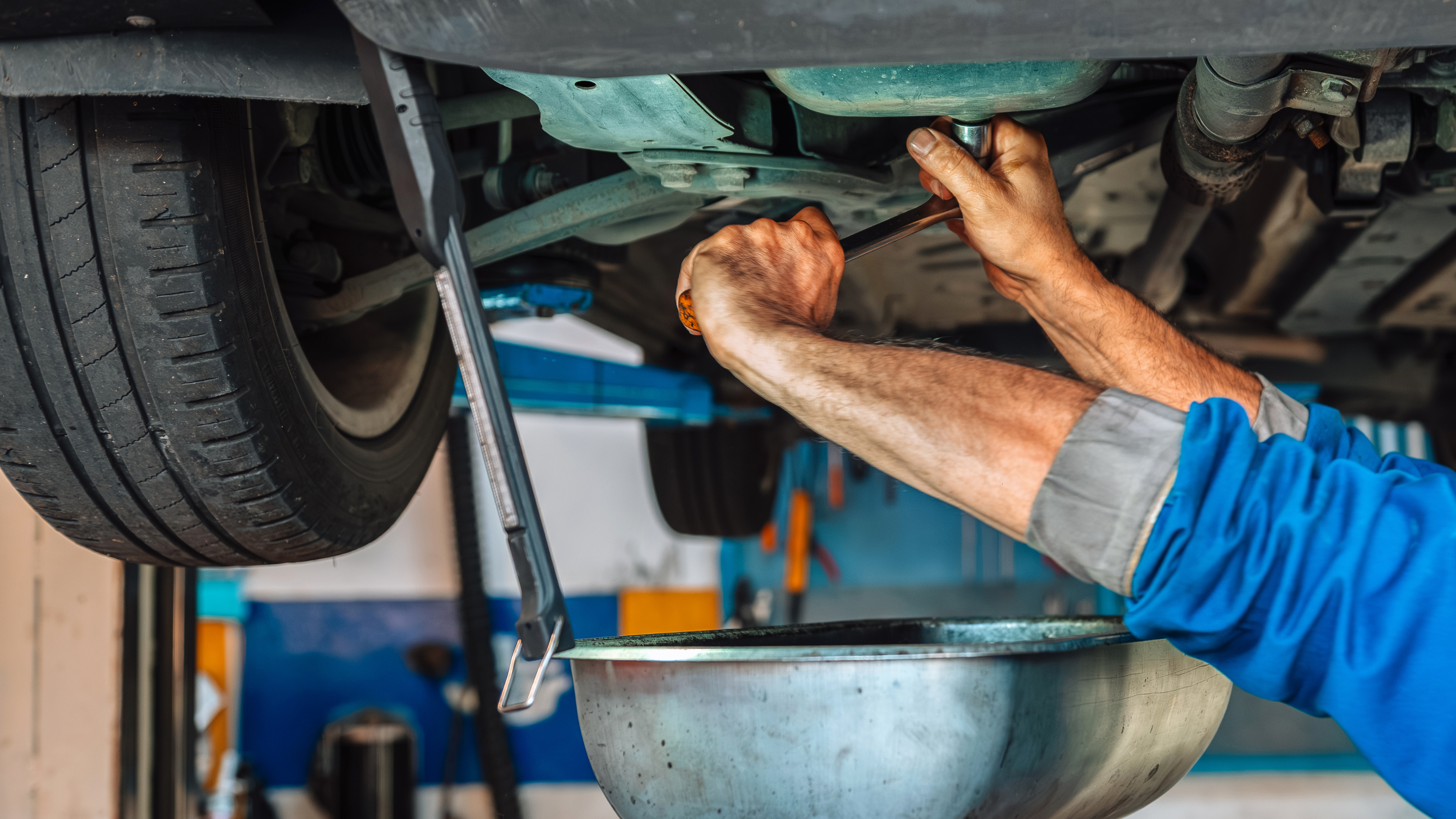
Transmission fluid does more than lubricate moving parts. It also carries heat away from the system and helps control the pressure that moves the gears.
Over time, the fluid breaks down from heat and normal use. The color may darken and the fluid may lose its ability to protect the internal parts. When that happens, shifting can feel rough or delayed.
Replacing worn fluid can sometimes restore smoother shifting and help protect the transmission from further wear.
Why Early Service Helps
Transmission problems rarely correct themselves. A delay during shifting can grow worse. Low or worn fluid can lead to overheating. Internal parts may begin to wear faster once the system struggles to shift properly.
Drivers who have the transmission checked early often prevent larger repairs. A fluid service or minor repair can solve the issue before more serious damage occurs.
Local Driving Around Piedmont
Driving conditions around Piedmont and Berkeley can be demanding. Hills, short city blocks, and steady traffic require frequent shifting. That constant work generates heat inside the transmission. Over time, it adds wear to the fluid and internal parts. Regular inspections help drivers catch small problems before they grow into larger ones.
Transmission Service at Oceanworks Berkeley
If your vehicle has started shifting differently or hesitates when changing gears, a transmission inspection can help identify the cause. The technicians at Oceanworks Berkeley check the system carefully and explain what they find so you can make an informed decision about the repair.