Brakes usually give a warning before they fail. The change may feel small at first. The pedal feels softer. The car takes longer to stop at a light. A short squeal starts during morning drives. These signs often appear weeks before the system becomes unsafe.
At Oceanworks Berkeley, we see many drivers come in after the warning sounds grow louder. By that point, the repair often involves more parts than it would have earlier. Paying attention to early signals protects both safety and repair costs.
Common Signs Drivers Notice
Drivers describe brake problems in simple ways. The car feels different when slowing down. A sound appears that was not there before.
Watch for these changes:
- Squealing or high-pitched noise during braking
- Grinding from the wheel area
- Vibration through the steering wheel
- A brake pedal that feels soft or low
- The car is pulling slightly left or right
Each sign tells us something about the system. Squealing often points to worn pads. Grinding may mean the pad material has worn away. Vibration usually connects to rotor wear.
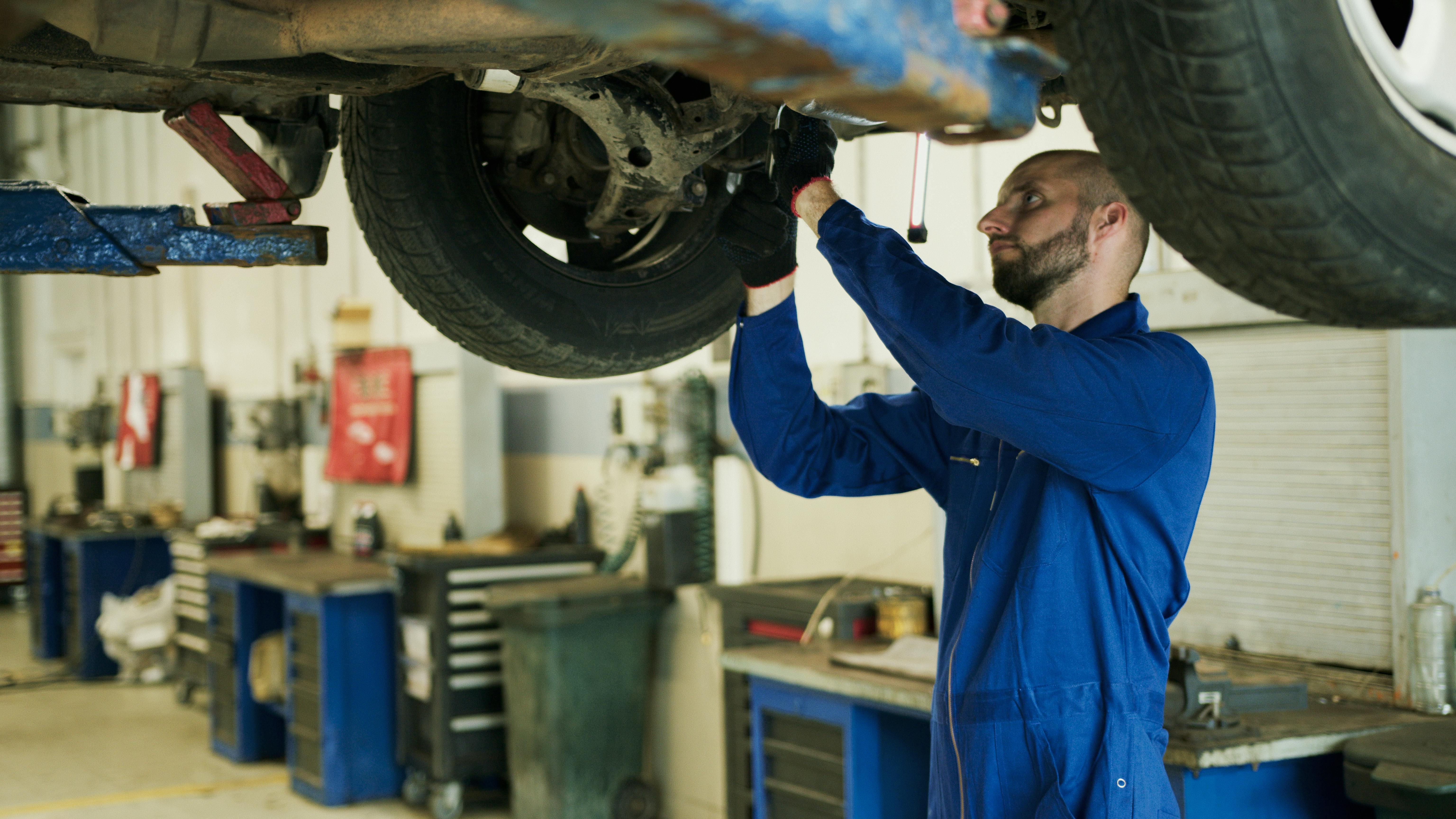
What Happens During a Brake Inspection
- Checking brake pad thickness
- Inspecting rotor surfaces
- Examining calipers and mounting hardware
- Checking brake fluid level and condition
- Looking for leaks in brake lines or hoses
Why Brake Pads Wear Out
Every stop creates friction. The brake pad presses against the rotor and slows the wheel. That contact slowly wears the pad down. City driving speeds up that wear. Berkeley streets have short blocks, traffic lights, and hills. Drivers use their brakes often.
Most pads last many thousands of miles, but the exact lifespan varies. Some drivers notice a light squeal first. Others feel the pedal change slightly. Those small clues usually mean the pad material has reached a low point. Replacing the pads at that stage keeps the rest of the brake system in good shape.
When Rotors Need Attention
Rotors take the heat from braking. After years of use, the surface can become uneven. Some drivers describe it as a shaking feeling in the steering wheel when slowing down from higher speeds. Others feel a light pulsing in the pedal.
In mild cases, the rotor can be smoothed on a machine so the surface becomes even again. If the metal has worn down too far, the rotor needs replacement. Either repair restores a steady, smooth stop.
The Role of Brake Fluid
Brake fluid works quietly behind the scenes. When you press the pedal, fluid moves through sealed lines and pushes the brake parts into action. Without that pressure, the system would not work.
Over time, the fluid collects moisture and loses strength. The pedal may start to feel softer than it once did. Replacing the fluid clears out the old liquid and brings back the firm feel drivers expect.
Why Drivers Should Not Wait
Brake issues rarely fix themselves. A squeal can turn into grinding if the pads wear down completely. A small vibration can grow stronger with each week of driving. Fixing the issue early usually keeps the repair straightforward.
The team at Oceanworks Berkeley checks the full braking system and explains what we see. Our goal is simple. Help you drive through Berkeley with brakes that feel solid and dependable every day.