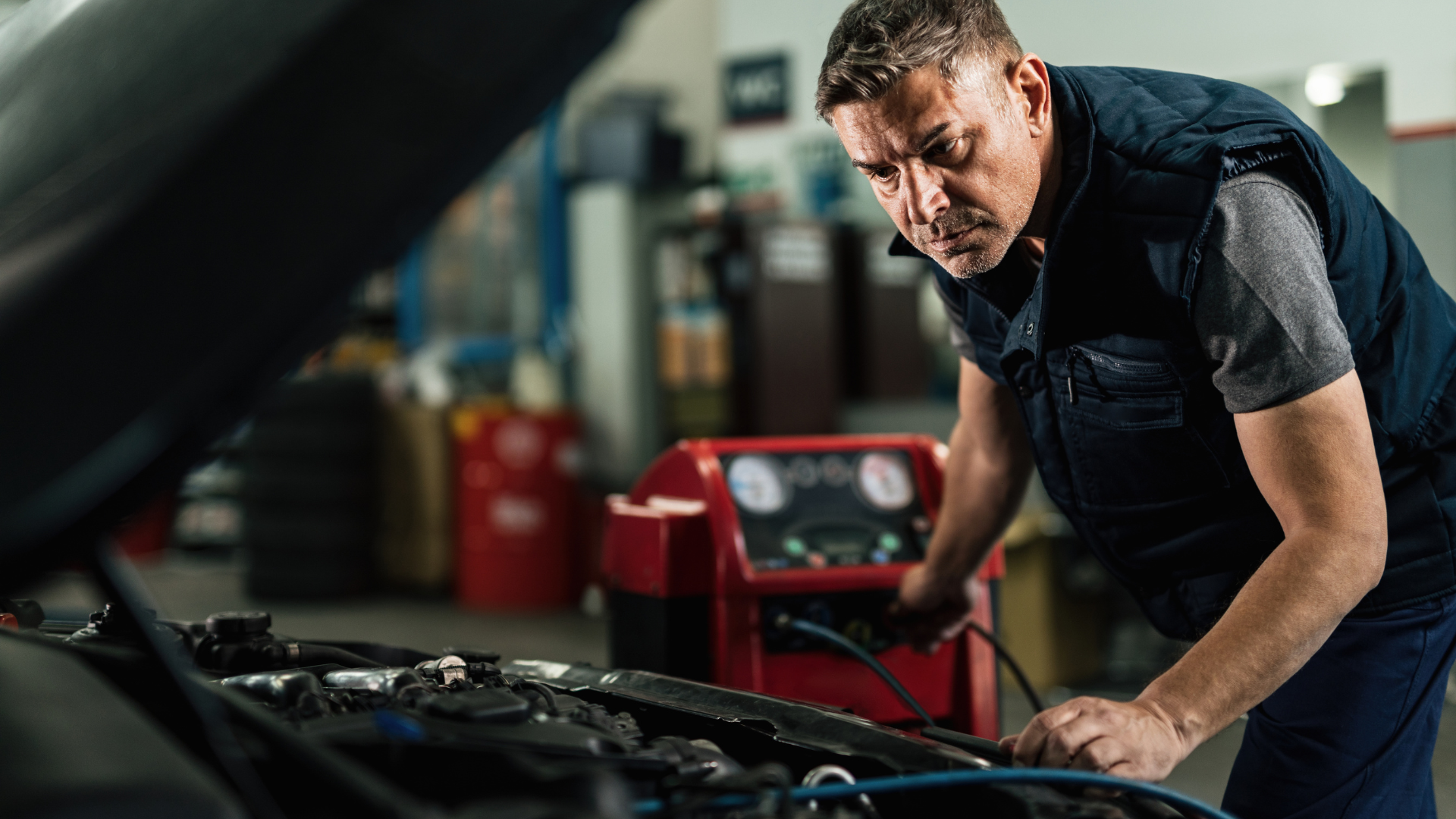
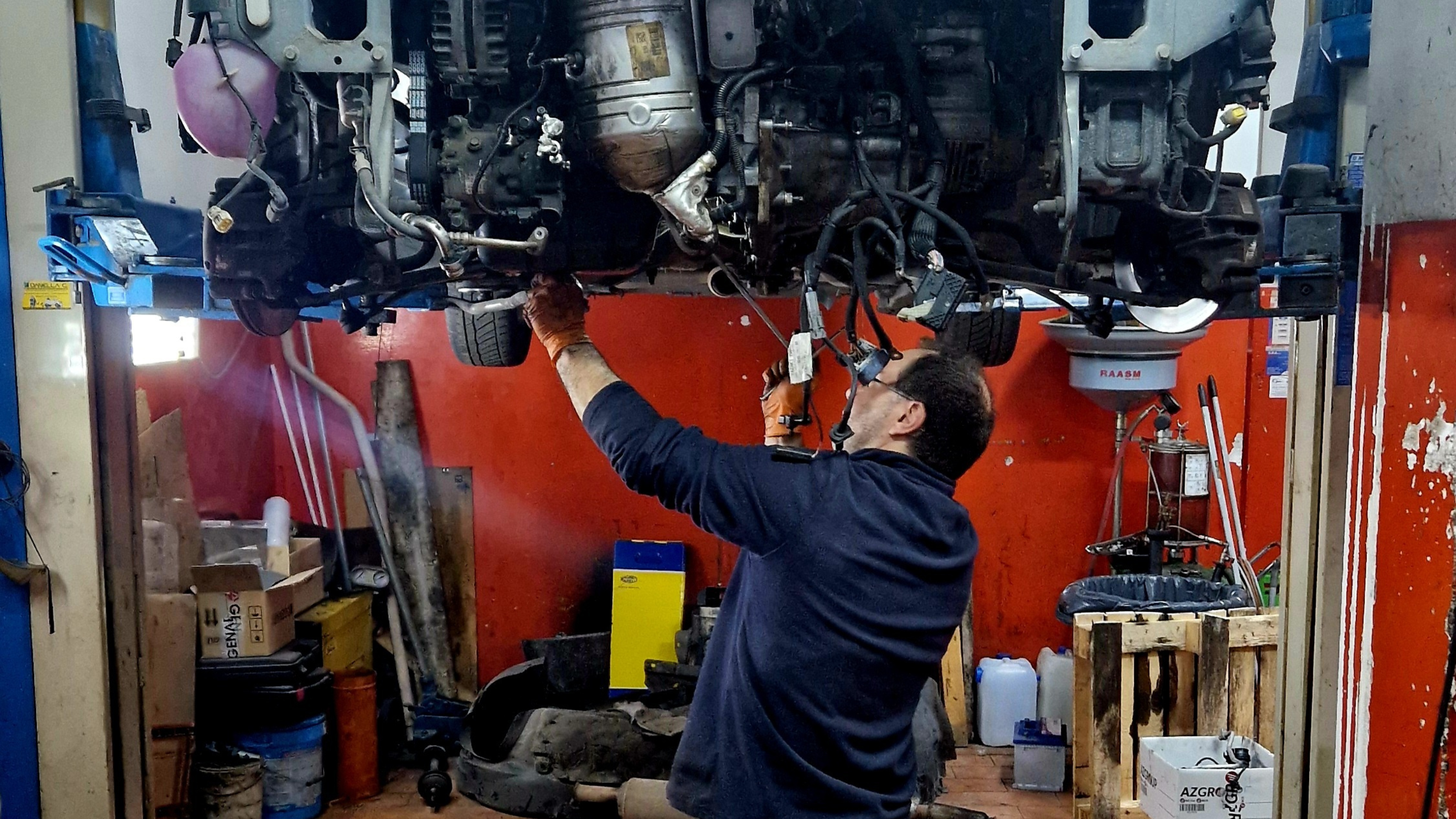
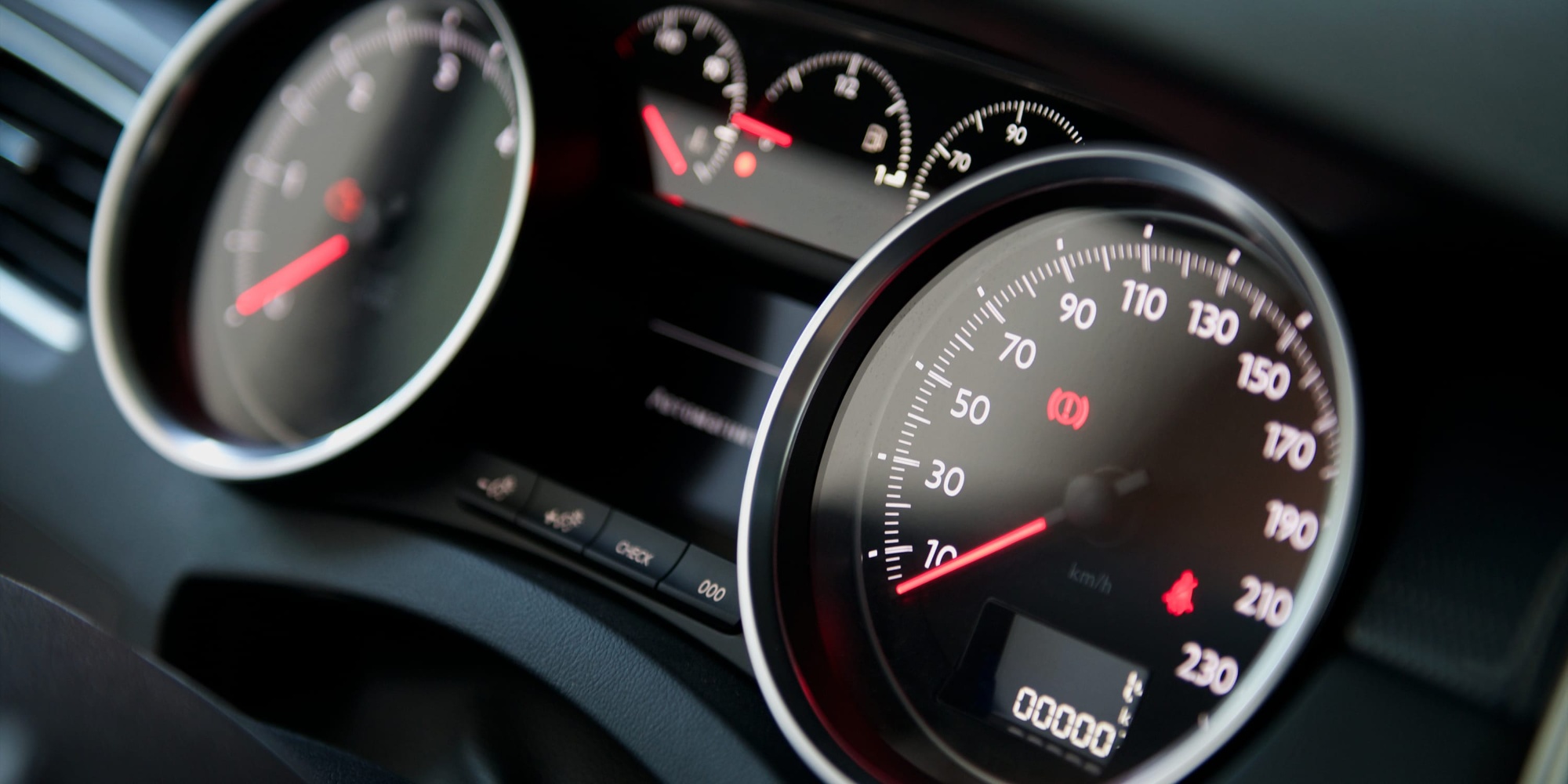
 Your dashboard has a language, and most drivers in Berkeley don't speak it. That orange check engine light could mean a loose gas cap or a catalytic converter on its way out, and the light looks identical for both. At Oceanworks Auto Repair Shop in Berkeley, we trace every warning to its mechanical source before recommending a single repair.
The check engine light covers thousands of possible trouble codes stored in your vehicle's onboard diagnostic system. A code reader from an auto parts counter can pull the number, but the number is a starting point and nothing more. Code P0300 flags a random misfire across multiple cylinders, and on 2007-2011 Toyota Camry models with the 2.4L 2AZ-FE engine, that code frequently points to degraded ignition coils that lose voltage output as mileage climbs. The same code on a different engine could indicate vacuum leaks, fuel delivery problems, or worn spark plugs approaching 100,000 miles without replacement.
When Lean Codes Reveal Hidden Air Leaks
Codes P0171 and P0174 tell us the engine is running lean, meaning too much air is entering the combustion chamber relative to fuel. On 2004-2010 Ford F-150 trucks with the 5.4L three-valve Triton V8, these lean codes almost always trace back to failing intake manifold runner control valves. The IMRC system uses a vacuum-actuated flap to change intake runner length at different RPMs, and when those flaps stick or their actuators crack, unmeasured air slips past the mass airflow sensor. We verify this by watching short-term and long-term fuel trim percentages on a scan tool during idle and snap throttle tests.
The Code That Sounds Expensive
P0420 triggers more anxiety than almost any other trouble code because it flags the catalytic converter's efficiency dropping below its threshold. On 2006-2011 Honda Civic models running the 1.8L R18A1 engine, this code appears frequently as the downstream oxygen sensor detects reduced conversion rates. Plenty of drivers hear "catalytic converter" and brace for a massive bill, but the root cause can be a failing oxygen sensor sending bad voltage readings rather than the converter itself. We test both upstream and downstream sensor switching speed and voltage amplitude before making that call.
Oil Pressure Warnings You Can't Ignore
The oil pressure light is the one dashboard warning you can't afford to ignore for even a single mile. On 2007-2013 Chevrolet Silverado and GMC Sierra trucks with the 5.3L Vortec V8, the oil pressure sending unit is a well-documented failure point that triggers false warnings. We confirm pressure with a mechanical gauge at the sending unit port, because a false reading and genuine oil starvation look identical on your dashboard. If the engine has low pressure from a worn pump or excessive bearing clearance, every additional mile compounds the internal damage.
Voltage Drops and Overheating Engines
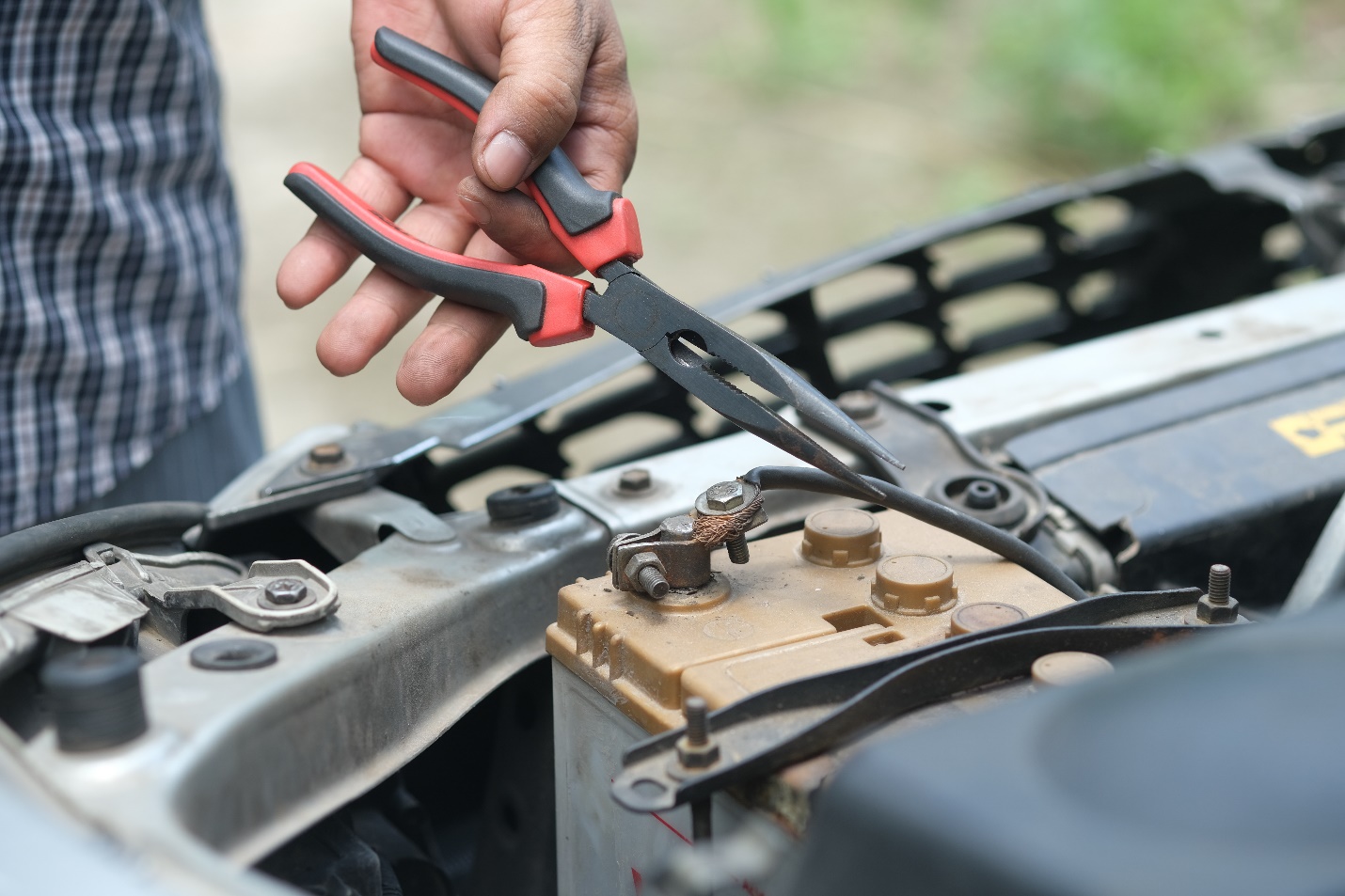
A battery light means voltage has left the normal 13.5 to 14.8 volt range, and the cause could be corroded terminals, a slipping serpentine belt, or a dying alternator. The temperature warning activates when coolant passes the manufacturer's threshold, commonly between 230 and 250 degrees Fahrenheit. Stuck thermostats, failed radiator fan relays, and leaking hoses can each push that number up. Both of these warnings, like oil pressure, demand that you stop driving and get the vehicle inspected before heat or electrical failure causes secondary damage.
What Your Next Move Should Be
Every warning light on your cluster exists because an engineer decided that the condition was dangerous enough to interrupt your drive. Oceanworks Auto Repair Shop in Berkeley reads the code, tests the system, and confirms the cause before we recommend anything. If your dashboard lit up this week, call us at (510) 345-0606 and let us show you what your car has been trying to say.
Your dashboard has a language, and most drivers in Berkeley don't speak it. That orange check engine light could mean a loose gas cap or a catalytic converter on its way out, and the light looks identical for both. At Oceanworks Auto Repair Shop in Berkeley, we trace every warning to its mechanical source before recommending a single repair.
The check engine light covers thousands of possible trouble codes stored in your vehicle's onboard diagnostic system. A code reader from an auto parts counter can pull the number, but the number is a starting point and nothing more. Code P0300 flags a random misfire across multiple cylinders, and on 2007-2011 Toyota Camry models with the 2.4L 2AZ-FE engine, that code frequently points to degraded ignition coils that lose voltage output as mileage climbs. The same code on a different engine could indicate vacuum leaks, fuel delivery problems, or worn spark plugs approaching 100,000 miles without replacement.
When Lean Codes Reveal Hidden Air Leaks
Codes P0171 and P0174 tell us the engine is running lean, meaning too much air is entering the combustion chamber relative to fuel. On 2004-2010 Ford F-150 trucks with the 5.4L three-valve Triton V8, these lean codes almost always trace back to failing intake manifold runner control valves. The IMRC system uses a vacuum-actuated flap to change intake runner length at different RPMs, and when those flaps stick or their actuators crack, unmeasured air slips past the mass airflow sensor. We verify this by watching short-term and long-term fuel trim percentages on a scan tool during idle and snap throttle tests.
The Code That Sounds Expensive
P0420 triggers more anxiety than almost any other trouble code because it flags the catalytic converter's efficiency dropping below its threshold. On 2006-2011 Honda Civic models running the 1.8L R18A1 engine, this code appears frequently as the downstream oxygen sensor detects reduced conversion rates. Plenty of drivers hear "catalytic converter" and brace for a massive bill, but the root cause can be a failing oxygen sensor sending bad voltage readings rather than the converter itself. We test both upstream and downstream sensor switching speed and voltage amplitude before making that call.
Oil Pressure Warnings You Can't Ignore
The oil pressure light is the one dashboard warning you can't afford to ignore for even a single mile. On 2007-2013 Chevrolet Silverado and GMC Sierra trucks with the 5.3L Vortec V8, the oil pressure sending unit is a well-documented failure point that triggers false warnings. We confirm pressure with a mechanical gauge at the sending unit port, because a false reading and genuine oil starvation look identical on your dashboard. If the engine has low pressure from a worn pump or excessive bearing clearance, every additional mile compounds the internal damage.
Voltage Drops and Overheating Engines
A battery light means voltage has left the normal 13.5 to 14.8 volt range, and the cause could be corroded terminals, a slipping serpentine belt, or a dying alternator. The temperature warning activates when coolant passes the manufacturer's threshold, commonly between 230 and 250 degrees Fahrenheit. Stuck thermostats, failed radiator fan relays, and leaking hoses can each push that number up. Both of these warnings, like oil pressure, demand that you stop driving and get the vehicle inspected before heat or electrical failure causes secondary damage.
What Your Next Move Should Be
Every warning light on your cluster exists because an engineer decided that the condition was dangerous enough to interrupt your drive. Oceanworks Auto Repair Shop in Berkeley reads the code, tests the system, and confirms the cause before we recommend anything. If your dashboard lit up this week, call us at (510) 345-0606 and let us show you what your car has been trying to say.
Berkeley, CA - Common Engine Warning Lights and What Auto Repair Shops Check
SYNOPSIS: Oceanworks Auto Repair Shop, located in Berkeley, CA, breaks down the most common engine warning lights and explains what our technicians check when those lights appear on your dashboard.
What Your Dashboard Is Trying to Tell You
BY: ,
Your dashboard has a language, and most drivers in Berkeley don't speak it. That orange check engine light could mean a loose gas cap or a catalytic converter on its way out, and the light looks identical for both. At Oceanworks Auto Repair Shop in Berkeley, we trace every warning to its mechanical source before recommending a single repair.
The check engine light covers thousands of possible trouble codes stored in your vehicle's onboard diagnostic system. A code reader from an auto parts counter can pull the number, but the number is a starting point and nothing more. Code P0300 flags a random misfire across multiple cylinders, and on 2007-2011 Toyota Camry models with the 2.4L 2AZ-FE engine, that code frequently points to degraded ignition coils that lose voltage output as mileage climbs. The same code on a different engine could indicate vacuum leaks, fuel delivery problems, or worn spark plugs approaching 100,000 miles without replacement.
When Lean Codes Reveal Hidden Air Leaks
Codes P0171 and P0174 tell us the engine is running lean, meaning too much air is entering the combustion chamber relative to fuel. On 2004-2010 Ford F-150 trucks with the 5.4L three-valve Triton V8, these lean codes almost always trace back to failing intake manifold runner control valves. The IMRC system uses a vacuum-actuated flap to change intake runner length at different RPMs, and when those flaps stick or their actuators crack, unmeasured air slips past the mass airflow sensor. We verify this by watching short-term and long-term fuel trim percentages on a scan tool during idle and snap throttle tests.
The Code That Sounds Expensive
P0420 triggers more anxiety than almost any other trouble code because it flags the catalytic converter's efficiency dropping below its threshold. On 2006-2011 Honda Civic models running the 1.8L R18A1 engine, this code appears frequently as the downstream oxygen sensor detects reduced conversion rates. Plenty of drivers hear "catalytic converter" and brace for a massive bill, but the root cause can be a failing oxygen sensor sending bad voltage readings rather than the converter itself. We test both upstream and downstream sensor switching speed and voltage amplitude before making that call.
Oil Pressure Warnings You Can't Ignore
The oil pressure light is the one dashboard warning you can't afford to ignore for even a single mile. On 2007-2013 Chevrolet Silverado and GMC Sierra trucks with the 5.3L Vortec V8, the oil pressure sending unit is a well-documented failure point that triggers false warnings. We confirm pressure with a mechanical gauge at the sending unit port, because a false reading and genuine oil starvation look identical on your dashboard. If the engine has low pressure from a worn pump or excessive bearing clearance, every additional mile compounds the internal damage.
Voltage Drops and Overheating Engines
A battery light means voltage has left the normal 13.5 to 14.8 volt range, and the cause could be corroded terminals, a slipping serpentine belt, or a dying alternator. The temperature warning activates when coolant passes the manufacturer's threshold, commonly between 230 and 250 degrees Fahrenheit. Stuck thermostats, failed radiator fan relays, and leaking hoses can each push that number up. Both of these warnings, like oil pressure, demand that you stop driving and get the vehicle inspected before heat or electrical failure causes secondary damage.
What Your Next Move Should Be
Every warning light on your cluster exists because an engineer decided that the condition was dangerous enough to interrupt your drive. Oceanworks Auto Repair Shop in Berkeley reads the code, tests the system, and confirms the cause before we recommend anything. If your dashboard lit up this week, call us at (510) 345-0606 and let us show you what your car has been trying to say.