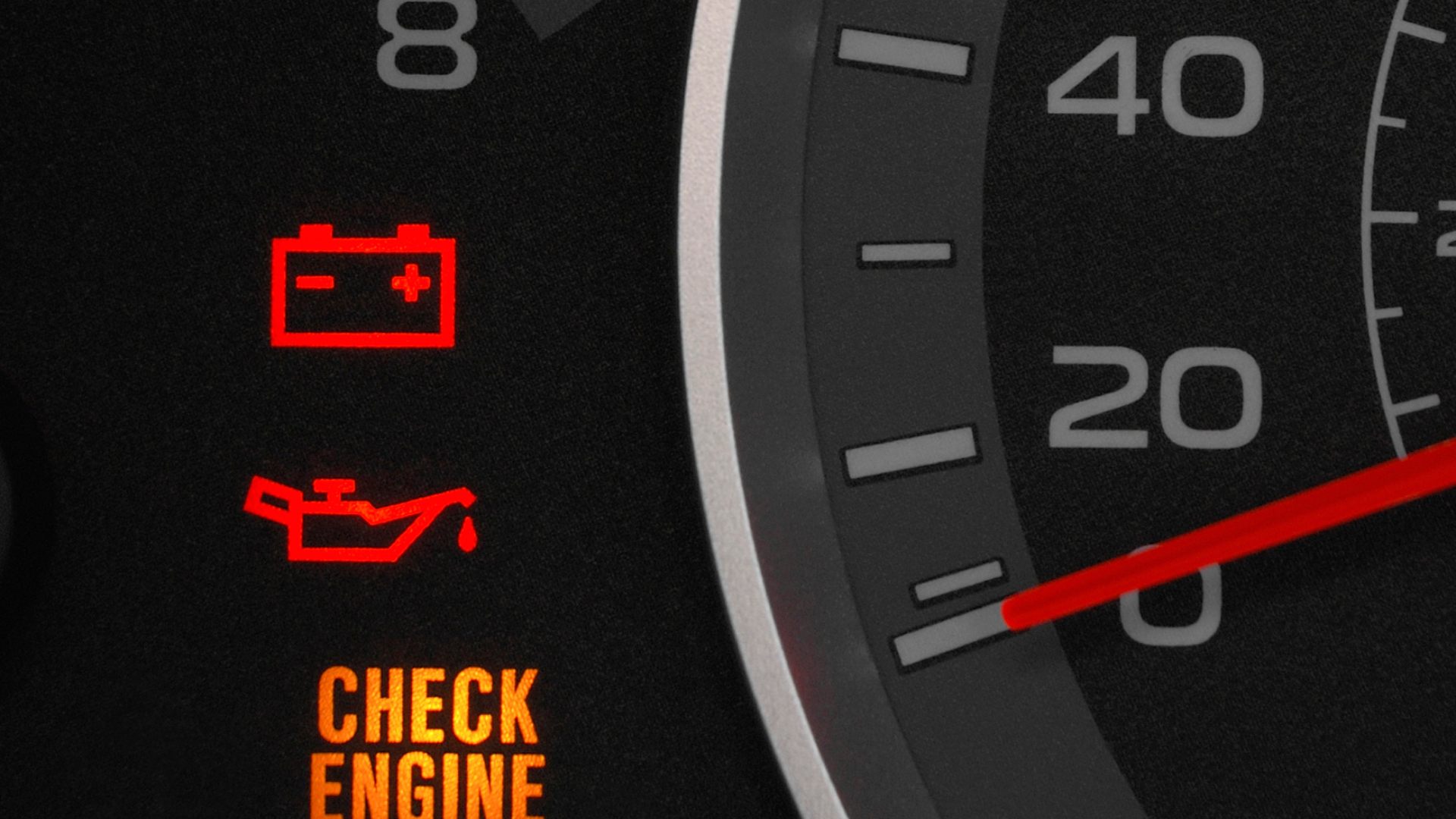
The check engine light is one of the most misunderstood dashboard warnings. Sometimes it comes on for a simple fix—other times, it signals a more serious problem. Either way, it’s your vehicle’s way of telling you something needs attention. Ignoring it won’t make the issue go away; instead, it often leads to more expensive repairs and unpredictable breakdowns.
At Oceanworks Berkeley, we help drivers throughout the East Bay understand what triggers this warning and what steps to take next. Here are the most common reasons your check engine light comes on.
- Loose or Damaged Gas Cap
It may sound minor, but a loose, cracked, or missing gas cap is one of the most common causes of a check engine light.
A damaged gas cap affects your car’s evaporative emissions system, causing fuel vapors to leak. This decreases fuel efficiency and triggers the warning light. Before assuming the worst, check the cap—but if tightening it doesn’t fix the issue, it’s time for diagnostics.
- Faulty Oxygen Sensor
Your oxygen sensor helps regulate the air-fuel mixture in your engine. When it fails, your vehicle uses more fuel than it should and emits more pollution.
Ignoring a faulty oxygen sensor for too long can damage the catalytic converter, one of the most expensive components in your vehicle’s emissions system. Replacing the sensor early prevents unnecessary repairs.
- Bad Spark Plugs or Ignition Coils
Spark plugs ignite the fuel in your engine, and ignition coils provide the power. When either of these components fails, you may experience rough idling, reduced power, or misfires—along with the check engine light.
These issues affect both performance and fuel economy. Fortunately, replacing plugs and coils is a straightforward fix when diagnosed early.
- Failing Mass Airflow Sensor
The mass airflow sensor measures the amount of air entering the engine, helping the computer determine the correct fuel mixture. A failing sensor causes poor acceleration, stalling, or difficulty starting.
It also affects emissions and fuel efficiency. Diagnosing and replacing the sensor restores proper engine function.
- Catalytic Converter Trouble
Your catalytic converter reduces harmful emissions. When it begins to fail, you may notice sluggish acceleration, poor mileage, or a sulfur-like odor.
A failing converter often reflects underlying issues—like bad sensors or misfires—so addressing the problem early prevents costly replacements. Oceanworks Berkeley provides complete diagnostics to determine whether the converter or another component is at fault.
- Vacuum Leaks
Your vehicle’s vacuum system helps manage emissions and engine performance. Cracked hoses, loose fittings, or damaged components create leaks that trigger the warning light.
Vacuum leaks often cause rough idling, high RPMs, or hissing sounds from under the hood. We identify the leak and repair the affected part to restore smooth engine performance.
- Exhaust Gas Recirculation (EGR) Valve Issues
The EGR valve reduces emissions by recirculating exhaust back into the engine. When it becomes clogged with carbon buildup, your engine may run rough, stall, or hesitate during acceleration.
Cleaning or replacing the EGR valve often resolves the issue and turns off the warning light.
What to Do When Your Check Engine Light Comes On
If the light is solid, your car is safe to drive for now—but you should schedule diagnostics as soon as possible.
If the light is flashing, pull over safely. A flashing light means your engine is misfiring or experiencing a serious issue that will cause damage if you keep driving.
Expert Diagnostics at Oceanworks Berkeley
Your vehicle’s check engine light doesn’t have to be a mystery. At Oceanworks Berkeley, we use advanced diagnostic tools to pinpoint the cause, explain it clearly, and provide reliable repairs. Our goal is to keep your car performing safely and efficiently—without unnecessary repairs or guesswork.
📞 Call Oceanworks Berkeley today to schedule diagnostic service and find out what your check engine light is really saying.