Your brakes are one of the most critical safety systems on your vehicle. Whether you’re navigating Richmond traffic, driving through Berkeley, or heading across the East Bay, functioning brakes are essential for keeping you and others safe. But brake problems don’t always show up suddenly. In most cases, your vehicle will warn you well before a complete failure—you need to know what to look for.
At Oceanworks Berkeley, we help drivers recognize the signs of failing brakes before they become dangerous or expensive to repair. Here are the most important warning signs to watch for.
- Squealing or Screeching Noises
A high-pitched squeal when braking is often the first sign your brake pads are wearing out. Most pads include built-in wear indicators that intentionally make noise as the material wears down. This early alert helps you replace your pads before they reach a dangerous level of wear.
If the squealing turns into grinding, it means the pad material is completely gone—and metal is scraping against metal. At that point, your rotors are likely being damaged, and replacement becomes more urgent and costly.
- Soft, Spongy, or Low Brake Pedal
If your brake pedal sinks lower than usual, feels spongy, or requires more pressure to engage the brakes, this suggests a problem in the hydraulic system. Common causes include:
- Low or leaking brake fluid
- Air in the brake lines
- A failing master cylinder
These issues reduce braking power and require immediate inspection.
- Vibrations or Shaking When Braking
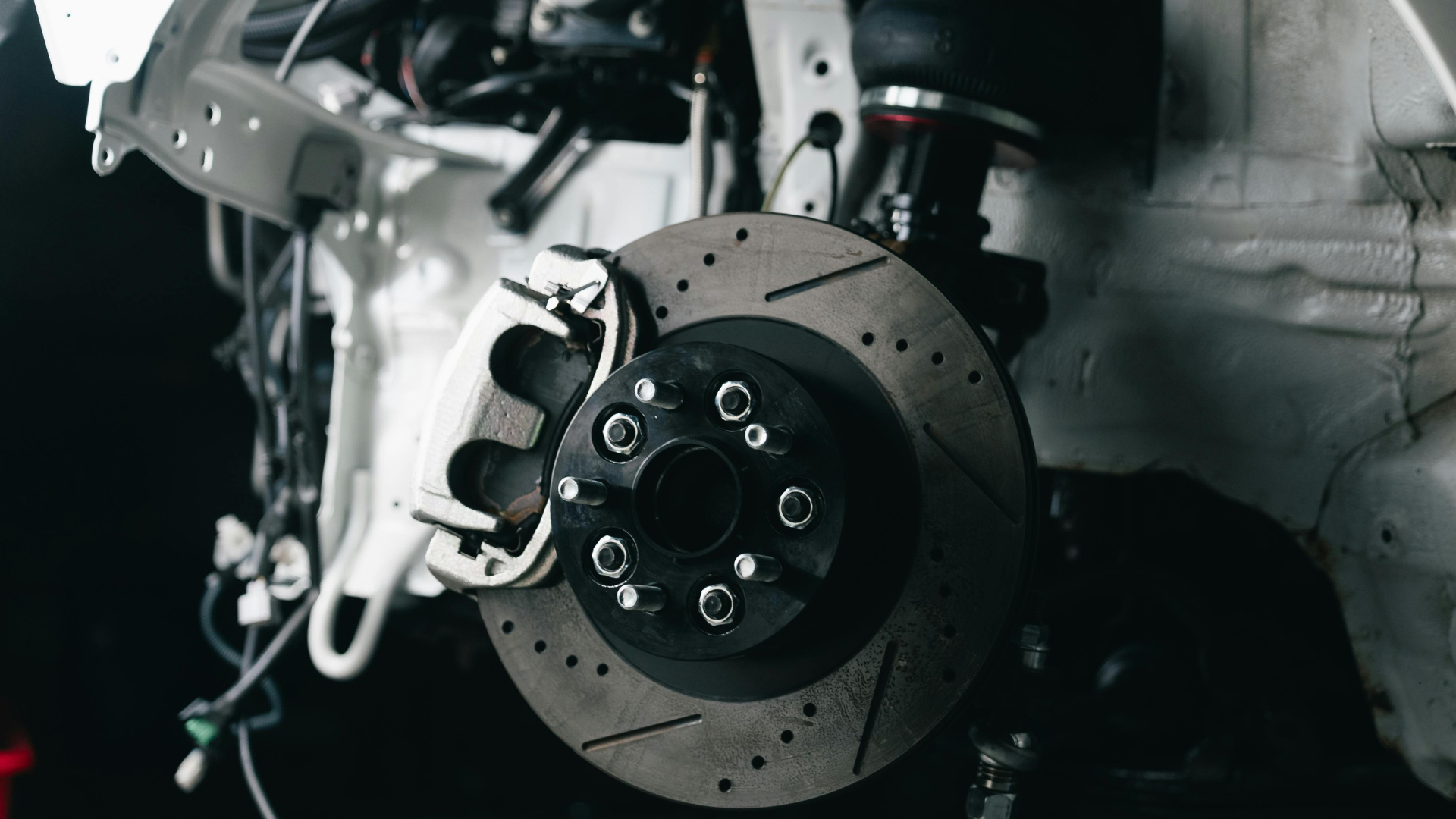
If your steering wheel or brake pedal vibrates when you slow down, it usually means your rotors are warped or unevenly worn. Heat buildup during braking can cause rotors to lose their smooth surface, affecting your ability to stop safely.
Oceanworks Berkeley can resurface or replace the rotors depending on the level of wear. Addressing this early prevents additional strain on brake pads and suspension components.
- Longer Stopping Distances
If your car takes longer than usual to come to a complete stop, your brakes may be losing effectiveness. This issue can stem from worn pads, contaminated brake fluid, or failing brake components. Longer stopping distances increase your risk of collisions—especially in heavy traffic or wet conditions.
- Brake Warning Light on the Dashboard
Your dashboard brake light may come on for several reasons: low fluid, worn pads, or a problem with the anti-lock braking system (ABS). Even if the car seems to be braking normally, a warning light means the system needs to be inspected as soon as possible.
- Burning Smell After Braking
A sharp, chemical odor after hard braking—especially while driving downhill—may indicate overheated brakes. This can lead to brake fade, where the system temporarily loses stopping power. If you smell burning while driving normally, a caliper may be stuck, causing excessive friction. This issue requires immediate attention.
- Car Pulling to One Side
If your vehicle veers left or right when braking, you may have uneven pad wear, a stuck caliper, or a brake hose issue. This affects control and stability, making emergency stopping more dangerous.
Keep Your Brakes Safe with Oceanworks Berkeley
Your brakes are too important to overlook. At the first sign of trouble, schedule an inspection with Oceanworks Berkeley. Our ASE-certified technicians will check your pads, rotors, fluid, calipers, and ABS components to ensure everything is functioning safely and efficiently.
Whether you’re in Richmond, Berkeley, or anywhere in the East Bay, we provide honest diagnostics, quality repairs, and friendly service you can rely on.
📞 Call Oceanworks Berkeley today to schedule your brake inspection and keep your vehicle safe on the road.