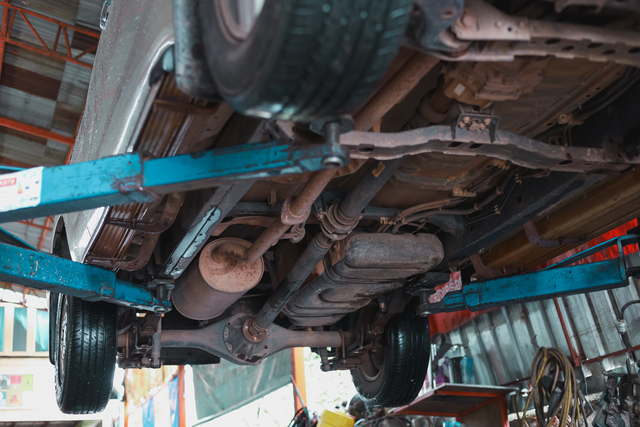
 Drivers in Piedmont often describe their suspension issues in terms of feel, things like bouncing, vibration, or uneven pull, but most never realize how complex the cause really is. Modern suspension systems combine mechanical components like struts and bushings with electronic sensors, steering angle monitors, and load-response software. Replacing a spring may do nothing if your camber shifts under load or if your dynamic dampers are stuck in the wrong mode. At Oceanworks, we test the system as a whole, measuring input from every point that controls your ride’s stability. That is why our customers get a fix, not a Band-Aid.
Electronic Suspension Systems Need More Than Just Visual Inspections
Vehicles equipped with Mercedes AIRMATIC, Audi CDC, or other adaptive suspensions operate through sensor logic, not just compressed gas or oil. If your vehicle leans into turns too hard or sags after parking overnight, the problem could be a weak relay, failed accelerometer, or feedback loop error in the control module. We perform voltage tests at every ride height sensor, monitor system response time under active recalibration, and confirm internal memory logic using manufacturer-specific scan tools. Without this process, most shops misdiagnose a failing sensor as a leaky strut or weak airbag. Our diagnostic approach saves our Piedmont customers from buying the wrong part for the right symptom.
Suspension Geometry Must Be Tested Under Real-World Load Conditions
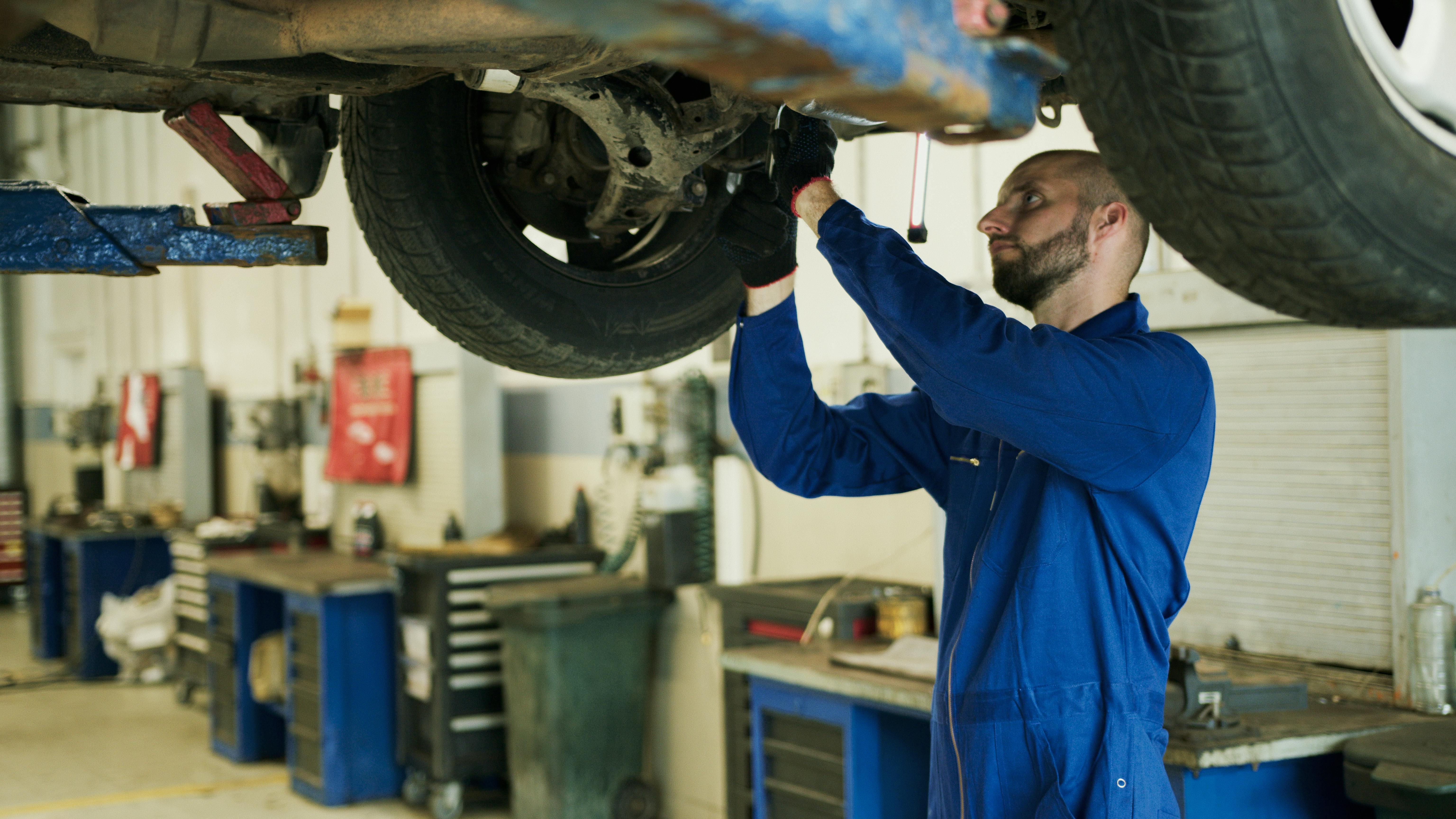
A static alignment report might look perfect on paper, but still result in poor handling if the suspension flexes or shifts while under stress. Common issues like worn lower control arm bushings, cracked subframe mounts, or torqued strut towers can cause geometry loss the moment your vehicle encounters a real road. At Oceanworks, we measure alignment while applying simulated cornering forces to verify camber gain, toe movement, and caster drift across the full steering arc. If your car pulls under braking or floats through a turn, the problem is rarely visible with the wheels off the ground. We bring it back to spec by testing it the way you actually drive.
Ignoring Small Vibrations Can Lead to Bigger Failures Down the Line
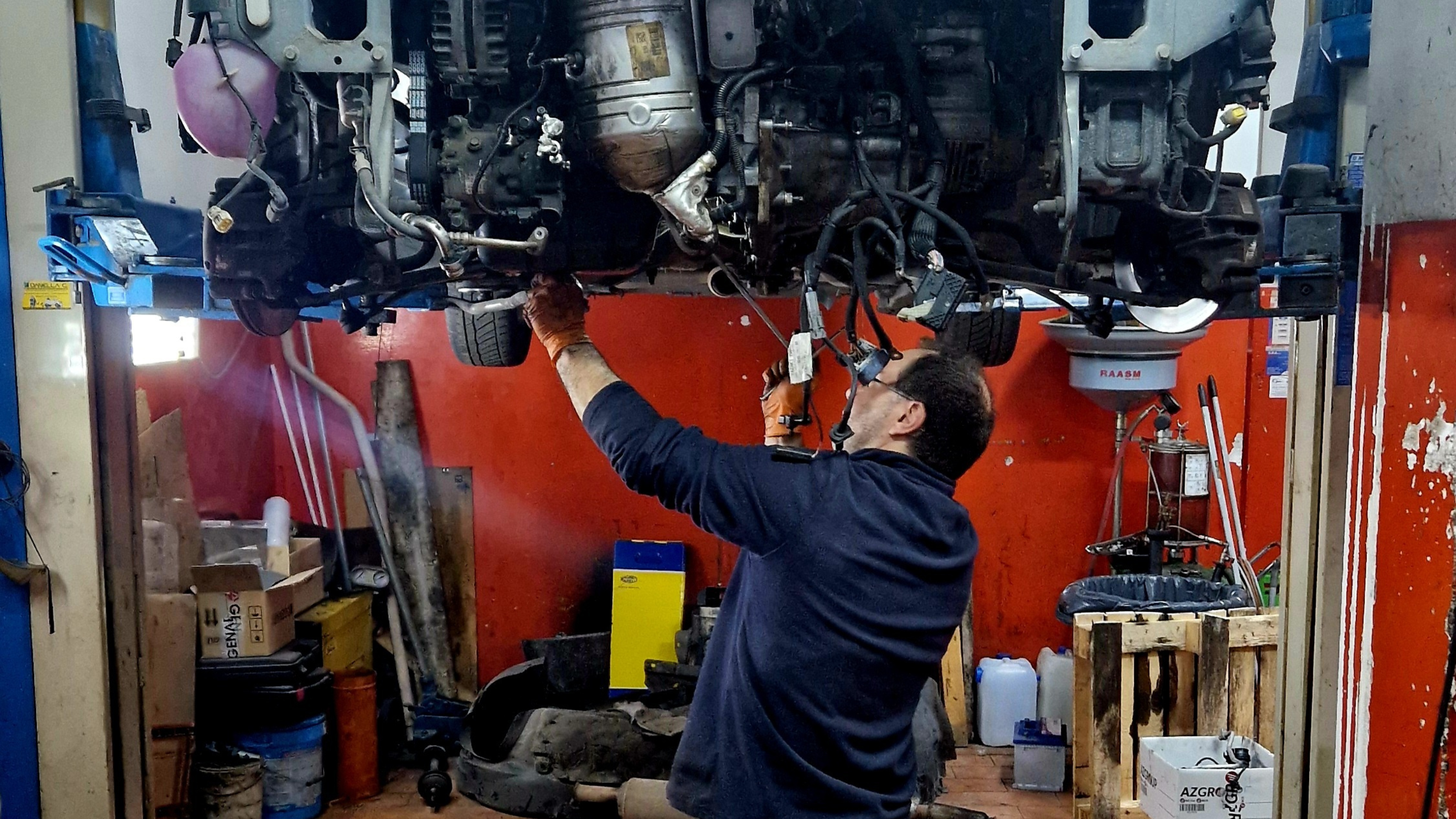
Many Piedmont drivers get used to low-grade vibration under throttle, assuming it is just aging tires or road texture, but in reality, it is often the first sign of frame flex or mounting failure. We regularly trace these vibrations back to collapsed engine mounts, cracked torque struts, or corroded subframe points, especially in vehicles that have seen winter salt or live near the water. Our team torque-tests subframe bolts, inspects high-stress points with UV dye, and verifies vertical movement under load using accelerometer mapping. A vibration that starts in the seat can quickly become steering looseness, loss of wheel alignment, or outright structural damage if not caught early. Our inspections focus on movement, not appearances.
Air Ride Systems Fail Slowly, Then All at Once
Air suspension failures rarely start with a sudden drop; instead, they often show up as uneven corner height, slow compressor cycles, or periodic warning lights on cold mornings. Replacing the airbag is rarely enough if the pressure regulation, valve block logic, or sensor circuit is malfunctioning at the same time. Oceanworks tests air pressure at each zone independently, monitors fill time under active demand, and scans compressor duty cycle logs to determine root causes. When needed, we replace relays, clean intake filters, or recalibrate height targets, not just swap the obvious part. This is why our repairs last when other shops leave customers returning again in weeks.
Suspension Repairs Protect More Than Just Comfort
Worn suspension does not just affect your ride; it creates unpredictable steering, destroys tire life, and forces your vehicle’s electronic stability systems to work overtime. On vehicles like the Subaru Outback or Audi Q5, rear spring sag or trailing arm deflection throws off torque balance across the axles, leading to overcorrection by traction control during every high-speed turn. That instability results in early brake wear, steering rack stress, and lateral tire feathering that accelerates replacement intervals. We stabilize the platform first, then realign the vehicle once the geometry holds under acceleration, braking, and weight shift. Safety starts with the suspension, not with a warning light.
You Paid for Precision, Now You Deserve to Feel It Again
If your suspension feels off, it is not just discomfort; it is instability, unpredictability, and mechanical wear compounding every mile. At Oceanworks in Berkeley, we serve Piedmont drivers by correcting the issues others overlook, using diagnostic precision and real-world testing to bring control back to the driver’s seat. Call (510) 345-0606 and schedule the suspension service that identifies the real cause before it becomes a full-blown system failure.
Drivers in Piedmont often describe their suspension issues in terms of feel, things like bouncing, vibration, or uneven pull, but most never realize how complex the cause really is. Modern suspension systems combine mechanical components like struts and bushings with electronic sensors, steering angle monitors, and load-response software. Replacing a spring may do nothing if your camber shifts under load or if your dynamic dampers are stuck in the wrong mode. At Oceanworks, we test the system as a whole, measuring input from every point that controls your ride’s stability. That is why our customers get a fix, not a Band-Aid.
Electronic Suspension Systems Need More Than Just Visual Inspections
Vehicles equipped with Mercedes AIRMATIC, Audi CDC, or other adaptive suspensions operate through sensor logic, not just compressed gas or oil. If your vehicle leans into turns too hard or sags after parking overnight, the problem could be a weak relay, failed accelerometer, or feedback loop error in the control module. We perform voltage tests at every ride height sensor, monitor system response time under active recalibration, and confirm internal memory logic using manufacturer-specific scan tools. Without this process, most shops misdiagnose a failing sensor as a leaky strut or weak airbag. Our diagnostic approach saves our Piedmont customers from buying the wrong part for the right symptom.
Suspension Geometry Must Be Tested Under Real-World Load Conditions
A static alignment report might look perfect on paper, but still result in poor handling if the suspension flexes or shifts while under stress. Common issues like worn lower control arm bushings, cracked subframe mounts, or torqued strut towers can cause geometry loss the moment your vehicle encounters a real road. At Oceanworks, we measure alignment while applying simulated cornering forces to verify camber gain, toe movement, and caster drift across the full steering arc. If your car pulls under braking or floats through a turn, the problem is rarely visible with the wheels off the ground. We bring it back to spec by testing it the way you actually drive.
Ignoring Small Vibrations Can Lead to Bigger Failures Down the Line
Many Piedmont drivers get used to low-grade vibration under throttle, assuming it is just aging tires or road texture, but in reality, it is often the first sign of frame flex or mounting failure. We regularly trace these vibrations back to collapsed engine mounts, cracked torque struts, or corroded subframe points, especially in vehicles that have seen winter salt or live near the water. Our team torque-tests subframe bolts, inspects high-stress points with UV dye, and verifies vertical movement under load using accelerometer mapping. A vibration that starts in the seat can quickly become steering looseness, loss of wheel alignment, or outright structural damage if not caught early. Our inspections focus on movement, not appearances.
Air Ride Systems Fail Slowly, Then All at Once
Air suspension failures rarely start with a sudden drop; instead, they often show up as uneven corner height, slow compressor cycles, or periodic warning lights on cold mornings. Replacing the airbag is rarely enough if the pressure regulation, valve block logic, or sensor circuit is malfunctioning at the same time. Oceanworks tests air pressure at each zone independently, monitors fill time under active demand, and scans compressor duty cycle logs to determine root causes. When needed, we replace relays, clean intake filters, or recalibrate height targets, not just swap the obvious part. This is why our repairs last when other shops leave customers returning again in weeks.
Suspension Repairs Protect More Than Just Comfort
Worn suspension does not just affect your ride; it creates unpredictable steering, destroys tire life, and forces your vehicle’s electronic stability systems to work overtime. On vehicles like the Subaru Outback or Audi Q5, rear spring sag or trailing arm deflection throws off torque balance across the axles, leading to overcorrection by traction control during every high-speed turn. That instability results in early brake wear, steering rack stress, and lateral tire feathering that accelerates replacement intervals. We stabilize the platform first, then realign the vehicle once the geometry holds under acceleration, braking, and weight shift. Safety starts with the suspension, not with a warning light.
You Paid for Precision, Now You Deserve to Feel It Again
If your suspension feels off, it is not just discomfort; it is instability, unpredictability, and mechanical wear compounding every mile. At Oceanworks in Berkeley, we serve Piedmont drivers by correcting the issues others overlook, using diagnostic precision and real-world testing to bring control back to the driver’s seat. Call (510) 345-0606 and schedule the suspension service that identifies the real cause before it becomes a full-blown system failure.
Piedmont, CA - Benefits of Visiting an Auto Repair Shop for Suspension Services
SYNOPSIS: Oceanworks in Berkeley, CA, helps Piedmont drivers fix suspension issues—vibrations, steering errors, and more—before they worsen. Call (510) 345-0606 for expert, load-tested diagnostics and repair.
Suspension Problems Are a Serious Safety Threat
BY: ,
Drivers in Piedmont often describe their suspension issues in terms of feel, things like bouncing, vibration, or uneven pull, but most never realize how complex the cause really is. Modern suspension systems combine mechanical components like struts and bushings with electronic sensors, steering angle monitors, and load-response software. Replacing a spring may do nothing if your camber shifts under load or if your dynamic dampers are stuck in the wrong mode. At Oceanworks, we test the system as a whole, measuring input from every point that controls your ride’s stability. That is why our customers get a fix, not a Band-Aid.
Electronic Suspension Systems Need More Than Just Visual Inspections
Vehicles equipped with Mercedes AIRMATIC, Audi CDC, or other adaptive suspensions operate through sensor logic, not just compressed gas or oil. If your vehicle leans into turns too hard or sags after parking overnight, the problem could be a weak relay, failed accelerometer, or feedback loop error in the control module. We perform voltage tests at every ride height sensor, monitor system response time under active recalibration, and confirm internal memory logic using manufacturer-specific scan tools. Without this process, most shops misdiagnose a failing sensor as a leaky strut or weak airbag. Our diagnostic approach saves our Piedmont customers from buying the wrong part for the right symptom.
Suspension Geometry Must Be Tested Under Real-World Load Conditions
A static alignment report might look perfect on paper, but still result in poor handling if the suspension flexes or shifts while under stress. Common issues like worn lower control arm bushings, cracked subframe mounts, or torqued strut towers can cause geometry loss the moment your vehicle encounters a real road. At Oceanworks, we measure alignment while applying simulated cornering forces to verify camber gain, toe movement, and caster drift across the full steering arc. If your car pulls under braking or floats through a turn, the problem is rarely visible with the wheels off the ground. We bring it back to spec by testing it the way you actually drive.
Ignoring Small Vibrations Can Lead to Bigger Failures Down the Line
Many Piedmont drivers get used to low-grade vibration under throttle, assuming it is just aging tires or road texture, but in reality, it is often the first sign of frame flex or mounting failure. We regularly trace these vibrations back to collapsed engine mounts, cracked torque struts, or corroded subframe points, especially in vehicles that have seen winter salt or live near the water. Our team torque-tests subframe bolts, inspects high-stress points with UV dye, and verifies vertical movement under load using accelerometer mapping. A vibration that starts in the seat can quickly become steering looseness, loss of wheel alignment, or outright structural damage if not caught early. Our inspections focus on movement, not appearances.
Air Ride Systems Fail Slowly, Then All at Once
Air suspension failures rarely start with a sudden drop; instead, they often show up as uneven corner height, slow compressor cycles, or periodic warning lights on cold mornings. Replacing the airbag is rarely enough if the pressure regulation, valve block logic, or sensor circuit is malfunctioning at the same time. Oceanworks tests air pressure at each zone independently, monitors fill time under active demand, and scans compressor duty cycle logs to determine root causes. When needed, we replace relays, clean intake filters, or recalibrate height targets, not just swap the obvious part. This is why our repairs last when other shops leave customers returning again in weeks.
Suspension Repairs Protect More Than Just Comfort
Worn suspension does not just affect your ride; it creates unpredictable steering, destroys tire life, and forces your vehicle’s electronic stability systems to work overtime. On vehicles like the Subaru Outback or Audi Q5, rear spring sag or trailing arm deflection throws off torque balance across the axles, leading to overcorrection by traction control during every high-speed turn. That instability results in early brake wear, steering rack stress, and lateral tire feathering that accelerates replacement intervals. We stabilize the platform first, then realign the vehicle once the geometry holds under acceleration, braking, and weight shift. Safety starts with the suspension, not with a warning light.
You Paid for Precision, Now You Deserve to Feel It Again
If your suspension feels off, it is not just discomfort; it is instability, unpredictability, and mechanical wear compounding every mile. At Oceanworks in Berkeley, we serve Piedmont drivers by correcting the issues others overlook, using diagnostic precision and real-world testing to bring control back to the driver’s seat. Call (510) 345-0606 and schedule the suspension service that identifies the real cause before it becomes a full-blown system failure.