At Oceanworks, we’ve helped countless drivers in Berkeley deal with overheating engines—and trust us, it’s not something you want to ignore. Whether you're stuck in traffic or cruising down the freeway, a temperature spike under the hood will quickly sideline your vehicle and lead to serious damage if it goes unchecked.
Let’s take a look at some of the most common reasons your car might be overheating and why it’s important to address them as soon as possible.
- Low or Leaking Coolant
Coolant is essential for regulating your engine’s temperature. When levels drop too low—or if you’re dealing with a slow leak—the system won’t be able to absorb and dissipate heat properly. If you notice puddles under your car or your temperature gauge creeping up, it’s time to get it inspected.
- Faulty Thermostat
The thermostat is a small component with a big job: regulating coolant flow. If it gets stuck closed, the coolant won’t circulate through the engine, causing it to overheat. This issue often sneaks up quickly and is one of the more common causes we see in our shop.
- Broken Radiator Fan
Your radiator fan helps pull air through the radiator when the car isn’t moving fast enough to do it naturally, like in stop-and-go traffic. If the fan stops working, there’s no airflow to cool the coolant, and the engine heats up fast. Electrical issues or fan motor failure are usually to blame here.
- Clogged Radiator or Cooling System
Over time, rust, debris, and sediment can build up inside your radiator or hoses, reducing the flow of coolant. This kind of blockage forces your engine to work harder to stay cool, often with limited success. Flushing the cooling system regularly is a good preventative step.
- Water Pump Failure
Think of the water pump as the heart of your cooling system—it circulates coolant throughout the engine. If it fails, the coolant stops moving, and the heat builds fast. Symptoms of water pump trouble often include coolant leaks near the front of your engine or unusual whining noises while driving.
- Overworked Engine
Sometimes, it’s not a mechanical failure—it’s just too much stress on the engine. Towing heavy loads, steep inclines, or high outside temperatures will push your cooling system to its limits. If the system isn’t in peak condition, these situations will tip it over the edge.
What to Do If Your Car Overheats
If you see your temperature gauge spike or steam coming from under the hood, pull over safely and turn off your engine. Don’t try to open the radiator cap while it’s still hot—it could cause serious burns. Instead, give us a call at Oceanworks. We’ll help assess the situation and guide you on what to do next.
Stay Cool with Oceanworks in Berkeley
Your engine isn’t just overheating for no reason—there’s always a cause, and it usually gets worse the longer it goes unaddressed. At Oceanworks, we’ll pinpoint the problem, make the necessary repairs, and get you back on the road safely and confidently.
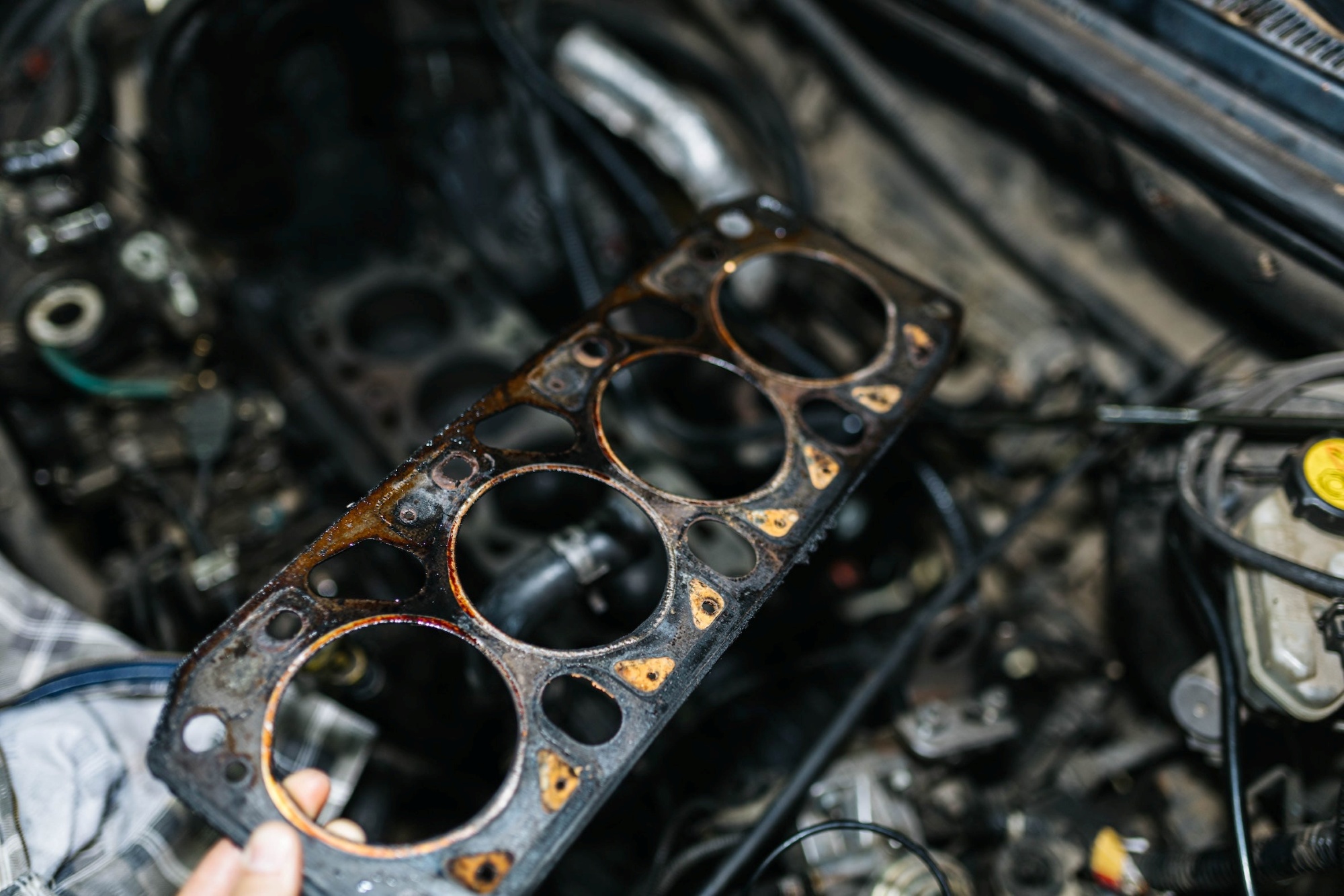
If you’ve noticed rising temperatures or your coolant light flashing, don’t wait. Bring your car into our Berkeley shop and let us take a look. Catching the issue early could save you from a blown gasket—or worse.
📞 Call Oceanworks today to schedule your inspection. We’ll help keep your engine cool, even when the weather isn’t.