Injuries put life on hold. Workouts stop. Weekend plans change. The dog walks get shorter. Most people in Ocotillo try to wait it out, ice it, maybe take a few days off. Sometimes that is enough. A lot of times it is not, and the injury hangs on for weeks longer than it should have.
The right care shortens the timeline. The wrong move, or no move at all, stretches it out.
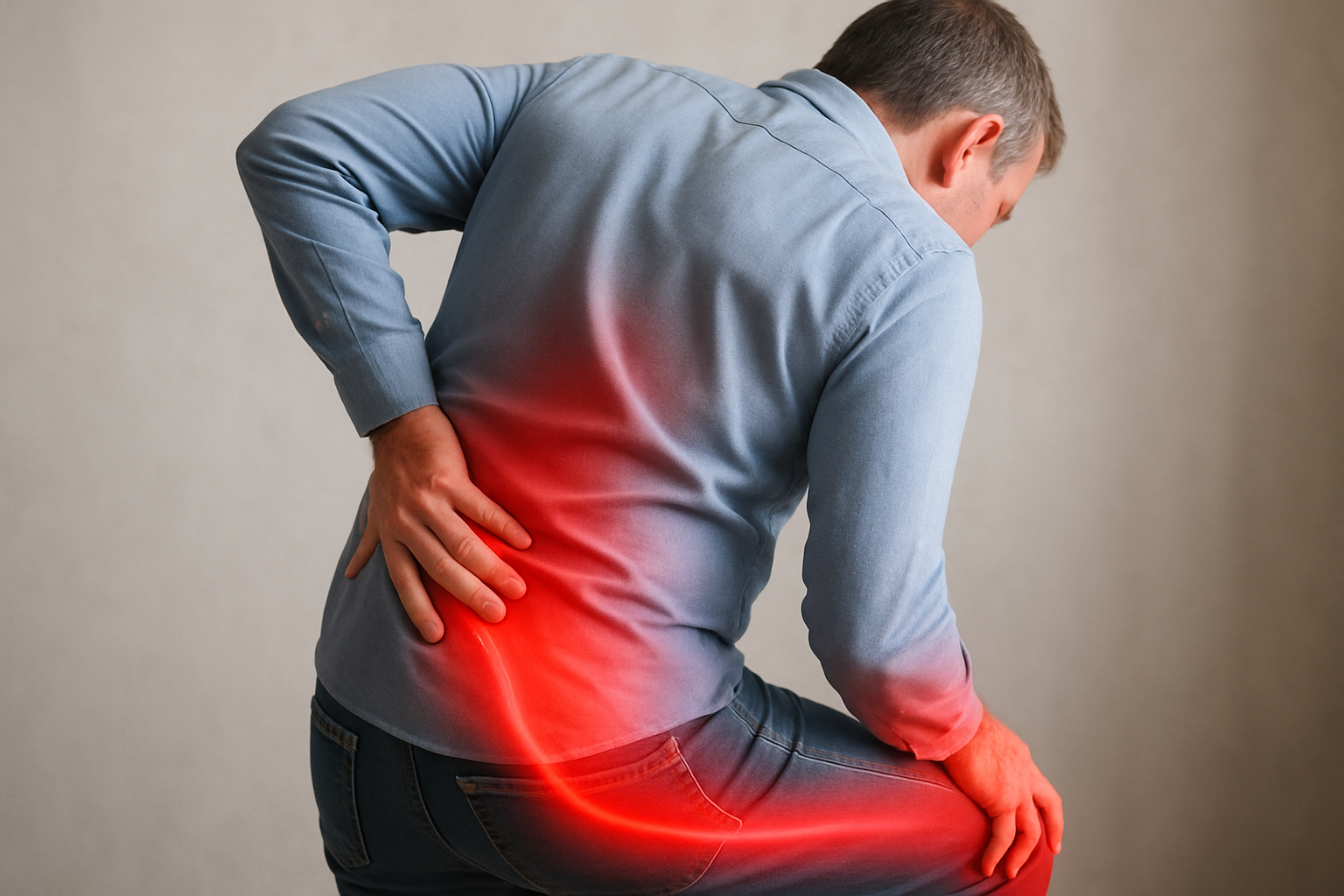
What People Notice With a Real Injury
Injuries do not always come with a clear moment. Sometimes it is a pop or a slip. Sometimes it shows up the next day for no obvious reason.
Stuff that points to something needing real care:
- Swelling that does not settle down in a day or two
- Pain that gets worse with normal movement
- A joint that feels loose, wobbly, or like it might give
- Sharp pain in one specific spot when you press or twist
- Stiffness that hangs on past the first few days
- Weakness in the area that was not there before
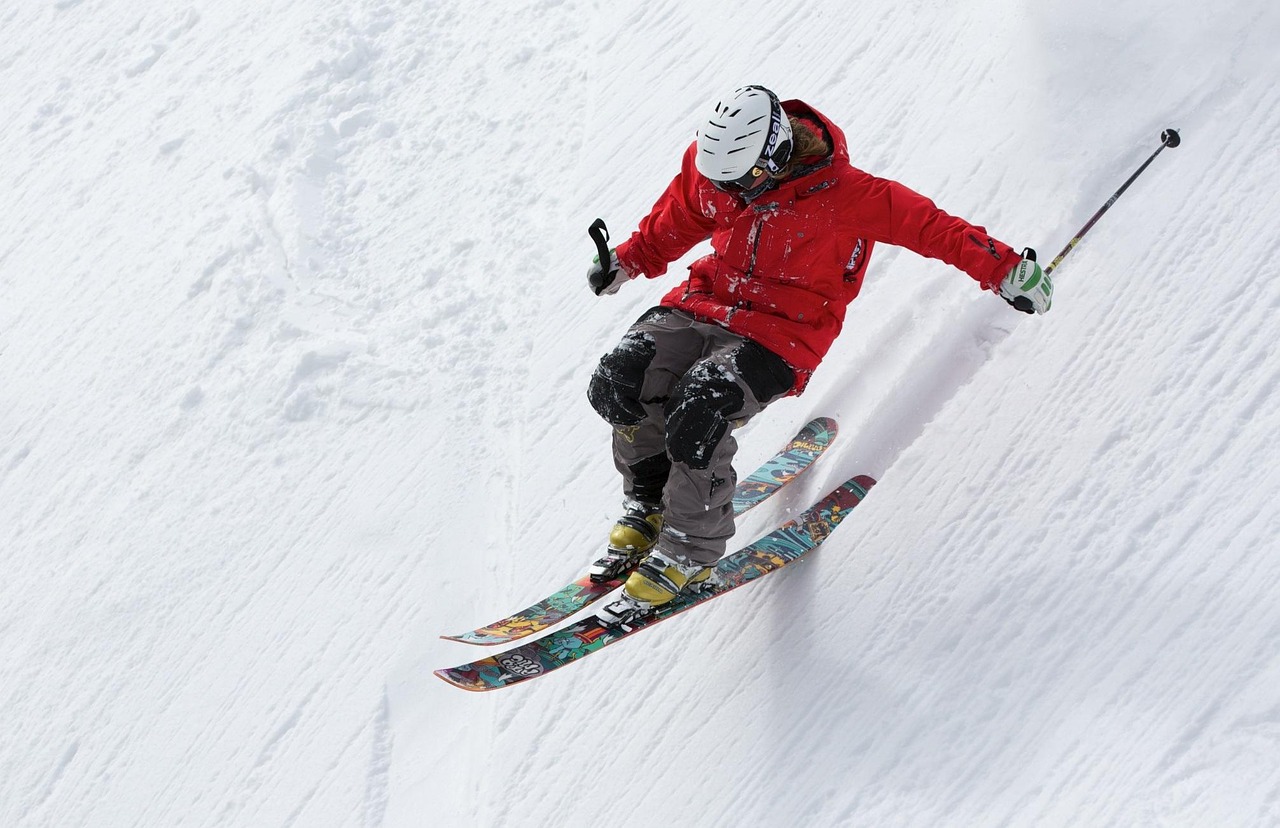
Around Ocotillo, we hear about injuries from pickleball, tennis, golf, hiking up around South Mountain, weekend bike rides, and the everyday stuff like missed steps off a curb or a fall in the kitchen. The activity does not matter as much as how the body responds to it.
Why Faster Care Matters
The early days set the tone. Tissue that gets the right input heals cleaner. Tissue that gets ignored or pushed too hard can heal in a way that leaves the joint weaker than before.
There is a window where treatment really moves the needle. Get into it early, and weeks come off the recovery. Wait too long, and the body starts compensating, which spreads the problem into other areas.
Treatments That Actually Speed Things Up
Sports medicine is more than rest and ice. Real care has layers, and the layers shift as the injury heals.
What tends to make a difference:
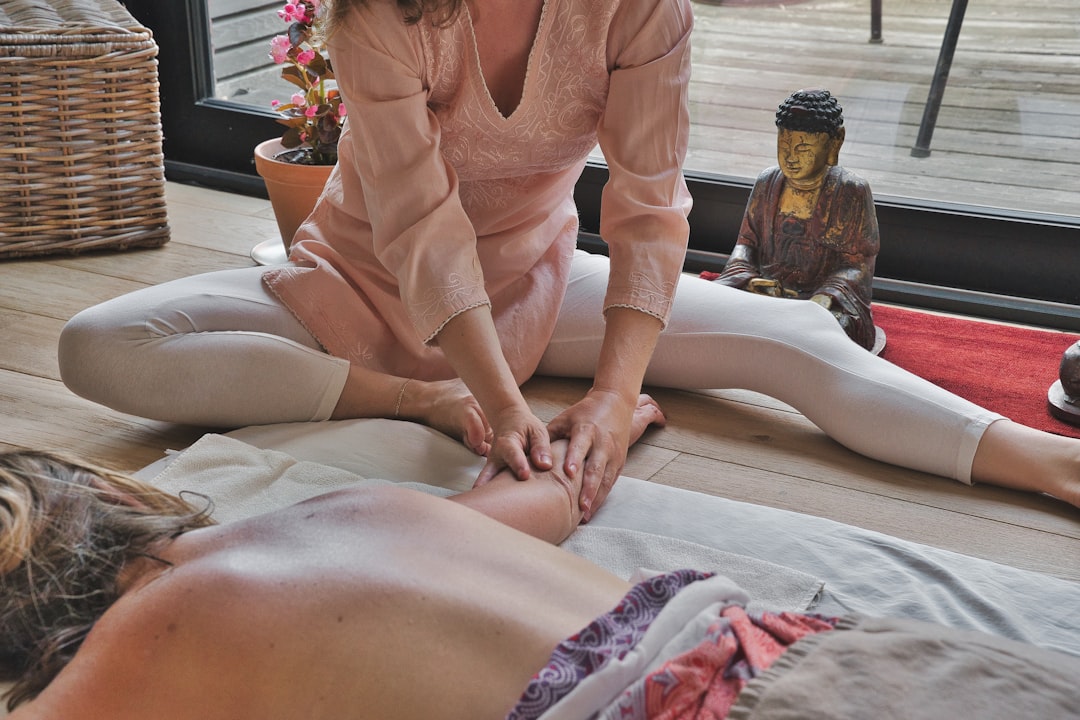
- Hands-on manual therapy gets swelling moving and frees up tissue that wants to lock down.
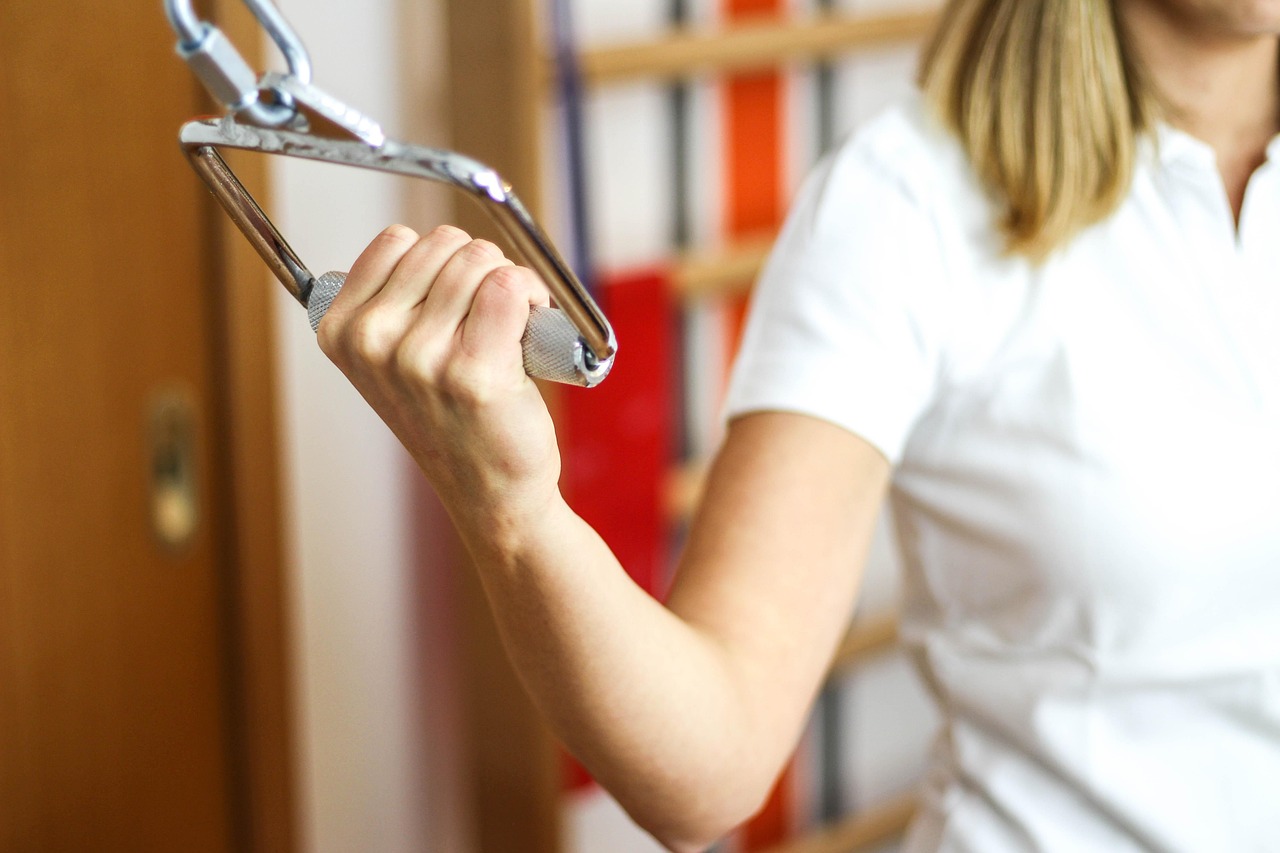
- Strengthening work around the injured area, not just on it, keeps the joint stable and rebuilds what got weak.
- Balance and reaction training teaches the joint how to respond when something unexpected happens, so the same ankle does not roll twice.
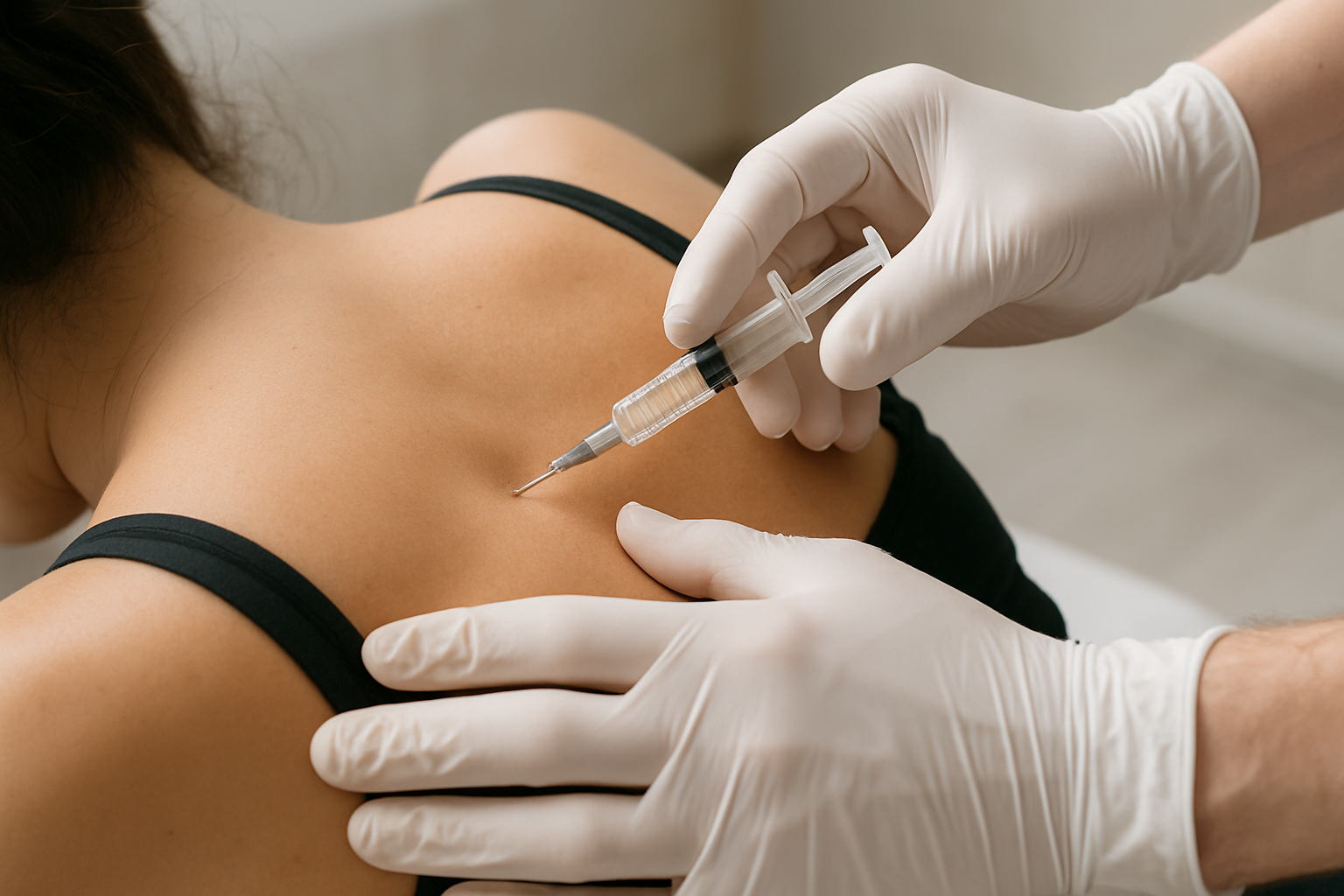
- Targeted dry needling helps muscles that are stuck in protective tightness.
- Bracing or taping for the right amount of time can keep the area supported without making it dependent.
- Activity pacing matters as much as anything, since coming back too fast is the most common reason injuries linger.
For more stubborn cases, treatments like blood flow restriction training, joint injections, or modalities for swelling can move things along when the basics are not enough.
What People Get Wrong
A few habits make recovery longer:
- Resting too much with no movement at all
- Going back to running, hiking, or sports before the joint is ready
- Skipping the strength work once the pain fades
- Ignoring the other side of the body, which often compensates and starts hurting too
- Trying to self-diagnose from internet searches and waiting it out
Pain easing up is good. It does not mean the injury is healed. The joint can feel fine and still be weak underneath, which is how reinjury happens.
Reach out to Modern Medicine of Sun Lakes to schedule a sports medicine evaluation and start moving in the right direction.