SYNOPSIS: This article covers physical therapy after surgery, what real recovery looks like, and how Modern Medicine of Sun Lakes helps people get moving again without rushing or stalling.
Getting Mobility Back After Surgery With PT
BY: Josh Adams, Modern Medicine of Sun Lakes, AZ
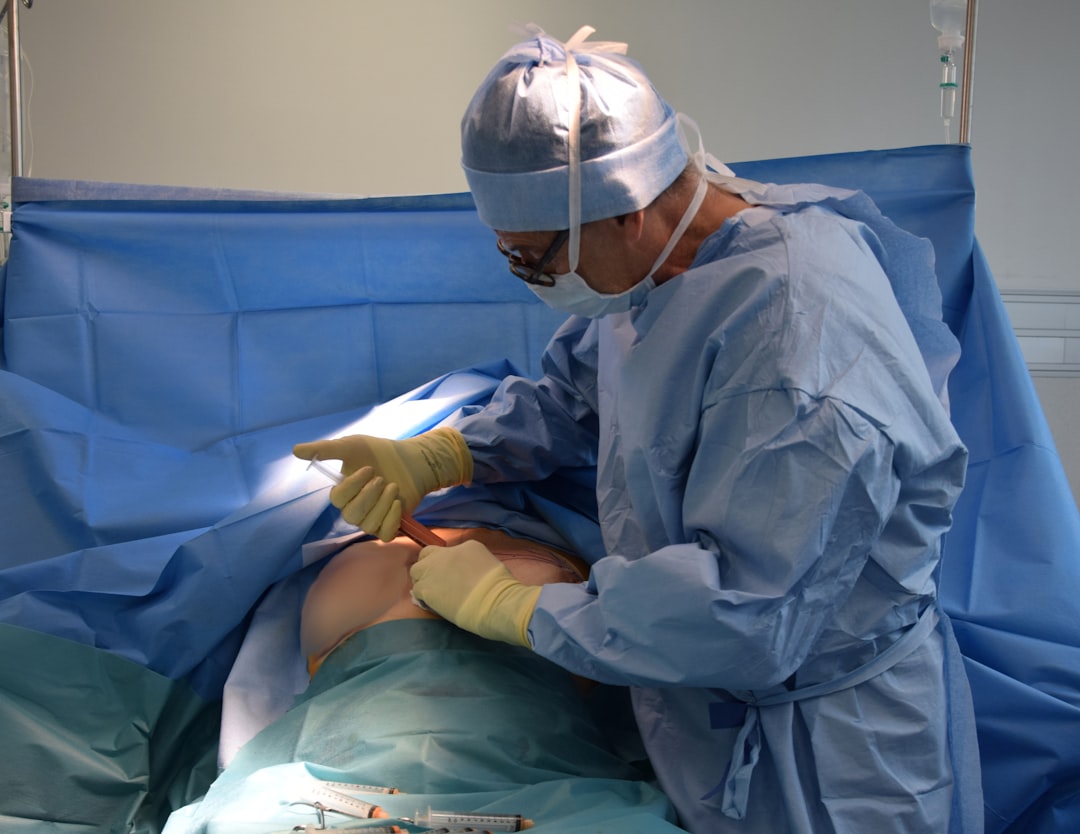
Surgery fixes the structure. It does not get you back to your life. That part is up to what happens after. Most folks in Sun Lakes underestimate how much work the recovery side takes. Some push too hard, too soon. Others sit still too long and stiffen up.
The middle road is where real progress lives. Therapy keeps you there.
What Recovery Actually Feels Like Early On
The first few weeks after surgery are humbling. Simple things turn into big tasks.
Common stuff people deal with:
Stiffness that makes bending or reaching hard
Swelling that comes and goes throughout the day
Weakness in muscles that worked fine before
Trouble standing up from a chair without help
Sleep that gets interrupted by aches or finding a good position
Walking that feels off, lopsided, or slow
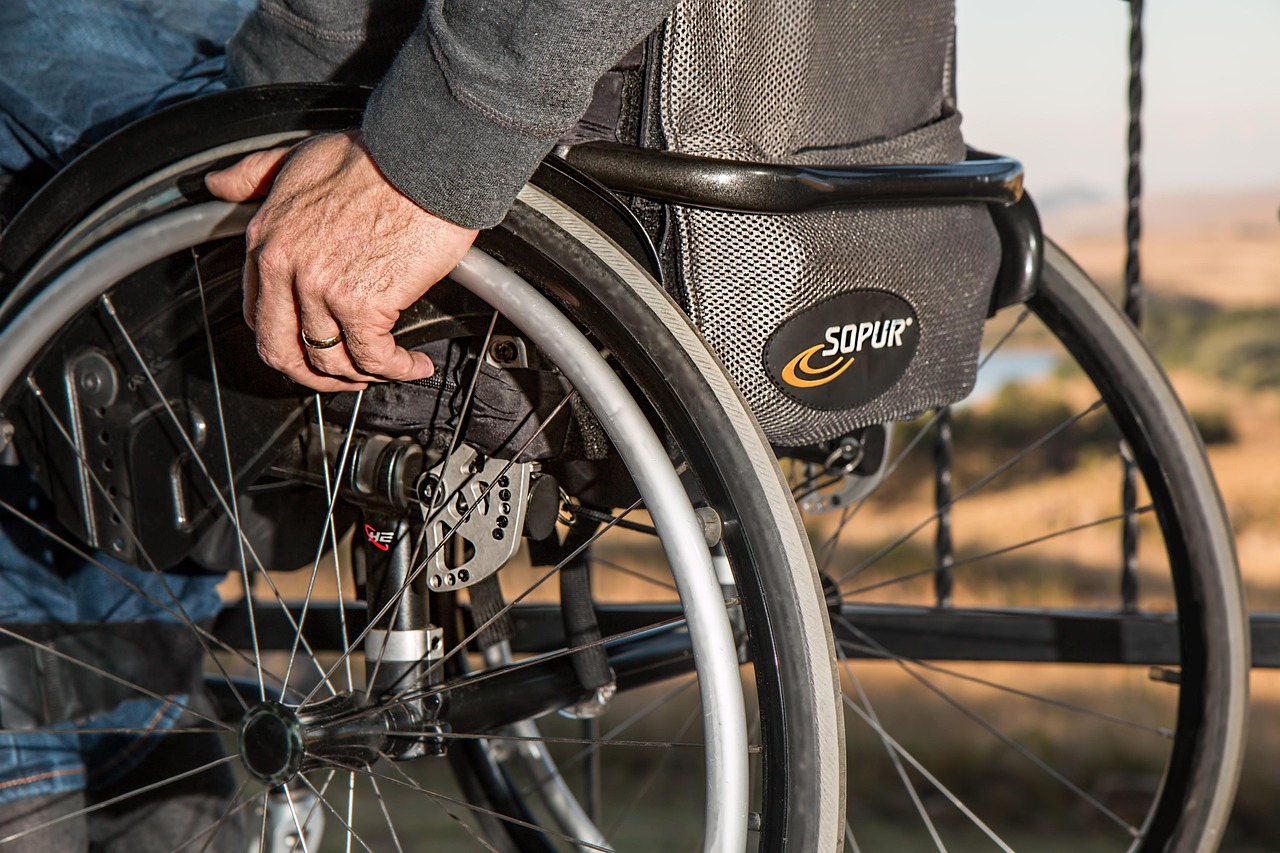
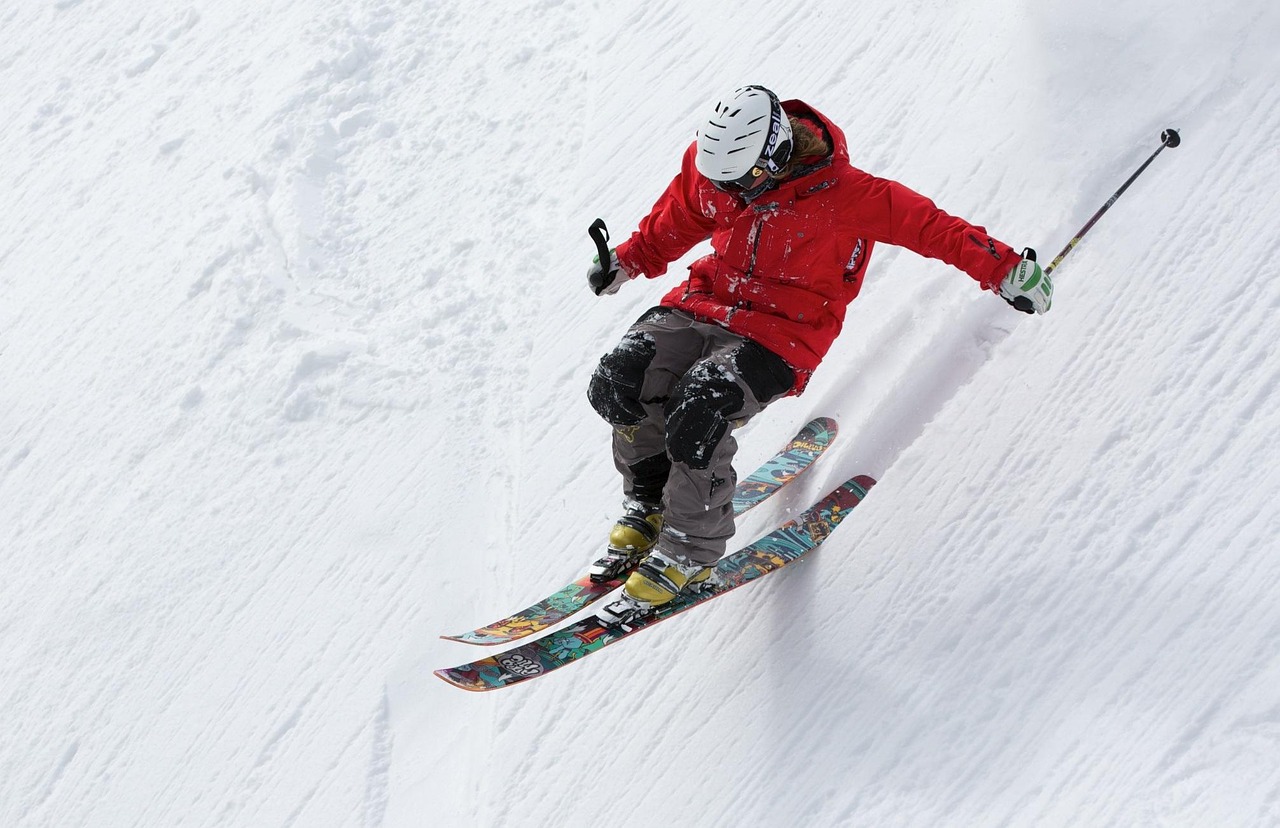
Remember, the daily stuff matters. Getting out to the car for errands. Walking the loop around the neighborhood. Golf course mornings. Pool exercise. Sitting through dinner without the joint locking up. These are the goals therapy builds toward.
Why Therapy Matters More Than People Think
The body protects what hurts. After surgery, muscles tighten up around the area. The joint stops moving freely. Other parts start compensating. A hip surgery turns into back pain. A knee surgery turns into a sore opposite hip. A shoulder surgery turns into a neck that will not relax.
Therapy stops that snowball. It works on the surgery site, the muscles around it, and the way the whole body moves together.
What Post-Surgery Therapy Actually Involves
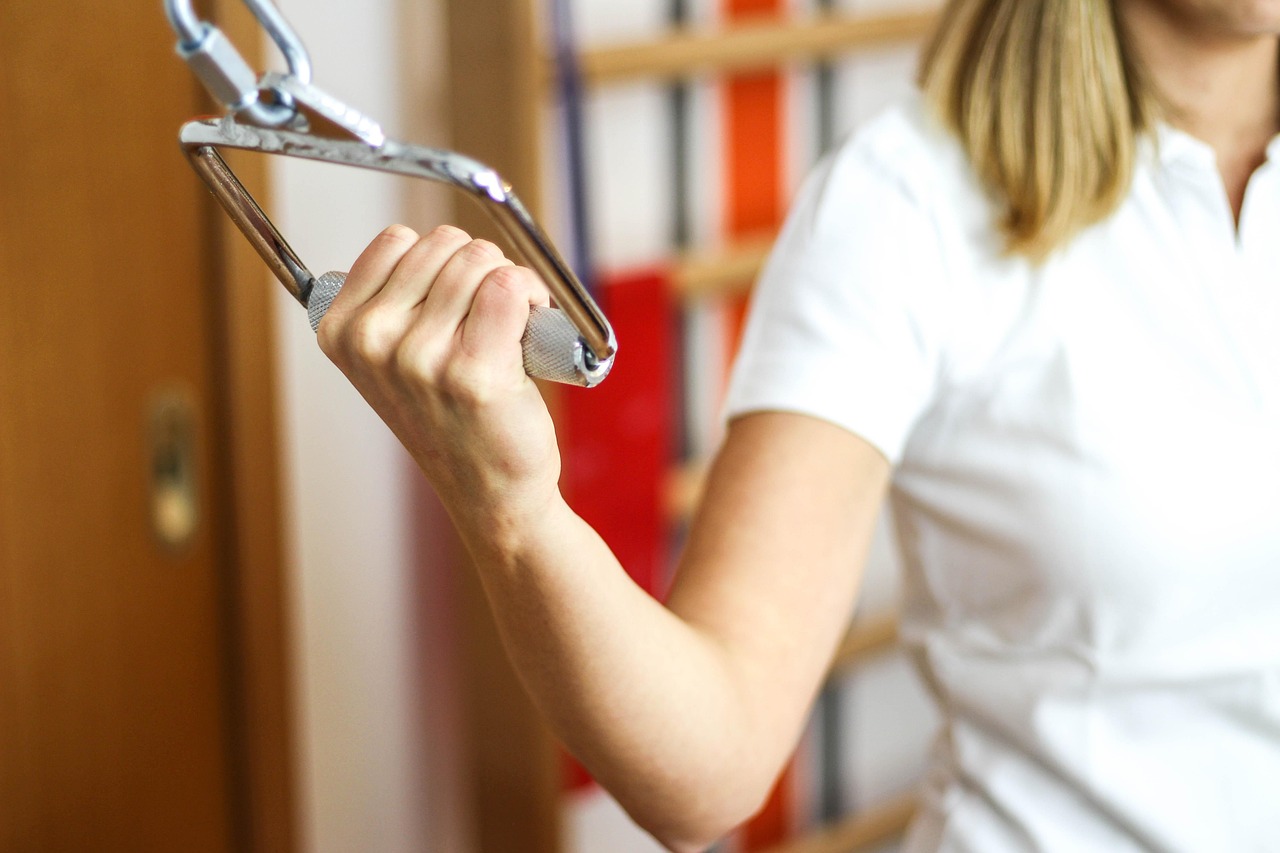
It is not just walking on a treadmill. Real post-surgery care has layers, and the layers change as healing moves along.
What tends to be part of the plan:
Gentle range of motion work to keep the joint from getting stuck
Hands-on therapy to free up tight tissue and swelling
Strengthening that starts small and builds gradually
Balance work so you can trust the leg, hip, or shoulder again
Walking pattern retraining so you stop limping or favoring
Pacing guidance, because doing too much sets recovery back
Each phase has its own goals. Early on it is about calming things down. Middle stages build strength. Later stages get you ready for normal life and the activities you actually want back.
Surgeries That Respond Well to Therapy
Pretty much all of them. Some of the more common ones we see:
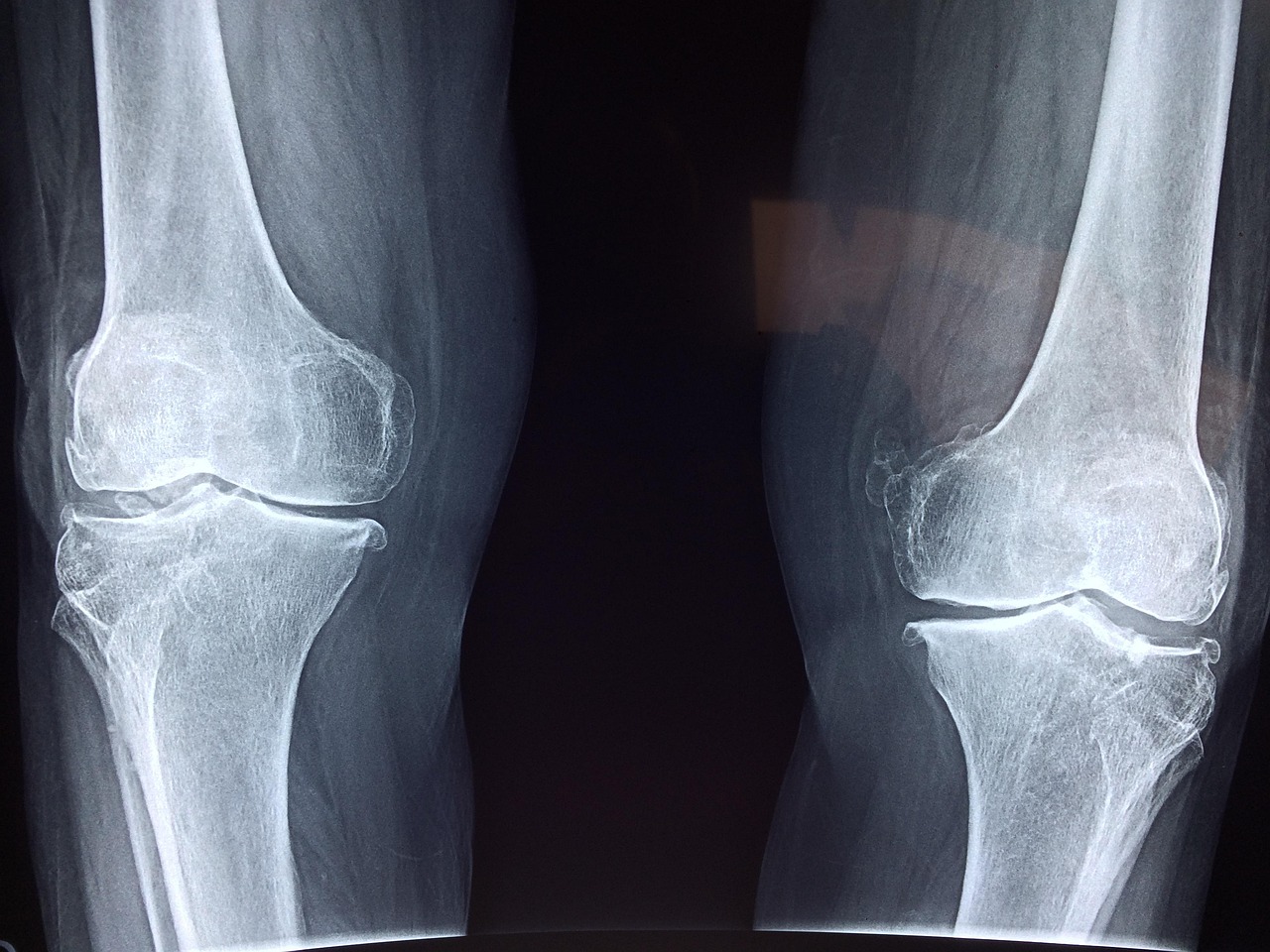
Knee replacements
Hip replacements
Shoulder repairs
Rotator cuff surgery
Spine procedures
Foot or ankle surgeries
ACL or meniscus repairs
The body wants to heal. It just needs guidance to heal in a way that holds up long term.
What Slows People Down
A few patterns keep folks stuck longer than they need to be:
Skipping sessions once the pain drops
Doing the exercises wrong at home without checking in
Going back to driving, golf, or yard work before the body is ready
Trying to push through swelling instead of working with it
Comparing recovery to someone else who had a different surgery
Recovery is not a straight line. Some days feel great. Some feel like a step back. That is normal.
When to Get Therapy Going
The sooner therapy starts, the better the outcome usually is. Some surgeons want therapy days after surgery. Others wait a week or two. Either way, do not let weeks slip by waiting to feel ready.
Reach out to Modern Medicine of Sun Lakes to schedule post-surgery therapy and get your mobility back without dragging the process out.
“Best Orthopedic Surgeon in Sun Lakes, AZ”
Top Rated Local Orthopedic Surgeon / Doctor / Clinic / Specialist
Phoenix Valley : Sun Lakes, Maricopa, Ocotillo, AZ
This article covers how manual physical therapy eases chronic lower back pain, what hands-on assessment at Modern Medicine of Sun Lakes reveals, and w…
This article covers how vestibular physical therapy helps vertigo and dizziness, the mechanism behind recovery, and what the treatment involves at Mod…
This article covers sports medicine treatment for chronic knee arthritis, how the approach differs, and why it keeps people active rather than resting…
This article covers how seniors manage vertebral compression fracture pain, what helps in the early weeks, and how to heal without overdoing rest.
“Best Orthopedic Surgeon in Sun Lakes, AZ”
Top Rated Local Orthopedic Surgeon / Doctor / Clinic / Specialist
Phoenix Valley : Sun Lakes, Maricopa, Ocotillo, AZ
CityScoop is the top ranked local business news network in the United States. Established in 2008, CityScoop has been providing local communities with high quality news about local businesses and their most recent projects.