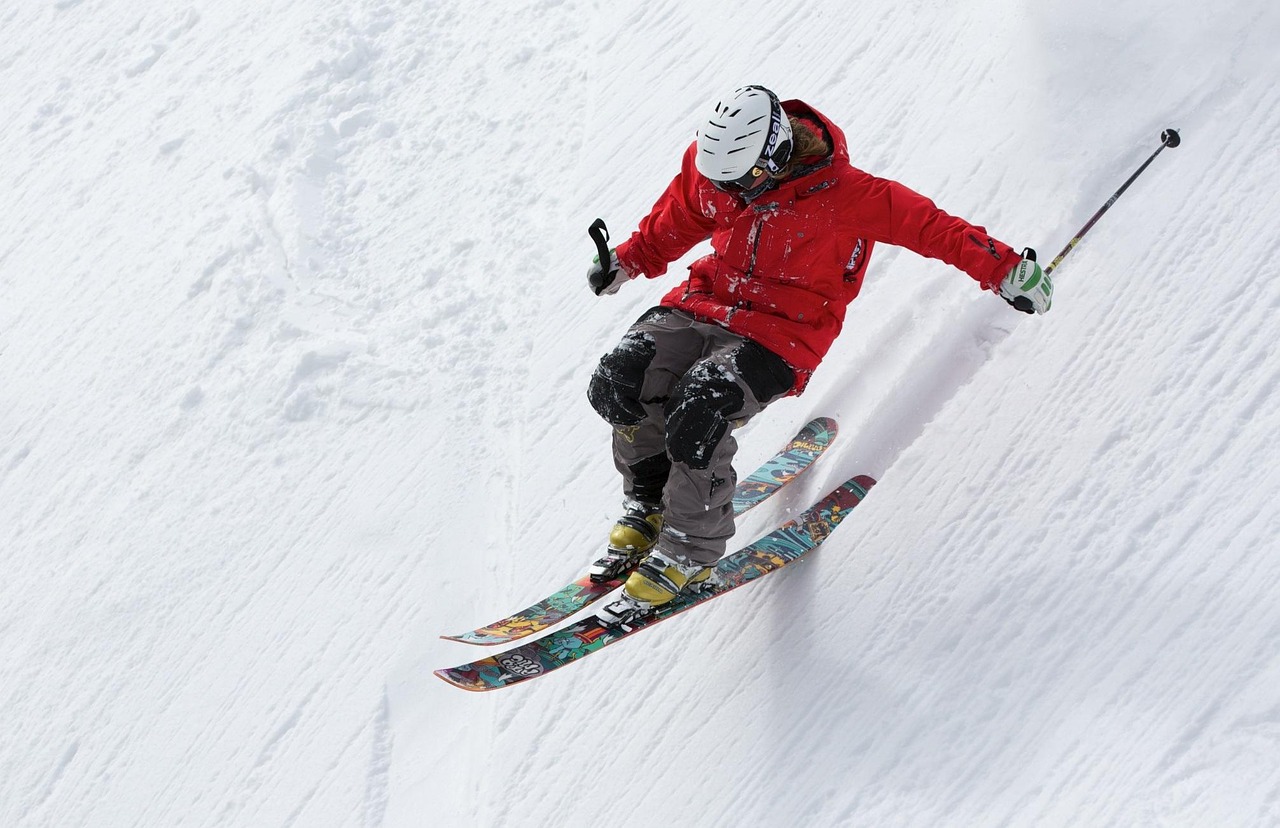
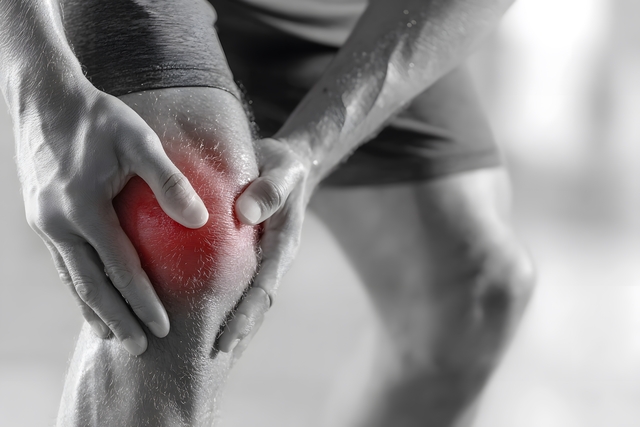
 Knee Injuries Are Not All the Same
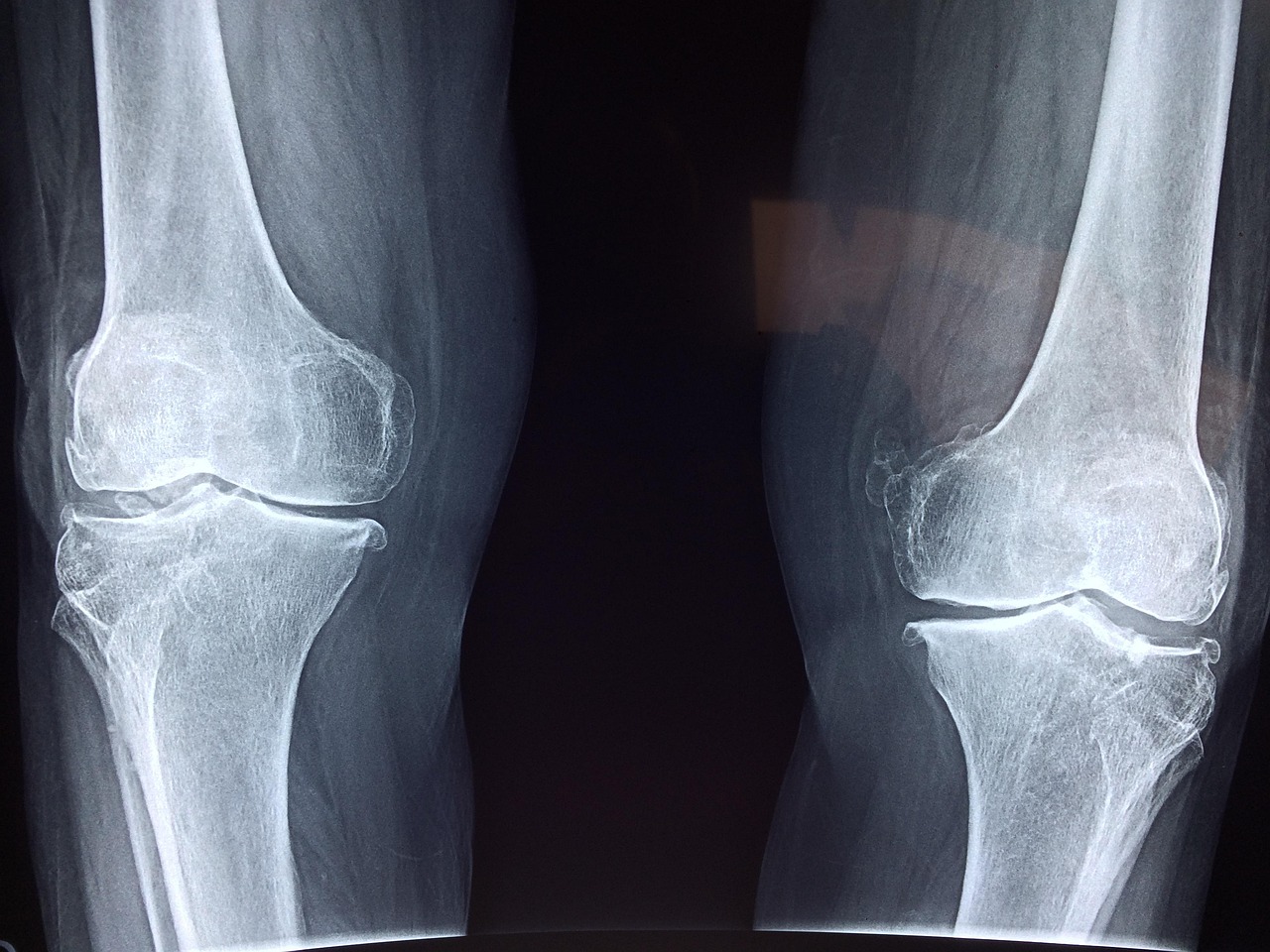
A ligament tear is a stability problem. A meniscus injury is a load distribution problem. Patellar tendinopathy is a tissue capacity problem. These are different injuries and they need different approaches.
Ligament tears, ACL, MCL, and LCL, affect how the knee handles rotation and direction change. The grade of the tear and the ligament involved determine the degree of instability and whether surgical reconstruction is part of the conversation.
Meniscus tears vary a lot. One that is catching or locking needs different management than one that is painful but mechanically stable. Location of the tear, age, and activity level all factor into whether conservative rehab or surgery is the right call.
Tendon injuries are load management problems. The patellar tendon or quad tendon has been asked to handle more than it can recover from. Rest quiets it down temporarily. Without specific loading protocols, the tissue never rebuilds the capacity it lost.
Getting the diagnosis right before building a plan is not optional. Treating a ligament injury like a tendon problem wastes weeks.
What Knee Injuries Do to the Quad
The quad shuts down fast after a knee injury. Not gradually. Within days of trauma or surgery, the nervous system reduces activation around the joint to protect it. Within weeks, there is real atrophy that does not reverse just because the pain settles.
Weak quads mean more direct load on the joint surface. More load on a healing ligament, meniscus, or tendon. Higher re-injury risk. Most athletes who re-injure the same knee trace it back to a quad that never came all the way back the first time.
Hip strength is part of it, too. Weak glutes and hip abductors let the knee collapse inward during cutting, landing, and single-leg loading. That collapse stresses whatever was just healing. Addressing the hip alongside the knee is not a bonus. It is part of the program.
What Each Phase of Rehab Covers
- Early phase. Swelling goes down. Basic range of motion restored. Quad activation started at a level the tissue can handle. Nothing aggressive. The tissue is still fragile and overloading it here resets the timeline.
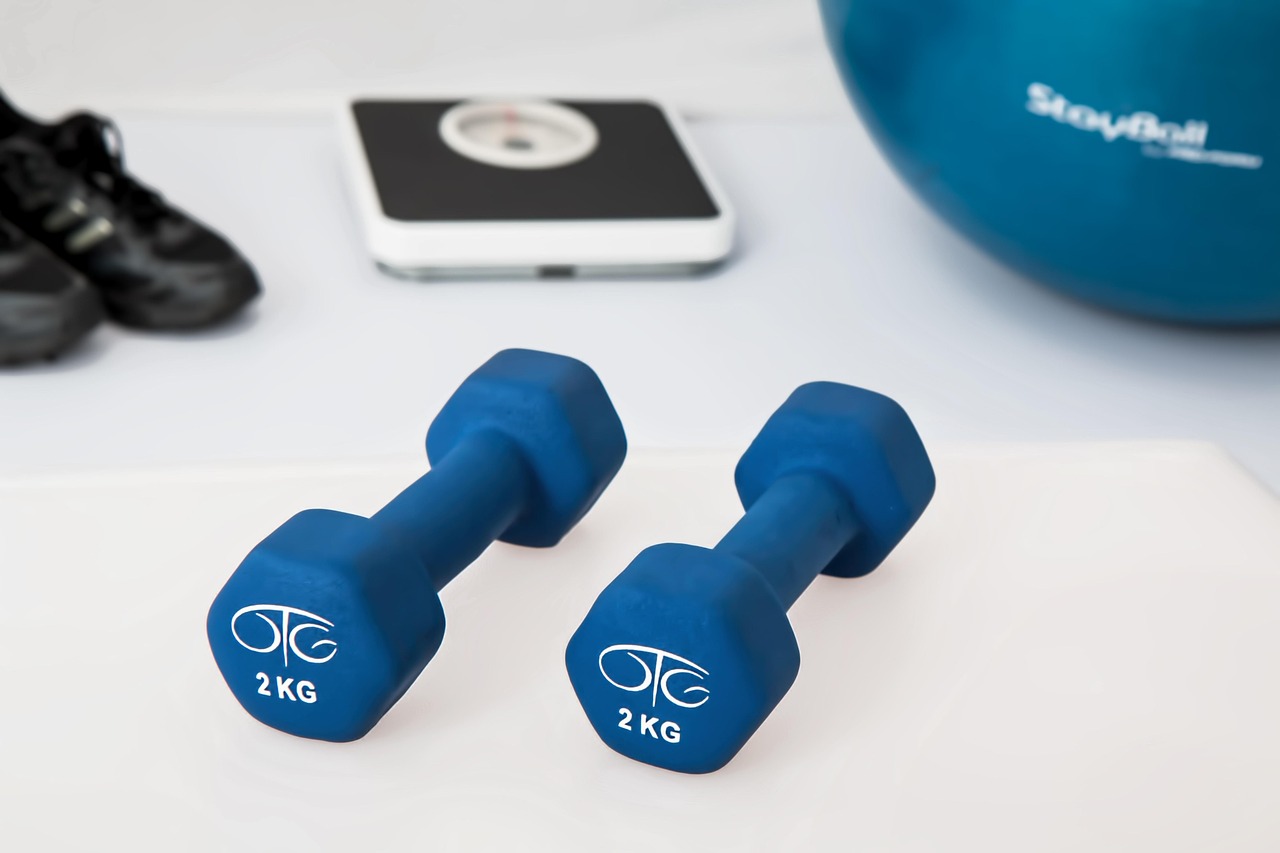
- Middle phase. Progressive resistance through increasing range. Single leg work. Hip and glute loading. Balance and proprioception drills that retrain how the knee senses position under load. This phase is where most of the strength gets rebuilt.
- Late phase. Proving the knee is ready. Strength testing against the uninjured side. Reactive drills. Cutting, jumping, decelerating at full speed. The movements that actually replicate what sport demands.
What Return to Sport Actually Means
A knee that handles light running is not the same as a knee that handles a hard lateral cut in a flag football game or a contested rebound in basketball. Return to sport testing measures strength symmetry, single-leg power, reactive stability, and sport-specific movement at real intensity.
Maricopa athletes who skip that testing come back too early. The pattern is consistent. Three weeks back and the same knee gives way doing something that should have been fine.
If you are dealing with a sports knee injury, contact Modern Medicine of Sun Lakes, AZ to schedule a physical therapy evaluation.