 Falls Are Not Random
A hip has been weakening for months without obvious pain. An ankle that rolls on uneven ground because the old sprain never got properly addressed. Blood pressure drops on standing from a medication nobody flagged. Sensation in the feet was dulling from neuropathy so gradually that nobody noticed until the floor just stopped feeling reliable.
These things do not announce themselves. They stack up quietly until the conditions are right and somebody ends up on the floor, wondering what happened.
What Actually Increases the Risk
Most falls involve more than one contributing factor:
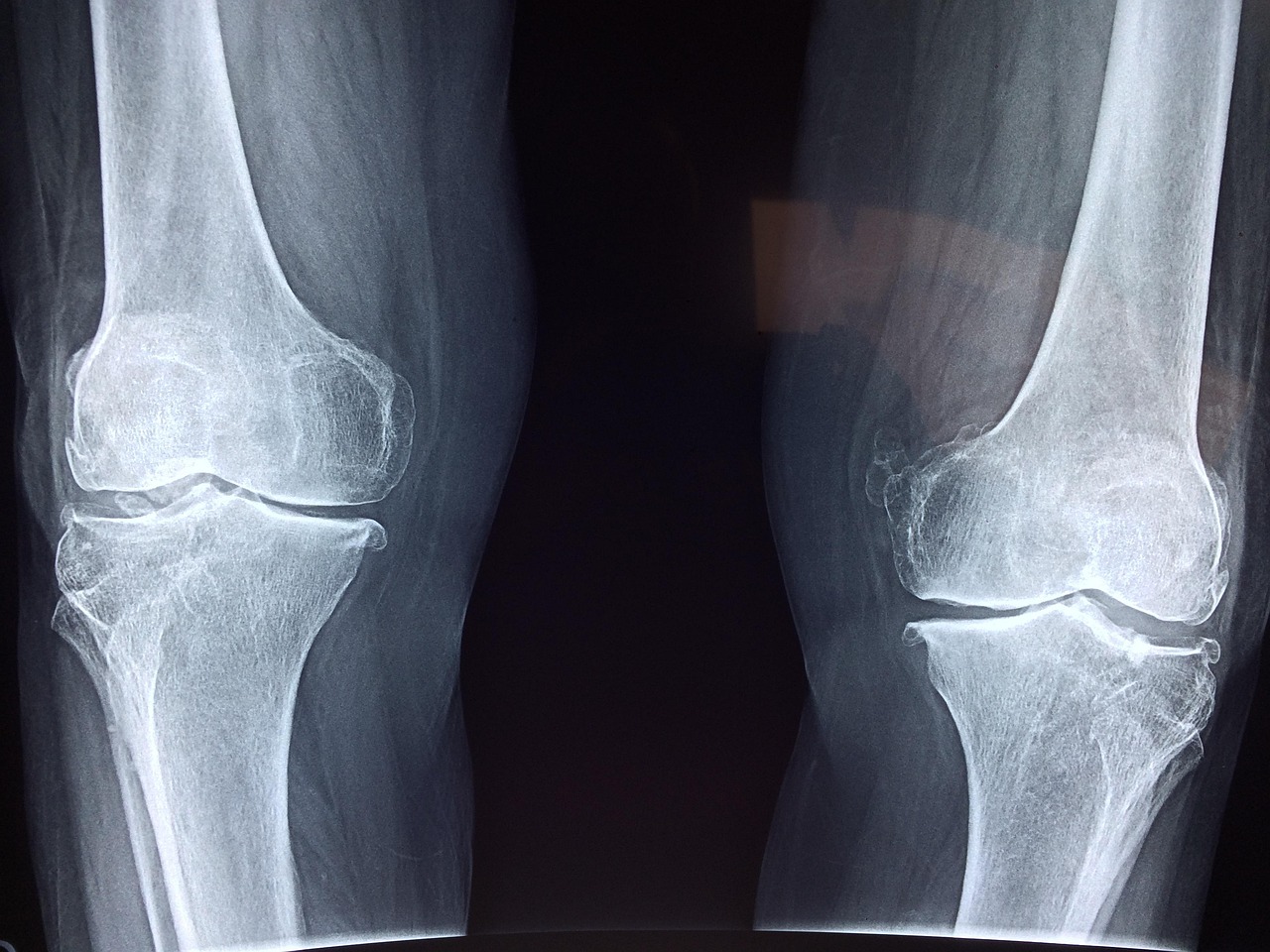
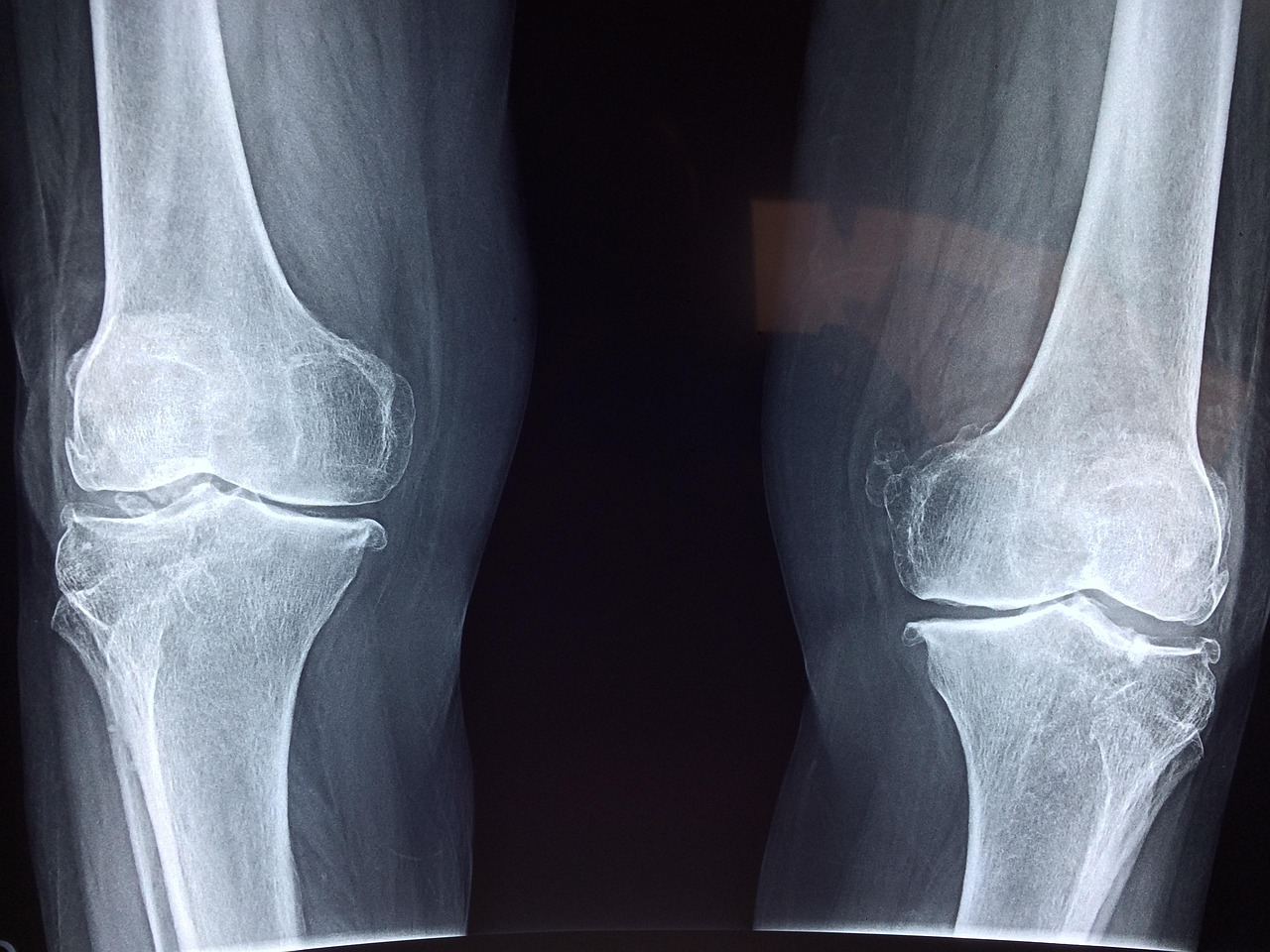
- Hip and ankle weakness that slows the corrective response just enough to miss catching a stumble
- Reduced joint awareness in ankles or knees from old injuries that never got fully rehabbed
- Vestibular changes are making the inner ear less reliable for tracking position and movement
- Reaction time is slow enough that the body is always a beat behind when balance gets challenged
- Medication effects on blood pressure or coordination that nobody connected to unsteadiness
- Home hazards that were always there but only became dangerous once the balance started slipping
What the Assessment Looks At
Strength in the lower limbs. Balance on different surfaces, eyes open and closed. How the walking pattern looks. Step length, weight transfer, and whether the stride is symmetrical. How quickly the body responds when balance gets unexpectedly challenged.
Two people of the same age can sit at completely different risk levels. One has strong hips and a vestibular problem. Another walks fine but has significant ankle weakness that will not hold under a stumble. The plan has to match what the assessment actually finds, not what is typical for the age group.
What Treatment Works On
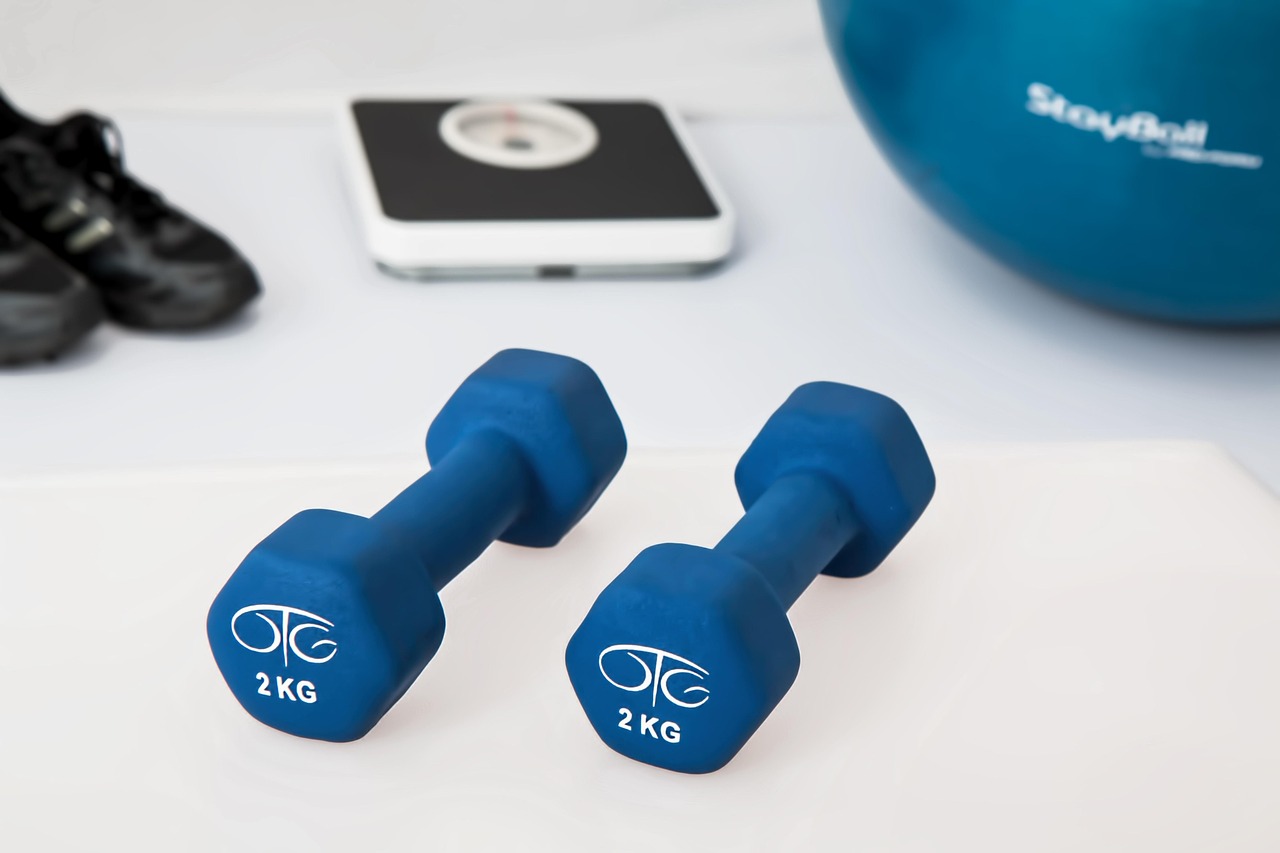
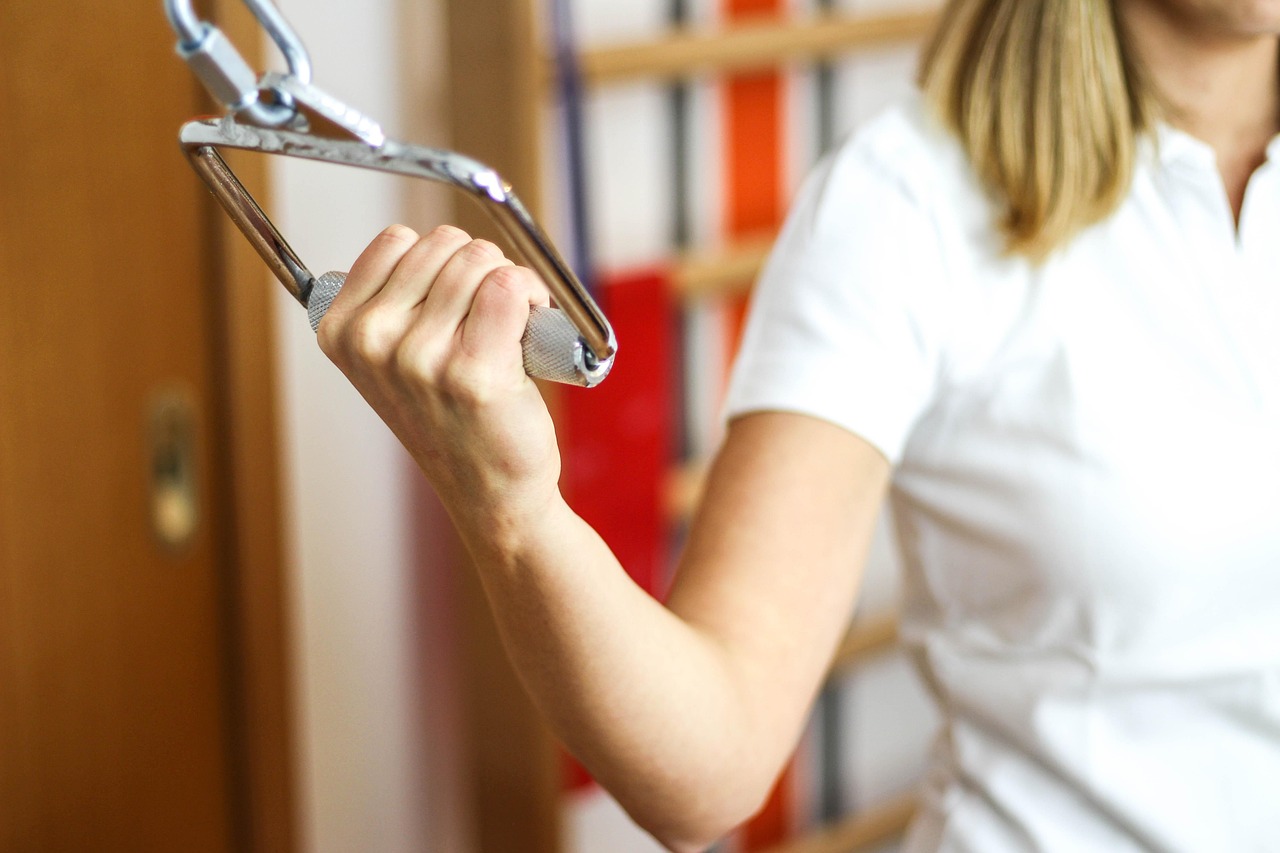
Hip and ankle strengthening to build the corrective response that catches stumbles before they become falls. Single-leg work that drives real adaptation rather than just practicing balance in a comfortable position. Vestibular exercises for patients whose inner ear is contributing to the unsteadiness. Proprioceptive retraining for joints that lost sensory accuracy years ago and never recovered it.
Gait retraining is part of it, too. Short shuffling steps and a wide stance feel safer. They are not. That pattern is less stable and more tiring than a normal walking pattern and it gets worse over time without correction.
What Changes at Home
Grab bars in the bathroom. Non-slip mats. Better lighting in the hallway. Loose rugs are gone. Footwear is one thing people consistently underestimate. Worn soles and loose fit quietly undo every gain made in therapy. New shoes with proper fit and grip are not optional for someone working on fall prevention.
Getting Ahead of It in Sun Lakes
Sun Lakes residents are active. Most are not looking to slow down. Fall prevention work is not about adding caution. It is about building enough capability that the hesitation before the curb or the stairs stops being part of the routine.
Contact Modern Medicine of Sun Lakes, AZ, to schedule a physical therapy assessment before something goes wrong.