 The Purpose of Post-Surgical Rehabilitation
Surgery addresses one part of the problem. Recovery is the next part.
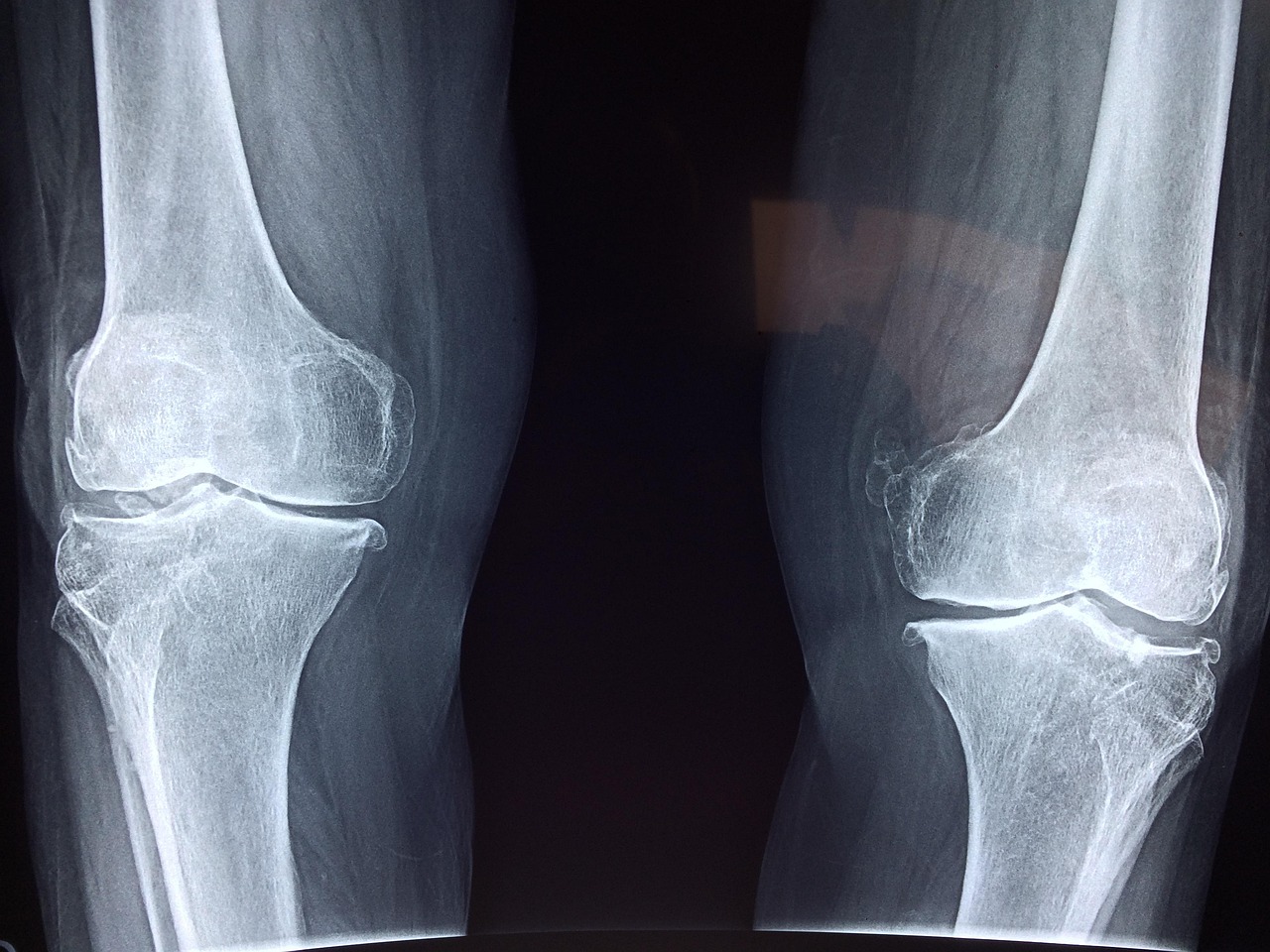
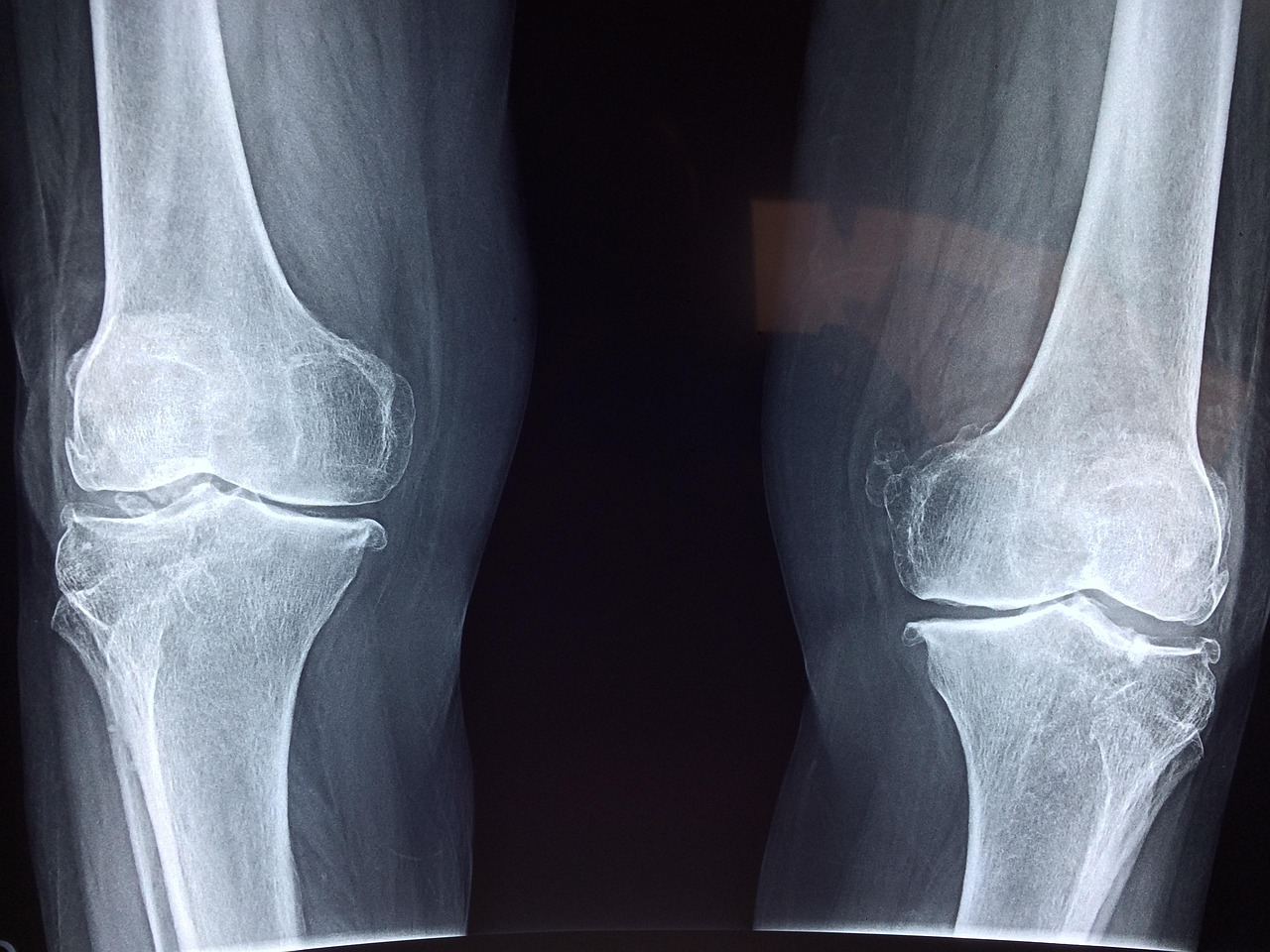
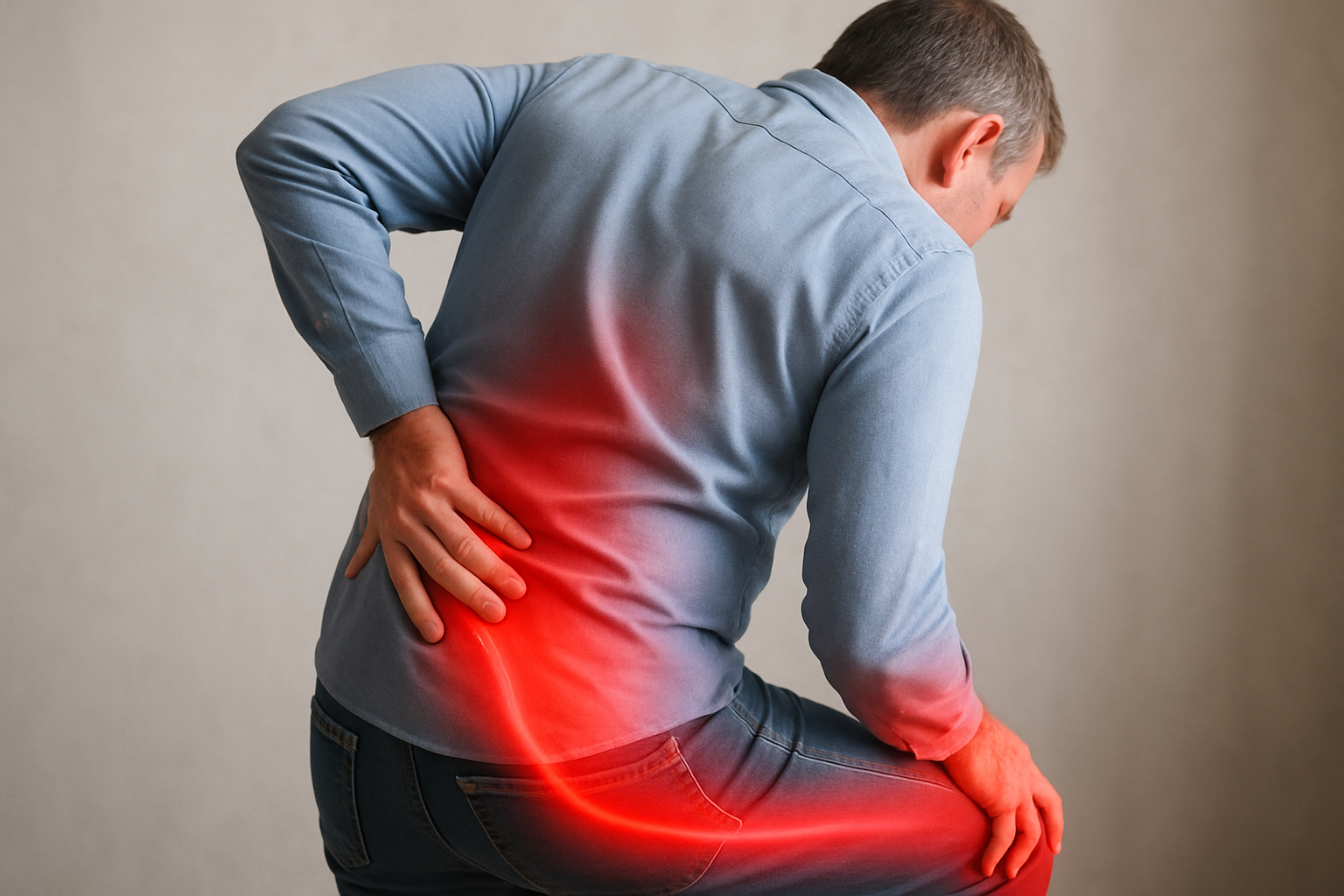
After surgery, many patients deal with swelling, weakness, stiffness, fatigue, and changes in the way they move. That is where physical therapy comes in.
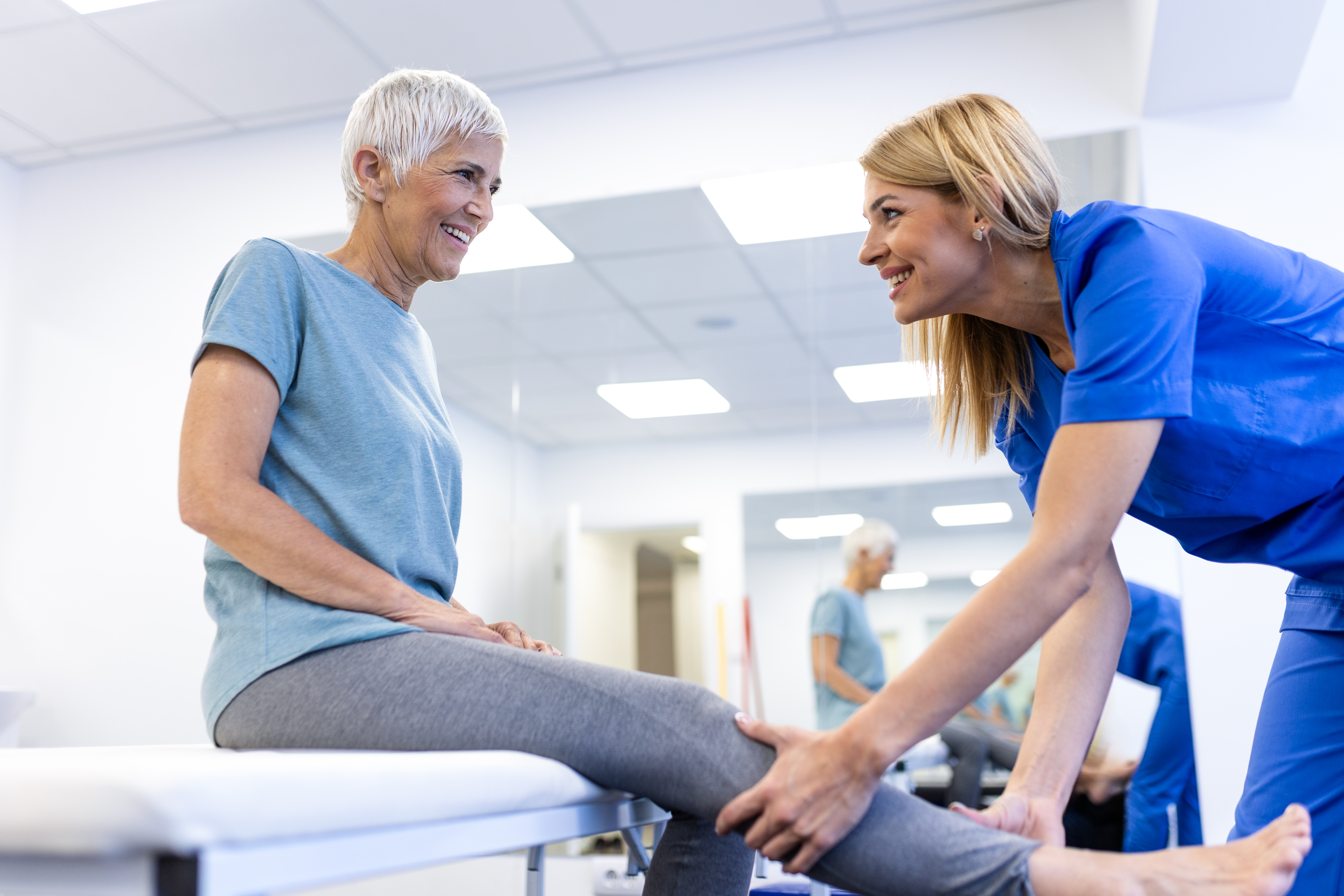
At Modern Medicine of Sun Lakes, AZ, we build post-surgery rehab around what the body needs at each stage. Some patients need help with walking first. Some need to improve joint motion. Some need strength, balance, and endurance. Most need a mix of several things, not just one exercise sheet and a few weeks of waiting.
Strength and Stability Programs
Once the body is ready, treatment usually shifts into more direct strengthening work.
This may include:
- Leg or arm strengthening based on the surgery
- Core work for support and control
- Balance training
- Weight shifting and stability drills
- Step work or functional loading
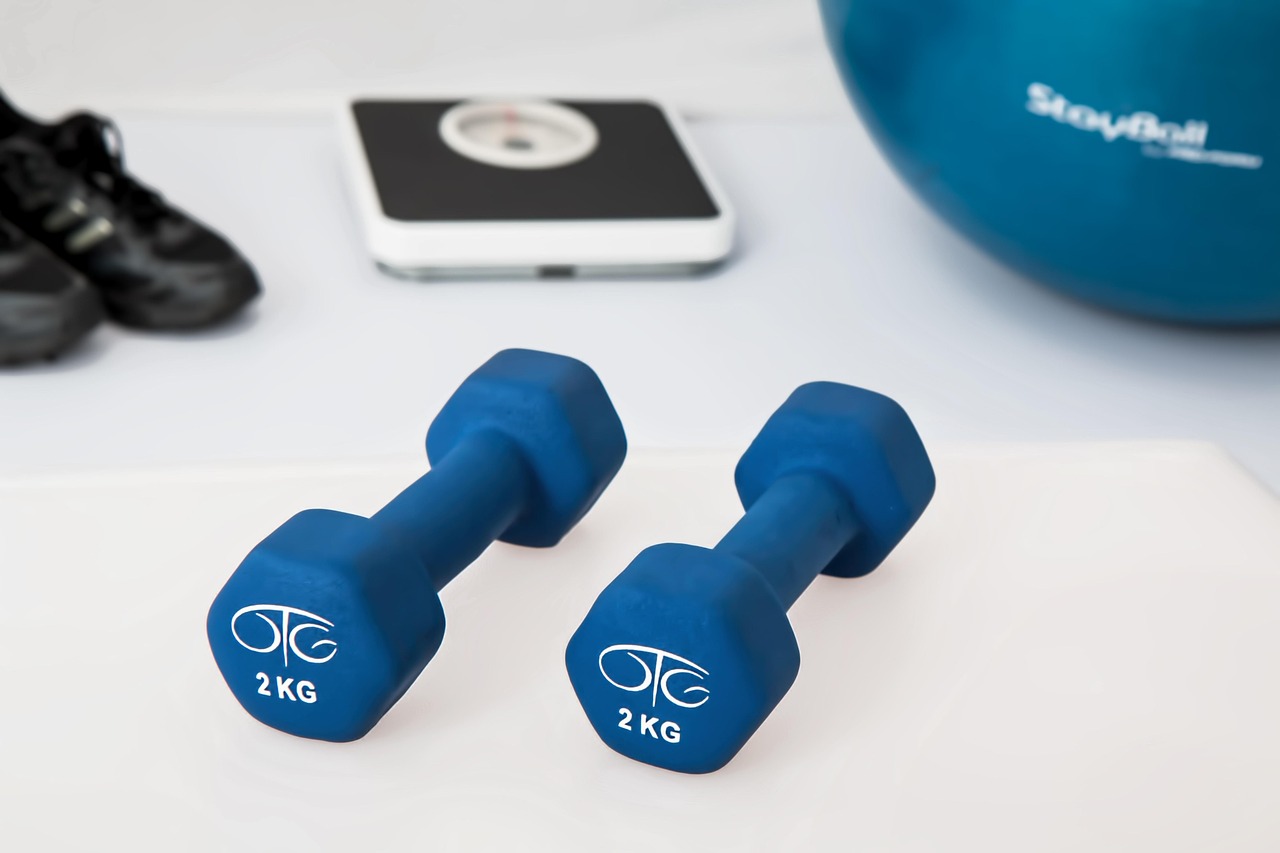
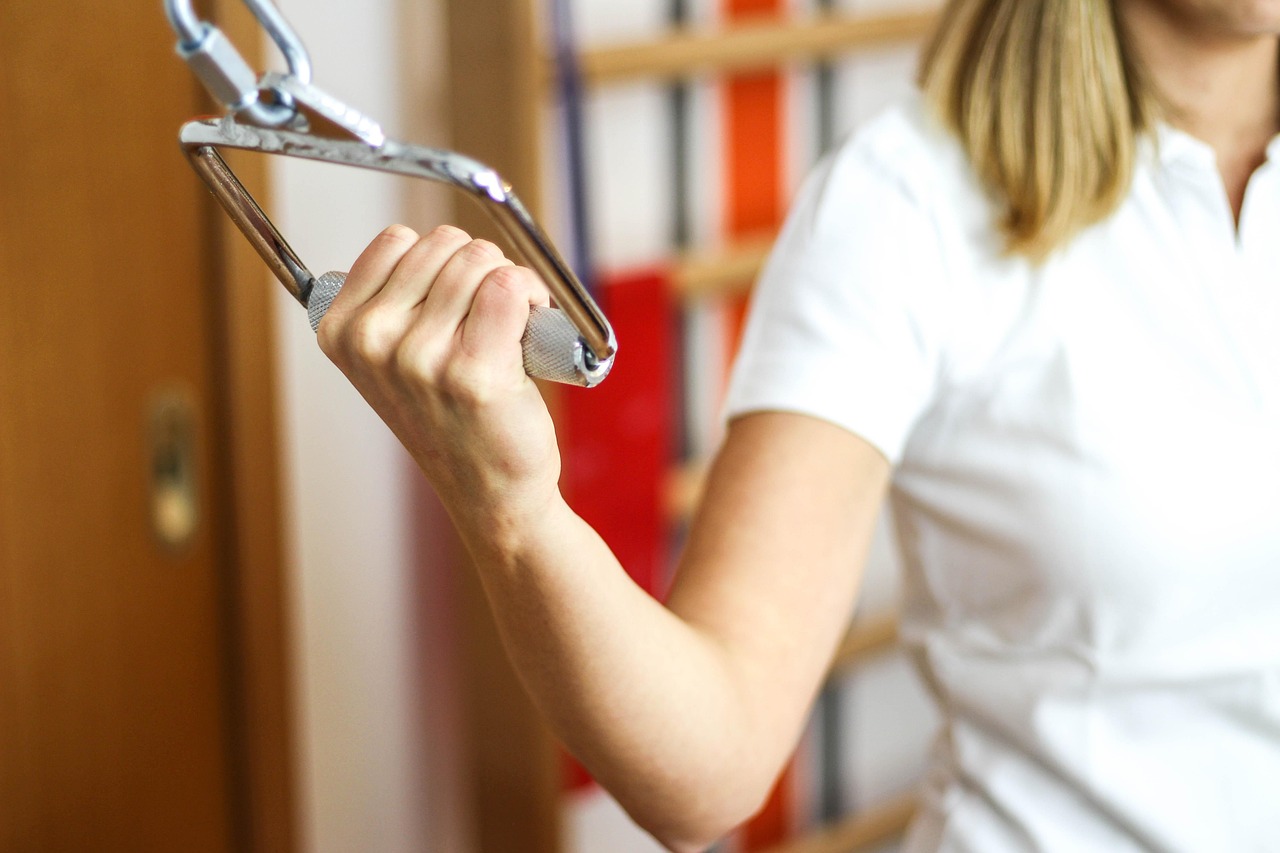
- Progressive resistance exercises
This part of rehab helps the surgical area handle more demand. It also helps the rest of the body catch up. That matters because patients often protect one side for so long that nearby muscles become weak too.
Mobility and Range of Motion Care
For some patients, stiffness is the biggest problem. The joint feels blocked. The body resists certain movements. Normal tasks start taking extra effort because motion is limited.
Mobility work is meant to improve how the area moves without forcing it too fast. Depending on the surgery, this may involve guided stretching, joint mobility work, gentle repeated motion, or hands-on treatment to reduce tightness in nearby tissue. The goal is steady progress, not aggressive pushing.
This part of rehab can be especially important after joint surgery. Better motion can make dressing, walking, reaching, and sleeping more comfortable. It can also make strengthening work more effective later on.
Functional Training for Daily Life
Strong muscles are helpful, but recovery also needs to translate into real movement.
That is why physical therapy programs often include functional training. This means practicing the tasks that matter outside the clinic. For one patient, that may mean stairs. For another, it may mean getting off the floor, carrying groceries, reaching overhead, or walking longer distances without fatigue.
Functional work may also include gait training, posture work, transfer practice, and coordination drills. These are the pieces that help recovery feel useful in daily life, not just successful during exercises.
Why a Structured Program Matters
Post-surgery recovery usually goes better when treatment follows a clear sequence. Too much too early can stir up pain. Too little for too long can slow down progress.
At Modern Medicine of Sun Lakes, AZ, we help patients navigate post-surgery rehab with a program focused on healing, function, and long-term recovery. If you are preparing for surgery or trying to recover from one, physical therapy can play a major role in helping you move better and feel stronger again.