 How Back Pain Can Affect Stability
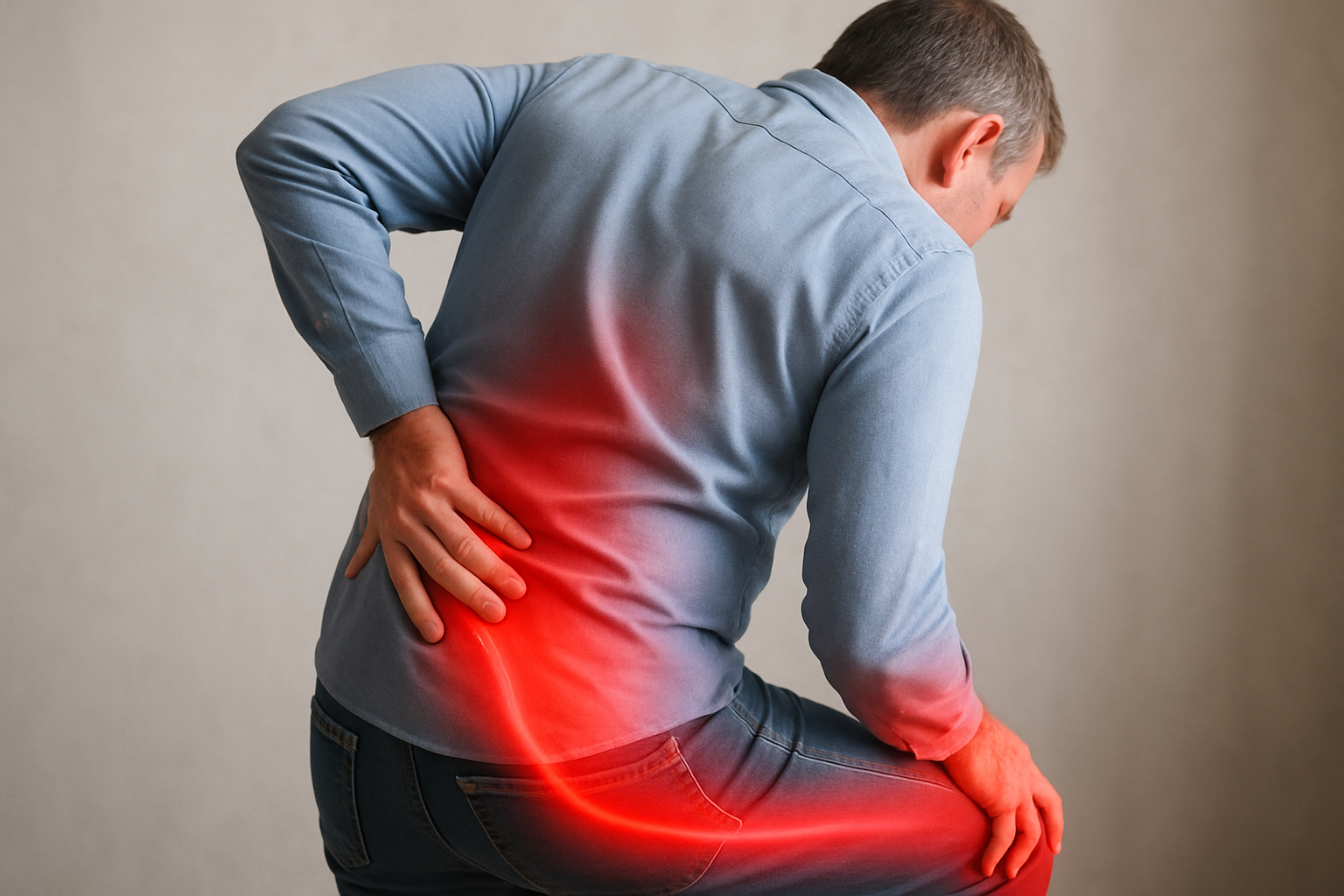
For many people, back pain changes how the body holds itself up, bends, turns, and handles weight through the day.
When the muscles around the spine are not doing their job well, or when pain causes the body to guard and move differently, the back can start to feel less steady. Small tasks begin to take more effort. A short walk feels longer. Standing at the counter gets tiring. Recovery after a busy day takes longer than it used to.
Common Signs That The Spine Needs Support
Back pain shows up in different ways, but some patterns point to a stability problem.
Common signs include:
- Pain that returns with standing or walking
- Stiffness after sitting for long periods
- Back fatigue during normal chores
- Pain with bending, lifting, or turning
- A feeling that the back is weak or easily irritated
- Repeated flare-ups after simple activity
Some people also start changing how they move without realizing it. They brace before standing up. They avoid twisting. They move more slowly getting out of the car or reaching into lower cabinets. Those changes can protect the body in the short term, but over time they may keep the back from working well.
What Orthopedic Care Helps Clarify
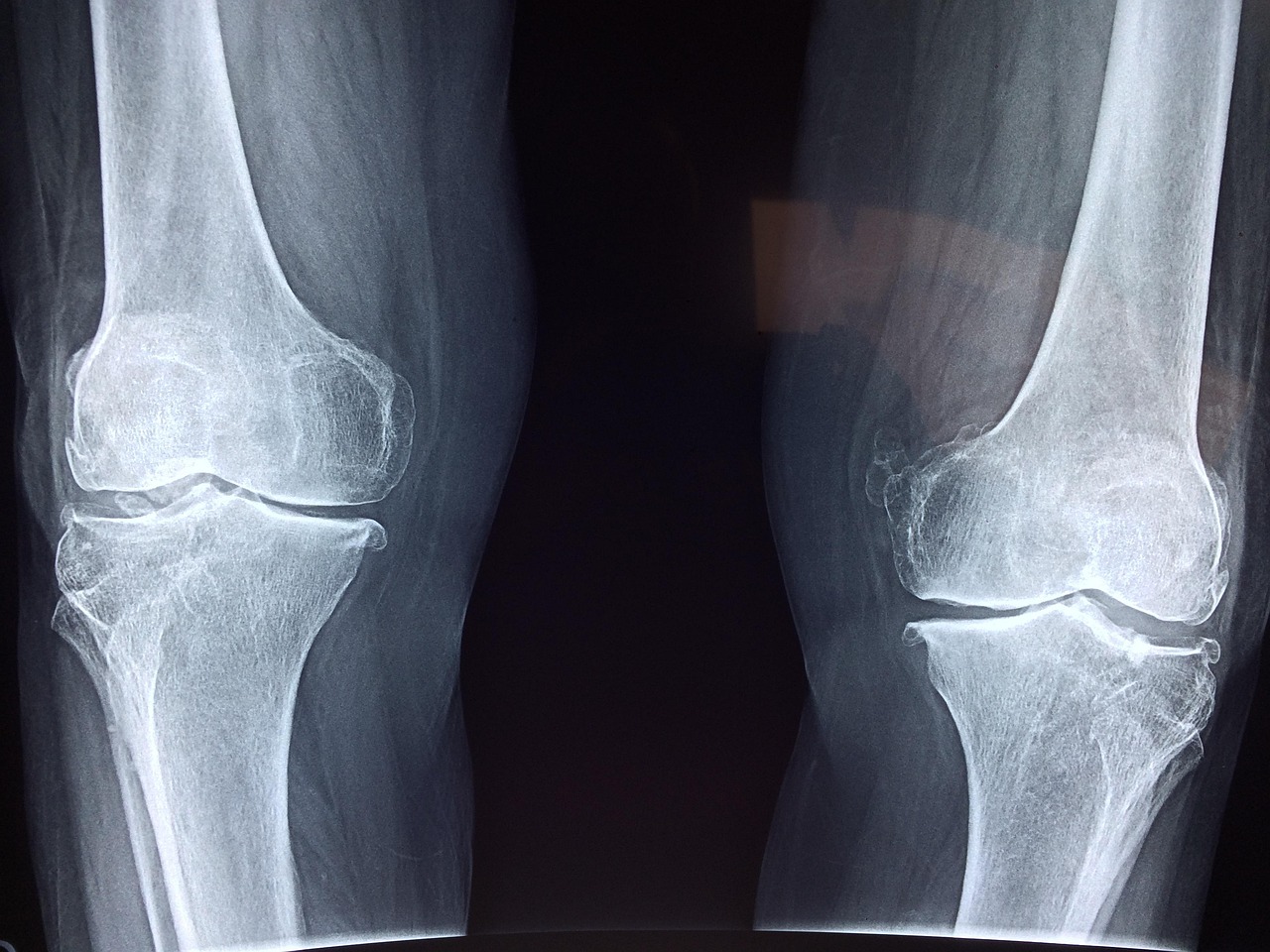
Some pain comes from joint irritation. Some comes from muscle strain. Some is tied to weakness through the core and hips. Some involve changes in the spine that make movement less comfortable. Without a proper exam, those problems can feel very similar.
That is where orthopedic care helps. At Modern Medicine of Sun Lakes, AZ, we look at how the pain behaves, what movements bring it on, and how the spine is functioning during normal activity. We also look at nearby areas that often affect the back, including the hips, core, and walking pattern.
Treatment Options That May Help
Treatment depends on the cause of the pain and how much it is affecting daily life. Many patients improve with non-surgical care.
A plan may include physical therapy, core and hip strengthening, mobility work, guided activity modifications, anti-inflammatory treatment, or other orthopedic recommendations based on the exam. The goal is not only to reduce pain. The goal is to help the spine handle daily movement with better support and less strain.
For some patients, progress starts with simple changes. Standing feels easier. Walking lasts longer before pain starts. Getting through chores takes less effort. Those gains matter because they are signs that the spine is becoming more dependable again.
Why Early Care Matters
Back pain can settle into a pattern if it goes on too long without proper treatment. People move less, muscles weaken, and flare-ups become easier to trigger. That cycle can make a manageable problem feel much bigger than it started.
At Modern Medicine of Sun Lakes, AZ, we help patients get clear answers and a treatment plan built around real daily function. If back pain has started affecting your spine stability, mobility, or confidence with movement, it may be time to get it checked.