 Common Signs You Need Stability Work
Some people think they need to wait for a major injury. Most do not. Small warning signs often show up first, then grow into bigger limits. You may feel your knee drift inward when you stand up. You may grab furniture when you turn quickly. A therapist looks for the cause, not just the symptom, then builds a plan that helps you move with more control.
What Your First Visit Usually Includes
Your first visit starts with a close look at how you move. The therapist checks strength in key muscle groups, like hips, glutes, and calves. They watch how you squat, step, and balance on one leg. They ask about your work demands and your normal workouts. Then they choose a few starter exercises that you can repeat at home with good form.
How Therapists Rebuild Strength Without Flaring Pain
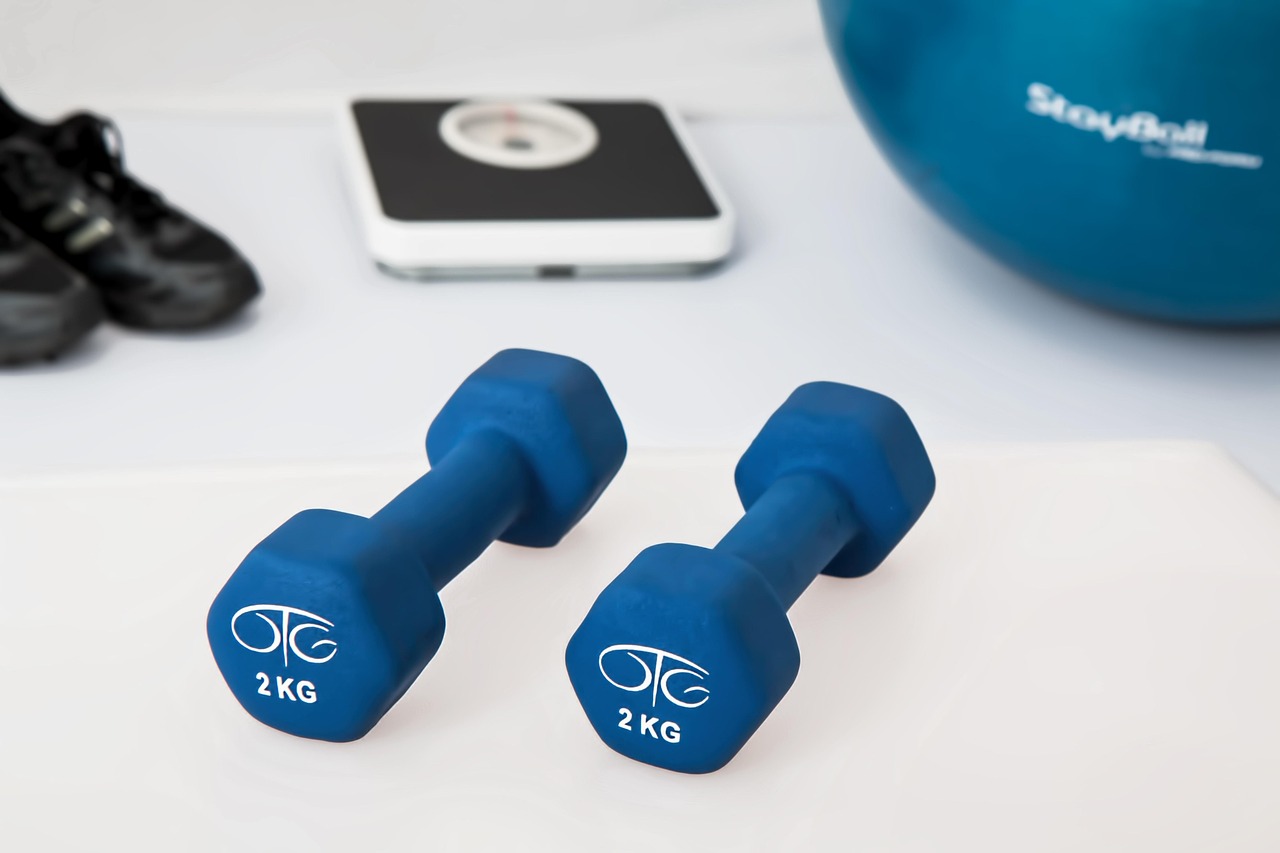
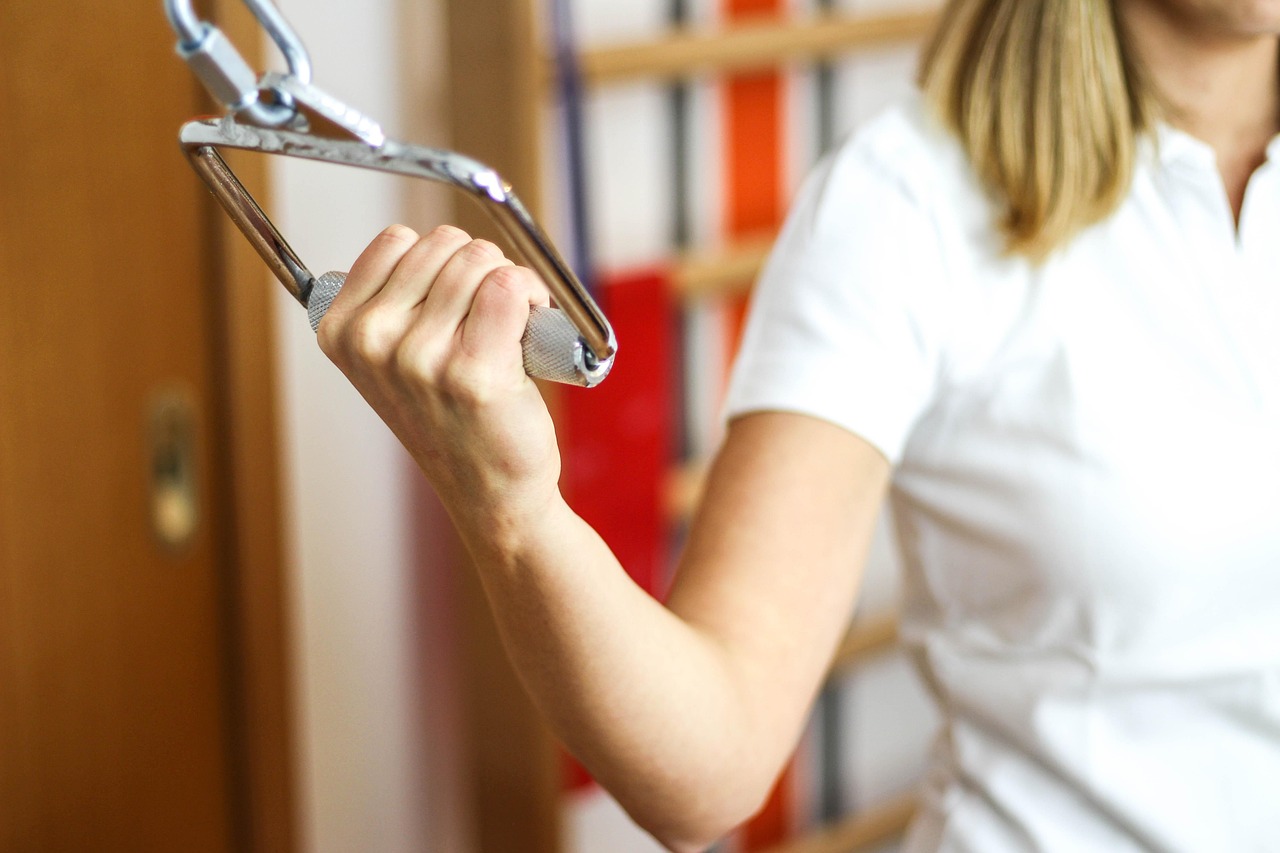
A good plan builds strength while keeping symptoms calm. The therapist picks loads and positions that feel safe, then increases the challenge in small steps. You might start with a supported split squat near a counter. You might do hip hinges with a light kettlebell. As control improves, you add range, speed, or resistance. Each session has a clear goal, so your body adapts without getting overwhelmed.
Stability Training That Carries Into Daily Tasks
Balance work should match real life, not just the clinic floor. Therapists often train the movements that cause trouble at home and at work. They practice safe pivots, controlled steps, and stable reaches. They also coach breathing and bracing during lifts. These changes matter when you pick up groceries, step off a curb, or carry a laundry basket across the house.
Conditions That Often Improve With Strength And Stability Care
Strength and stability training helps with many problems that do not feel like “balance” issues at first. It can reduce joint stress and improve movement quality. It can also lower the risk of repeat injuries when you return to sport or long work shifts.
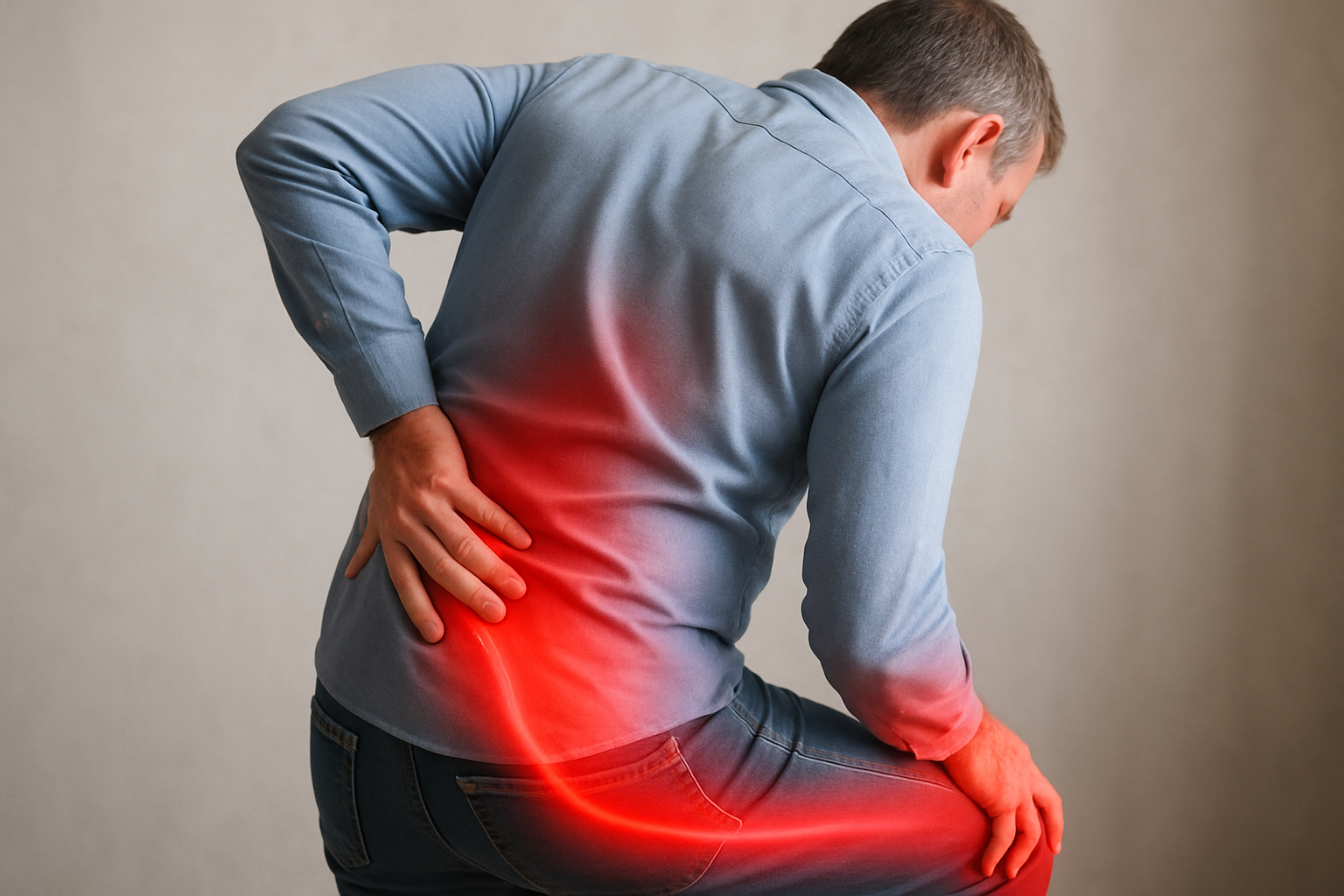
- Low back pain linked to weak hips
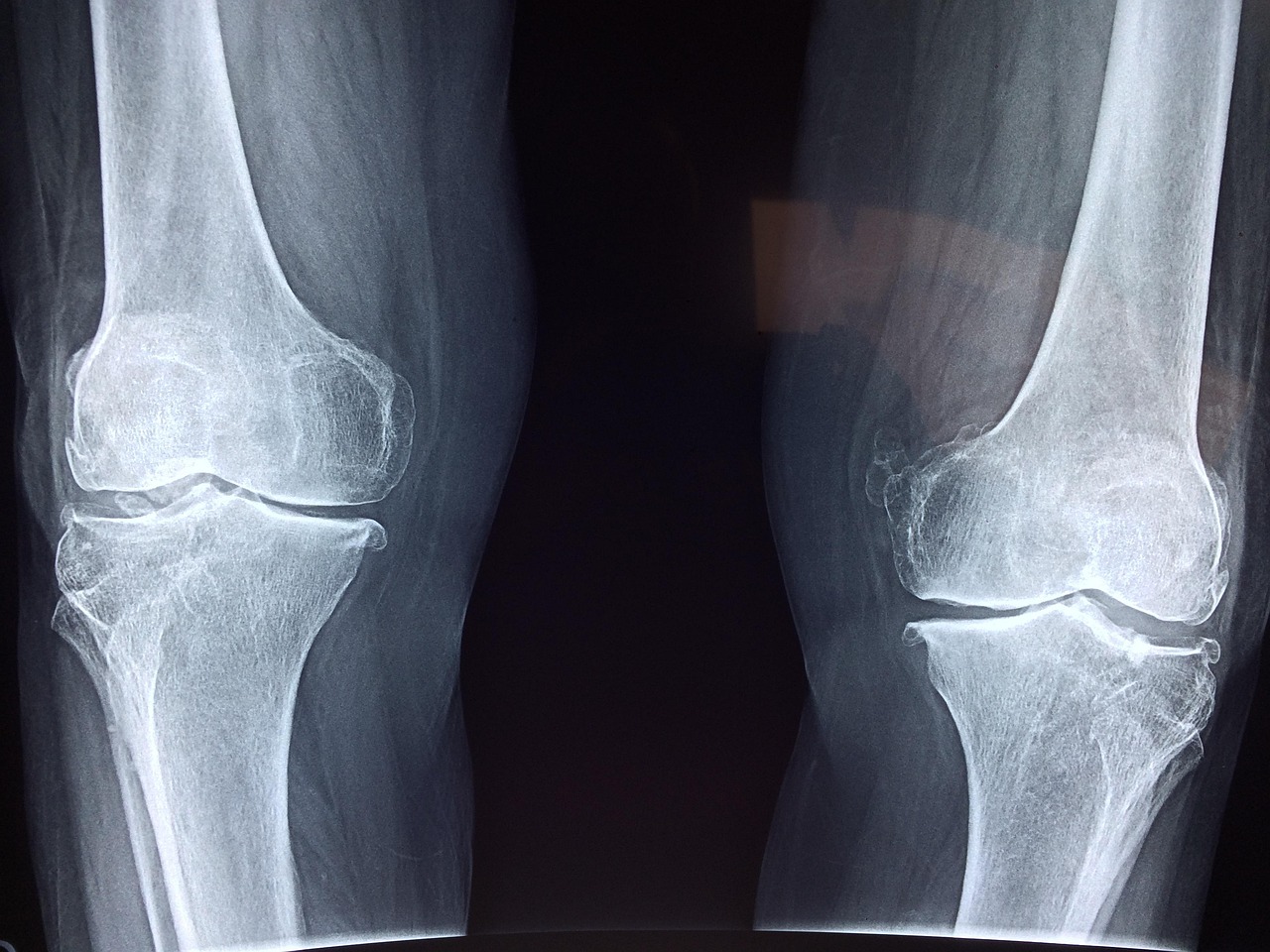
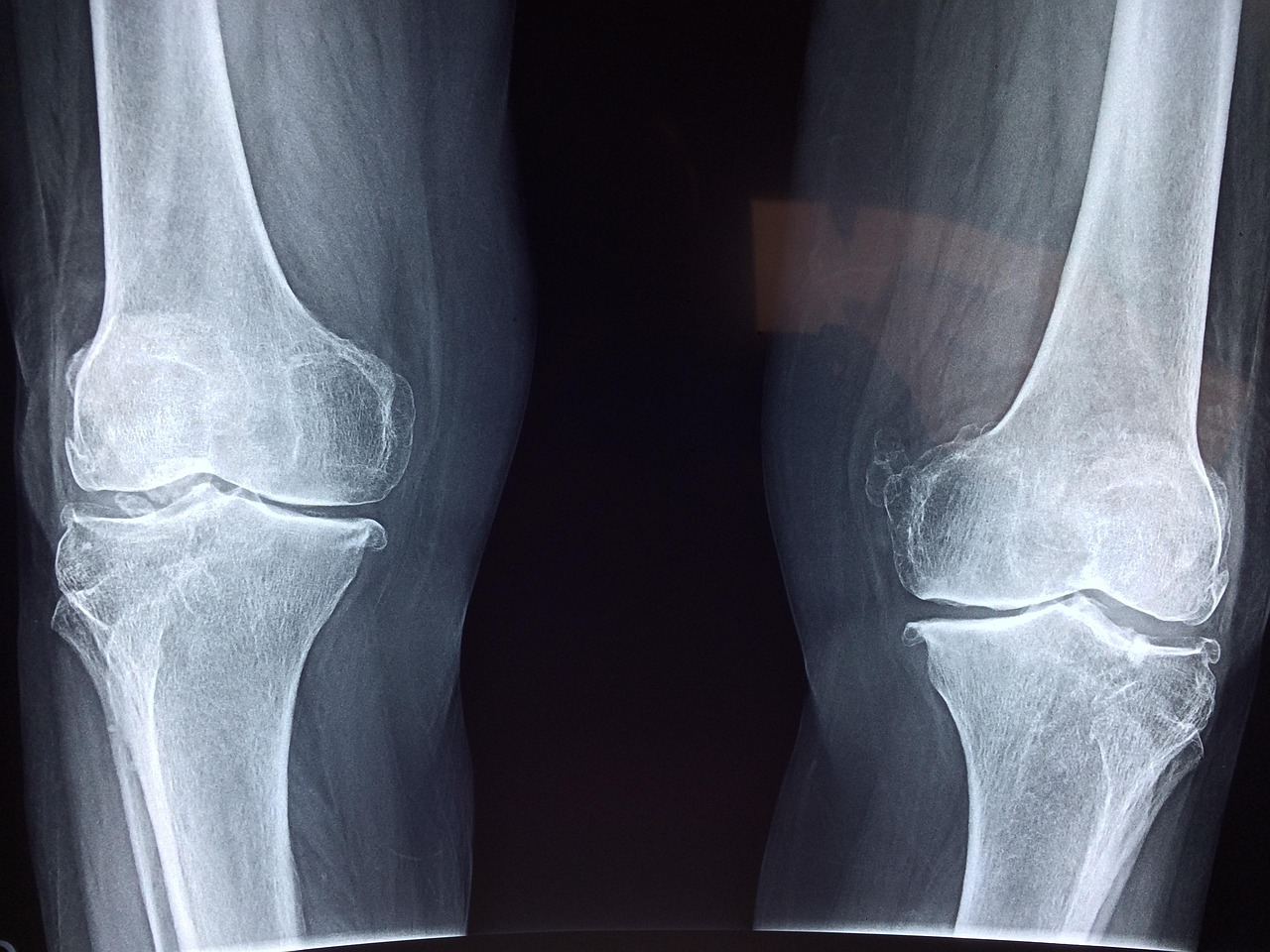
- Knee pain during stairs or squats
- Ankle sprains that keep coming back
- Hip pain from poor control in walking
- Shoulder pain from weak upper back support
- Falls risk or near falls during turns
How Long It Takes To Feel More Steady
Many people notice early changes in two to four weeks. You may stand longer without shifting your weight. You may walk with fewer stops. Bigger strength gains take longer, often six to ten weeks, since muscles need repeated effort. Your therapist tracks progress with simple tests, like step downs, balance time, or load tolerance, so you can see the change in real numbers.
What If You Feel Fine But Still Feel Unsteady?
Yes, and it is common because stability issues can show up before pain does. Therapy still helps by fixing weak links early, then teaching safer movement patterns that protect joints.
Care From Modern Physical Therapy & Sports Medicine Of Sun Lakes
Modern Physical Therapy & Sports Medicine of Sun Lakes helps Ocotillo patients build strength that supports daily movement. If stability limits are shaping your week, a physical therapy visit can help you move with control again.