 Why Youth Athletes Recover Differently
Kids and teens often feel better before they’re actually ready. Pain fades fast. Energy comes back fast. Coaches want them back. Then they sprint, cut, or jump, and the same ankle or knee flares again. Growth plays a role, too. Bones can grow faster than muscles, and tendons adapt. That can leave athletes tight in the hips or calves, weak in the hips or core, and a little clumsy even if they’ve played for years. Sports medicine tries to catch that gap early so “back to practice” doesn’t turn into “back to pain.”
Where We See Injuries Most Often
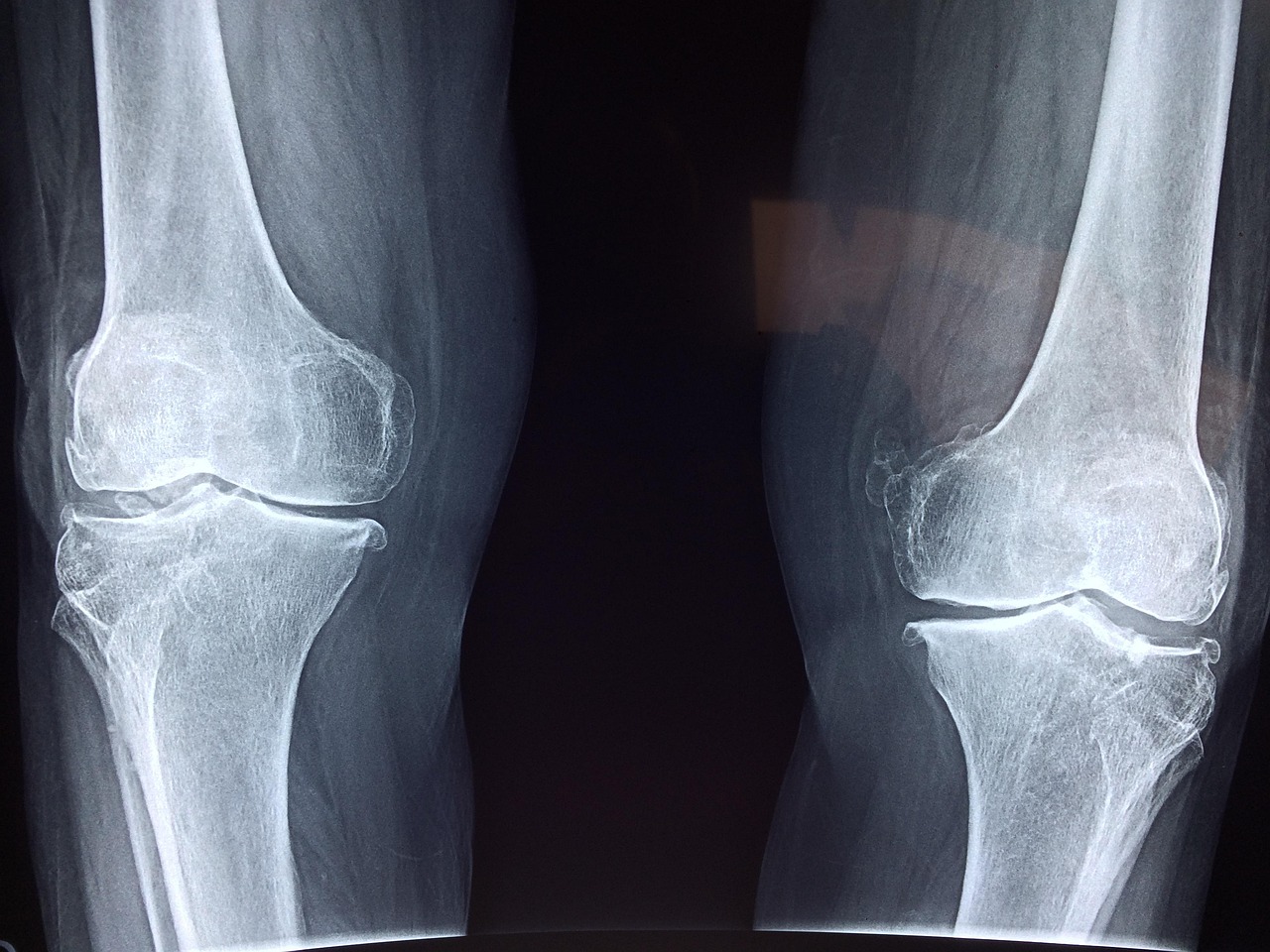
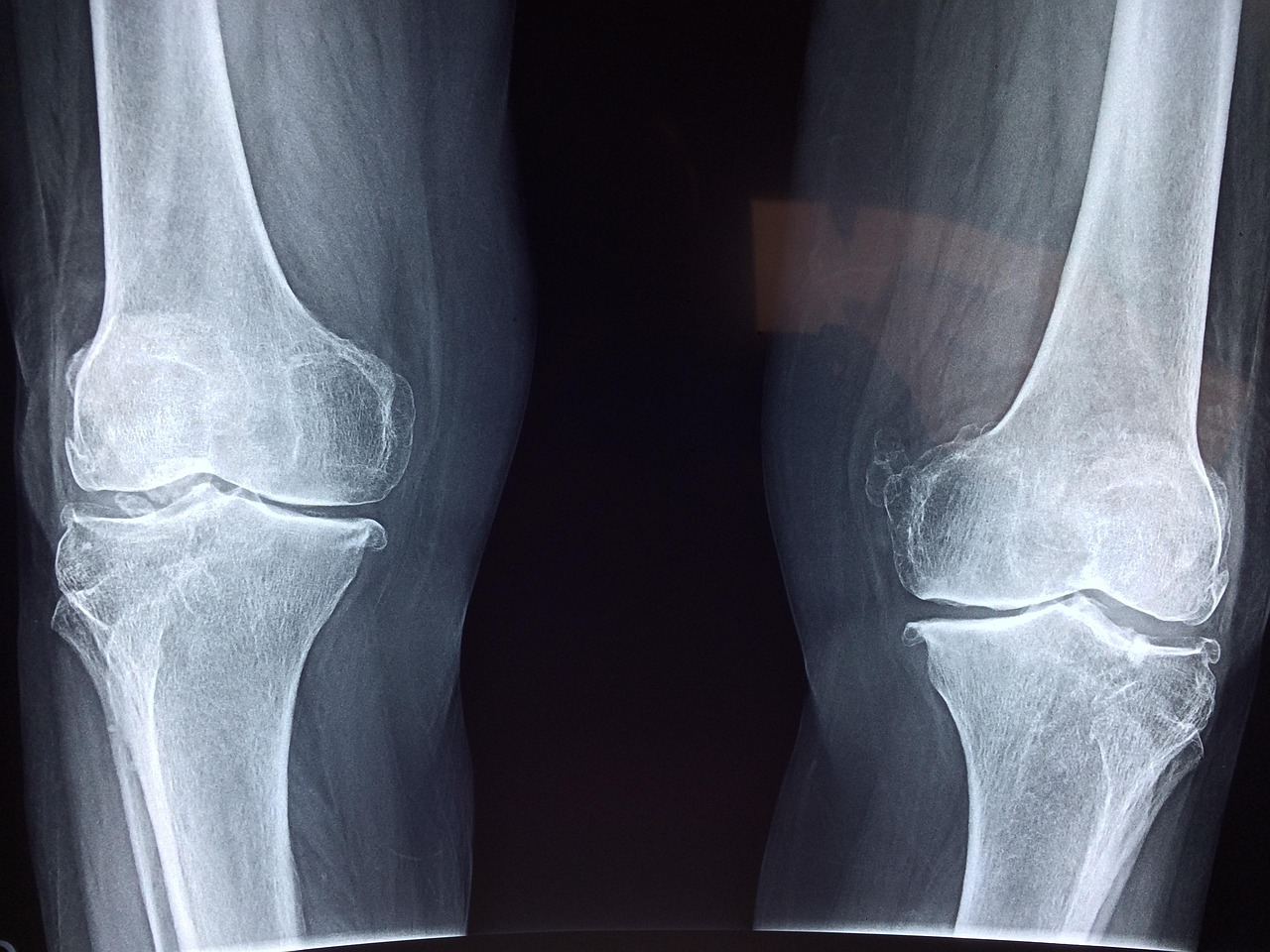
The injury spots depend on the sport, but the patterns repeat. We see a lot of problems where young athletes land, twist, and change direction, and where throwing volume ramps up quickly. Common areas include:
- Ankles: sprains, repeated rolling, lingering instability
- Knees: pain with running and jumping, pain around the kneecap
- Hips and groin: tightness, strains, pinching with cutting
- Shoulders: soreness with throwing, pain with overhead motion
- Shins: pain after sudden increases in running or training
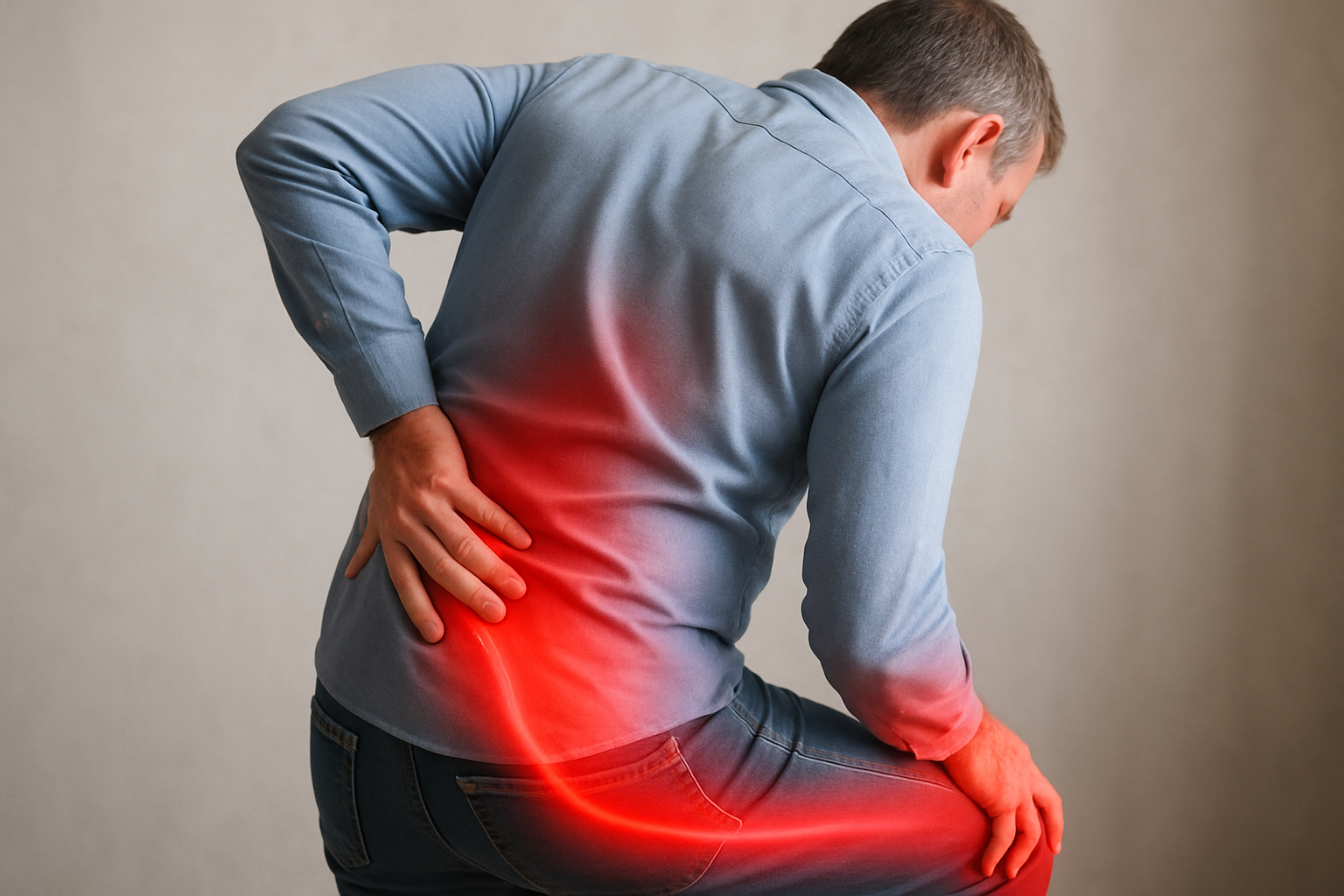
- Lower back: tightness and pain tied to weak core control
What “Safe Recovery” Means in a Clinic
Safe recovery is more than “it doesn’t hurt today.” We look for motion that’s back to normal, strength that matches the other side, and control that holds up when the athlete gets tired. A teen can pass a quick test early in the day and still fall apart late in practice when fatigue hits. That’s when knees collapse, ankles roll, and shoulders get overloaded. Sports medicine care aims for consistency, not a one-time good moment.
What Sports Medicine PT Works On First
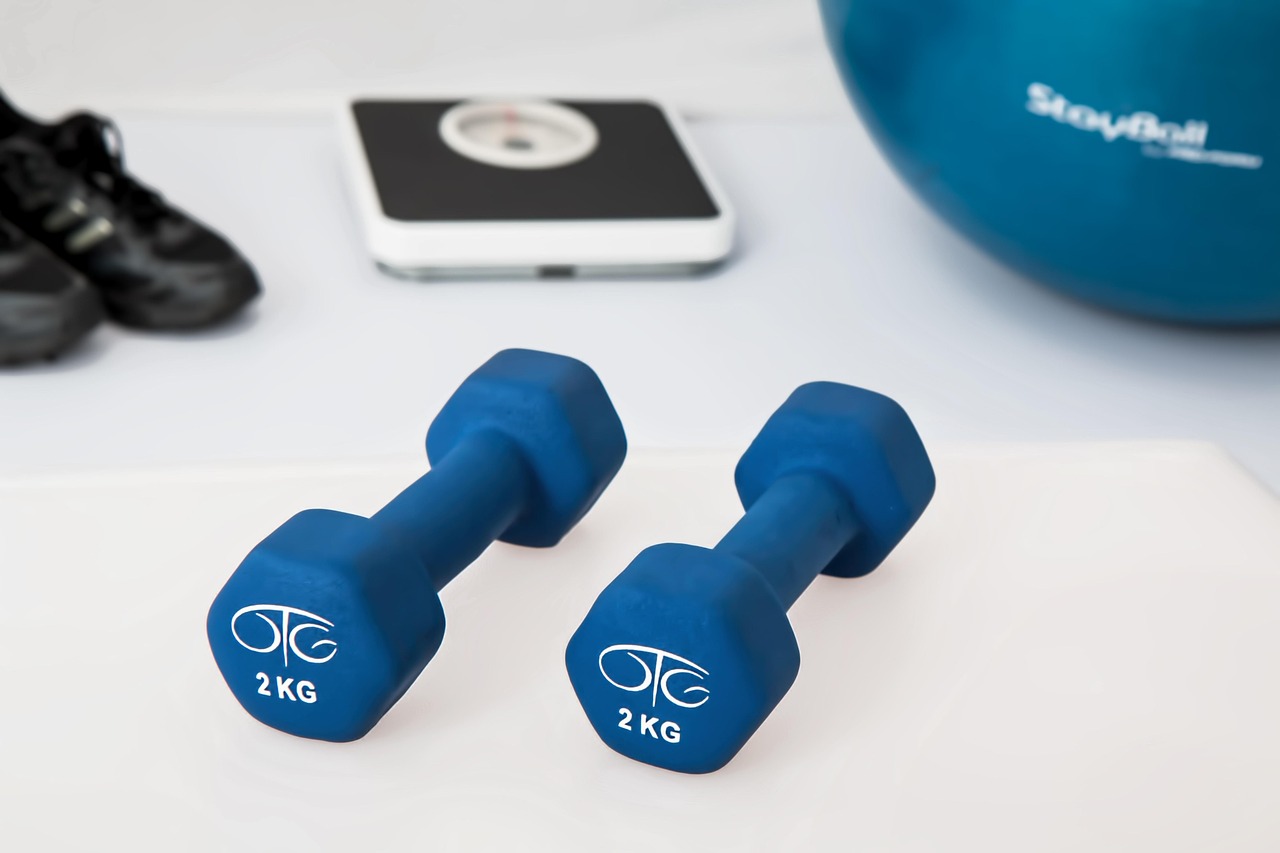
Early on, we focus on what blocks progress. Swelling, stiffness, and guarded movement can keep an athlete stuck. Once the joint moves better, we shift quickly into strength and stability. We work on landing mechanics, single-leg control, balance, and deceleration, because those are the moments where injuries repeat. We also watch form. If a knee caves in or the trunk collapses during movement, that tells us what needs to improve before the athlete returns to full speed.
How Return To Sport Is Built
Return to sport should be earned in steps. We start with basic movement quality and strength. Then we add speed, direction changes, jumping, and sport-specific drills. After that, we test how the athlete holds up under fatigue, because that’s the real game situation. A pitcher needs a different plan than a soccer player. A swimmer needs different loading than a basketball player. The plan should match the sport, not a generic timeline.
What Parents Can Watch For At Home
Parents usually spot the warning signs before anyone else. Here are common red flags that tell us the athlete isn’t ready yet:
- Limping or favoring one side, even slightly
- Pain that returns after practice or the next morning
- Swelling that shows up after activity
- Hesitation on one leg during stairs, hopping, or quick turns
- Needing tape or a brace just to feel stable
- New aches are popping up because the body is compensating
Call us today to book an appointment for your young athlete's recovery.