 What Does Degenerative Joint Pain Usually Feel Like?
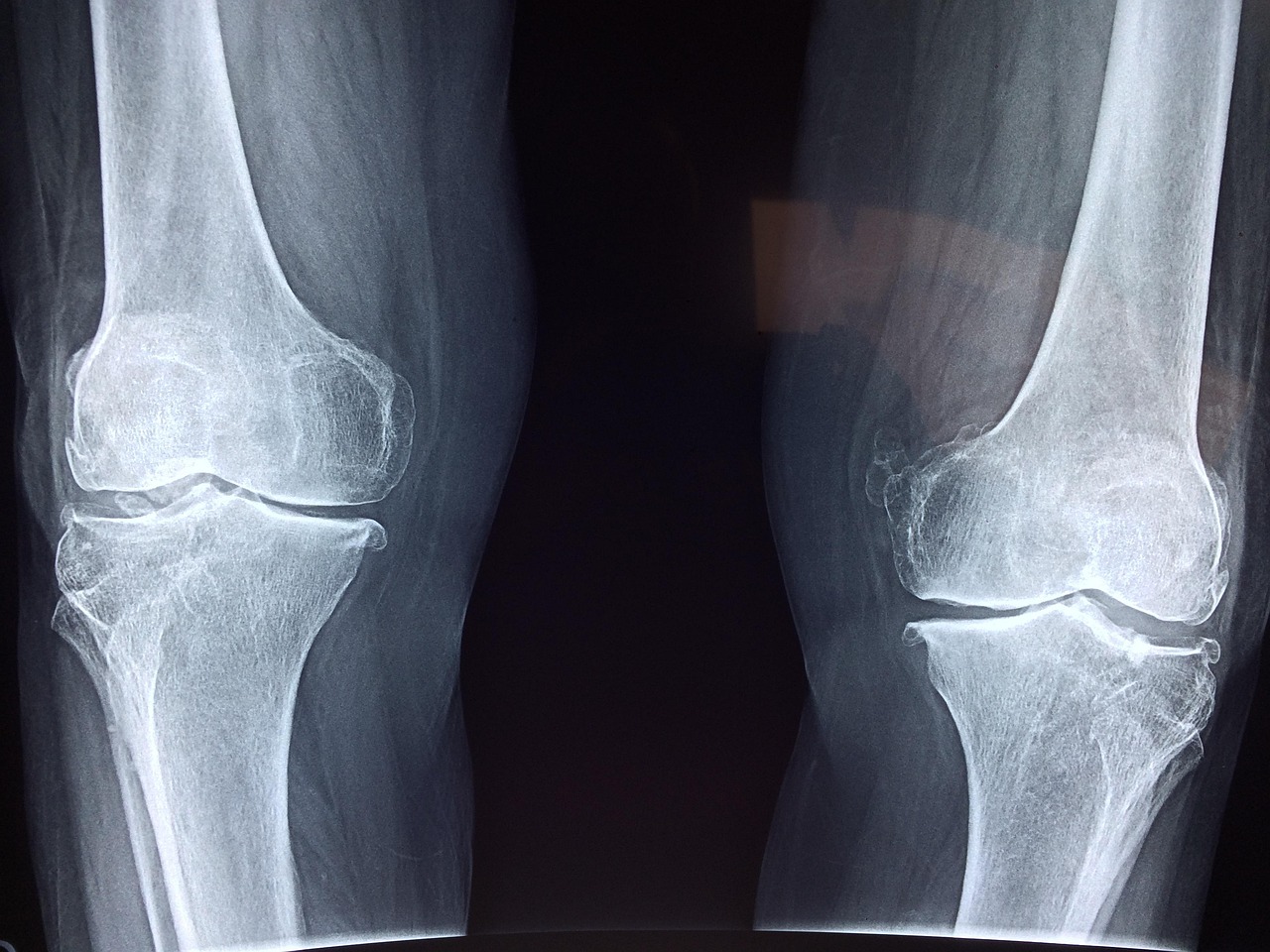
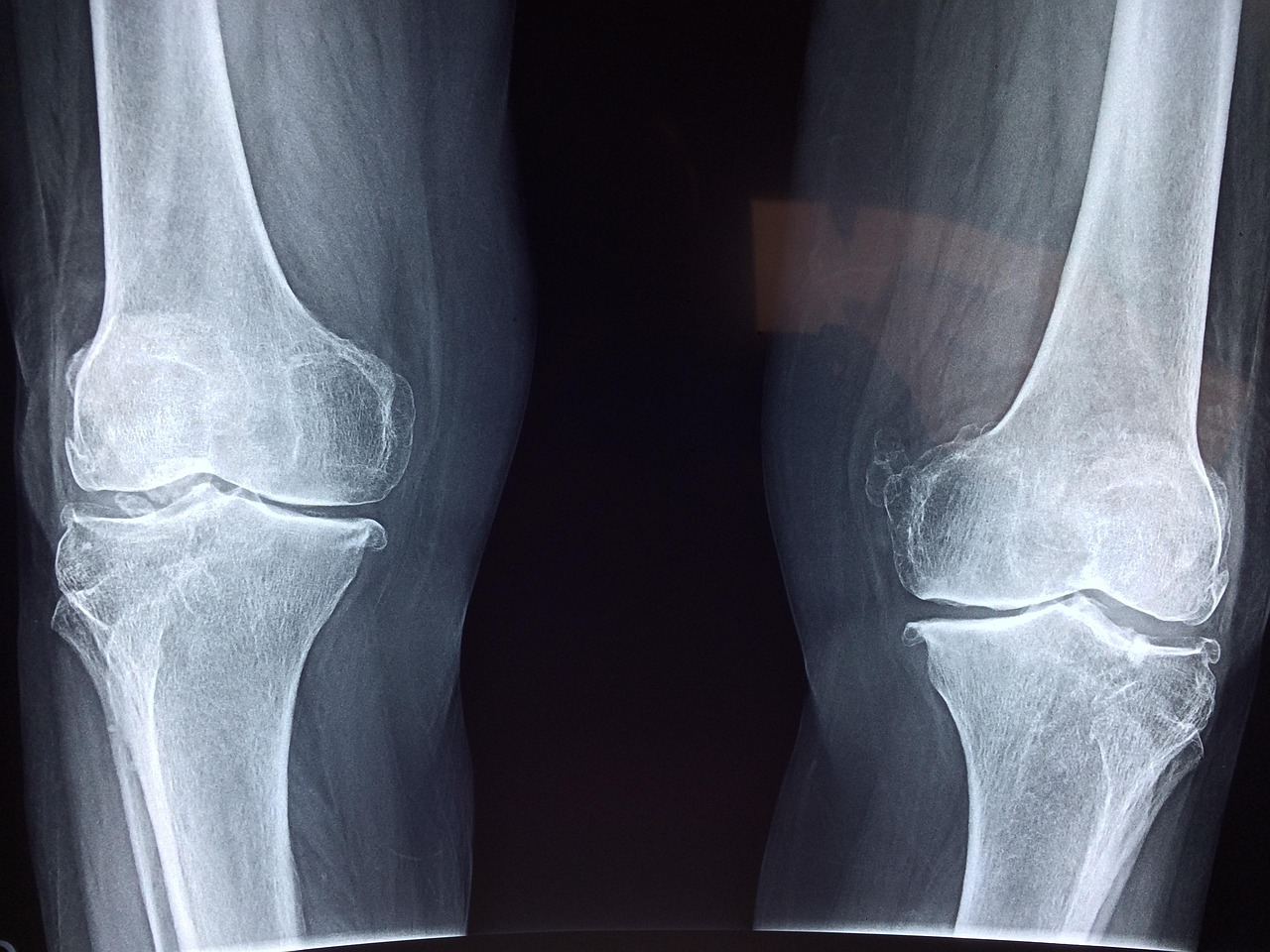
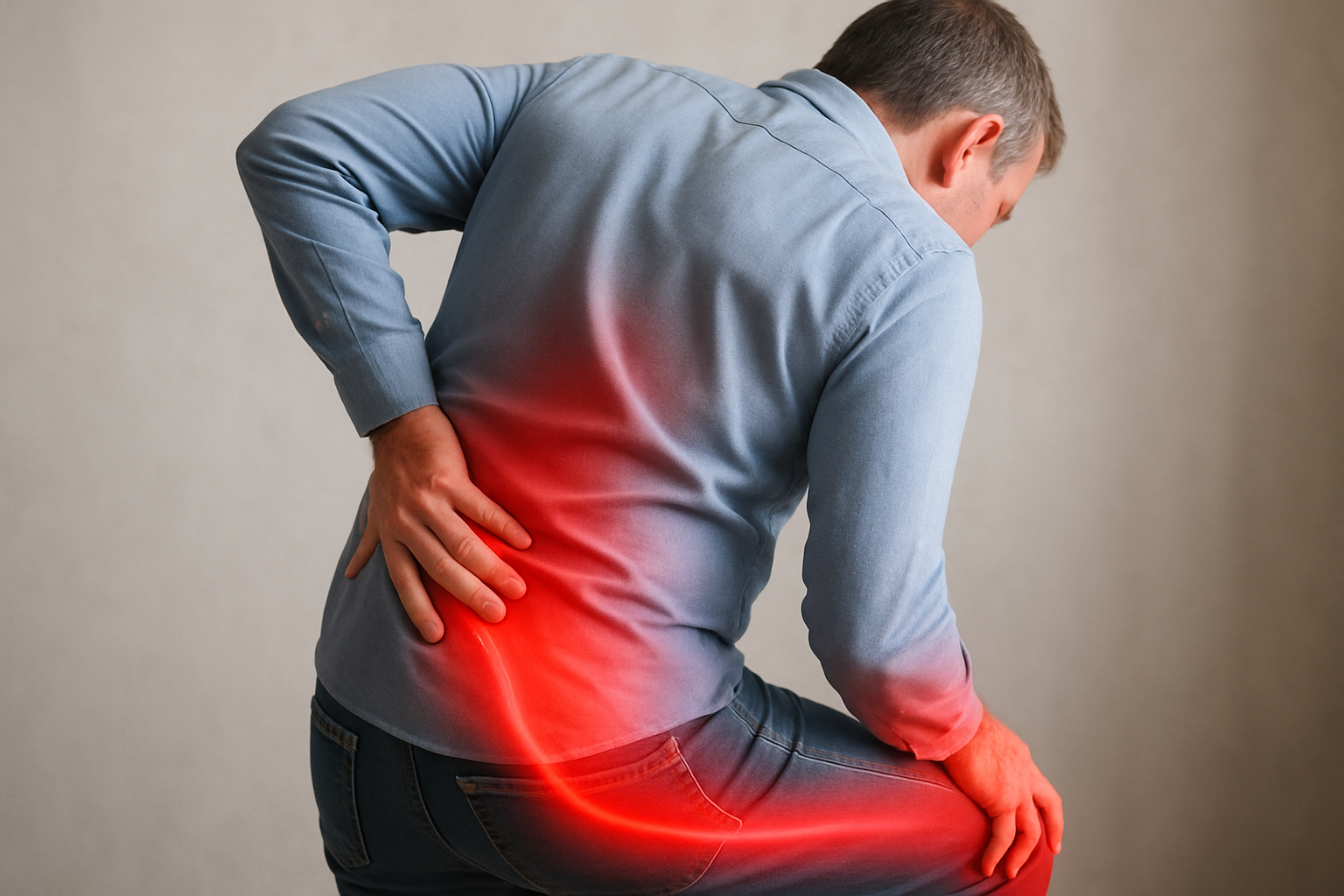
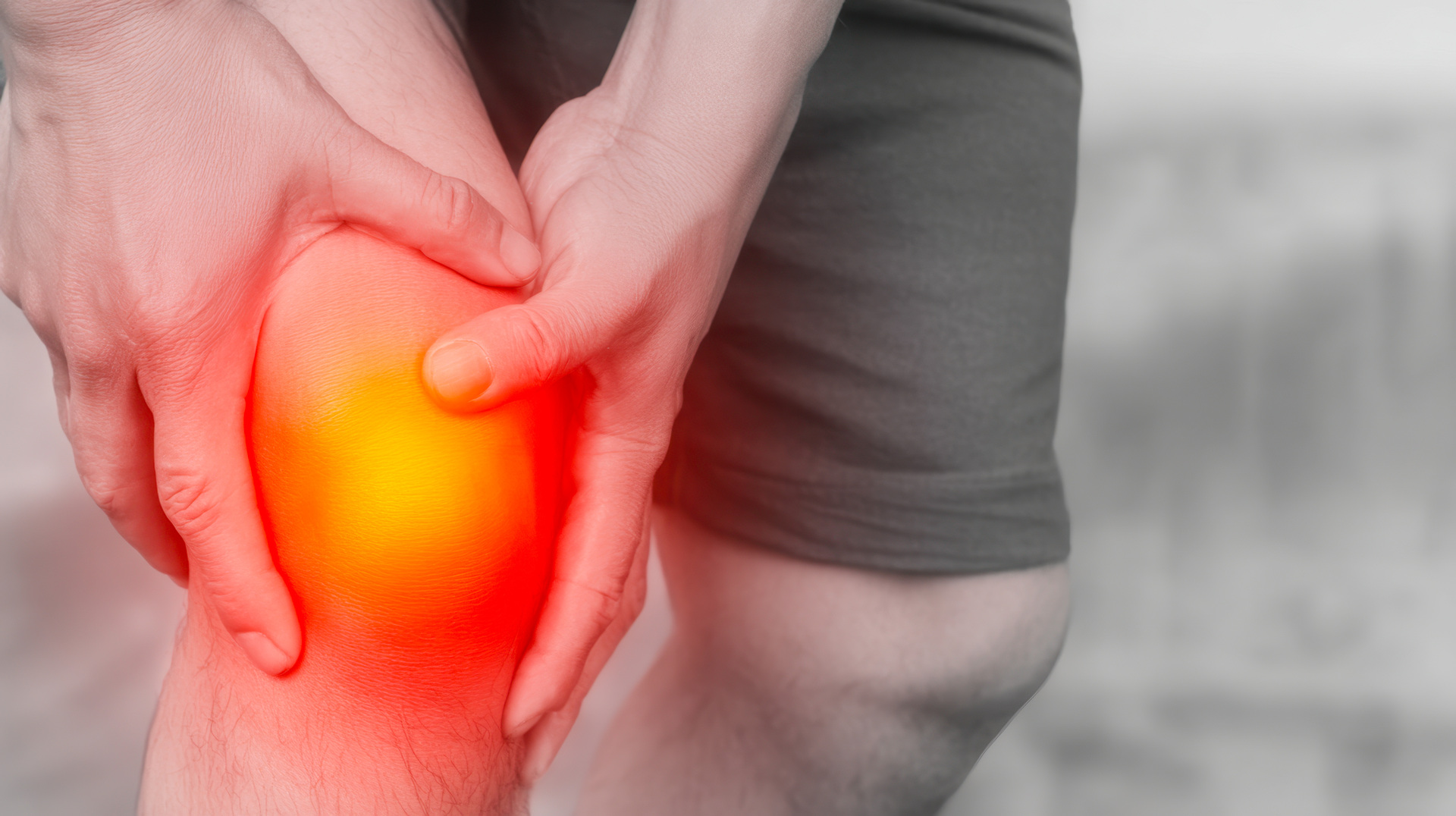
Most people don’t come in using medical terms. They say things like, “I’m stiff when I stand up,” or “It takes a bit to get going.” The first steps out of bed can feel rough, then the joint eases once you move around. Later, it may ache after a trip to the grocery store, a walk around the neighborhood, or standing at the counter making dinner. Some people notice swelling that comes and goes. Others notice a grinding feeling or clicking. Knees and hips are common, but shoulders can be just as annoying, especially when you reach for a shelf or try to sleep on that side. And the mood swings are real. You’ll have a week where it behaves, then a flare pops up, and suddenly you start planning your whole day around the joint.
What Should A Good Orthopedic Clinic Do First?
You want more than a quick look and a quick label. The first visit should feel like someone is trying to understand your situation, not rush you out the door. That means asking what daily tasks bother you and when it tends to flare. It also means a hands-on exam. They should check the range of motion and strength, but they should also watch how you move. How do you stand up from a chair? How do you walk? What happens on stairs? A lot of “joint pain” is really a movement problem where the joint is taking too much load because nearby muscles aren’t doing their job. If nobody watches you move, that piece gets missed.
What Are the Signs You’re In The Right Place?
Degenerative pain usually needs steady care, not a one-time visit. These are signs you’re in a clinic that takes it seriously:
- Do they explain what they think is happening in plain language?
- Do they give you a plan, not just a vague “take it easy”?
- Do they talk through non-surgical options first when they fit your case?
- Do they focus on what you can do and what you want to get back to?
- Do they track progress and adjust when something isn’t helping?
- Do they help you stay active safely instead of telling you to stop everything?
How Can PT And Sports Medicine Help Degenerative Joint Pain?
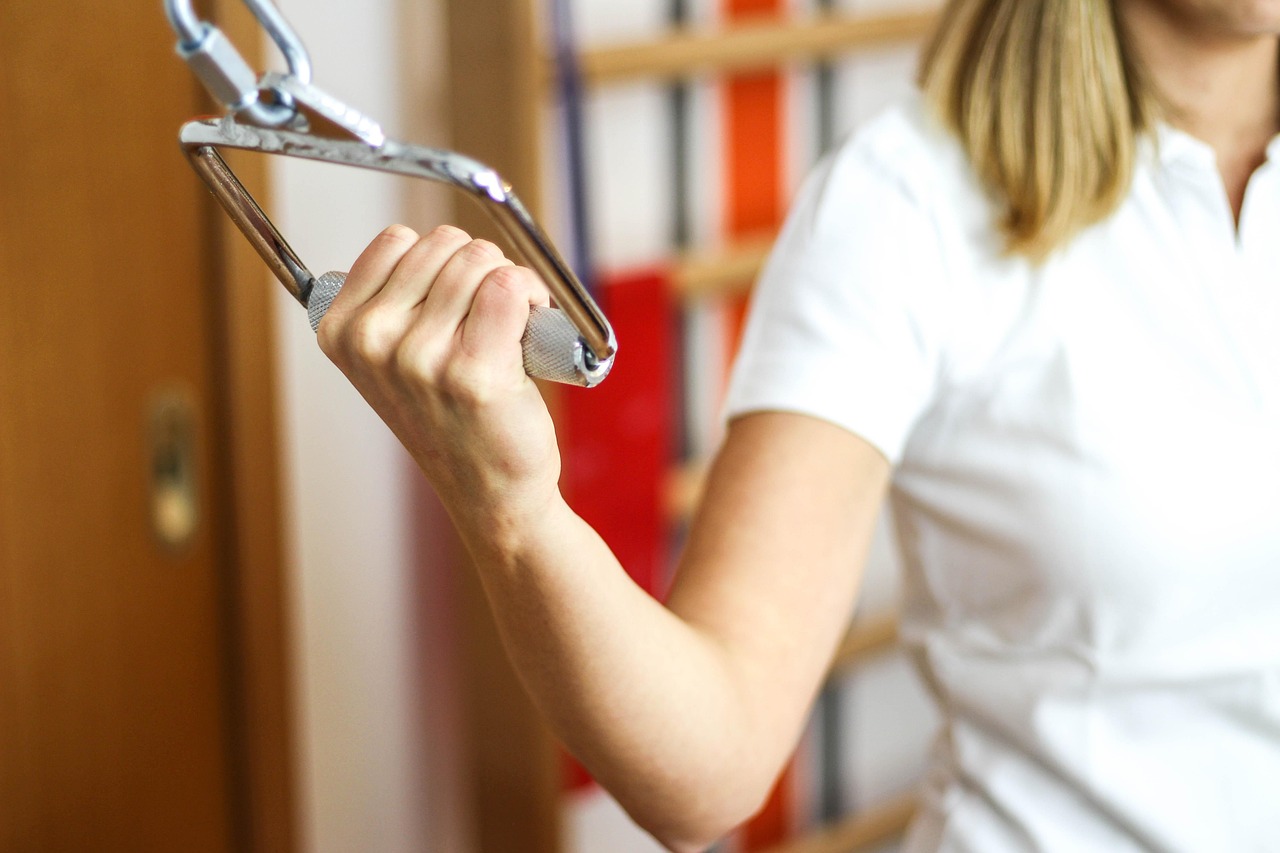
A lot of people hear “degenerative” and think it means nothing can improve. That’s not how it plays out for many patients. Joints usually feel better when the load going through them is more balanced. PT helps by building strength around the joint, improving usable motion, and cleaning up the movement patterns that keep poking the same painful spot. Sports medicine can also help manage flare-ups so you can keep moving while you build tolerance.
If joint pain has been slowly shrinking, what you can do is get a clearer plan. Schedule an evaluation with Modern Physical Therapy & Sports Medicine of Sun Lakes, AZ and we’ll help you sort out next steps that support long-term movement.