Shoulders get irritated easily because they do a lot of jobs. Reaching, lifting, pushing doors, pulling laundry, and even sleeping on one side can set things off. Many patients come in after weeks or months of “trying to be careful,” and the shoulder still hurts. Surgery gets mentioned when pain sticks around, when you lose strength, or when daily tasks start feeling impossible. The tricky part is that many shoulder problems improve with the right plan before surgery is even on the table.
Common Problems That Can Be Improved Without Surgery
A shoulder can hurt for more than one reason. These are common issues we often treat with good results:
- Rotator cuff irritation or tendinopathy that flares with reaching and lifting
- Shoulder impingement symptoms that show up with overhead motion
- Bursitis-type pain that ramps up after activity or certain sleeping positions
- Frozen shoulder stiffness, especially early, when motion is shrinking
- Shoulder blade control problems that overload the front of the shoulder
- Overuse pain from work, yard projects, or gym volume that jumped too fast
What Sports Medicine Looks At Before Anyone Talks Surgery
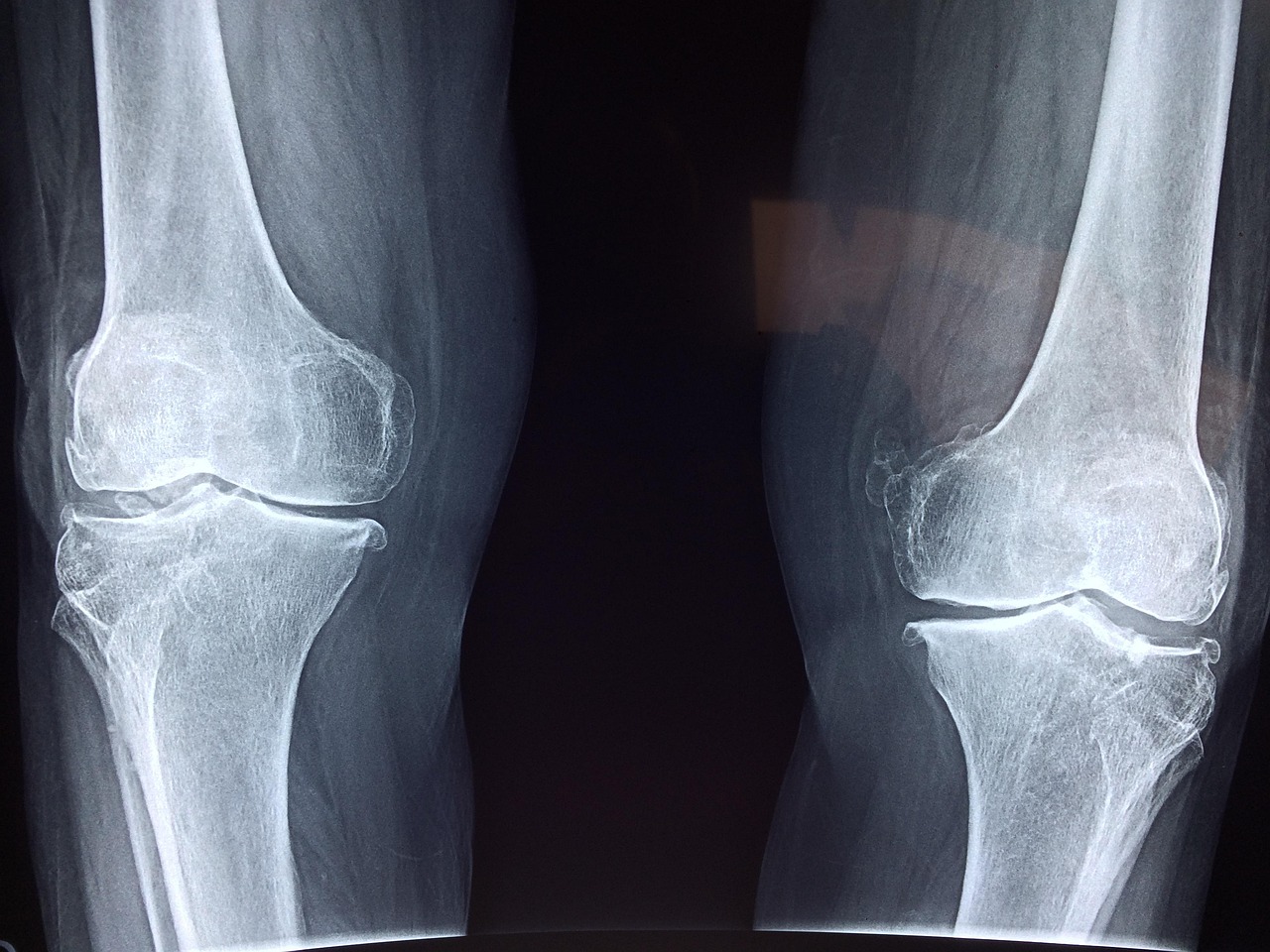
A good shoulder plan starts with a clear exam. We look at how you move your arm, where motion gets limited, and what positions trigger symptoms. We check strength, but we also check control. Many shoulders hurt because the shoulder blade is not doing its job, or the upper back stays stiff and forces the shoulder to pinch. We also ask about your day. Driving, desk work, lifting at work, golf, pickleball, and sleep positions all matter. If imaging is needed, it should support the plan, not replace it.
Physical Therapy As The Main “Avoid Surgery” Treatment
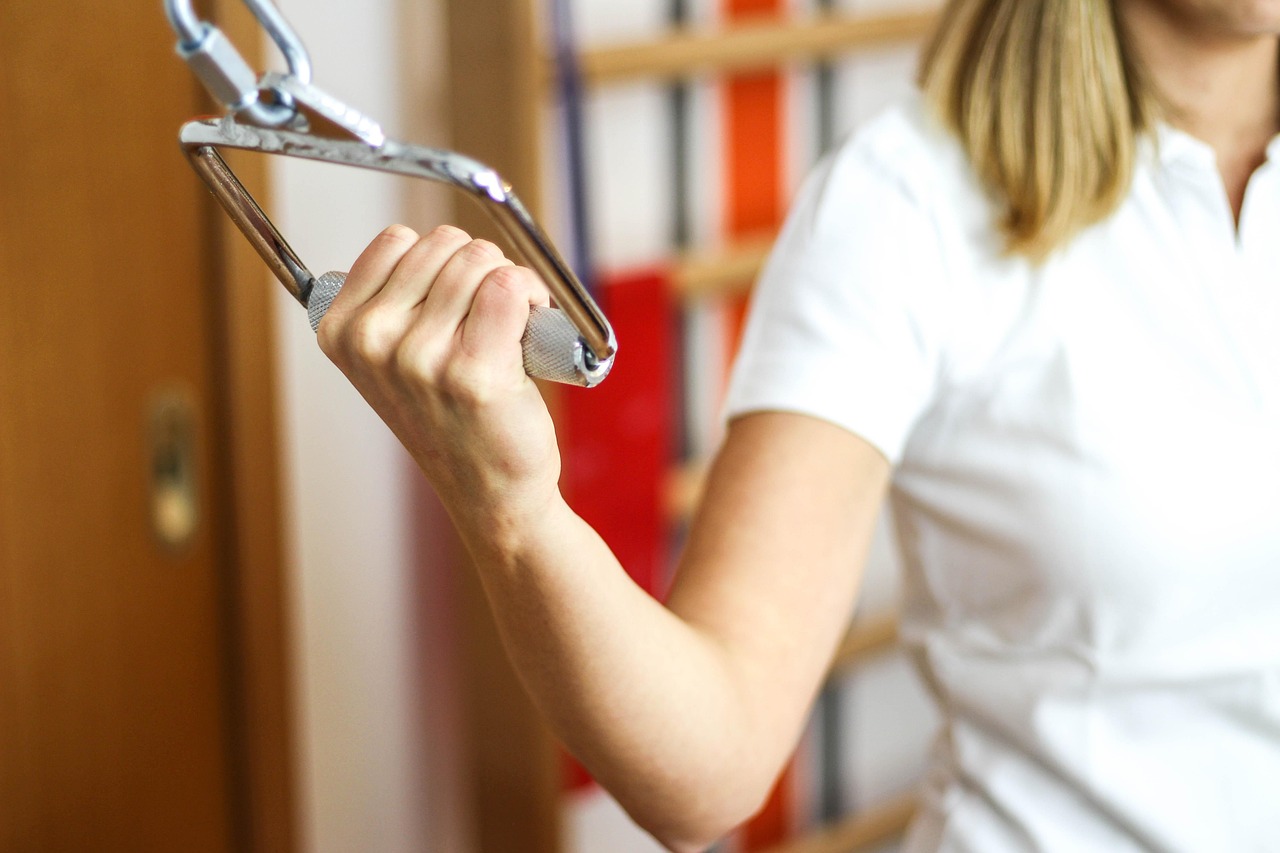
PT is usually the first step because it addresses the problems that keep a shoulder painful: weakness, stiffness, poor mechanics, and poor tolerance to load. Treatment often starts with reducing irritation and restoring a comfortable range of motion. Then we build strength in the rotator cuff and the muscles that control the shoulder blade. We also coach how you reach, lift, and carry so you stop re-irritating the same tissue. The goal is not to baby the shoulder forever. The goal is to get it back to handling normal life without a flare every time you do something simple.
Sports Medicine Treatments That Can Support PT
Some people need more than exercise alone at the start, especially when pain blocks sleep or basic motion. Sports medicine can add tools that make rehab easier while you work on the real fix. Options vary by your exam findings, but common supports include:
- Activity and load changes so the shoulder can calm down while you stay active
- Hands-on treatment to reduce guarding and improve motion tolerance
- Targeted strengthening progressions for rotator cuff and shoulder blade support
- Mobility work for the shoulder joint and upper back when stiffness drives pinching
- Return-to-activity planning for work tasks, gym training, or sports like golf
- Injections in select cases to reduce pain enough to participate in PT consistently
Schedule A Shoulder Session at Our Sun Lakes Clinic
If shoulder pain is messing with sleep, work, or reaching overhead, don’t assume surgery is the next step. Call Modern Physical Therapy & Sports Medicine of Sun Lakes, AZ, to schedule an evaluation and get a clear plan built around non-surgical recovery first.