 Joint and muscle pain usually does not announce itself. It shows up quietly. A shoulder that feels sore after yard work. A hip that feels stiff first thing in the morning. An ache that eases, then returns a few days later. Most people work around it and keep moving. Over time, those workarounds start to shape how the body moves.
When Pain Starts Piling Up
Ongoing pain often comes from repeated stress, not one clear injury. Muscles tighten to protect sore joints. Strength fades where support is needed most. Movement becomes uneven without people noticing. That imbalance adds more strain and keeps pain active. Many patients describe a loop of flare-ups followed by brief relief that never lasts.
What Patients Usually Notice
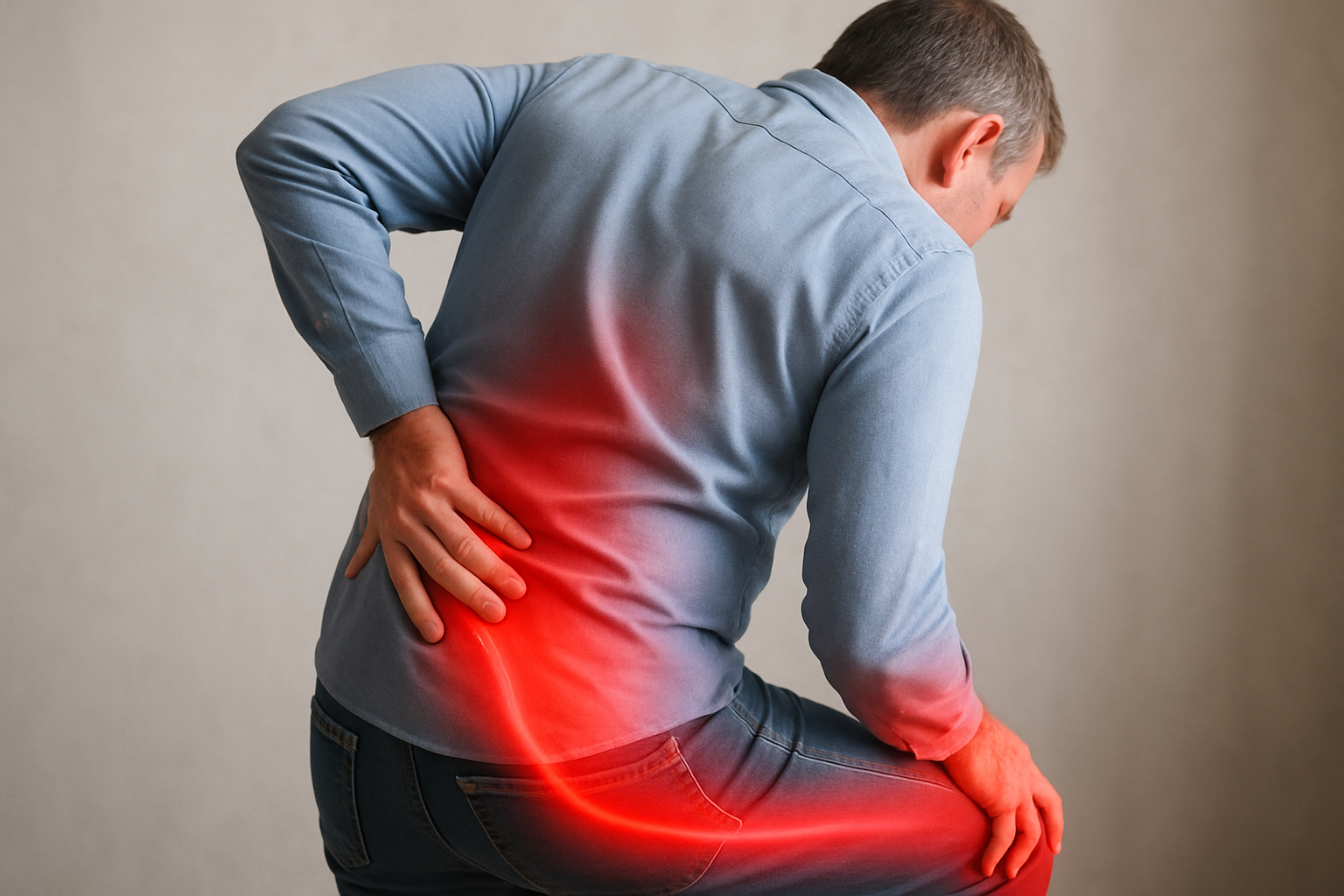
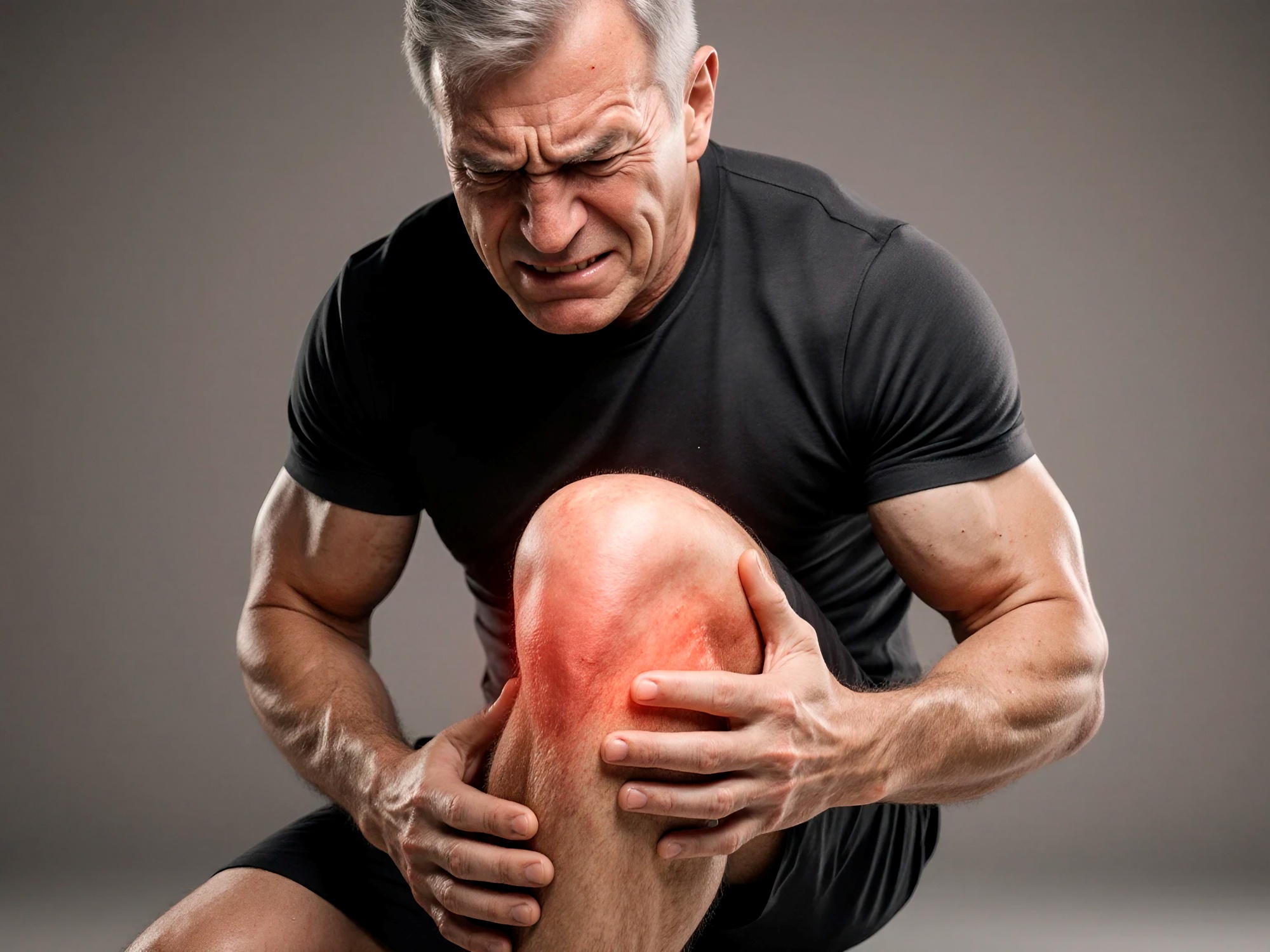
People tell us the pain never fully leaves. Muscles feel tight and hard to loosen. Joints ache after activity or feel locked up after rest. Pain may shift from one area to another as the body compensates. Sleep gets interrupted. Energy drops when movement feels unreliable. These patterns often point to problems that respond well to non-surgical care.
How Orthopedic Doctors Look at Pain
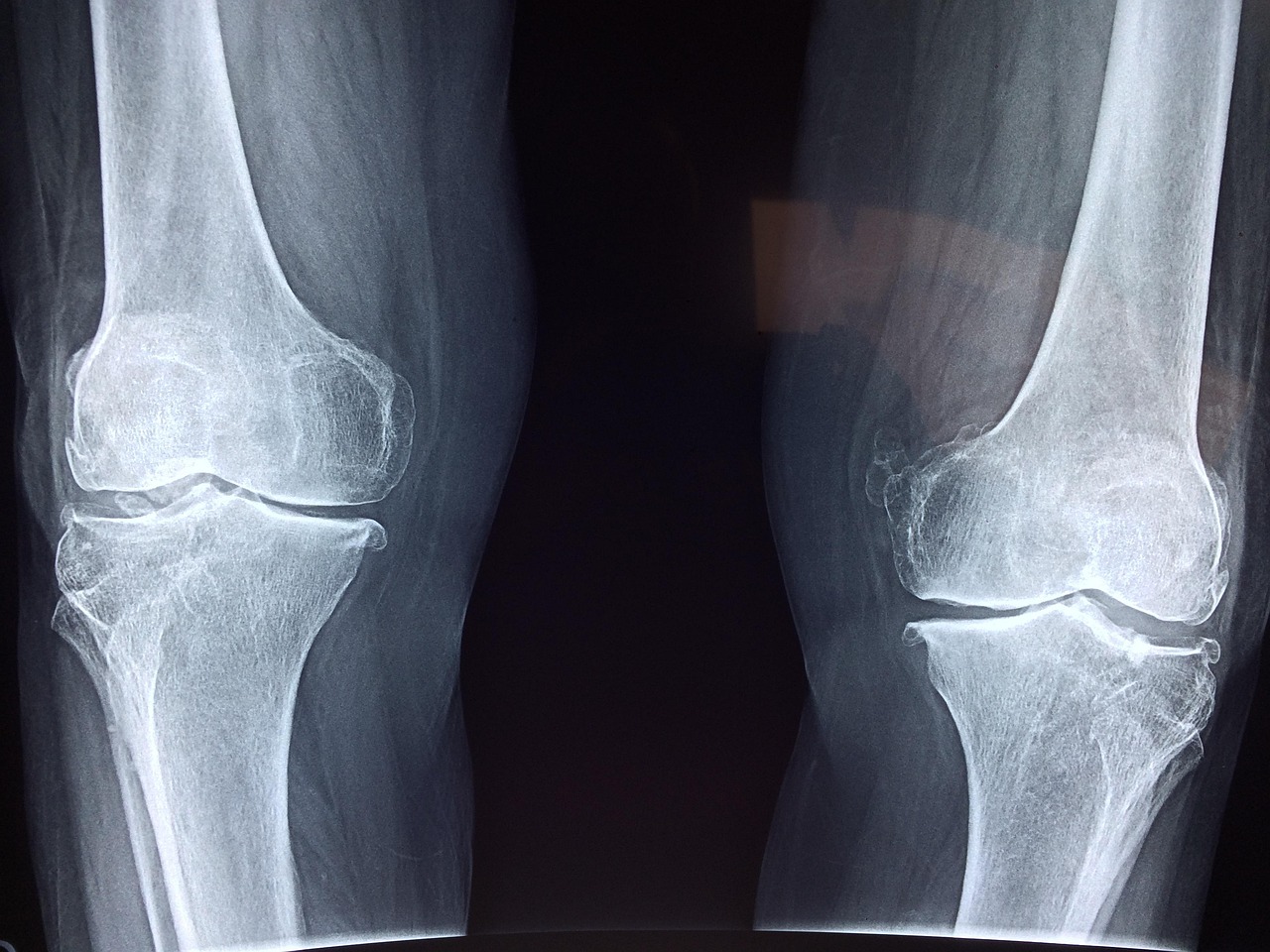
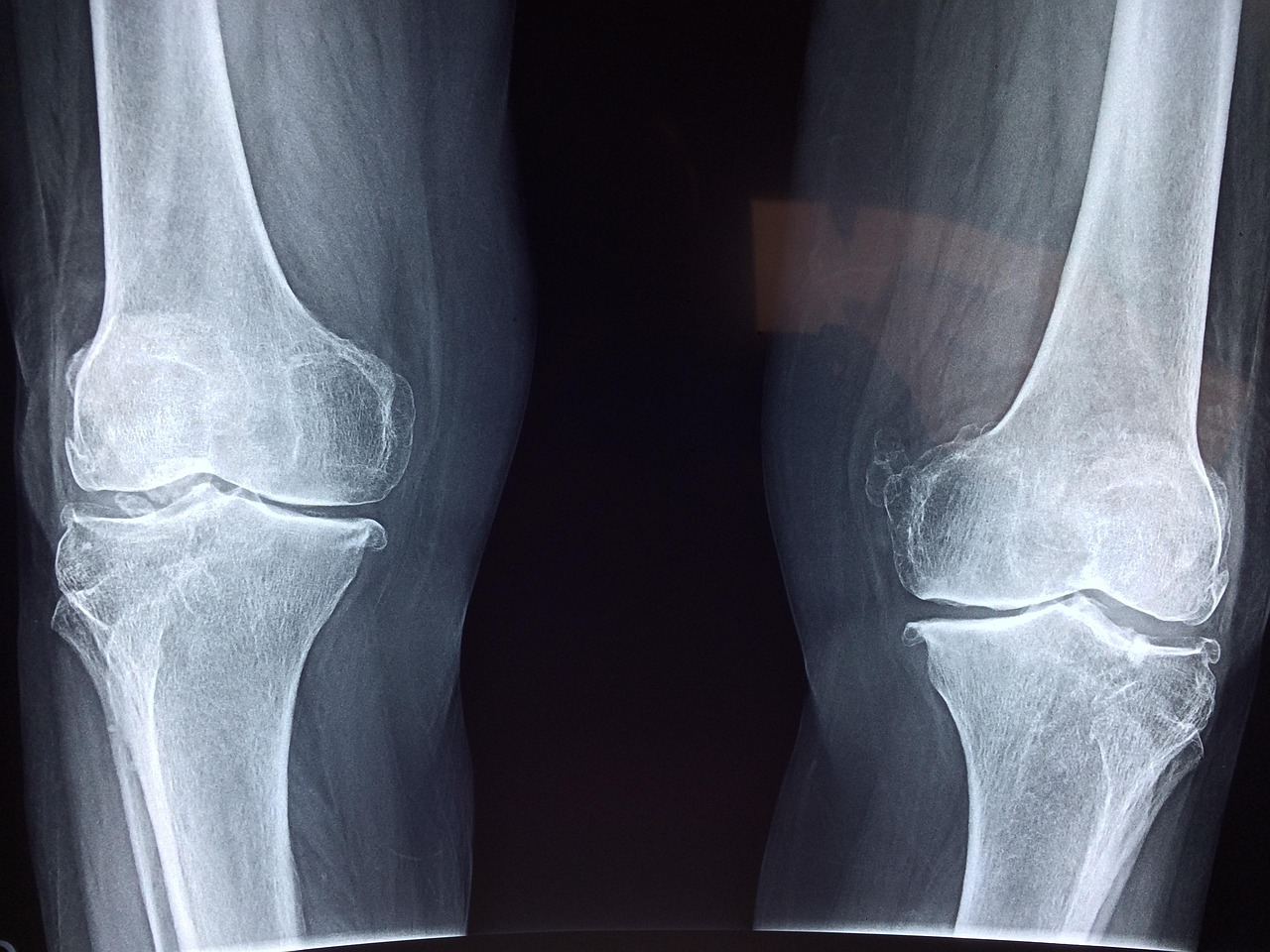
Care starts with listening and watching how the body moves. Orthopedic doctors assess joint motion, muscle support, posture, and balance. They pay attention to when pain shows up and when it eases. Imaging can help in some cases, but movement often explains more than a scan. The goal is to find what keeps pain going and address it without jumping to surgery.
Where Physical Therapy Fits In
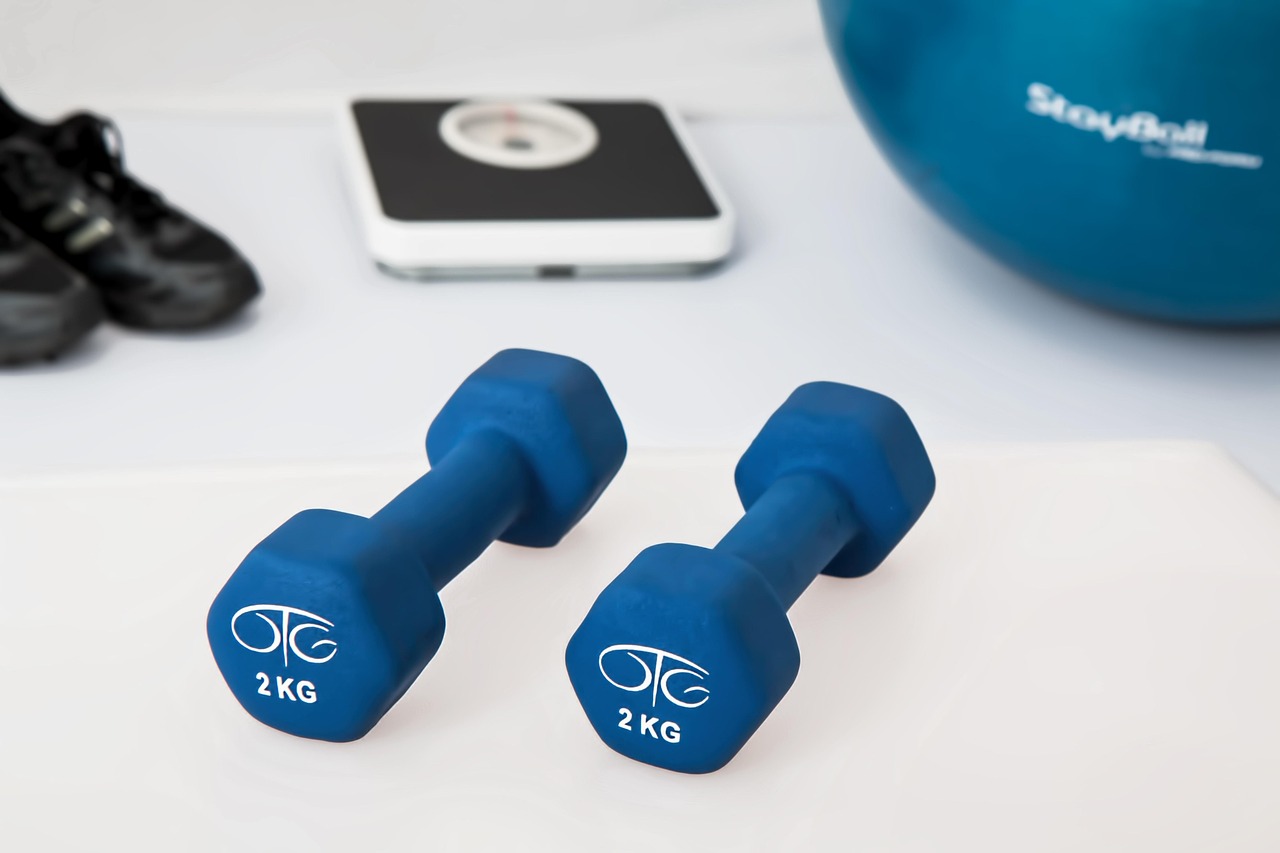
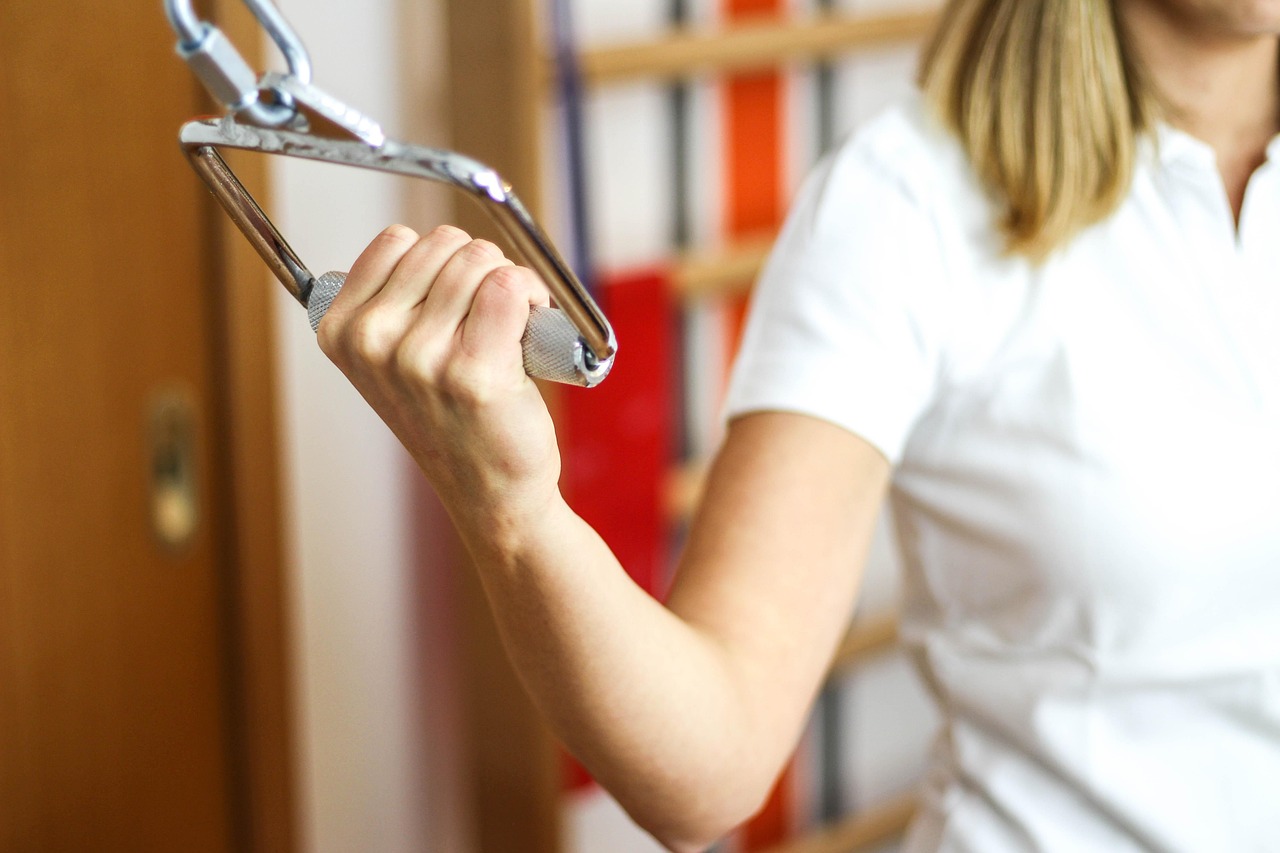
Physical therapy is a key part of joint and muscle pain relief. Treatment focuses on rebuilding strength where it has dropped and restoring motion where stiffness has taken over. Hands-on work helps reduce tightness. Exercises retrain everyday movement patterns. Therapy changes as symptoms change. Nothing stays locked in if it stops helping.
When Extra Support Is Needed
Sometimes pain or inflammation makes movement hard to start. Non-surgical medical treatment can help calm symptoms enough for therapy to move forward. These treatments support recovery. They do not replace movement-based care. Choices depend on how the body responds over time.
Why Surgery Is Often Not the Answer
Many joint and muscle issues improve once movement improves. When muscles carry their share of the load and joints move more freely, pain often settles. Surgery is not always the next step. Clear evaluation and targeted care can change the path.
Moving Comfortably Again
Care includes a gradual return to activity that feels steady and controlled. Confidence builds as movement improves. Flare-ups happen less often. Daily tasks stop feeling like obstacles.
Modern Medicine Physical Therapy & Sports Medicine of Sun Lakes, AZ, offers orthopedic care focused on helping people move better. Call to schedule an appointment and discuss your options.
Joint and muscle pain usually does not announce itself. It shows up quietly. A shoulder that feels sore after yard work. A hip that feels stiff first thing in the morning. An ache that eases, then returns a few days later. Most people work around it and keep moving. Over time, those workarounds start to shape how the body moves.
When Pain Starts Piling Up
Ongoing pain often comes from repeated stress, not one clear injury. Muscles tighten to protect sore joints. Strength fades where support is needed most. Movement becomes uneven without people noticing. That imbalance adds more strain and keeps pain active. Many patients describe a loop of flare-ups followed by brief relief that never lasts.
What Patients Usually Notice
People tell us the pain never fully leaves. Muscles feel tight and hard to loosen. Joints ache after activity or feel locked up after rest. Pain may shift from one area to another as the body compensates. Sleep gets interrupted. Energy drops when movement feels unreliable. These patterns often point to problems that respond well to non-surgical care.
How Orthopedic Doctors Look at Pain
Care starts with listening and watching how the body moves. Orthopedic doctors assess joint motion, muscle support, posture, and balance. They pay attention to when pain shows up and when it eases. Imaging can help in some cases, but movement often explains more than a scan. The goal is to find what keeps pain going and address it without jumping to surgery.
Where Physical Therapy Fits In
Physical therapy is a key part of joint and muscle pain relief. Treatment focuses on rebuilding strength where it has dropped and restoring motion where stiffness has taken over. Hands-on work helps reduce tightness. Exercises retrain everyday movement patterns. Therapy changes as symptoms change. Nothing stays locked in if it stops helping.
When Extra Support Is Needed
Sometimes pain or inflammation makes movement hard to start. Non-surgical medical treatment can help calm symptoms enough for therapy to move forward. These treatments support recovery. They do not replace movement-based care. Choices depend on how the body responds over time.
Why Surgery Is Often Not the Answer
Many joint and muscle issues improve once movement improves. When muscles carry their share of the load and joints move more freely, pain often settles. Surgery is not always the next step. Clear evaluation and targeted care can change the path.
Moving Comfortably Again
Care includes a gradual return to activity that feels steady and controlled. Confidence builds as movement improves. Flare-ups happen less often. Daily tasks stop feeling like obstacles.
Modern Medicine Physical Therapy & Sports Medicine of Sun Lakes, AZ, offers orthopedic care focused on helping people move better. Call to schedule an appointment and discuss your options.
Ocotillo, AZ – Non Surgical Orthopedic Doctors for Joint & Muscle Pain Relief
SYNOPSIS: This article covers how your joint and muscle pain develops, why it often lingers, and how non-surgical orthopedic doctors help reduce the pain and move with a lot more ease.
Surgery-Free Options for Ongoing Joint and Muscle Pain
BY: Josh Adams, Modern Medicine of Sun Lakes, AZ
Joint and muscle pain usually does not announce itself. It shows up quietly. A shoulder that feels sore after yard work. A hip that feels stiff first thing in the morning. An ache that eases, then returns a few days later. Most people work around it and keep moving. Over time, those workarounds start to shape how the body moves.
When Pain Starts Piling Up
Ongoing pain often comes from repeated stress, not one clear injury. Muscles tighten to protect sore joints. Strength fades where support is needed most. Movement becomes uneven without people noticing. That imbalance adds more strain and keeps pain active. Many patients describe a loop of flare-ups followed by brief relief that never lasts.
What Patients Usually Notice
People tell us the pain never fully leaves. Muscles feel tight and hard to loosen. Joints ache after activity or feel locked up after rest. Pain may shift from one area to another as the body compensates. Sleep gets interrupted. Energy drops when movement feels unreliable. These patterns often point to problems that respond well to non-surgical care.
How Orthopedic Doctors Look at Pain
Care starts with listening and watching how the body moves. Orthopedic doctors assess joint motion, muscle support, posture, and balance. They pay attention to when pain shows up and when it eases. Imaging can help in some cases, but movement often explains more than a scan. The goal is to find what keeps pain going and address it without jumping to surgery.
Where Physical Therapy Fits In
Physical therapy is a key part of joint and muscle pain relief. Treatment focuses on rebuilding strength where it has dropped and restoring motion where stiffness has taken over. Hands-on work helps reduce tightness. Exercises retrain everyday movement patterns. Therapy changes as symptoms change. Nothing stays locked in if it stops helping.
When Extra Support Is Needed
Sometimes pain or inflammation makes movement hard to start. Non-surgical medical treatment can help calm symptoms enough for therapy to move forward. These treatments support recovery. They do not replace movement-based care. Choices depend on how the body responds over time.
Why Surgery Is Often Not the Answer
Many joint and muscle issues improve once movement improves. When muscles carry their share of the load and joints move more freely, pain often settles. Surgery is not always the next step. Clear evaluation and targeted care can change the path.
Moving Comfortably Again
Care includes a gradual return to activity that feels steady and controlled. Confidence builds as movement improves. Flare-ups happen less often. Daily tasks stop feeling like obstacles.
Modern Medicine Physical Therapy & Sports Medicine of Sun Lakes, AZ, offers orthopedic care focused on helping people move better. Call to schedule an appointment and discuss your options.