 What is Pelvic Floor Rehab?
The pelvic floor is a group of muscles that support your bladder, bowel, and pelvic organs. When these muscles get too tight or too weak, daily tasks start feeling harder. Rehab focuses on helping these muscles work the way they’re supposed to so you can move, sit, and live with less stress on your body.
People often seek help for issues like:
- Leaks during activity
- A heavy or dragging feeling
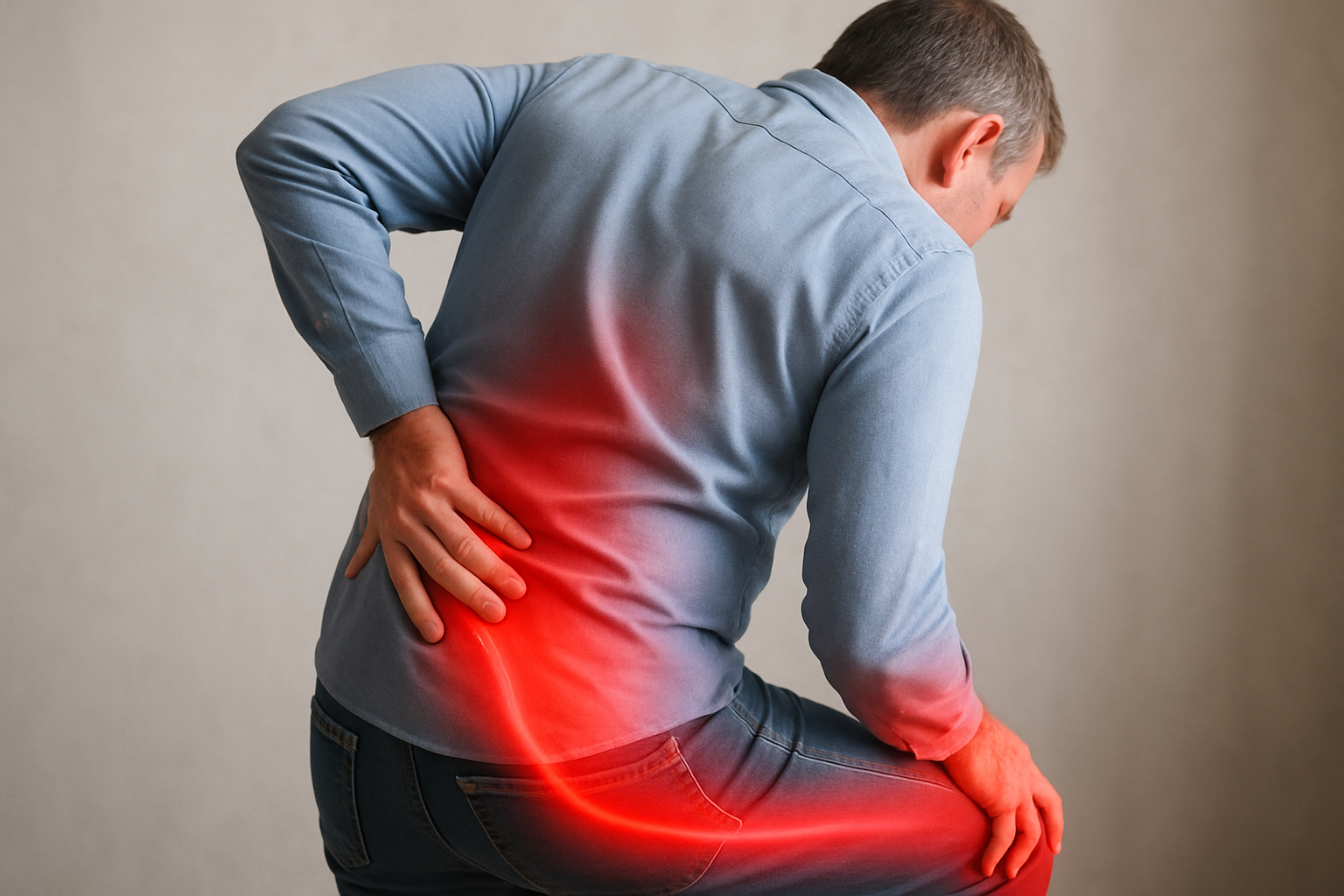
- Pain after long periods of sitting
- Trouble relaxing the pelvic area
Why Problems Show Up
These muscles take on more than people realize. Pregnancy, daily strain, long hours sitting, sports injuries, or even years of clenching from stress can change how they work. Once the pelvic floor gets off track, other muscles try to pick up the slack. That creates tension you can’t stretch away on your own.
Why An Orthopedic View Helps
The pelvic floor never works alone. Your hips, lower back, and core shape how these muscles behave. An orthopedic approach looks at how everything moves together. Maybe your hips are stiff. Maybe your posture forces the pelvic floor to grip all day. Maybe your breathing puts extra pressure downward. When the whole system works better, the pelvic floor finally gets a chance to calm down.
How Physical Therapy Helps You Get Relief
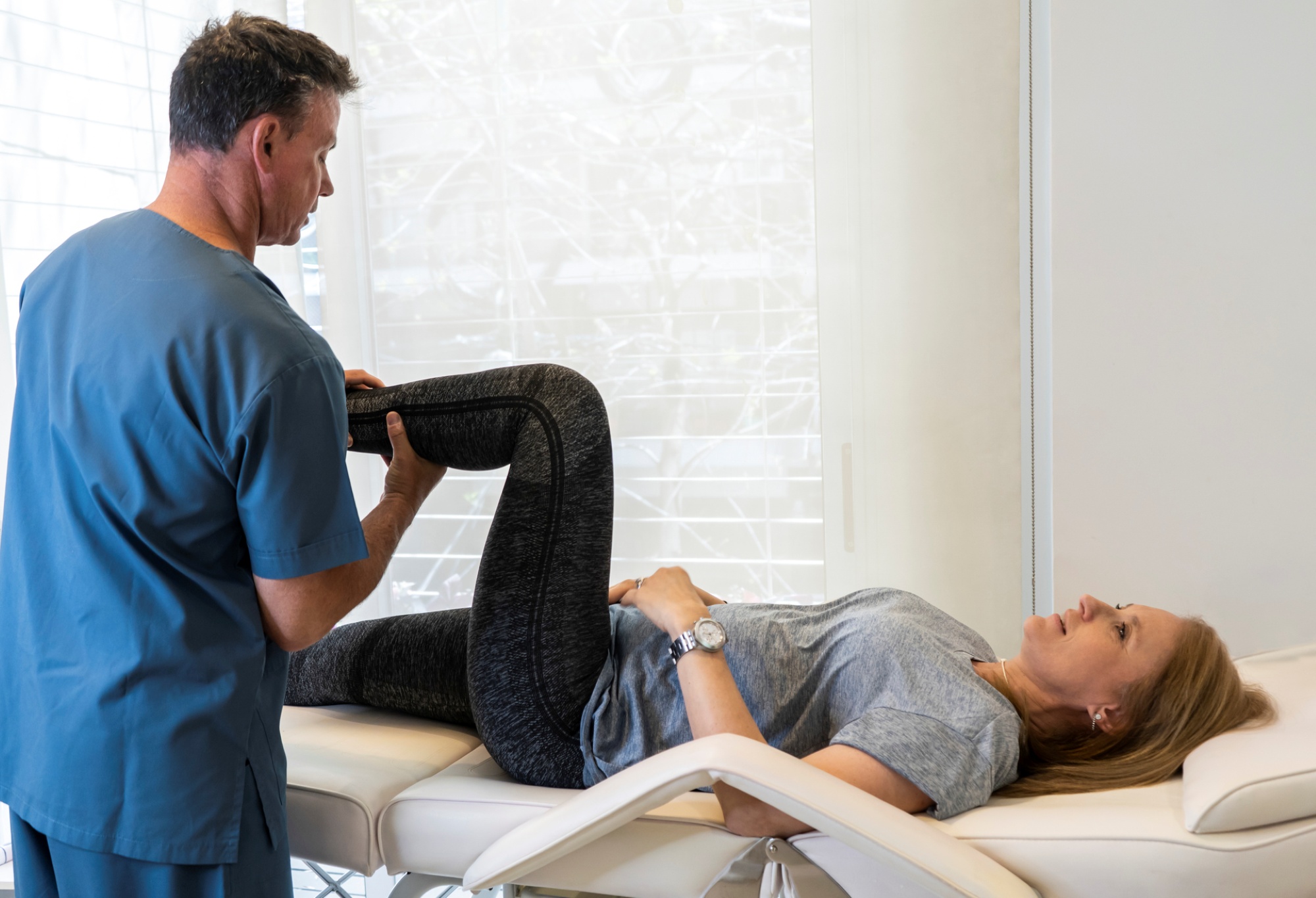
PT starts by figuring out what your body is doing from moment to moment. You learn how to breathe without bracing. How to relax muscles that stay tight even when you’re resting. How to strengthen weak areas that force the pelvic floor to overwork. Most of the exercises are gentle and surprisingly simple once you understand what’s happening.
Common things people learn in early sessions:
- How to release tension without pain
- How to engage the core without clenching
- How to stabilize the hips for daily tasks
- How to move without triggering pressure
Why “Tightening Everything” Doesn’t Fix It
A lot of people try to solve pelvic floor problems by squeezing harder. That can make symptoms worse. The pelvic floor needs rhythm. It needs to turn on when needed and relax when not. PT helps you find that balance so the muscles stop firing all day.
How Daily Habits Affect Your Symptoms
Small patterns matter. Holding your breath when lifting. Rushing to the bathroom before you need to. Sitting with the pelvis tucked under. Crossing your legs all day. These habits seem small but add steady pressure to the pelvic floor. Changing a few of them can make symptoms easier to manage.
If you think your pelvic floor could use some work, reach out to Modern Medicine Physical Therapy & Sports Medicine of Sun Lakes, AZ. Schedule your visit and get a plan that helps your pelvic floor settle so you can move with more comfort and confidence.