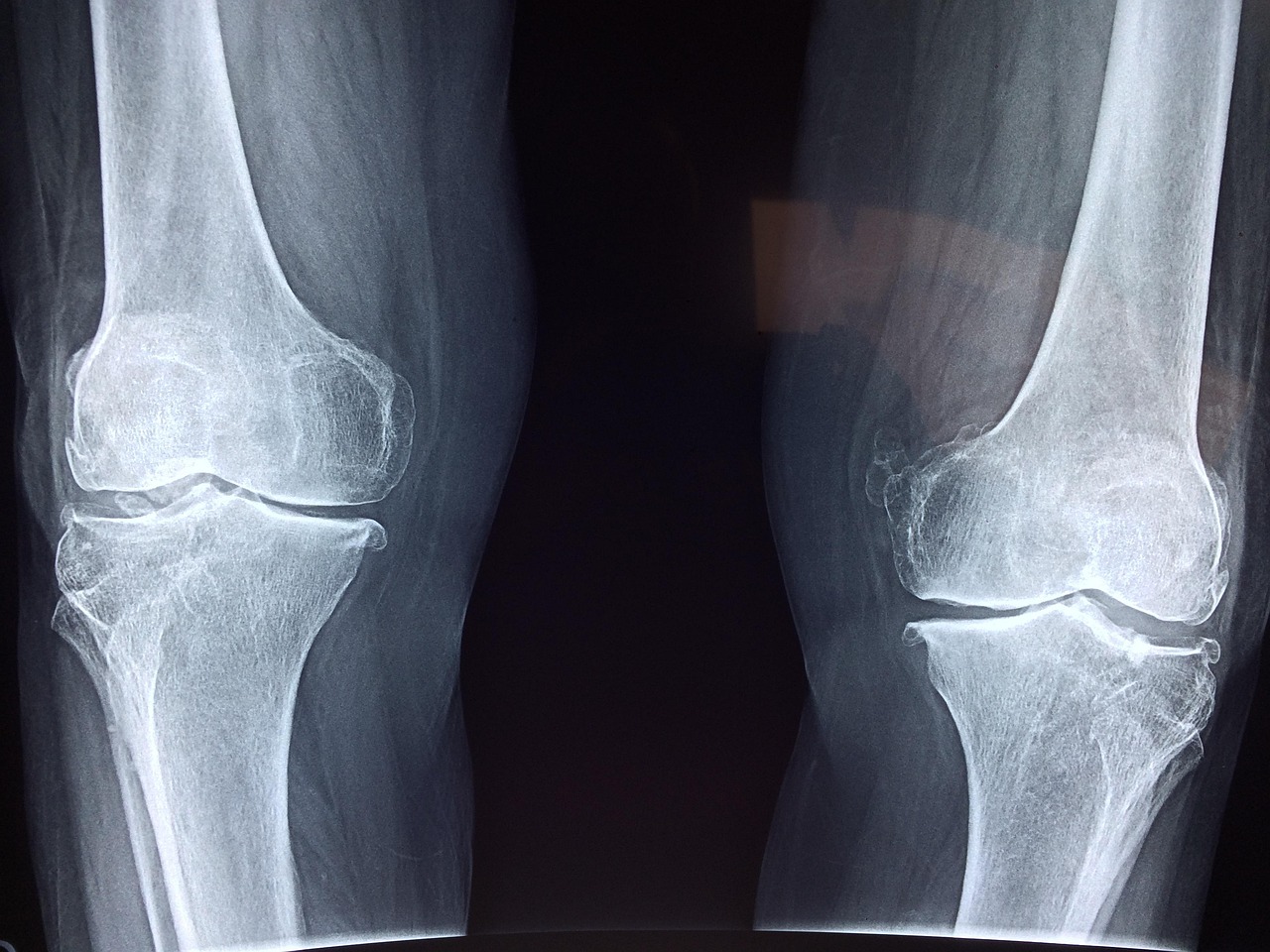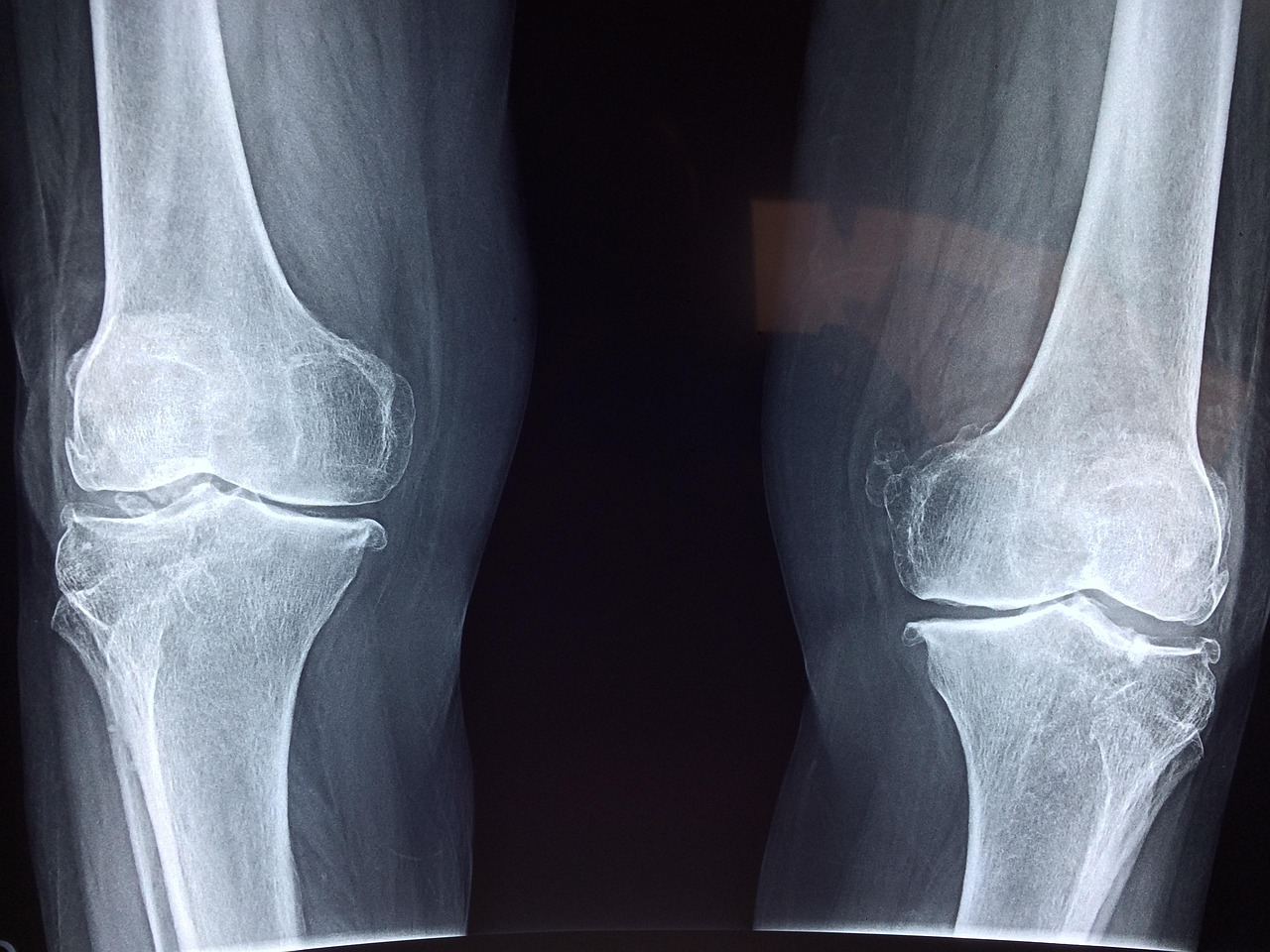
Sports injuries don’t always hit with a dramatic moment. Sometimes it’s a sharp pull. Sometimes it’s a slow ache that grows with each workout. Other times something feels “off,” but you can still move, so you push through it. This is where early diagnostic testing makes the biggest difference. It gives clear information before the problem becomes a long-term issue.
Why Early Testing Matters
When an injury is fresh, the body sends mixed signals. Swelling, guarding, or tightness can hide the real source. Early testing helps sort out what’s actually wrong instead of guessing based on where it hurts. That means fewer delays, fewer wrong turns, and less time spent resting without improving.
People often realize too late that the injury wasn’t in the muscle they thought, they compensated and made another area hurt, or the issue grew because they waited to get answers.
What Early Testing Helps Identify
Tests help pinpoint whether the problem comes from a joint, muscle, tendon, or ligament. They also show how the body is reacting to the injury. Some issues need calming. Others need movement. Without testing, people often choose the wrong approach.
Early testing can show:
- Whether swelling hides a deeper problem
- How the joint is moving under stress
- If the pain comes from a tendon or a muscle
- Whether the injury needs rest or guided activity
Why This Helps Athletes Heal Faster
Athletes want to stay moving. They want to train, even if that means scaling back. Early testing gives a clear picture, so the plan is safe rather than risky. It also prevents the habit of pushing through pain without knowing what the pain means.
A clear diagnosis helps you:
- Adjust training volume safely
- Avoid movements that worsen the injury
- Target the real issue instead of the symptoms
- Return to activity with confidence
Why Waiting Makes Injuries Worse
Small sports injuries often snowball. A tight calf leads to an ankle issue. A sore hip changes how the knee loads. A shoulder tweak affects your back. When the body compensates, the injury spreads. Early testing stops that chain reaction before it starts.
People who wait often notice things like:
- Stiffness that doesn’t fade
- Swelling that returns after practice
- Weakness during normal motions
- Pain hits harder on busy days
How PT Uses Early Testing To Build A Plan
Once testing shows what’s going on, PT can match the plan to the specific issue. No guessing. No generic exercises. You get clear steps based on how the injury behaves, not guesswork or trial and error.
PT then works on strength where the body needs support, mobility where things are stiff, control where movement feels shaky, and pacing so training doesn’t outpace healing.
Why Early Testing Supports Long-Term Injury Prevention
When you know what started the problem, you know how to keep it from returning. Early testing helps athletes understand the cause, not only the pain. This creates a smarter, safer path through future training cycles and busy seasons.
If something feels off and you want answers before it turns into a bigger setback, reach out to Modern Medicine Physical Therapy & Sports Medicine of Sun Lakes, AZ. Schedule your visit and get clear diagnostic guidance so you can return to sports with confidence.