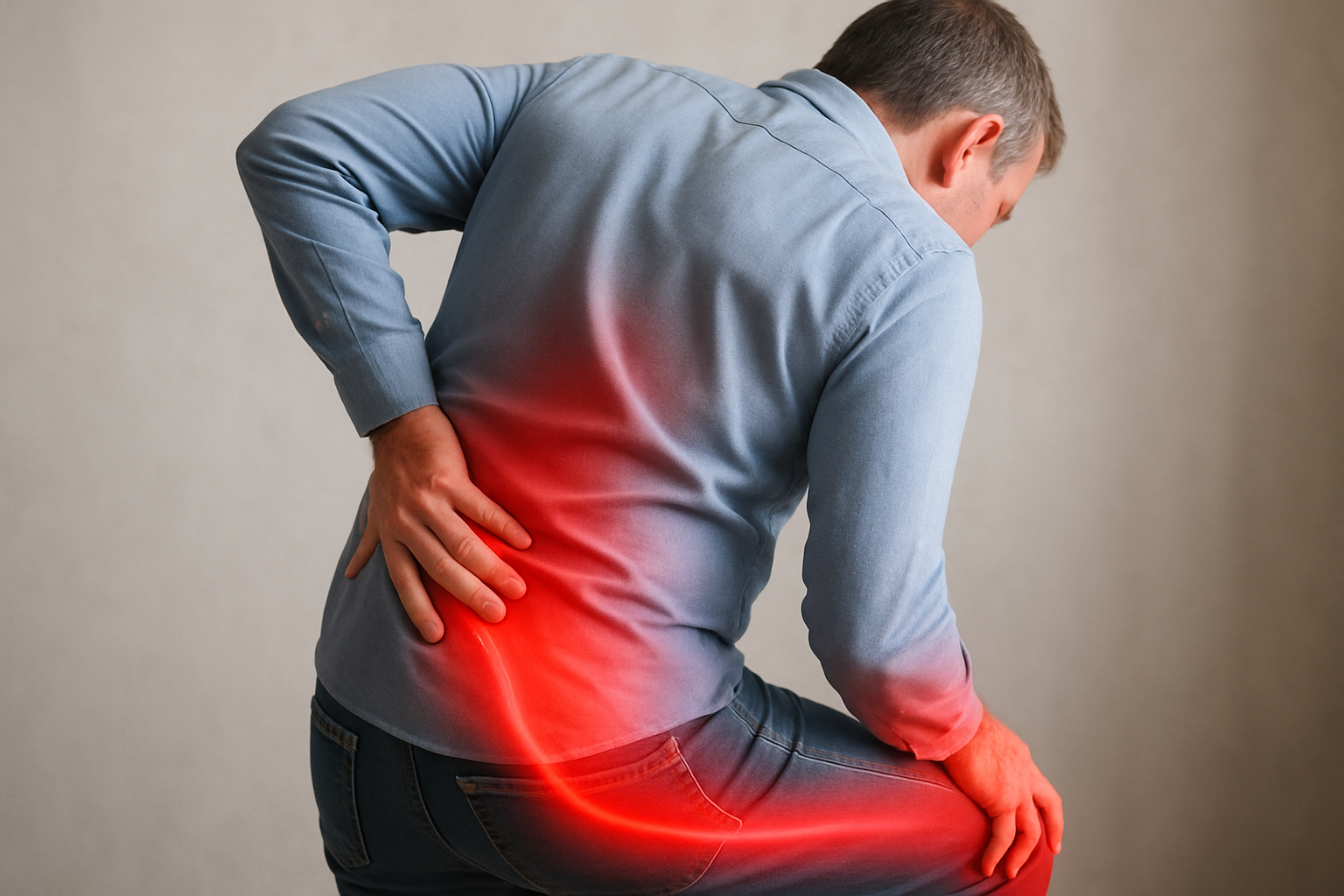
Many people don’t think about balance until something reminds them. A small stumble in the kitchen. A shaky moment getting out of the car. Feeling unsure on uneven ground. Balance doesn’t disappear all at once. It changes slowly as the body loses strength, coordination, or confidence. That’s why rehab programs that skip balance work often leave people with lingering problems long after the pain fades.
Why Balance Declines
Balance depends on more than standing still. It comes from your legs, your core, your eyes, and the small muscles around your joints working together. Age, long periods of sitting, old injuries, or simple inactivity all make these systems react slower.
People often notice:
- Wobble when turning too quickly
- Hesitation on curbs
- Stiffness when shifting weight from one leg to the other
Why Balance Matters In Rehab
Even when the main issue is your knee, back, or shoulder, balance affects how your entire body moves. Poor balance changes your gait. It changes how you stand. It changes how much pressure your joints take with each step. When balance is weak, the injured area ends up doing more work than it should.
Good rehab should help the body move as a unit, not in pieces. Without balance training, that doesn’t happen.
How Balance Training Helps Your Body Recover
Balance work teaches your body how to react safely. It strengthens the small stabilizers around joints. It improves coordination so your steps feel steady instead of cautious. It also helps the brain relearn how to control movement after an injury forces you to compensate.
Some of the biggest benefits include:
- Stronger ankle, hip, and core support
- Better control during walking and stairs
- Less chance of re-injury
- Smoother transitions between movements
Why Injuries Return Without Balance Work
When balance is ignored, people often return to daily life with strength but no control. They can lift. They can walk. But they move in stiff, guarded patterns. This leads to repeated irritation in the same spots. Balance work teaches your body how to absorb load again instead of fighting it.
How PT Uses Balance In Rehab
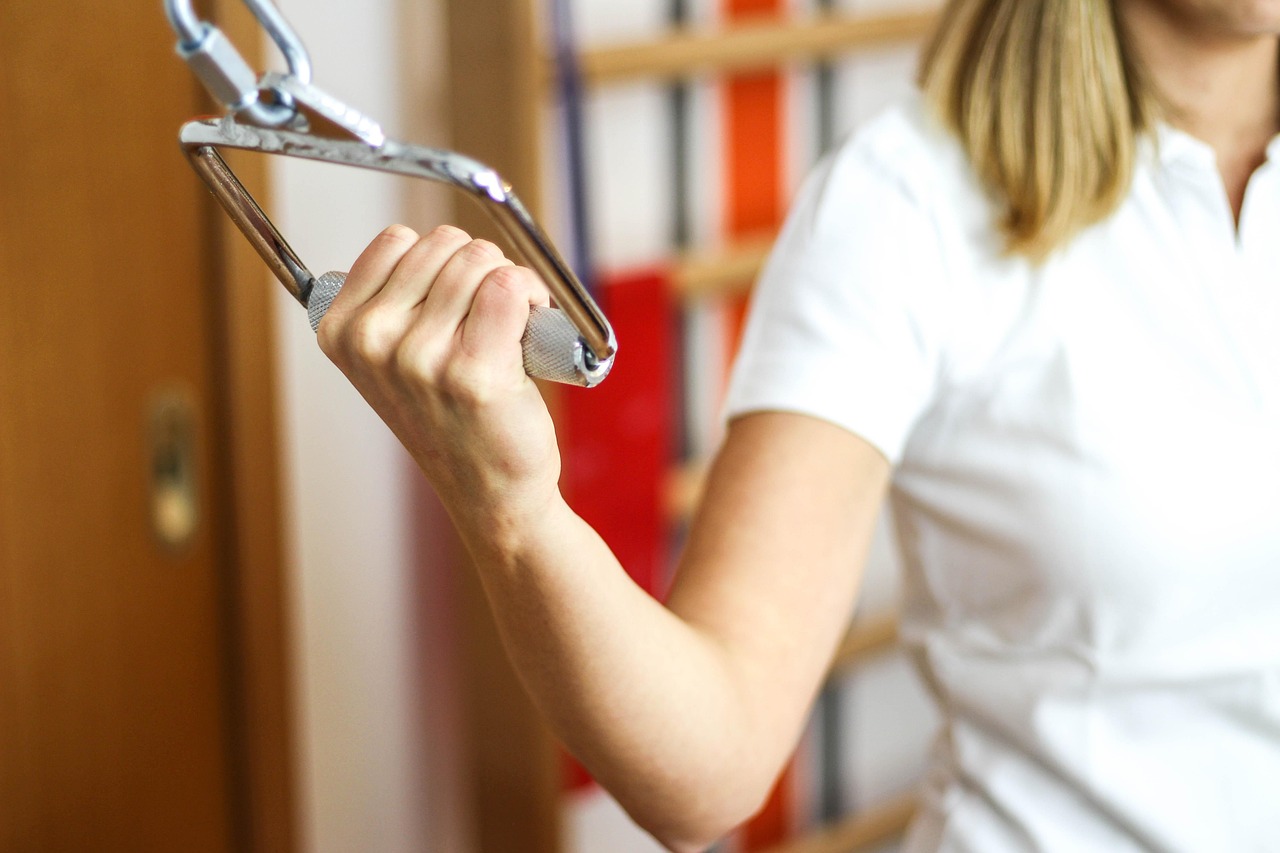
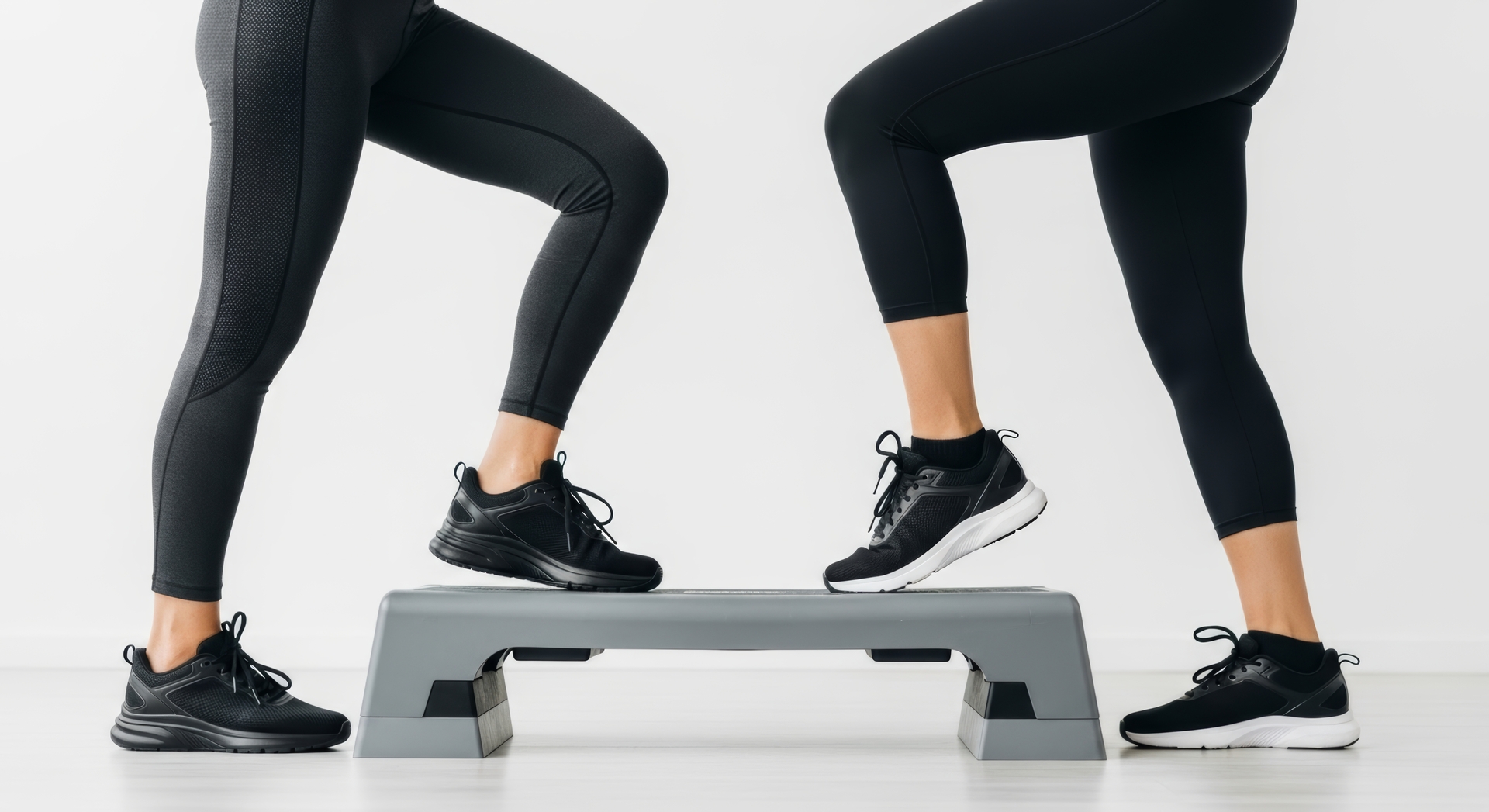
PT builds balance gradually. Not shaky one-leg stands right away. It starts with small shifts. Weight transfers. Heel-to-toe walking. Step training. As you improve, the exercises challenge you without overwhelming you. This helps rebuild trust in your movement.
Why Everyone Benefits From Balance Training
You don’t need to be an athlete to benefit from better balance. Anyone who walks, climbs stairs, carries groceries, or moves throughout the day depends on it. Balance is what keeps you steady when your body is tired or distracted. It shapes how safe and capable you feel during normal tasks.
A small amount of balance work goes a long way and can include:
- Light stability drills
- Slow, controlled steps
- Simple exercises that fit into your routine
Your Next Step Toward Steady, Confident Movement
If you want a rehab plan that builds strength and real-world control, reach out to Modern Medicine Physical Therapy & Sports Medicine of Sun Lakes, AZ. Schedule your visit and learn how balance training can reshape your recovery and protect you long-term.