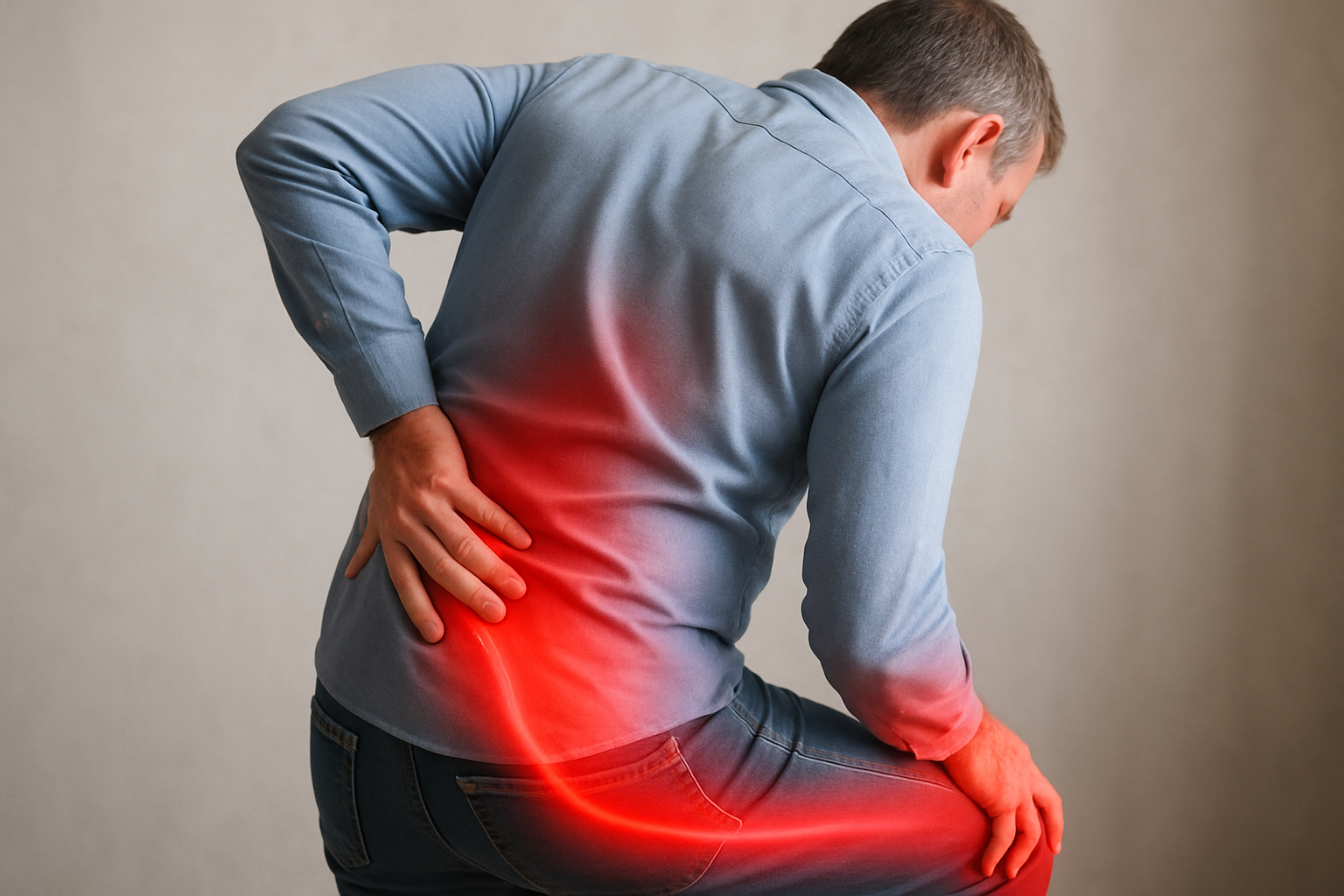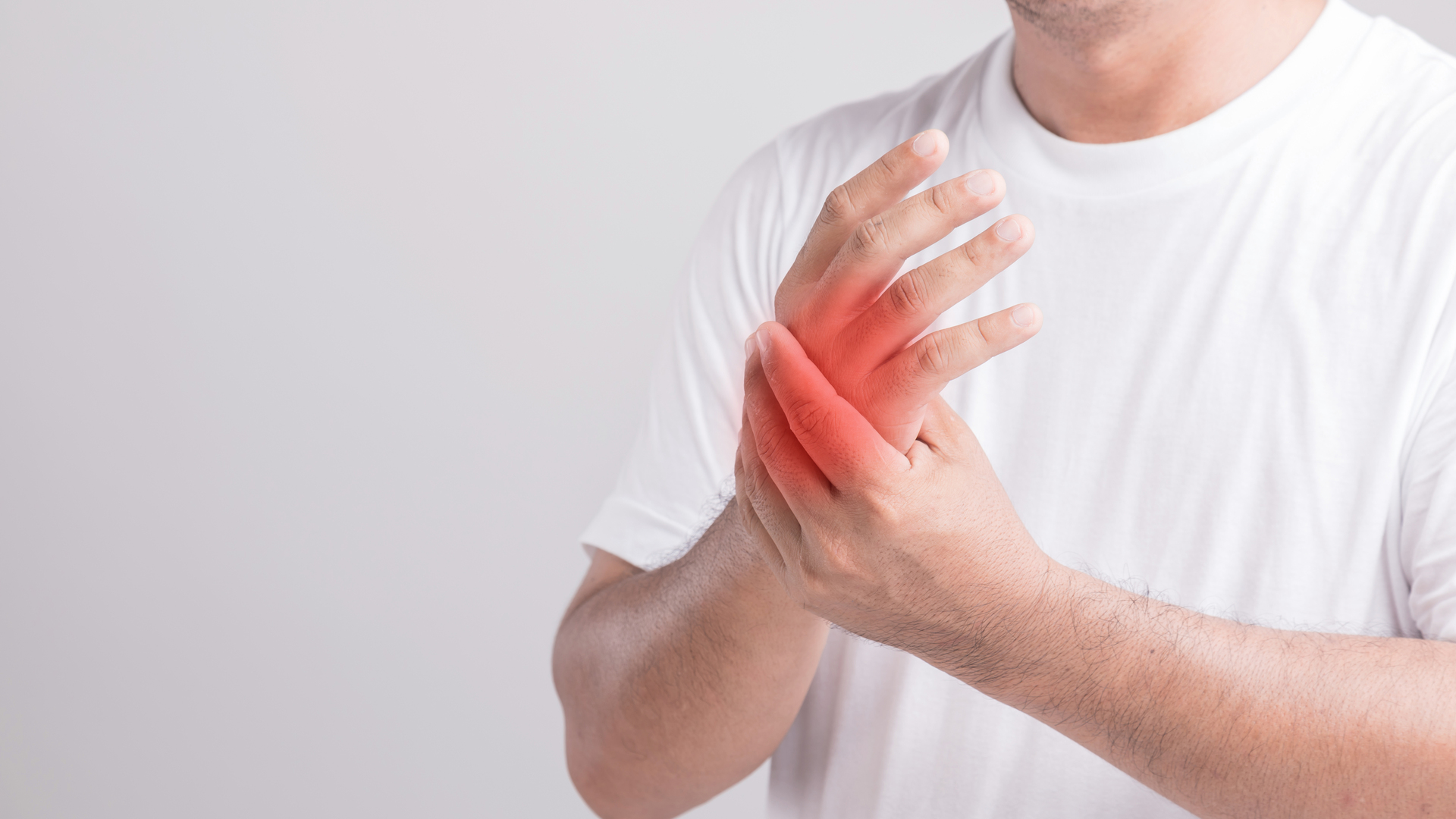
Arthritis changes things slowly. You might feel fine one week and then notice it takes longer to warm up in the morning. Maybe your knees feel tight when you get out of the car. Maybe your hands take a while to loosen. Some people feel swelling at night. Others feel a dull ache halfway through a walk. These small patterns stack up until you start moving differently without even realizing it.
Why Arthritis Makes Movement Tough
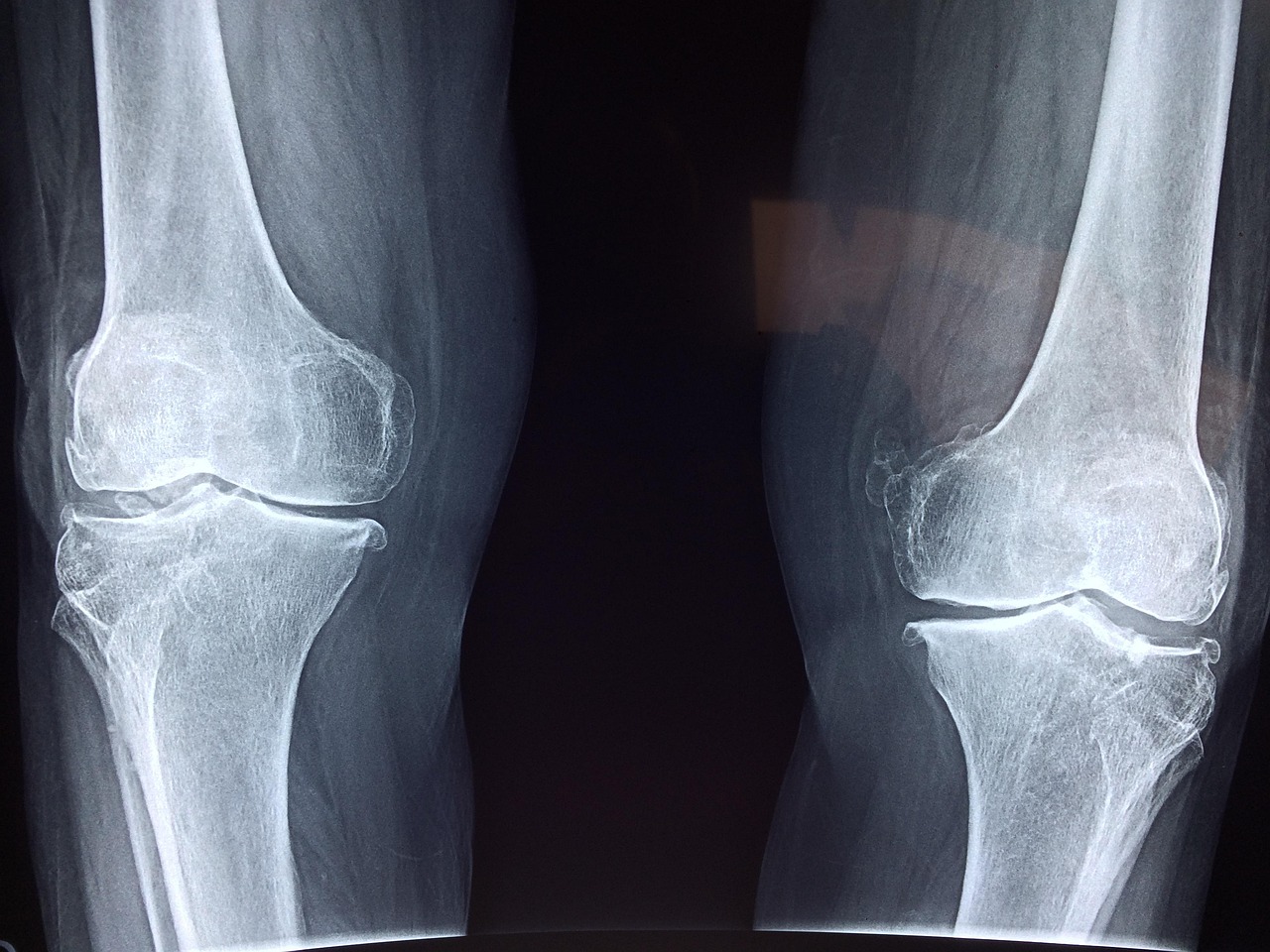
Arthritis affects the smooth surfaces inside the joint. When that surface gets irritated, the joint doesn’t glide the way it used to. Muscles around the area tighten to protect it. You end up fighting both the joint and the muscles trying to guard it. That’s why simple things start feeling like they take more effort.
People often notice:
- Morning stiffness
- Slow warm-up period
- Dull ache after errands
- Trouble with steps or uneven ground
Why Staying Active Helps More Than Rest
It’s easy to assume rest is the safest choice. But too much rest makes the joint even stiffer. Light movement helps lubricate the joint. It also keeps the surrounding muscles from weakening. The key is to move enough to help the joint, not so much that you stir things up.
Even small changes help, like shorter walks, gentle strengthening, and slow mobility work that doesn’t push through pain.
How Orthopedic Care Helps You Understand Your Joint
An orthopedic provider checks how the joint behaves, not just how it feels. They look at swelling, loss of motion, and how the joint reacts to weight-bearing. This tells you what’s actually happening instead of assuming you’re “wearing it out,” which is what many people fear.
Where PT Fits In
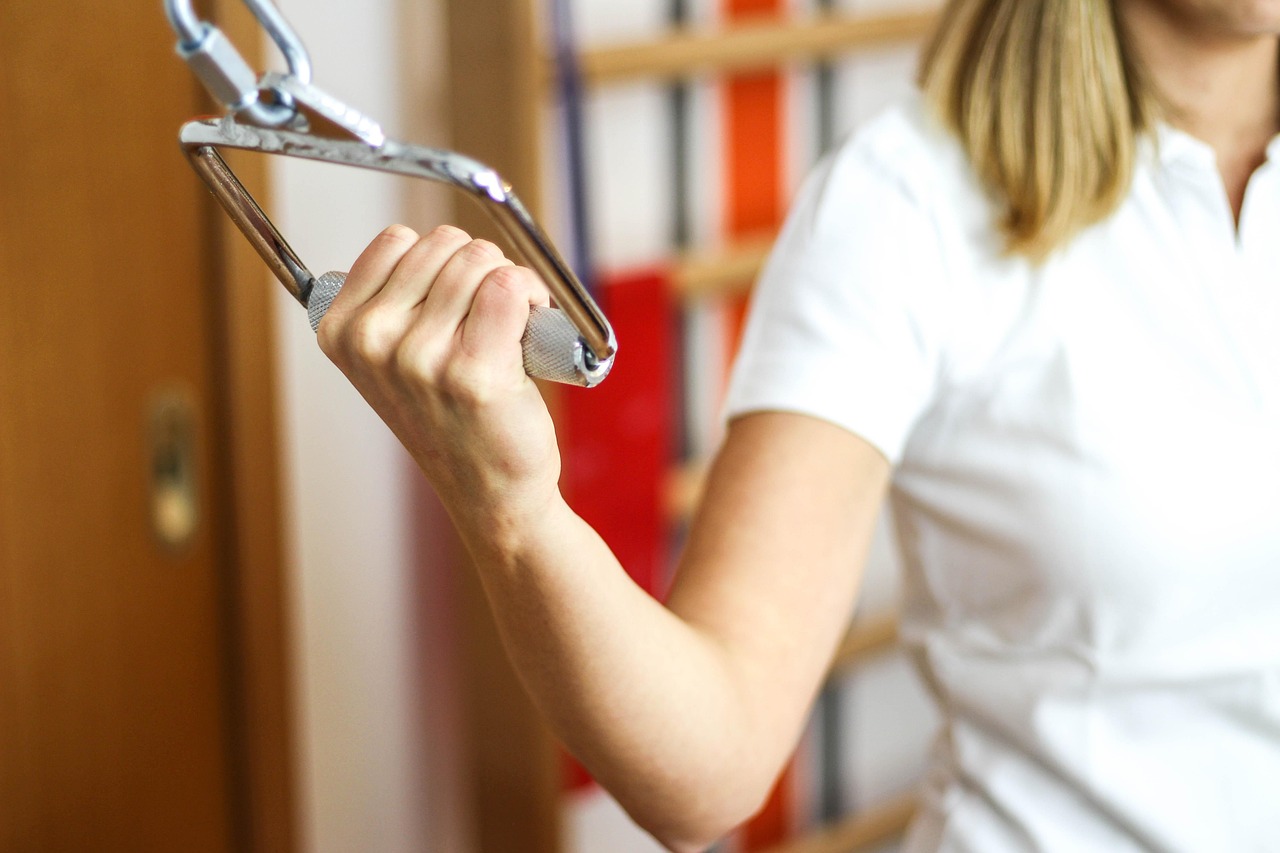
PT looks at your movement patterns. Arthritis often makes people shift their weight without noticing. You might stop bending one knee fully. You might lean away from the painful side. PT helps you fix those habits, build strength where you need it, and move in a way that doesn’t irritate the joint all day.
PT often focuses on:
- Building strength
- Reducing stiffness with controlled motion
- And adjusting daily habits so the joint isn’t overloaded
Why Strength Training Makes A Big Difference
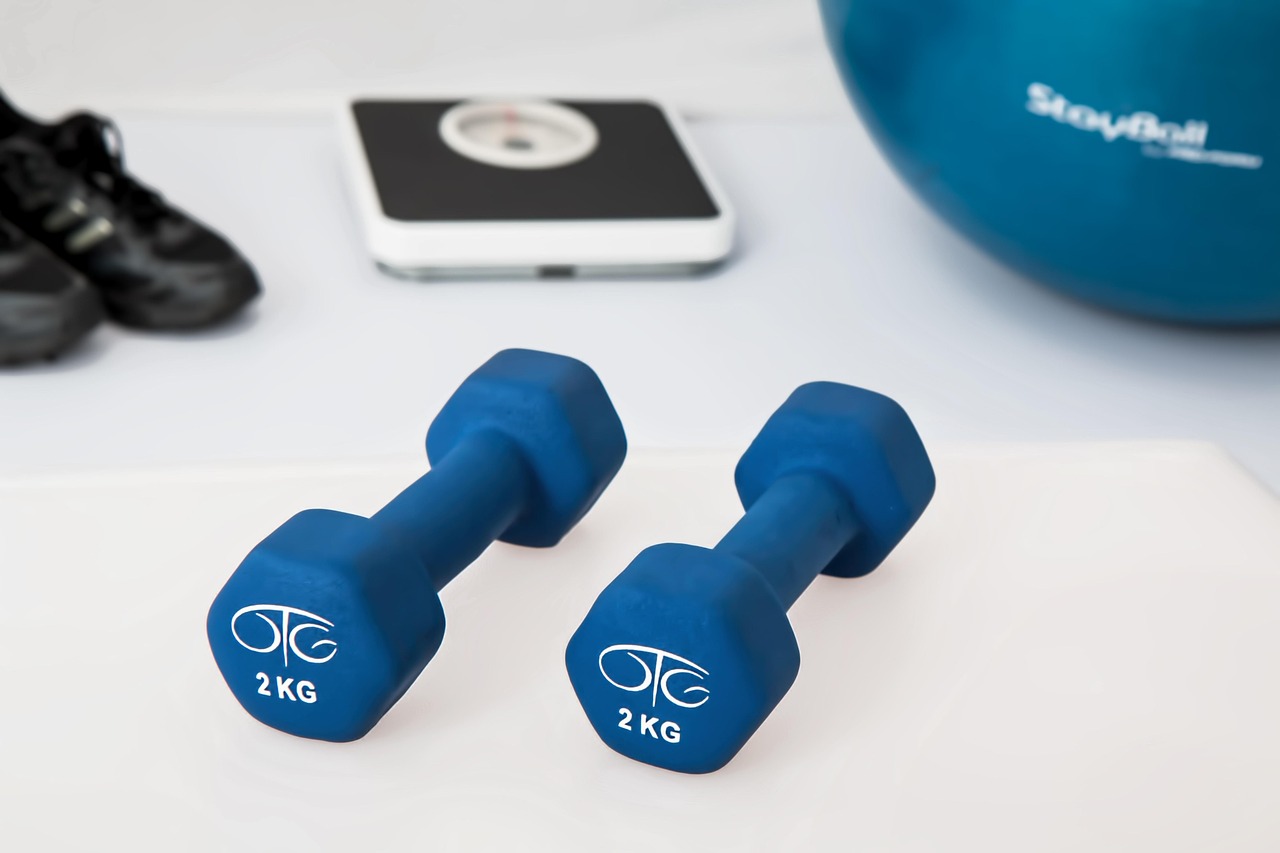
Stronger muscles take pressure off the joint. This is one of the biggest ways people with arthritis start feeling better. You don’t need big weights. You need steady effort. When the muscles around the joint support it, flare-ups happen less often.
Why Flare-Ups Happen
Arthritis reacts when you push too fast. A long day on your feet. A sudden jump in errands. Cleaning the house all at once. Even stress can make symptoms worse. A flare does not mean you damaged the joint. It just means it needs pacing.
Simple strategies that help:
- Switch positions often
- Break big tasks into smaller ones
- Get light movement in during long sitting periods
How To Stay Active Without Making Things Worse
You don’t need long workouts or intense routines. Most people do better with consistency. A short walk. A few strength exercises. Gentle mobility. Small habits build comfort over time.
If arthritis is slowing you down and your routine feels unpredictable, reach out to Modern Medicine Physical Therapy & Sports Medicine of Sun Lakes, AZ. Schedule your visit and get a plan that helps you stay active without constant soreness.