 Physical Therapy
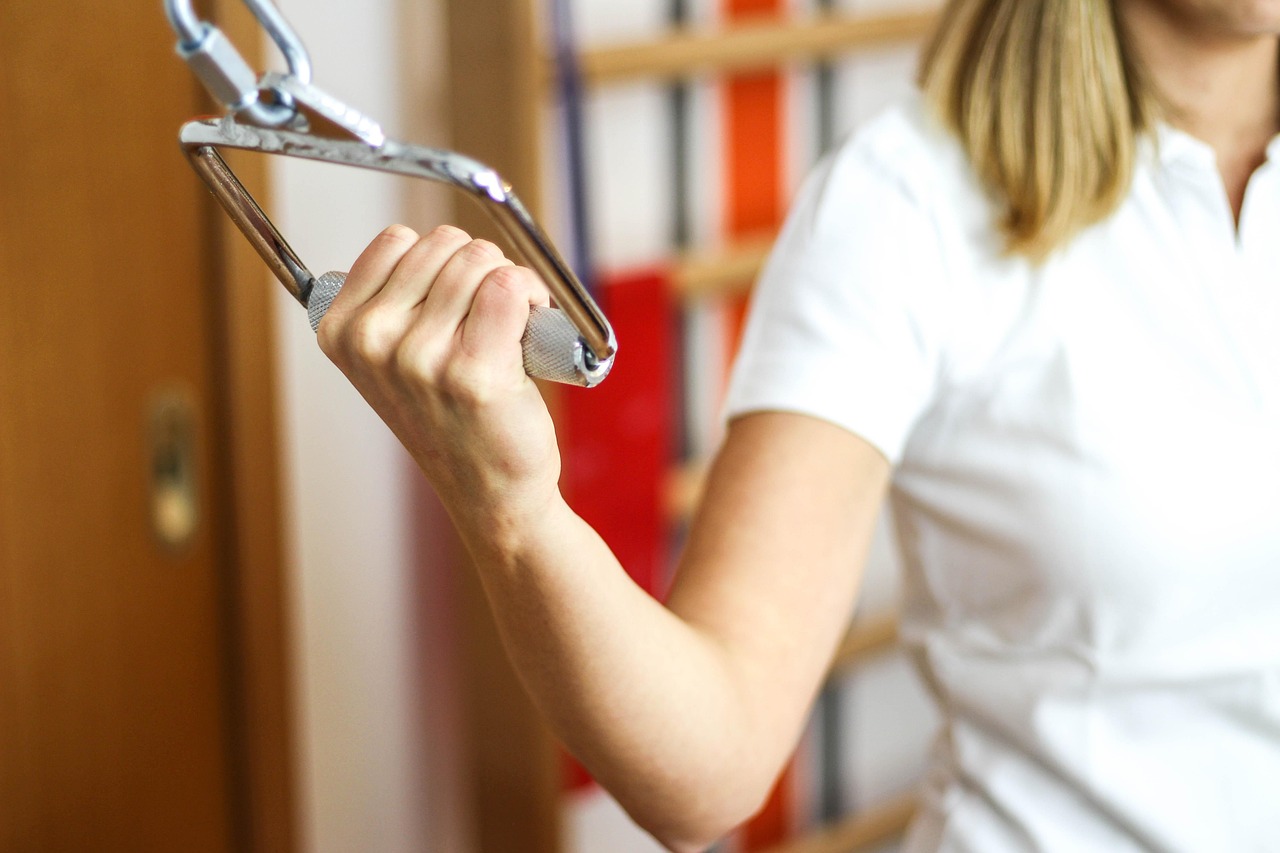
Therapy is usually where we start. Stretching, strengthening, and movement training give the spine more support. When the muscles around your back get stronger, the nerves have less pressure on them. People are often nervous at first, thinking movement will hurt more, but with the right plan, it does the opposite. After a few sessions, patients often say things feel looser and a little easier. That’s a good sign.
Medications
Sometimes it’s about relief in the short term. Anti-inflammatories or muscle relaxers can calm down nerve pain and stiffness, so life feels manageable again. Nobody wants to depend on pills forever, but when you’re just trying to sleep through the night without waking from a sharp ache, they can be a blessing.
Epidural Injections
For stronger pain that will not let up, steroid injections can help. The medicine goes directly into the space around the spinal cord, quieting inflammation. It’s not permanent. For some, it’s a few weeks of comfort. For others, a couple of months. But even that window can be enough to get stronger in therapy and carry on with daily life.
Changing How You Move
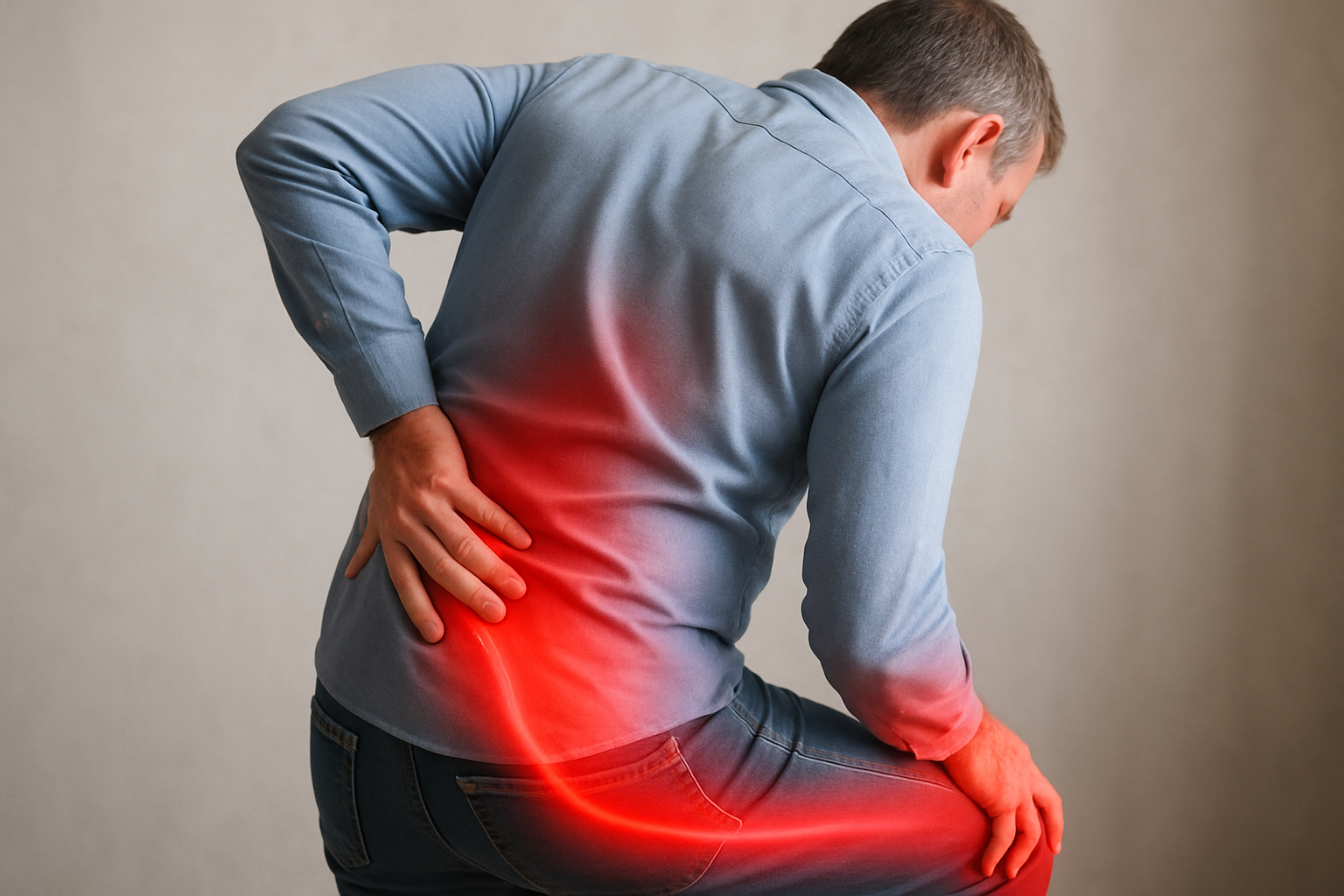
Spinal stenosis pain often shows up in very specific moments, such as standing too long, leaning backward, or walking without support. Small adjustments make those activities easier. Leaning forward on a shopping cart can take the edge off. Using a chair with better support means less time shifting uncomfortably. It’s not about giving up movement. It’s about learning tricks that reduce strain on the spine.
Braces and Supports
A brace isn’t for everyone, but for some patients it’s like a safety net. It steadies the lower back and stops movements that usually trigger pain. Wearing one during chores or longer walks can make those tasks less exhausting. It’s one of those tools people either love or skip, but it’s worth trying.
Weight and Gentle Exercise
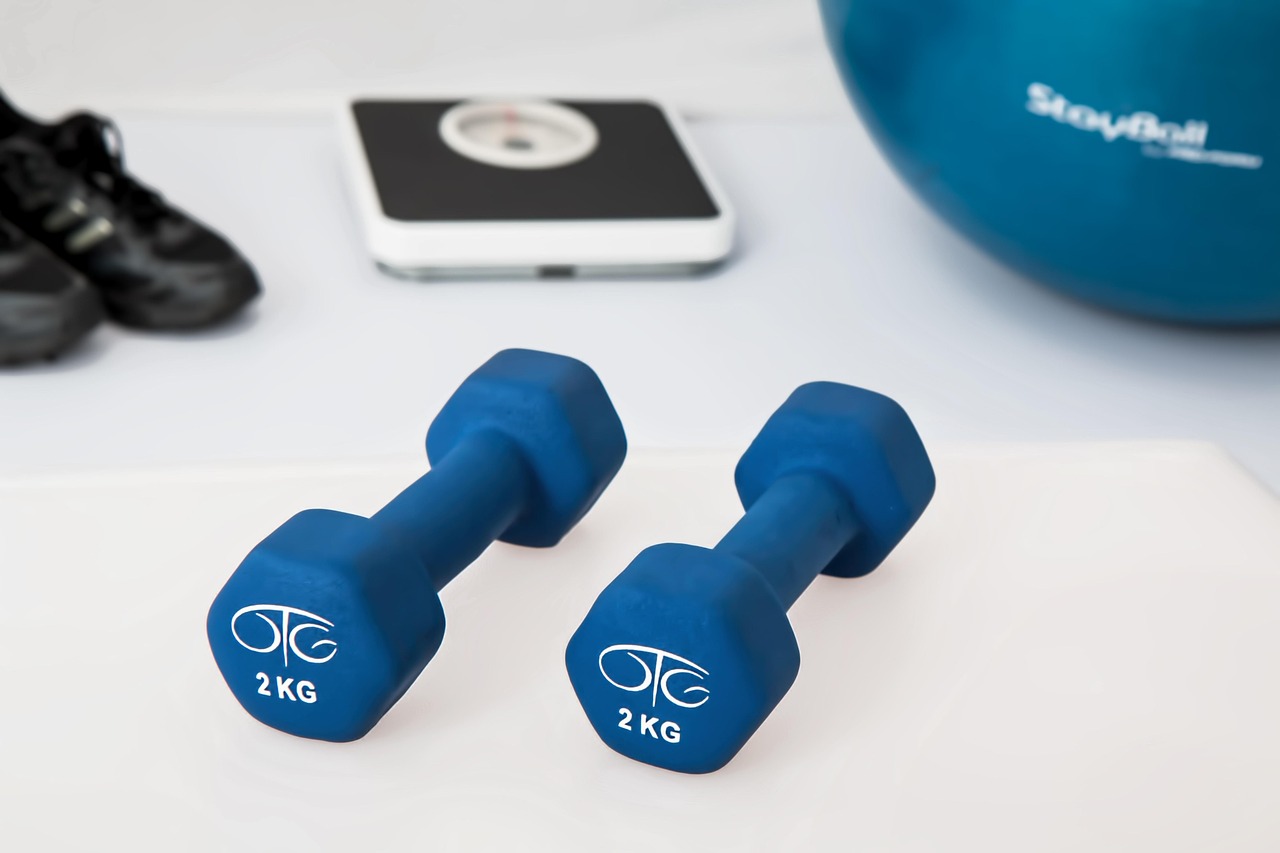
Every extra pound puts more force on the spine. Losing even a little weight can lighten the load. Pair that with exercise that doesn’t pound the joints like swimming, a stationary bike, short walks, and it helps more than people expect. Over time, those gentle routines build strength, keep stiffness away, and boost confidence in moving again.
From Modern Medicine in Sun Lakes, AZ
Living with spinal stenosis doesn’t always mean rushing into surgery. There are plenty of ways to ease pain and get moving again without an operation. At Modern Medicine of Sun Lakes, AZ, we walk patients through these options, adjusting as needed. If your back pain is slowing you down, call us. Let’s figure out a plan that fits your life.
Physical Therapy
Therapy is usually where we start. Stretching, strengthening, and movement training give the spine more support. When the muscles around your back get stronger, the nerves have less pressure on them. People are often nervous at first, thinking movement will hurt more, but with the right plan, it does the opposite. After a few sessions, patients often say things feel looser and a little easier. That’s a good sign.
Medications
Sometimes it’s about relief in the short term. Anti-inflammatories or muscle relaxers can calm down nerve pain and stiffness, so life feels manageable again. Nobody wants to depend on pills forever, but when you’re just trying to sleep through the night without waking from a sharp ache, they can be a blessing.
Epidural Injections
For stronger pain that will not let up, steroid injections can help. The medicine goes directly into the space around the spinal cord, quieting inflammation. It’s not permanent. For some, it’s a few weeks of comfort. For others, a couple of months. But even that window can be enough to get stronger in therapy and carry on with daily life.
Changing How You Move
Spinal stenosis pain often shows up in very specific moments, such as standing too long, leaning backward, or walking without support. Small adjustments make those activities easier. Leaning forward on a shopping cart can take the edge off. Using a chair with better support means less time shifting uncomfortably. It’s not about giving up movement. It’s about learning tricks that reduce strain on the spine.
Braces and Supports
A brace isn’t for everyone, but for some patients it’s like a safety net. It steadies the lower back and stops movements that usually trigger pain. Wearing one during chores or longer walks can make those tasks less exhausting. It’s one of those tools people either love or skip, but it’s worth trying.
Weight and Gentle Exercise
Every extra pound puts more force on the spine. Losing even a little weight can lighten the load. Pair that with exercise that doesn’t pound the joints like swimming, a stationary bike, short walks, and it helps more than people expect. Over time, those gentle routines build strength, keep stiffness away, and boost confidence in moving again.
From Modern Medicine in Sun Lakes, AZ
Living with spinal stenosis doesn’t always mean rushing into surgery. There are plenty of ways to ease pain and get moving again without an operation. At Modern Medicine of Sun Lakes, AZ, we walk patients through these options, adjusting as needed. If your back pain is slowing you down, call us. Let’s figure out a plan that fits your life.
Ocotillo, AZ - Non-Surgical Solution Options at a Clinic for Spinal Stenosis
SYNOPSIS: This article covers non-surgical treatment options for spinal stenosis and how clinics help their patients manage pain, movement, and daily comfort without immediate surgery.
Local Clinic Offers Non-Surgical Spinal Stenosis Relief
BY: Josh Adams, Modern Medicine of Sun Lakes, AZ
Physical Therapy
Therapy is usually where we start. Stretching, strengthening, and movement training give the spine more support. When the muscles around your back get stronger, the nerves have less pressure on them. People are often nervous at first, thinking movement will hurt more, but with the right plan, it does the opposite. After a few sessions, patients often say things feel looser and a little easier. That’s a good sign.
Medications
Sometimes it’s about relief in the short term. Anti-inflammatories or muscle relaxers can calm down nerve pain and stiffness, so life feels manageable again. Nobody wants to depend on pills forever, but when you’re just trying to sleep through the night without waking from a sharp ache, they can be a blessing.
Epidural Injections
For stronger pain that will not let up, steroid injections can help. The medicine goes directly into the space around the spinal cord, quieting inflammation. It’s not permanent. For some, it’s a few weeks of comfort. For others, a couple of months. But even that window can be enough to get stronger in therapy and carry on with daily life.
Changing How You Move
Spinal stenosis pain often shows up in very specific moments, such as standing too long, leaning backward, or walking without support. Small adjustments make those activities easier. Leaning forward on a shopping cart can take the edge off. Using a chair with better support means less time shifting uncomfortably. It’s not about giving up movement. It’s about learning tricks that reduce strain on the spine.
Braces and Supports
A brace isn’t for everyone, but for some patients it’s like a safety net. It steadies the lower back and stops movements that usually trigger pain. Wearing one during chores or longer walks can make those tasks less exhausting. It’s one of those tools people either love or skip, but it’s worth trying.
Weight and Gentle Exercise
Every extra pound puts more force on the spine. Losing even a little weight can lighten the load. Pair that with exercise that doesn’t pound the joints like swimming, a stationary bike, short walks, and it helps more than people expect. Over time, those gentle routines build strength, keep stiffness away, and boost confidence in moving again.
From Modern Medicine in Sun Lakes, AZ
Living with spinal stenosis doesn’t always mean rushing into surgery. There are plenty of ways to ease pain and get moving again without an operation. At Modern Medicine of Sun Lakes, AZ, we walk patients through these options, adjusting as needed. If your back pain is slowing you down, call us. Let’s figure out a plan that fits your life.